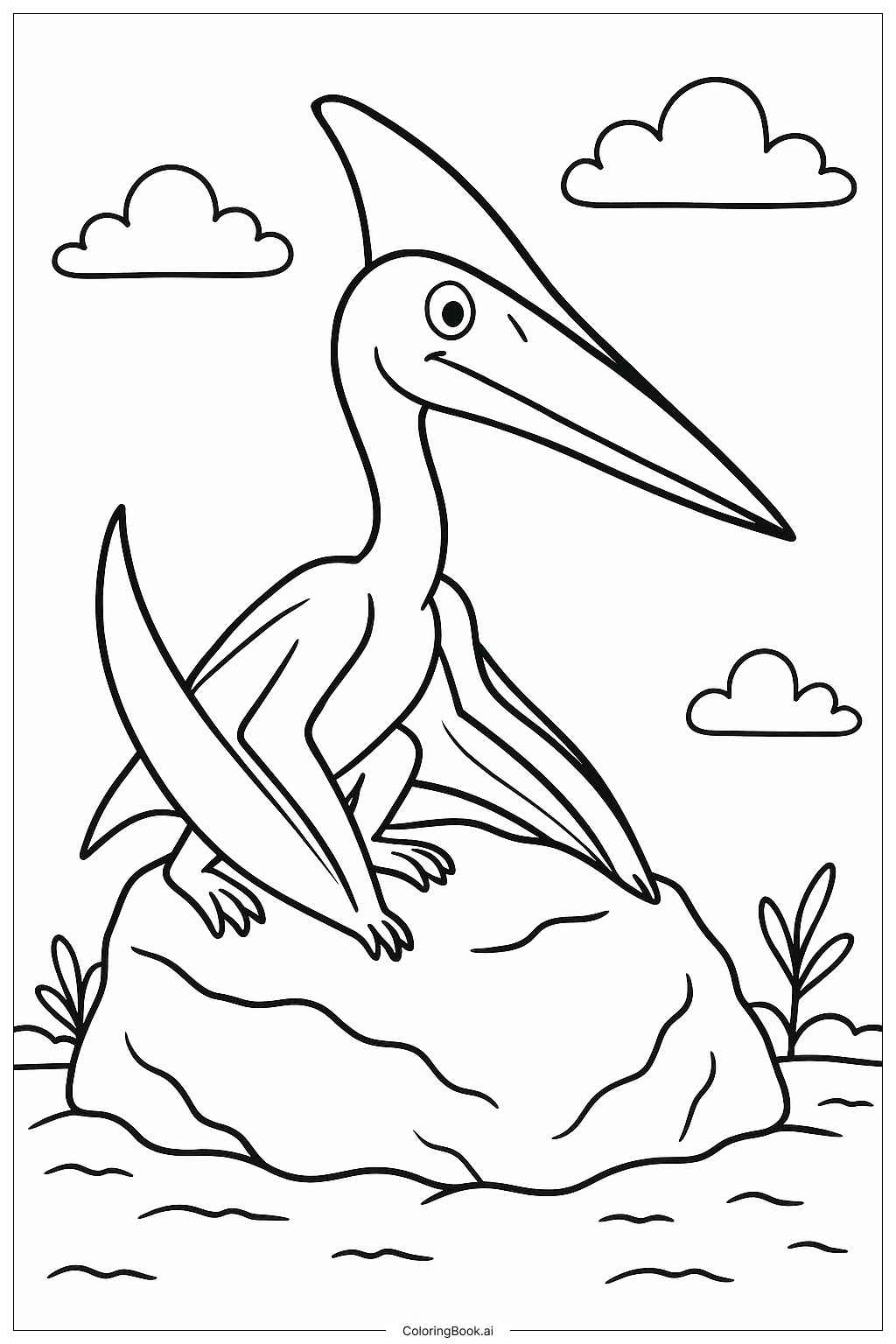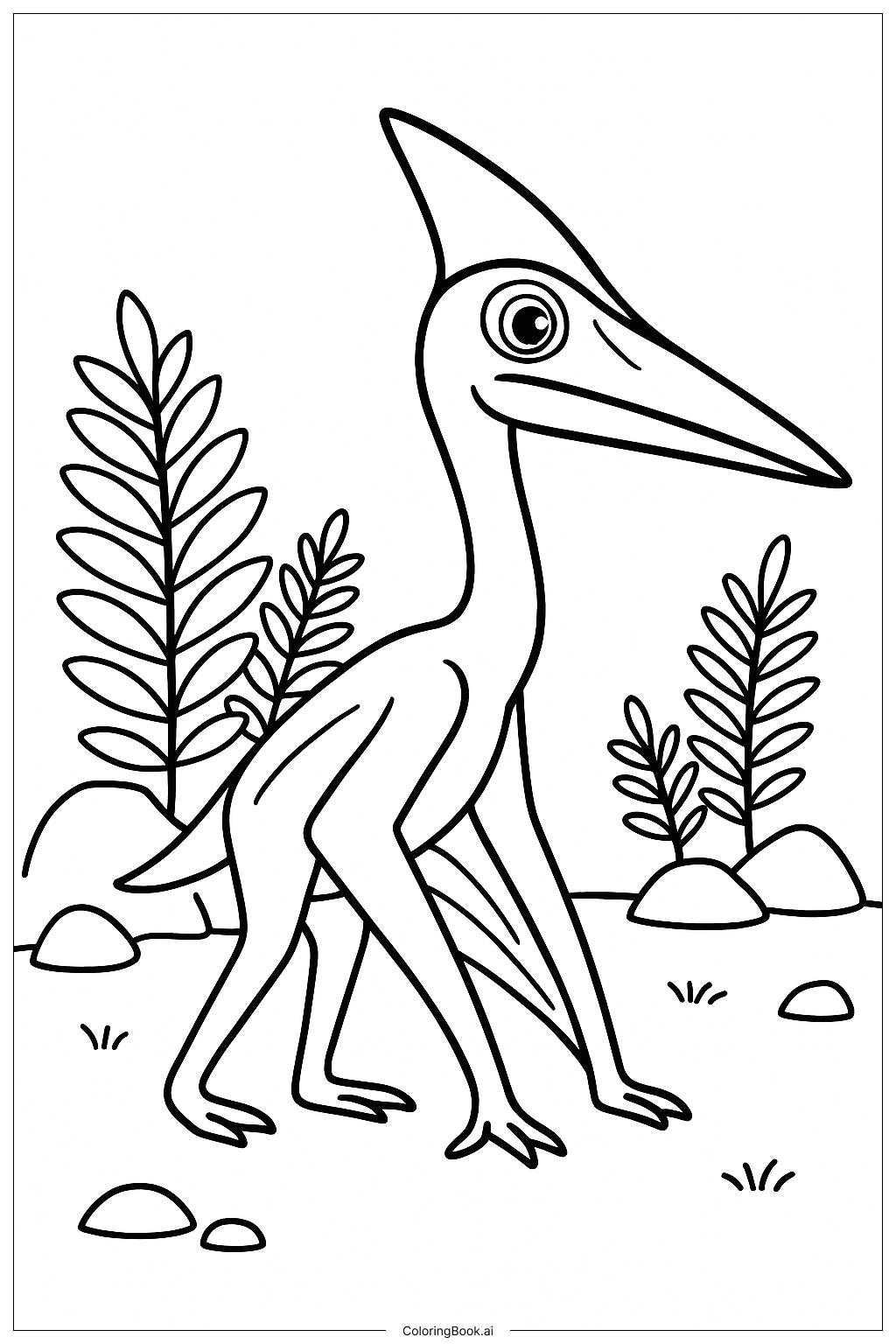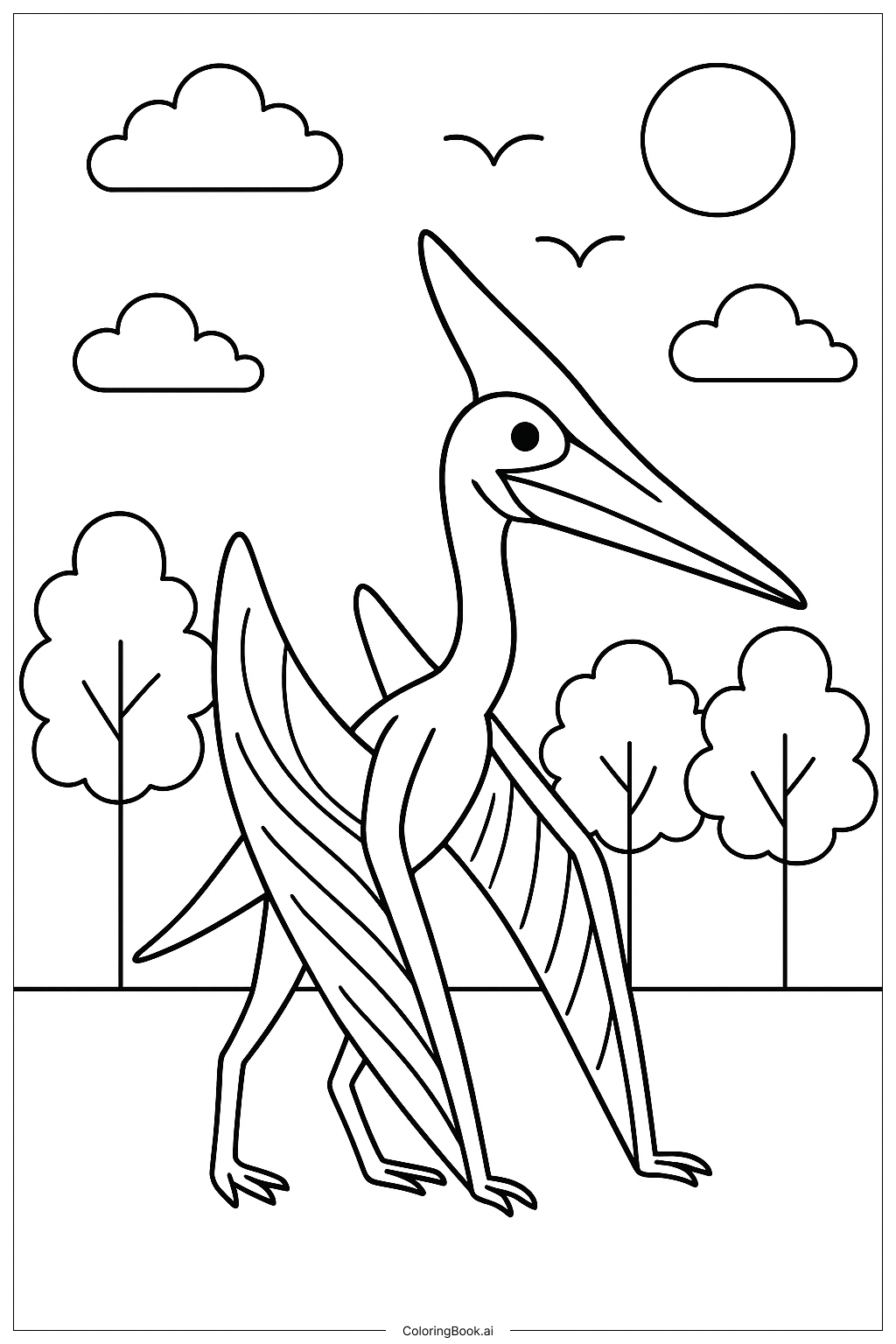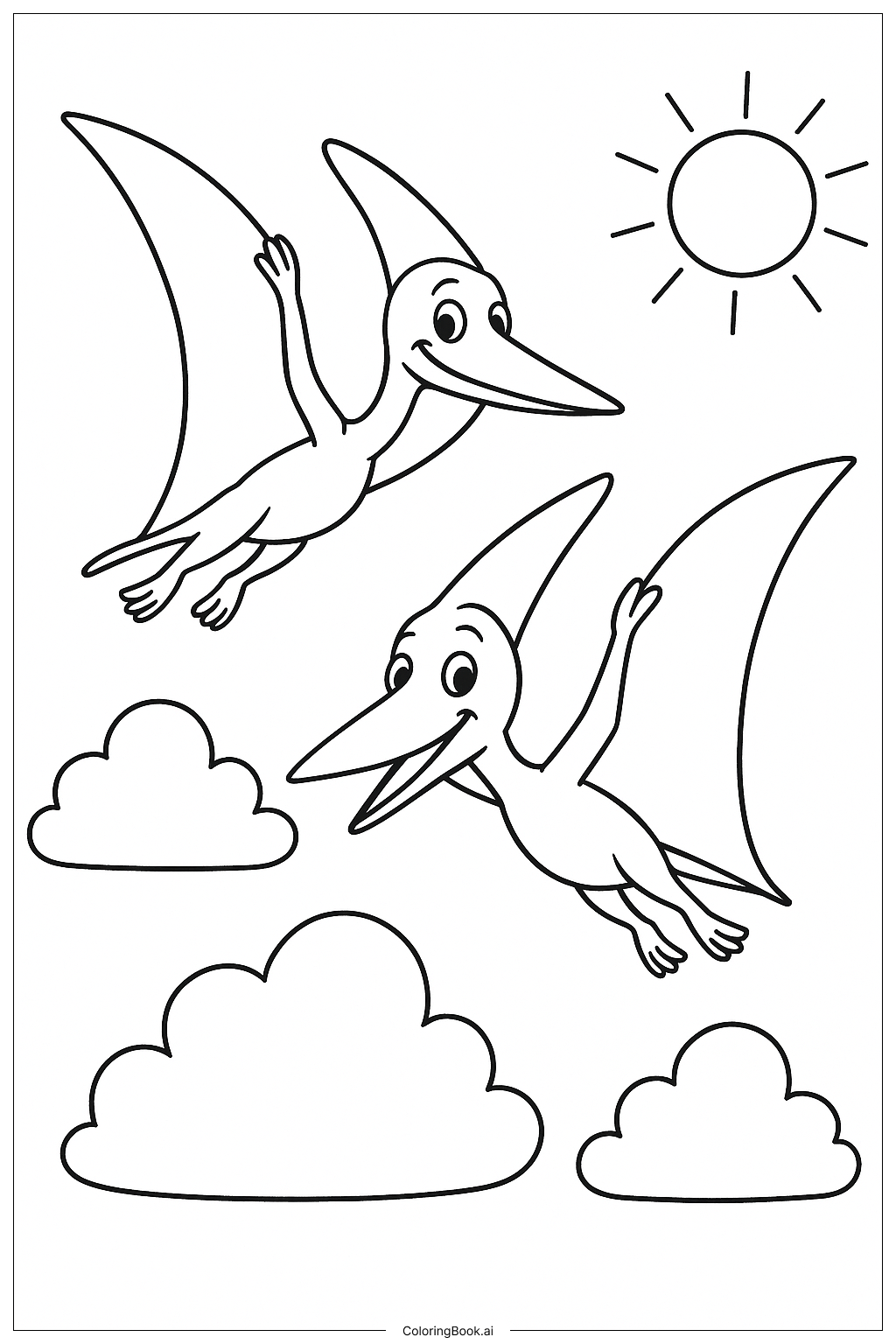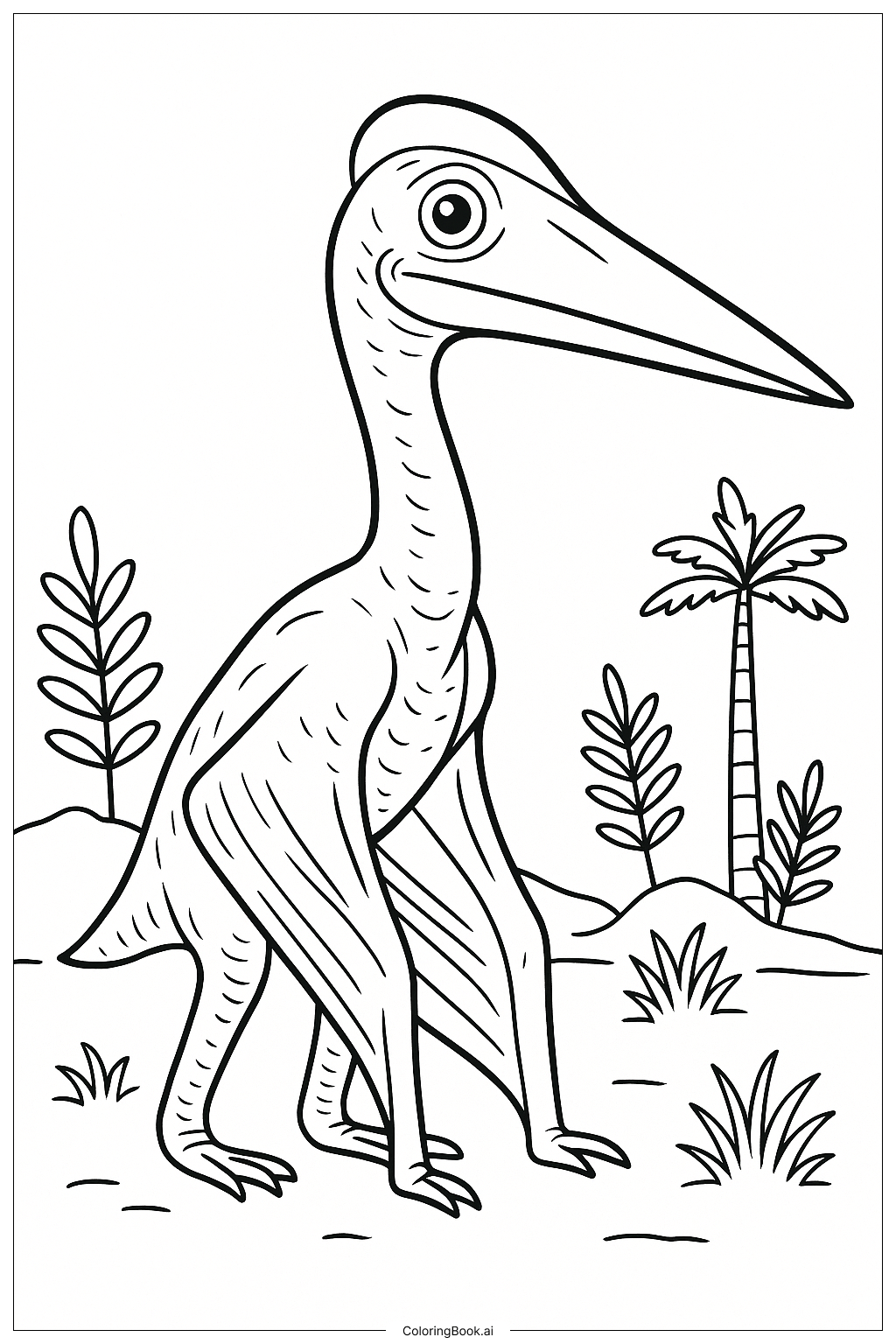
Coloring tips: How to color Realistic Quetzalcoatlus With Skin Texture coloring page well?
Start with the large wing membranes, as they cover the most space. Use warm earthy tones like tan, sandy brown, or muted rust to reflect the leathery skin typical of pterosaurs. Add darker shading along the wing folds and membrane creases to give depth and dimension.
For the body and neck, try a slightly darker shade than the wings to help separate the forms visually. The head crest can be colored with a bold accent, such as orange or deep red, to make it stand out.
Use a very light gray or cream for the underside of the wings to suggest how light hits the stretched membrane. Add subtle texture strokes along the skin details to bring the wrinkles and folds to life.
The background, if present, works well in cool sky blues or muted purples to contrast the warm-toned creature. For younger colorists, bold browns and greens are perfectly fine and still look great. Take your time with the wing areas — slow, steady strokes will help fill them evenly.
Coloring challenges: Which parts are difficult to color and need attention for Realistic Quetzalcoatlus With Skin Texture coloring page?
• Wing Membrane Coverage: The enormous wingspan creates very large flat areas that need consistent, even coloring. Filling these spaces without streaks or patches is a challenge, especially for younger children using crayons or markers. Taking time to use long, smooth strokes and layering light colors gradually will help achieve a clean finish.
• Skin Texture Details: The realistic wrinkles, folds, and leathery skin patterns across the body and wings require careful attention. Coloring inside these fine lines without going over them demands a steady hand and a sharp pencil or thin-tipped marker. Rushing through this part often results in lost detail.
• Shading the Wing Folds: The membrane of a Quetzalcoatlus naturally stretches and creases between the wing bones. Representing the depth of these folds through shading requires understanding of light and shadow. Younger colorists may find it tricky, but even simple darker strokes along fold lines make a big difference.
• Head Crest and Beak Proportion: The distinctive head crest and the long beak are narrow, elongated features that are easy to color unevenly. Staying within the lines along these thin areas can be frustrating. Using a fine-tip tool and coloring in the direction of the shape helps maintain accuracy.
• Color Consistency Across a Large Image: Keeping the same shade consistent across the entire body, especially over the wide wing area, is one of the hardest parts. Colors can appear uneven if pressure changes during coloring. Light layering and patience are the best strategies for a polished final result.
Benefits of coloring books: Advantages of drawing Realistic Quetzalcoatlus With Skin Texture coloring page
Coloring this realistic Quetzalcoatlus page offers a wonderful range of benefits for children and older colorists alike.
For kids, it sparks curiosity about prehistoric life. As they color, they naturally start wondering about how this giant creature lived, flew, and hunted. That curiosity is a gateway to learning about paleontology and natural history.
The detailed skin textures and large wing areas make this image an excellent exercise in focus and patience. Staying within the fine texture lines trains hand-eye coordination and helps build steady fine motor skills that support writing and other precise tasks.
For older children and teens, the challenge of shading the wing membranes and skin folds introduces basic concepts of light, shadow, and depth — skills that connect directly to drawing and visual arts.
Completing a large, complex image like this builds a real sense of accomplishment. Finishing something detailed gives colorists of all ages a confidence boost and a sense of pride in their work.
The calming, repetitive motion of coloring also helps reduce stress and encourages mindfulness. Whether it takes twenty minutes or an hour, the focused time spent on this page provides a healthy, screen-free creative break. It is a fun and educational activity the whole family can enjoy together.