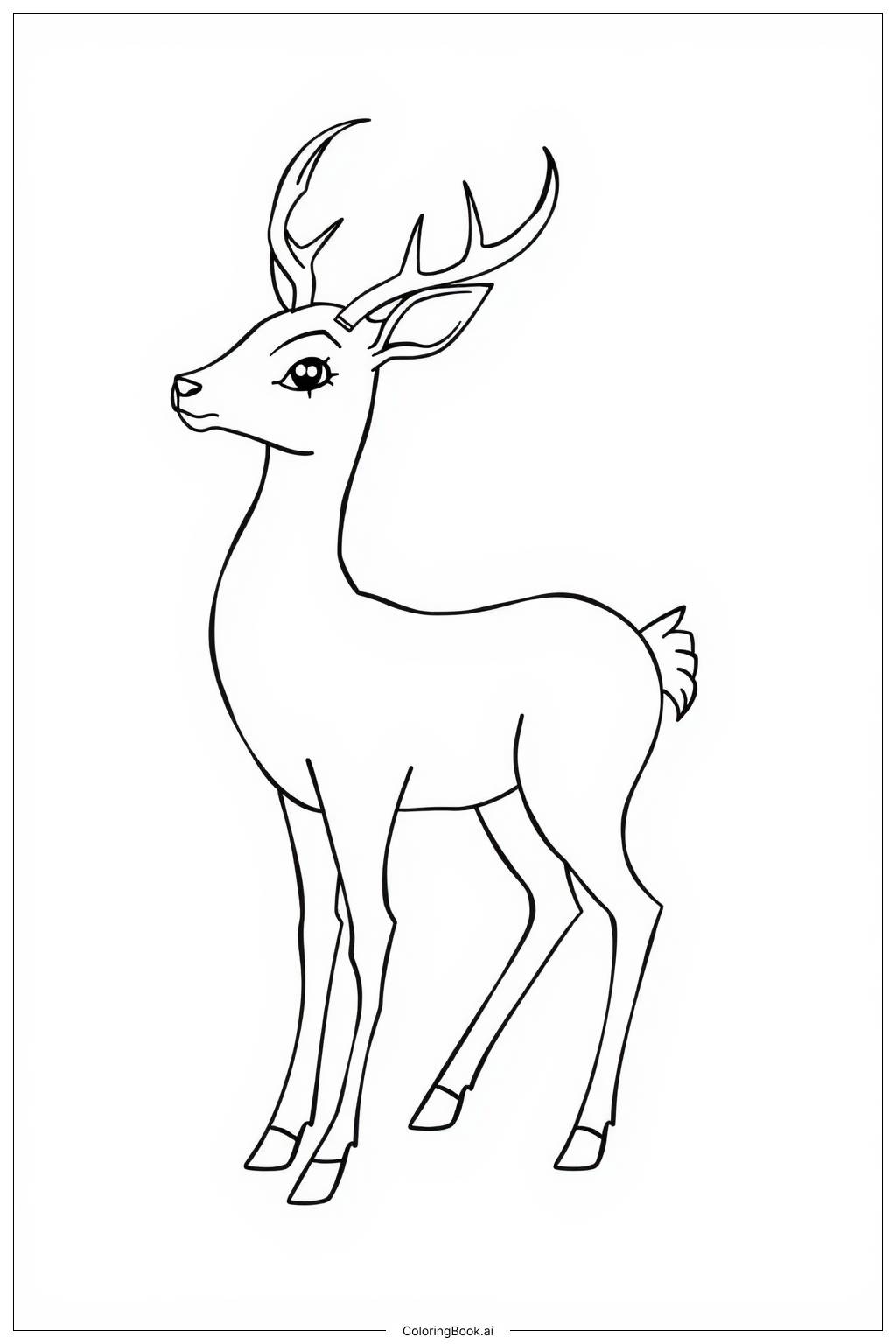
Coloring tips: How to color Realistic Deer Anatomy coloring page well?
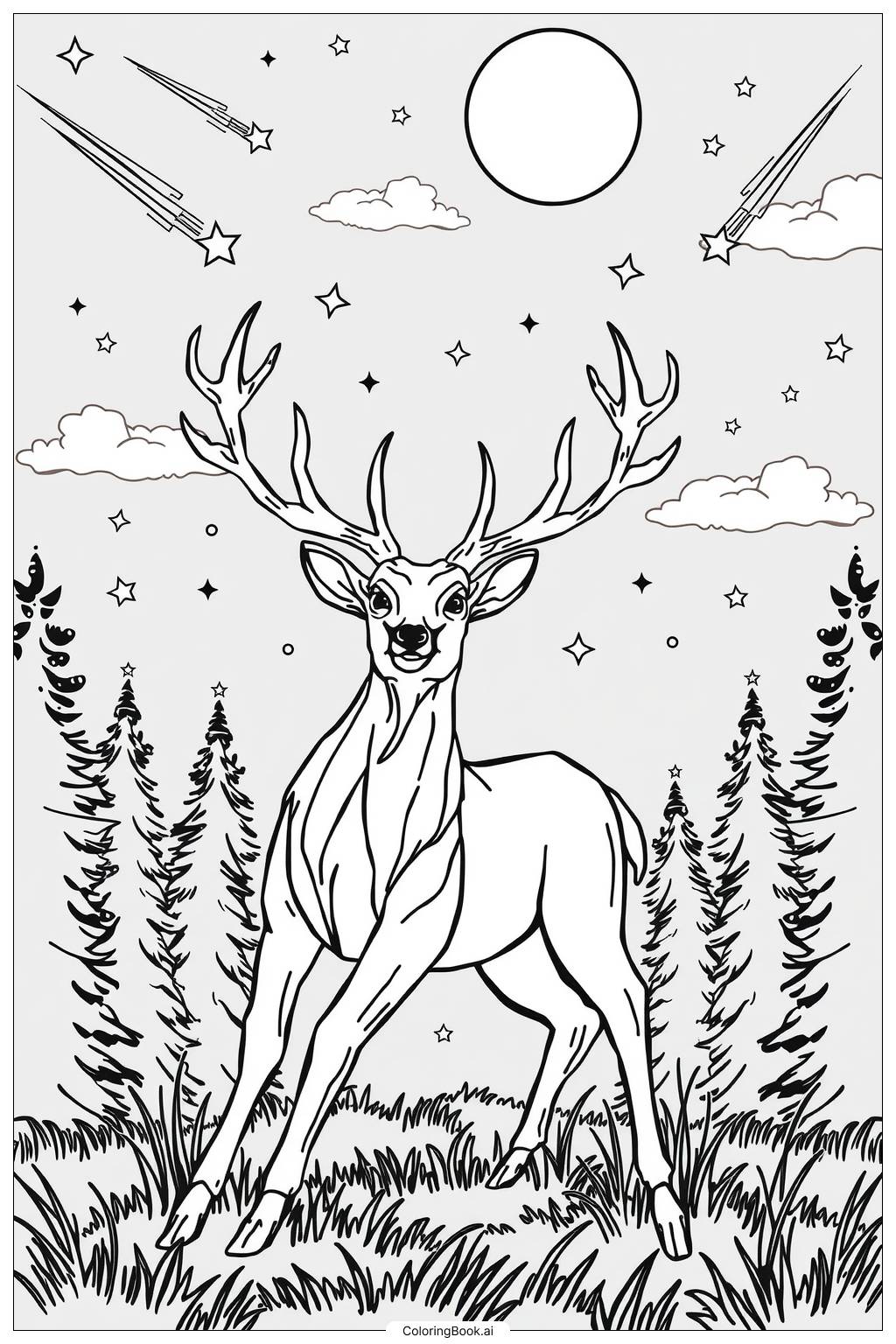
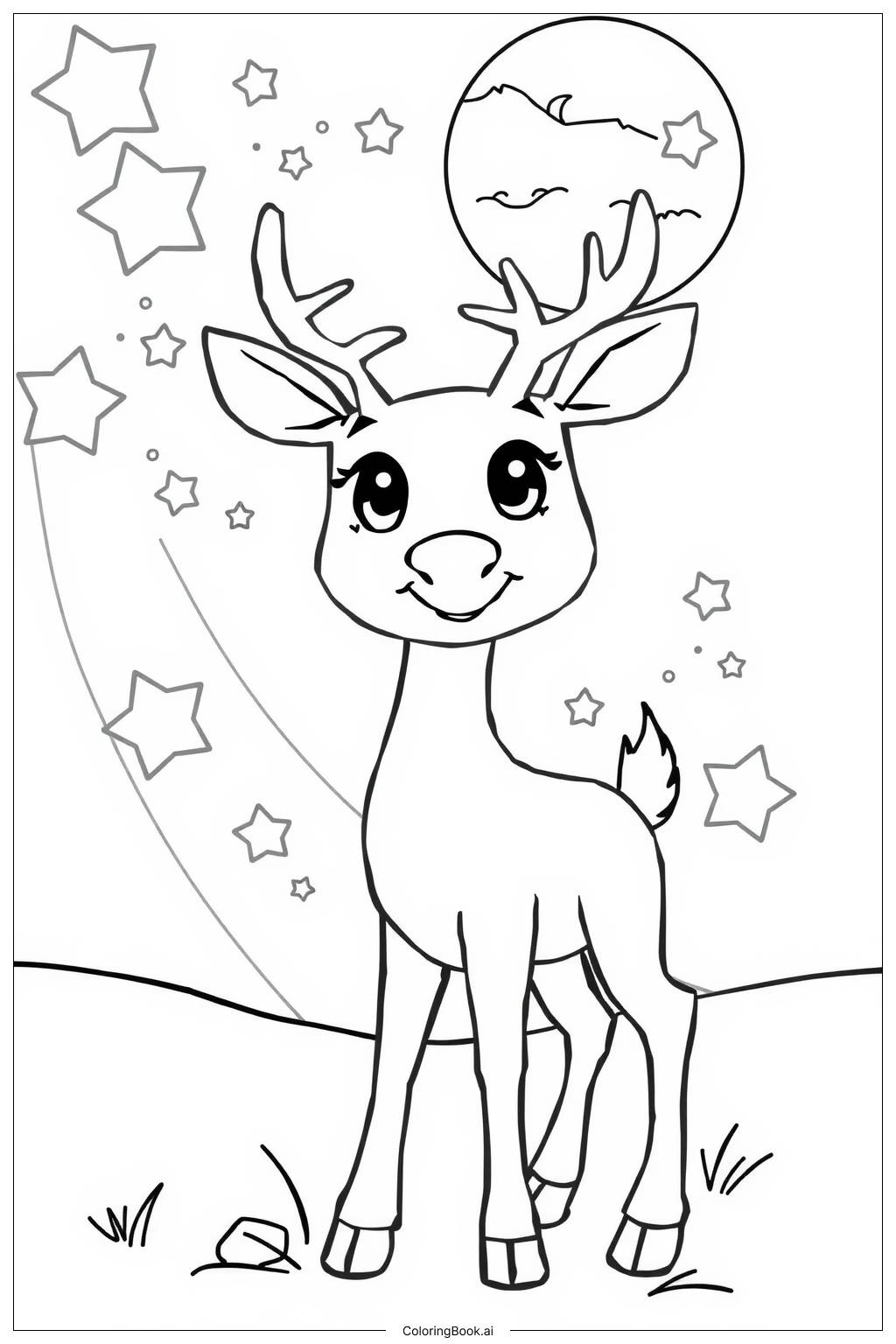
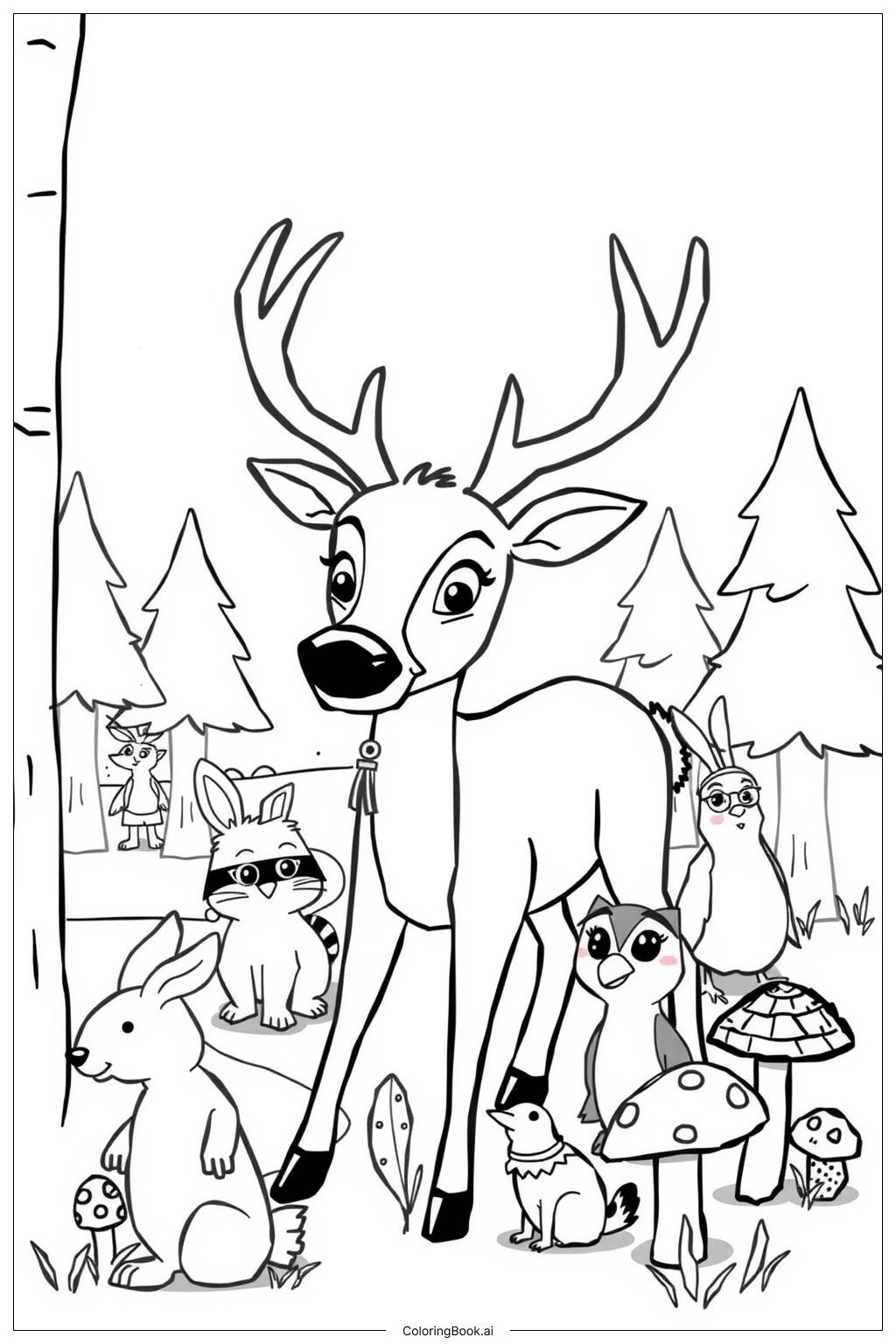
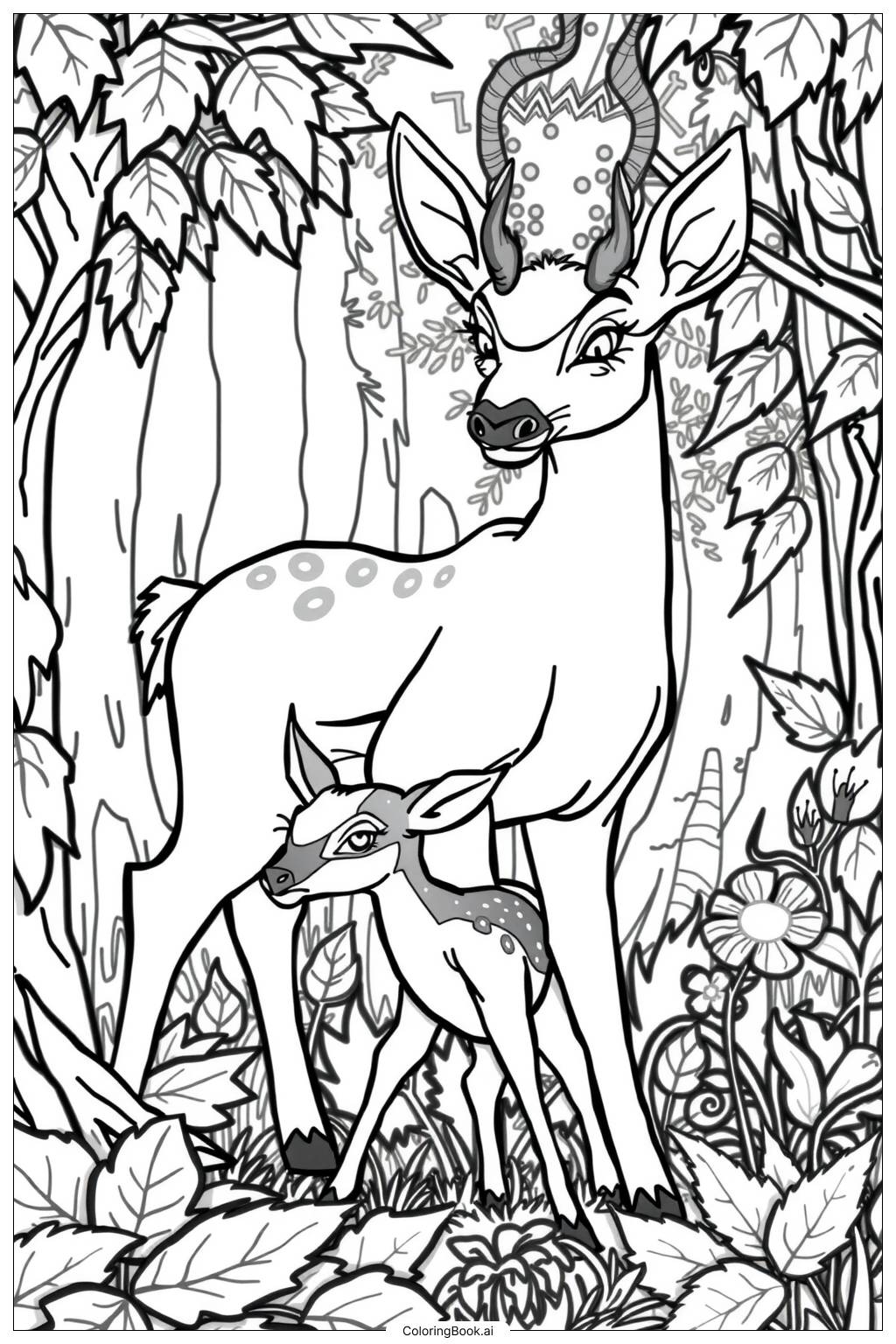
For coloring this realistic deer image, consider using warm browns for the main body to reflect the natural fur colors of many deer species. Use lighter shades of beige or cream for the underbelly, throat, and inside of the legs to create contrast and a sense of volume. The antlers can be colored with grays and light tans to show their solid but textured nature. Don’t forget the eyes and nose, which can be dark brown or black to highlight their detail. The background can be softly colored with natural greens or light earth tones to simulate a forest environment. Feel free to experiment with blending colors to show the fur’s texture and shading, making the coloring realistic and vibrant.
Coloring challenges: Which parts are difficult to color and need attention for Realistic Deer Anatomy coloring page?
• Fine Line Work: The delicate lines that define the fur and muscle structure can be challenging to color without going over the lines, requiring careful hand control.
• Antler Complexity: The branching shape of the antlers has many narrow sections that need precision to color neatly.
• Shading Variations: To highlight the muscles and natural fur patterns, subtle color transitions are needed, which can be difficult to achieve with basic coloring tools.
• Small Details: Features like the eyes, ears, and nose contain tiny areas that need close attention for clean, accurate coloring.
• Overall Anatomy: Keeping the colors consistent with the deer’s realistic anatomy demands some knowledge of natural deer coloration and patience to layer colors properly.
Benefits of coloring books: Advantages of drawing Realistic Deer Anatomy coloring page
Coloring this detailed deer image helps improve fine motor skills due to the precision required around small and intricate areas. It encourages observation skills as children and adults notice the realistic patterns and anatomy of a deer, fostering a deeper appreciation for nature and wildlife. The activity also promotes patience and focus, which are valuable for concentration. Additionally, working with natural colors offers a creative way to learn about animal biology and environmental settings, connecting art with science in a rewarding way. Finally, completing a realistic animal coloring page can boost confidence and provide a sense of accomplishment.