Coloring tips: How to color Mule Deer Hunting coloring page well?
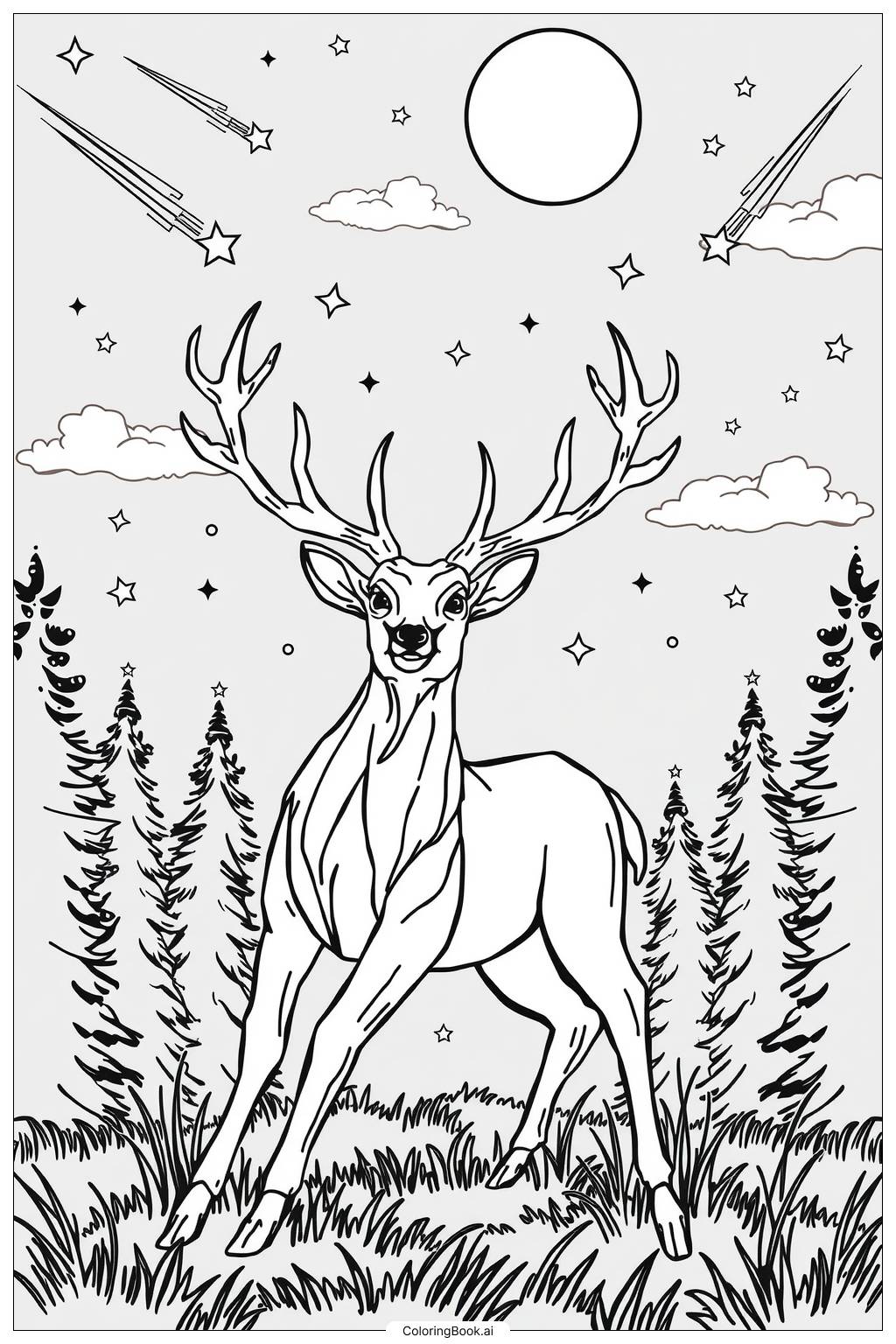
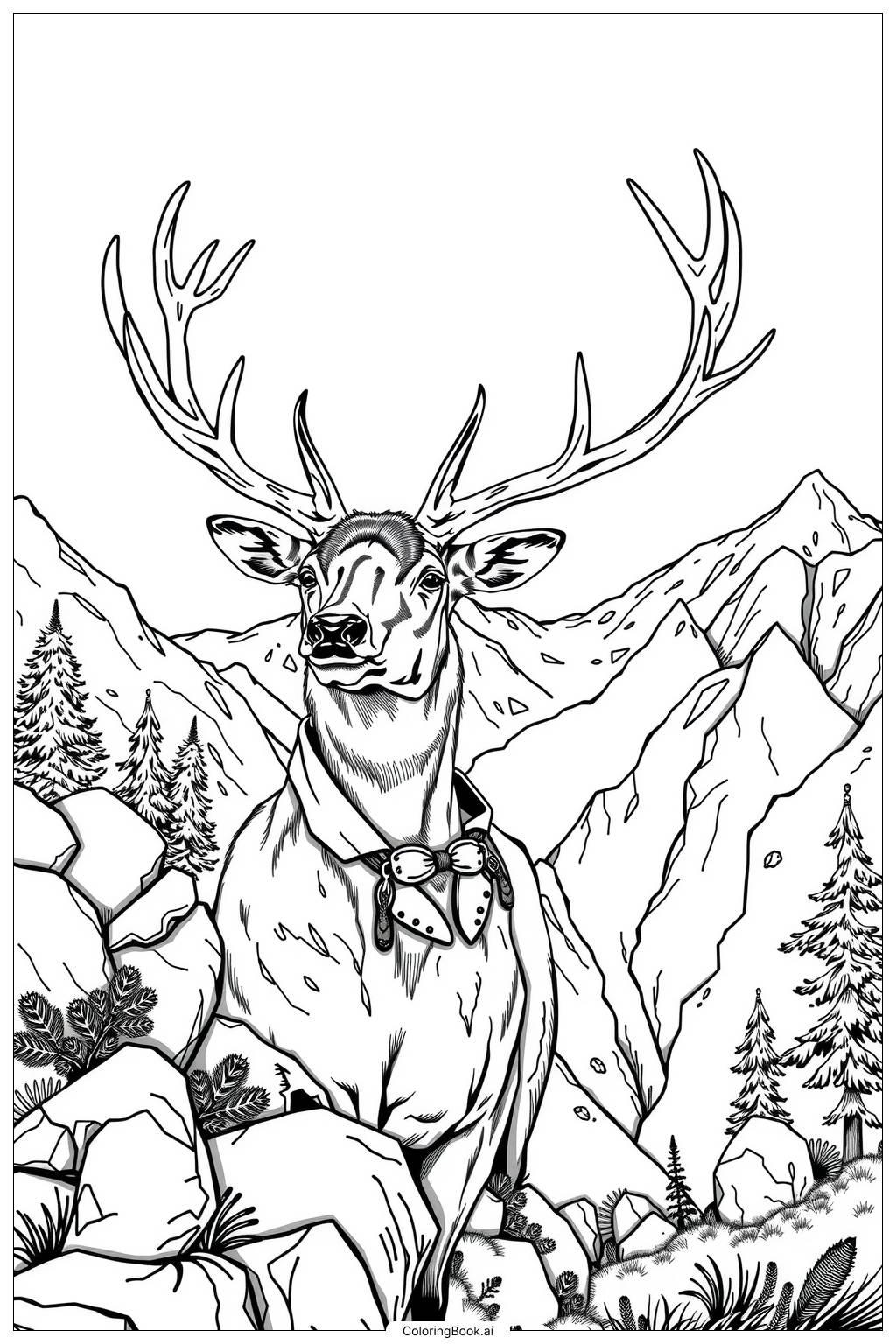
Use earthy colors to bring this mule deer scene to life. Try various shades of brown and gray for the deer’s body and antlers to create a realistic look. Light tans and creams can highlight its fur, while darker browns add depth to the shadows. You can color the plants in green hues, from bright fresh leaves to deep forest tones. The distant mountains could be soft blues or purples to convey distance and sky. Keep the colors natural and calm to match the setting. This will help to emphasize the peaceful wilderness environment in the picture.
Coloring challenges: Which parts are difficult to color and need attention for Mule Deer Hunting coloring page?
• Antler Complexity: The mule deer’s antlers have many branches and small details. Coloring them carefully is important to keep the natural shape clear. Using fine strokes might help avoid filling in the spaces too broadly.
• Texture of Fur: Showing the texture of the deer’s fur means using different tones to highlight the body. Blending colors smoothly between light and dark can be a challenge, especially for younger children.
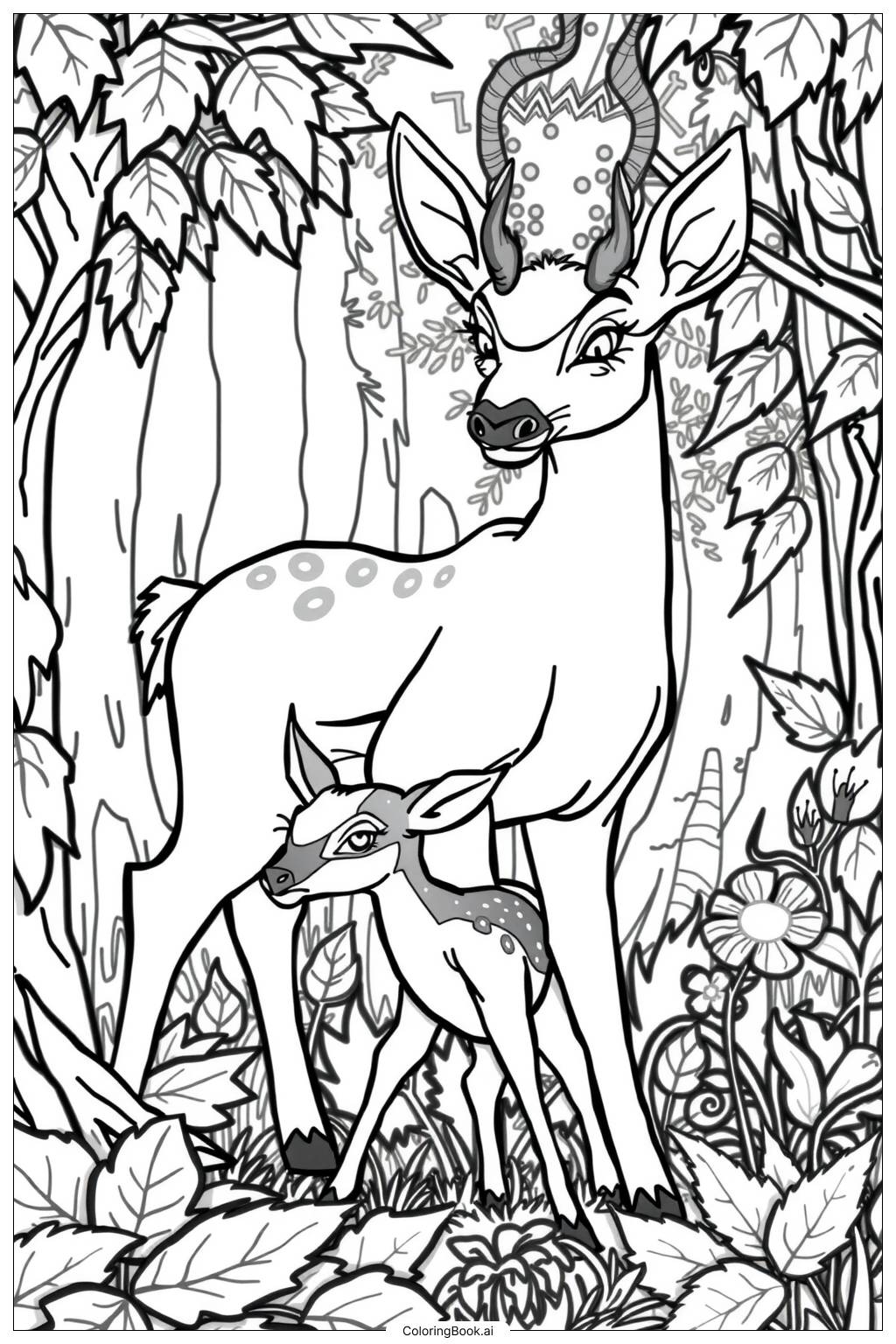
• Background Plants: The wild plants behind the deer have overlapping leaves and stems. Coloring each separately without mixing the lines takes patience and control.
• Mountain and Sky Gradient: The distant mountains need gradual color changes to illustrate distance. Achieving a smooth gradient effect can be difficult without the right tools or practice.
• Maintaining Line Clarity: This image has many thin lines to define details. Coloring without crossing these lines requires focus and steady hand coordination, especially for smaller or younger colorists.
Benefits of coloring books: Advantages of drawing Mule Deer Hunting coloring page
Coloring this mule deer image helps improve fine motor skills by encouraging careful hand control and precision along detailed lines. It also fosters focus and patience, as completing the antlers and plant life requires step-by-step attention. Using multiple colors to shade the deer’s fur and background enhances understanding of natural color blending and shading. This activity can spark an interest in wildlife and nature, making it both fun and educational for a wide age range. Overall, coloring this image supports creativity, concentration, and a deeper appreciation for animals and their environment.