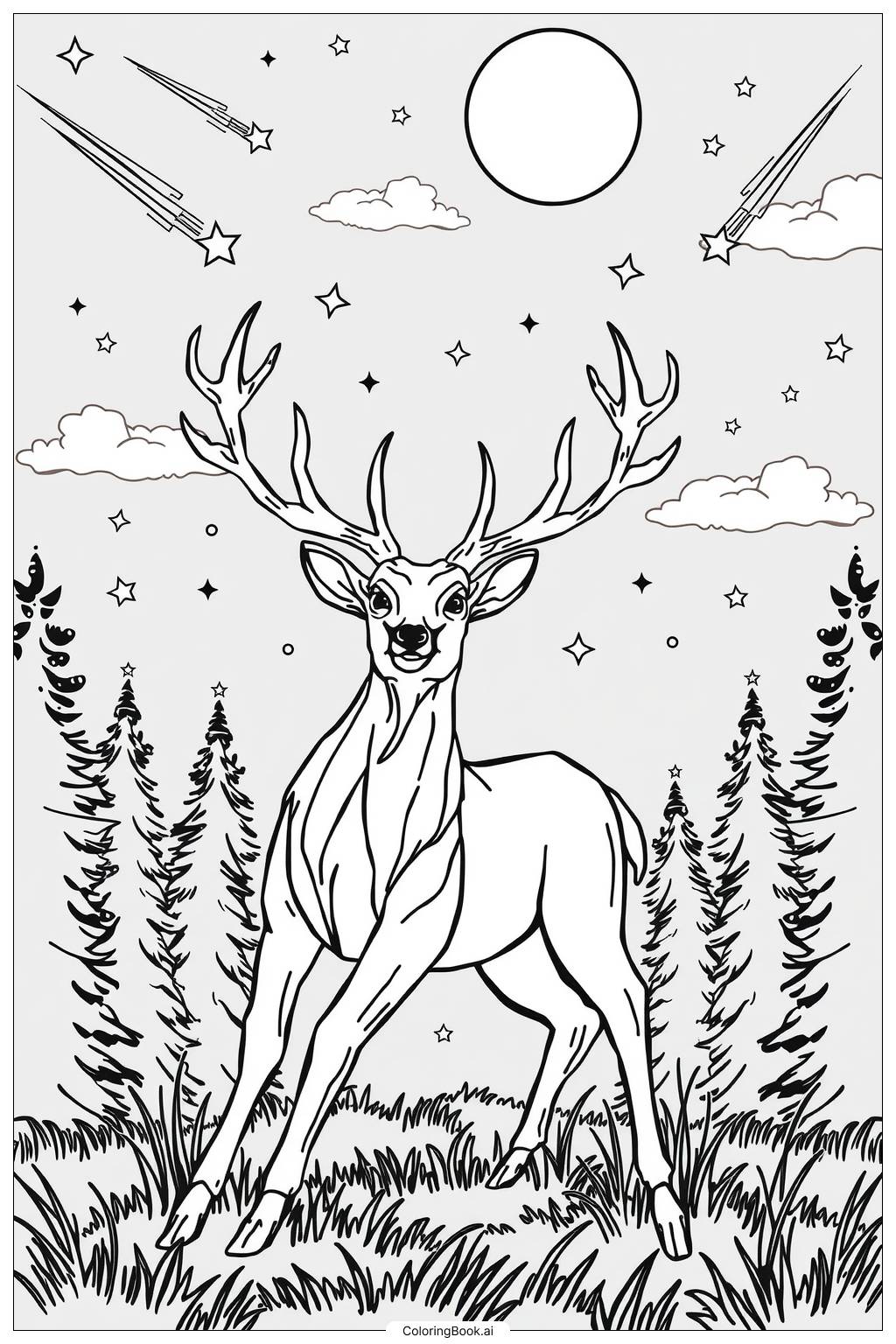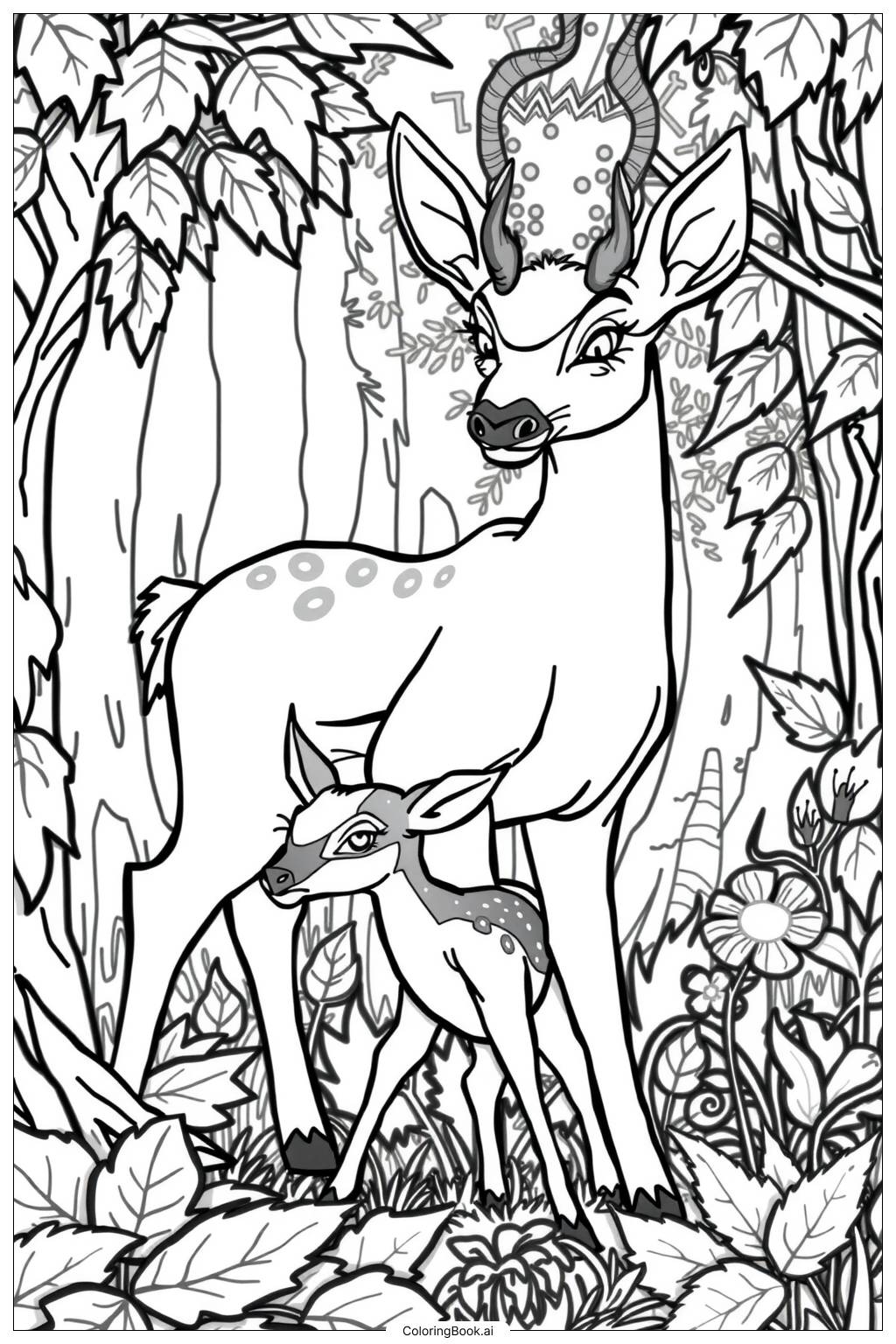
Coloring tips: How to color A deer drinking water by the lake coloring page well?
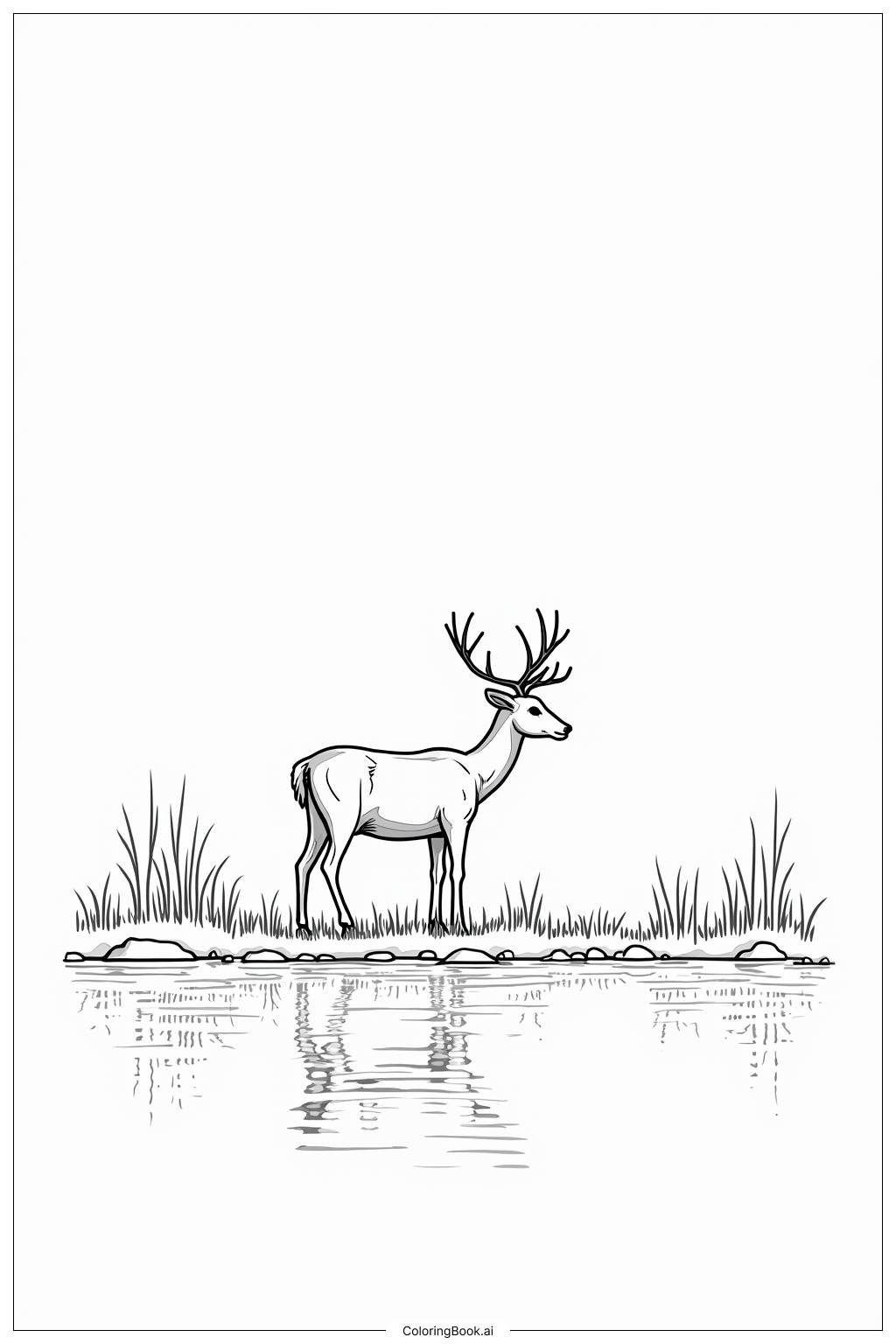
For coloring this image, consider using warm browns and soft tans for the deer’s fur to make it look natural and lifelike. You can add shades of white on the deer’s underbelly and tail for contrast. Use different greens to color the grass and leaves around the deer, combining light and dark shades to create depth. For the water, try a mix of blues and gentle grays to show reflections and ripples. To make the scene more vibrant, add some light yellow or orange tones for sunlight on the grass and the deer. Keep the colors soft and blended to highlight the peaceful nature of the scene. This coloring page is perfect for practicing shading and blending skills.
Coloring challenges: Which parts are difficult to color and need attention for A deer drinking water by the lake coloring page?
• Fine Details: The deer’s fur and facial features have many small lines that require careful coloring to avoid going outside the lines.
• Water Reflections: Coloring the water to show reflections and ripples can be challenging since you need to use subtle color changes to create the realistic effect.
• Overlapping Plants: The grass and leaves overlap each other, so picking different shades to separate them visually takes attention and planning.
• Smooth Gradients: The transition from light to shadow on the deer’s body and the water surface requires smooth and gradual color blending, which can be hard for beginners.
• Realistic Color Choices: Choosing natural but interesting colors for the forest background and balancing between brightness and dullness might be tricky for young artists.
Benefits of coloring books: Advantages of drawing A deer drinking water by the lake coloring page
Coloring this image helps children practice focus and attention to detail because of the fine lines and overlapping objects. It encourages creativity by allowing them to choose natural or imaginative colors for the deer and scenery. This page also improves motor skills through careful coloring inside the lines and blending different shades. Additionally, it teaches observation skills as kids consider how light and reflections appear in nature. Coloring a peaceful nature scene like this can be calming and help reduce stress while building confidence and patience.