Coloring tips: How to color Cute Dog in Scarf coloring page well?
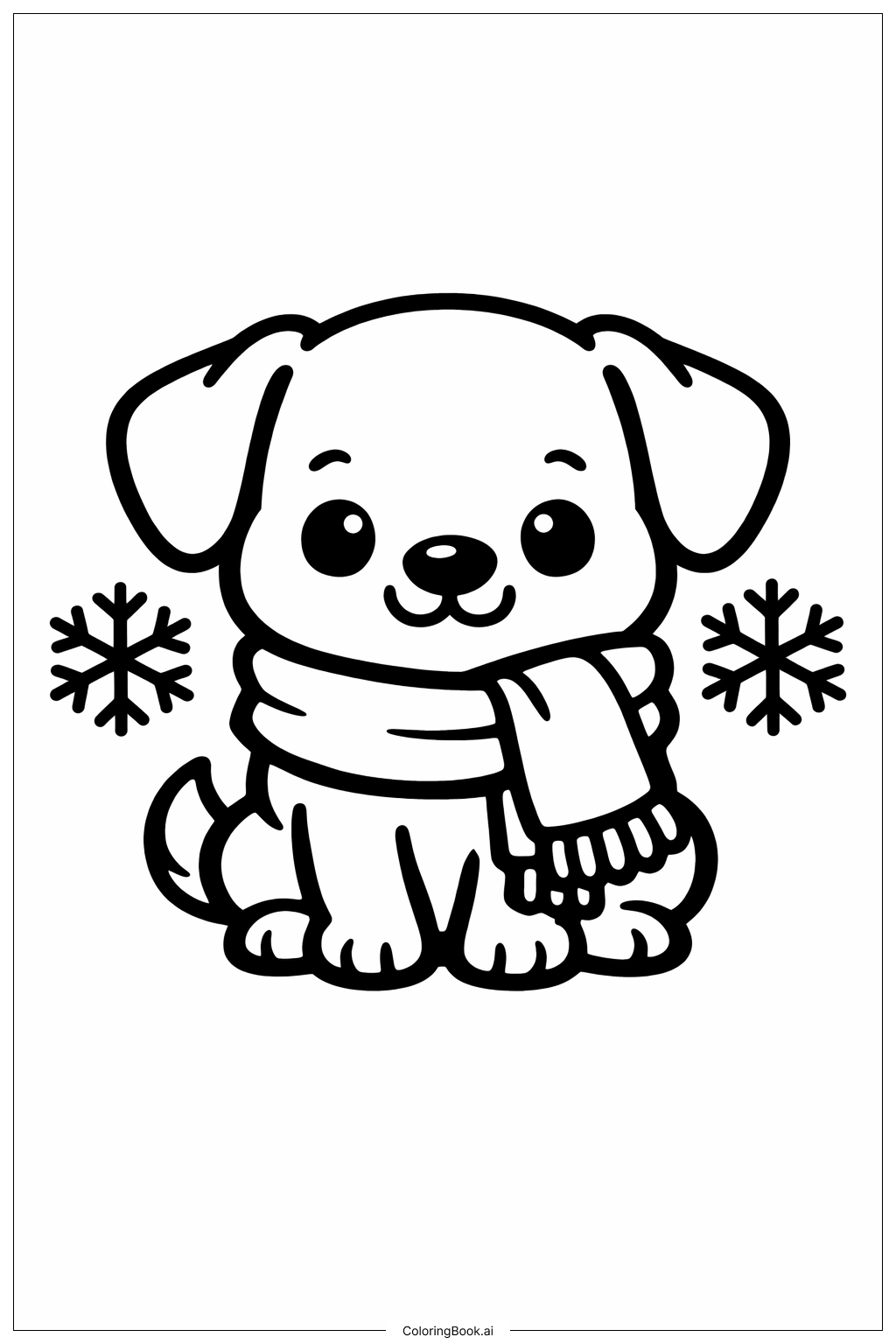
Start with the dog's fur. Light golden or warm brown tones work beautifully for a classic look. You can also try cream, tan, or even a soft gray if you want something different. Use short, light strokes to follow the direction of the fur lines — this makes it look fluffy and natural. For the scarf, pick a bold, fun color like red, blue, green, or purple to make it stand out against the fur. Stripes or patterns on the scarf can add extra personality. Add a second, lighter shade on the scarf's folded areas to show depth. Color the eyes with warm brown or hazel tones, and leave a tiny white dot to make them look shiny and alive. Use a soft pink for the nose and inner ears. Take your time with the fringe at the end of the scarf — alternating colors on each strand looks really cool!
Coloring challenges: Which parts are difficult to color and need attention for Cute Dog in Scarf coloring page?
• Fur Texture Details: The dog's fur is made up of many small, layered lines that flow in different directions. Coloring each section neatly while following those lines takes patience. If you rush, the fur can look flat or messy. Try using short, gentle strokes and blend lightly where two fur areas meet for a soft, natural finish.
• Scarf Folds and Shadows: The scarf has several overlapping folds that create areas of light and shadow. Picking the right shading spots is tricky. To make the folds look realistic, apply your main color first, then add a slightly darker shade in the deeper creases. Leave lighter areas near the tops of the folds to suggest where light hits.
• Fringe Details: The fringe strands at the ends of the scarf are thin and closely spaced, making them one of the trickiest parts to color. Using a fine-tipped colored pencil or a thin marker works best here. Try alternating colors between strands to give the fringe a lively, decorative feel without making it look cluttered.
• Expressive Eyes: The dog's large, round eyes have multiple layers — the outer ring, the iris, the pupil, and a small highlight spot. Keeping each layer clean and distinct is a careful task. Use a dark brown or black for the pupil, a warm color for the iris, and always leave or erase the tiny white highlight. This small detail brings the dog to life.
• Blending Fur and Scarf Edges: Where the scarf meets the dog's fur, the boundary needs to look clean but natural. Rushing this area can cause colors to bleed into each other. Work slowly along the edge and use a lighter pressure to feather the transition smoothly.
Benefits of coloring books: Advantages of drawing Cute Dog in Scarf coloring page
Coloring this cute dog in a scarf is a wonderful activity for kids and adults alike. It helps build focus and concentration as you work carefully on the fur lines, scarf folds, and fine details. For younger children, it strengthens hand-eye coordination and improves fine motor skills — especially when working on small areas like the fringe and the eyes. Choosing colors for the fur and scarf also encourages creative thinking and personal expression. There is no single right answer, so kids feel free to experiment and make the image uniquely their own. Completing the page gives a real sense of accomplishment and boosts confidence. For older kids and adults, the more detailed areas like blending fur textures and shading folds offer a calming, meditative experience that can help reduce stress and anxiety. Spending quiet time with a coloring page is a healthy screen-free activity that promotes mindfulness. The cheerful subject — a cozy, well-dressed pup — also brings a sense of joy and playfulness to the whole process, making it easy to stay engaged from start to finish.