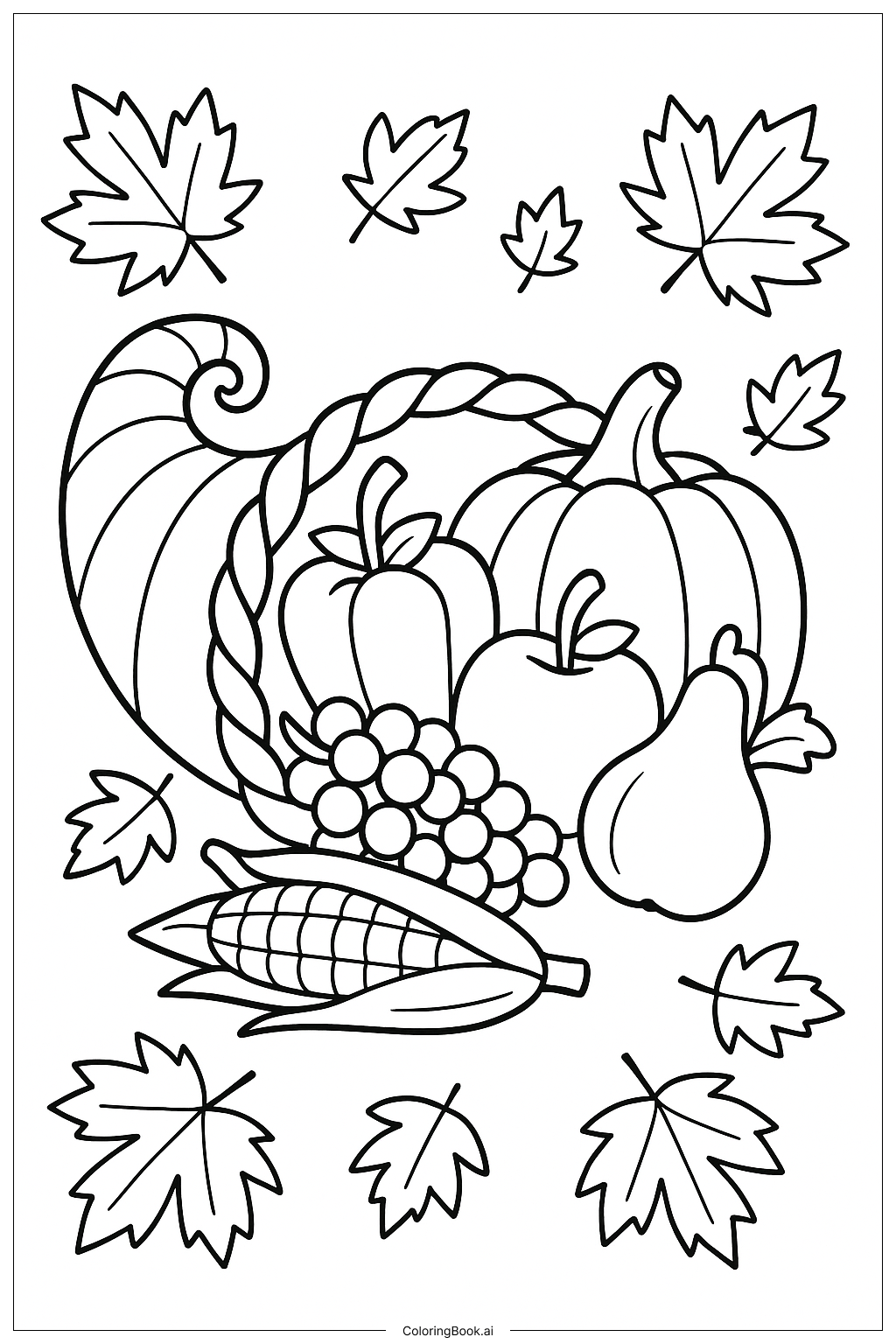
Coloring tips: How to color A Cornucopia Surrounded By Fall Leaves coloring page well?
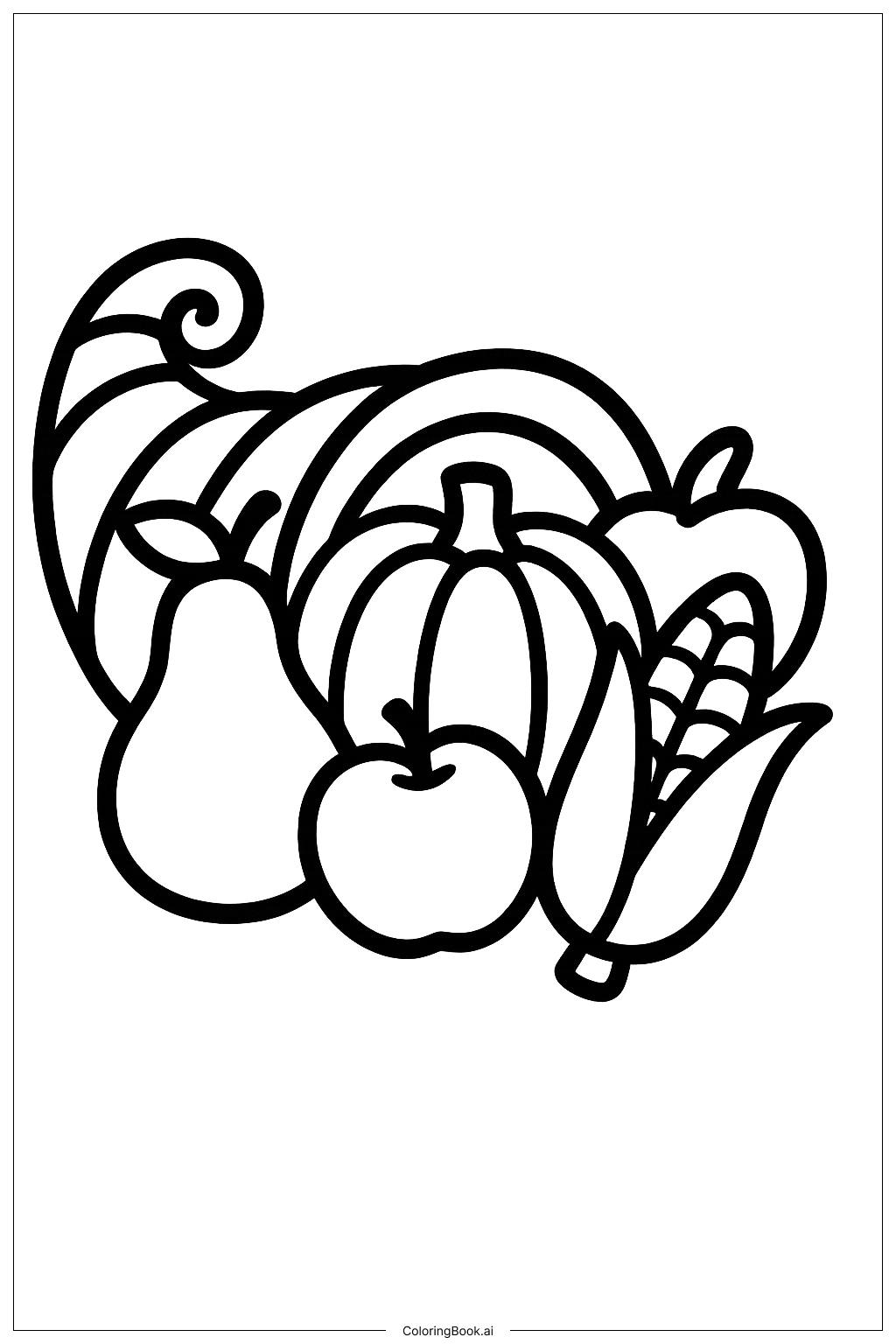
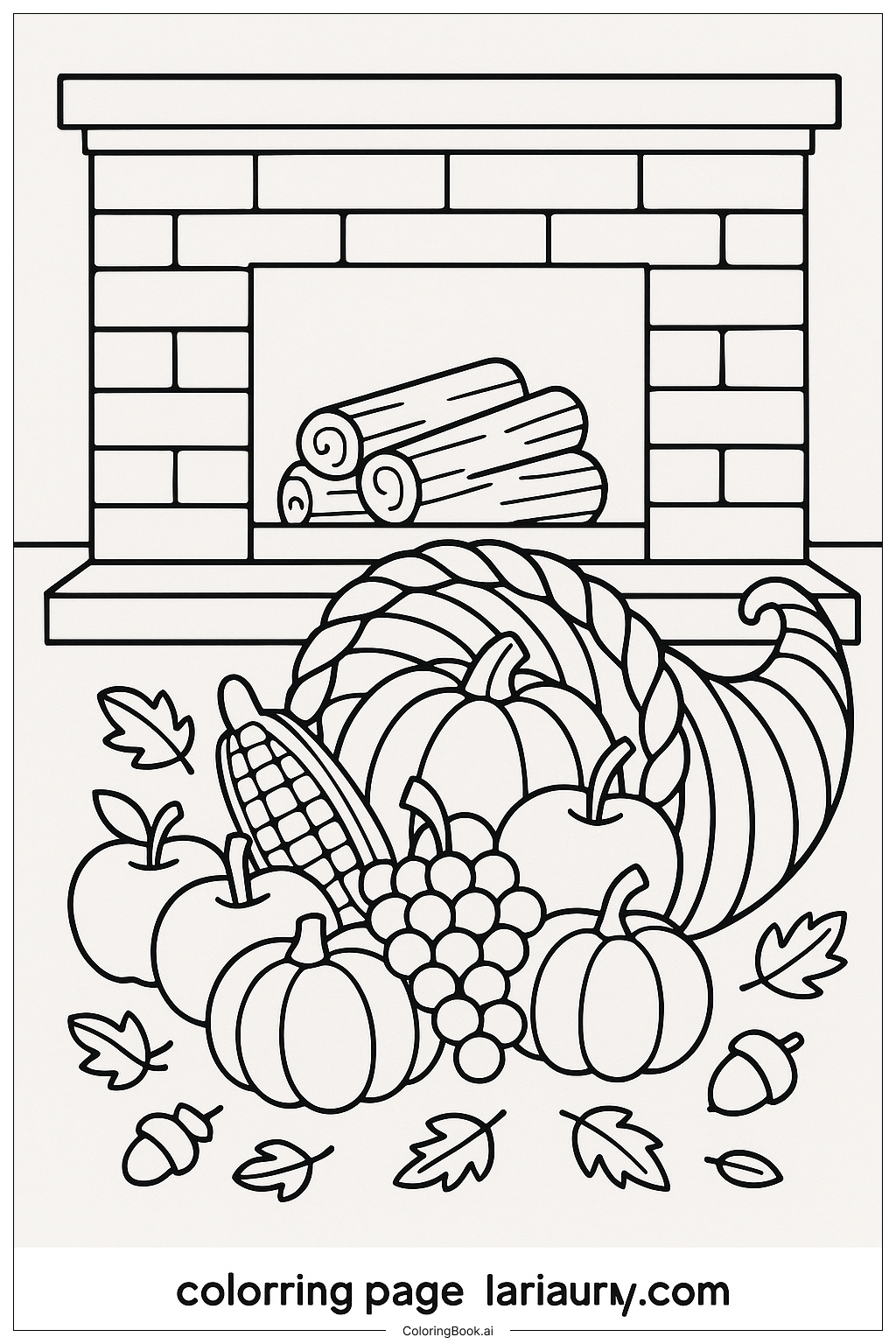
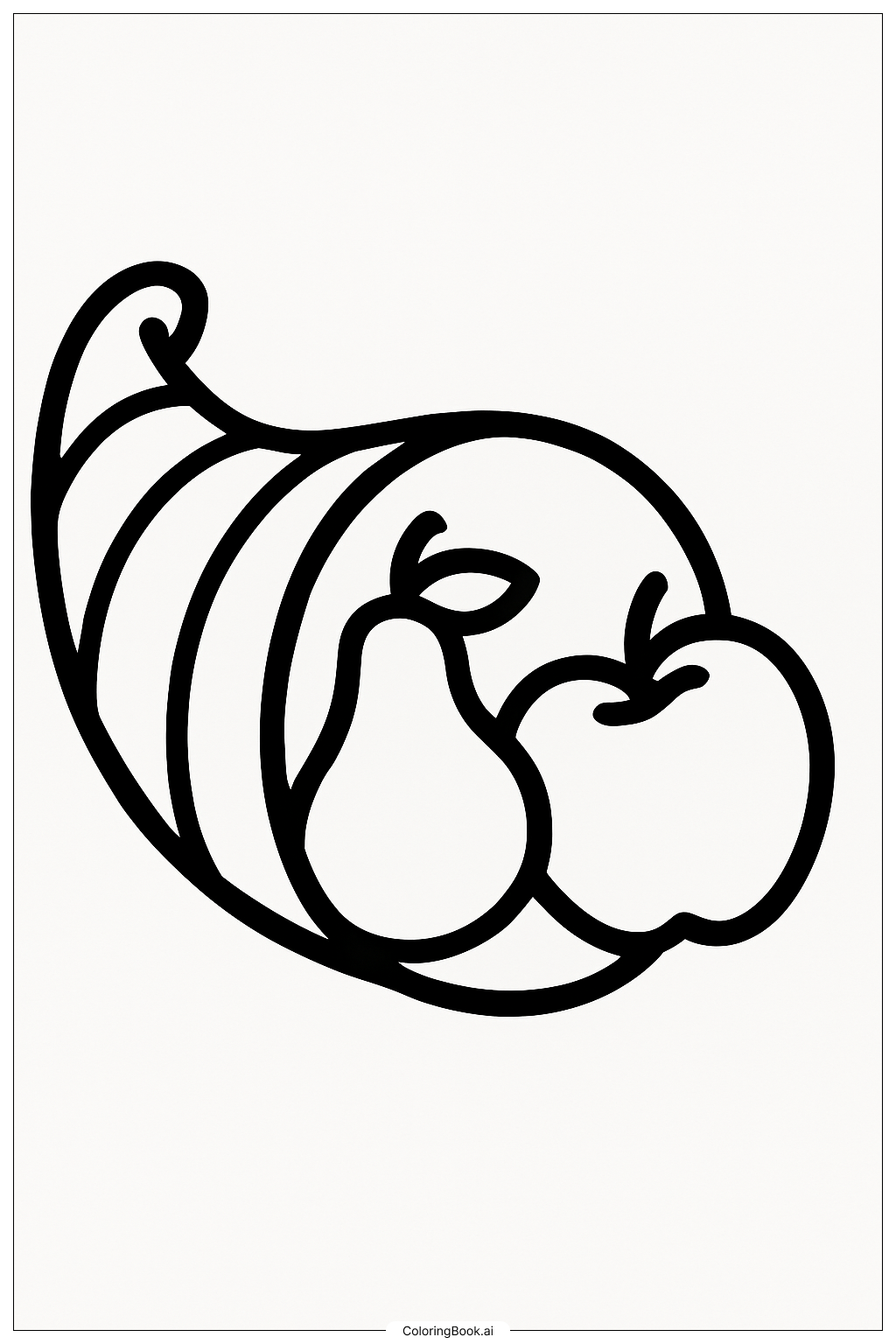
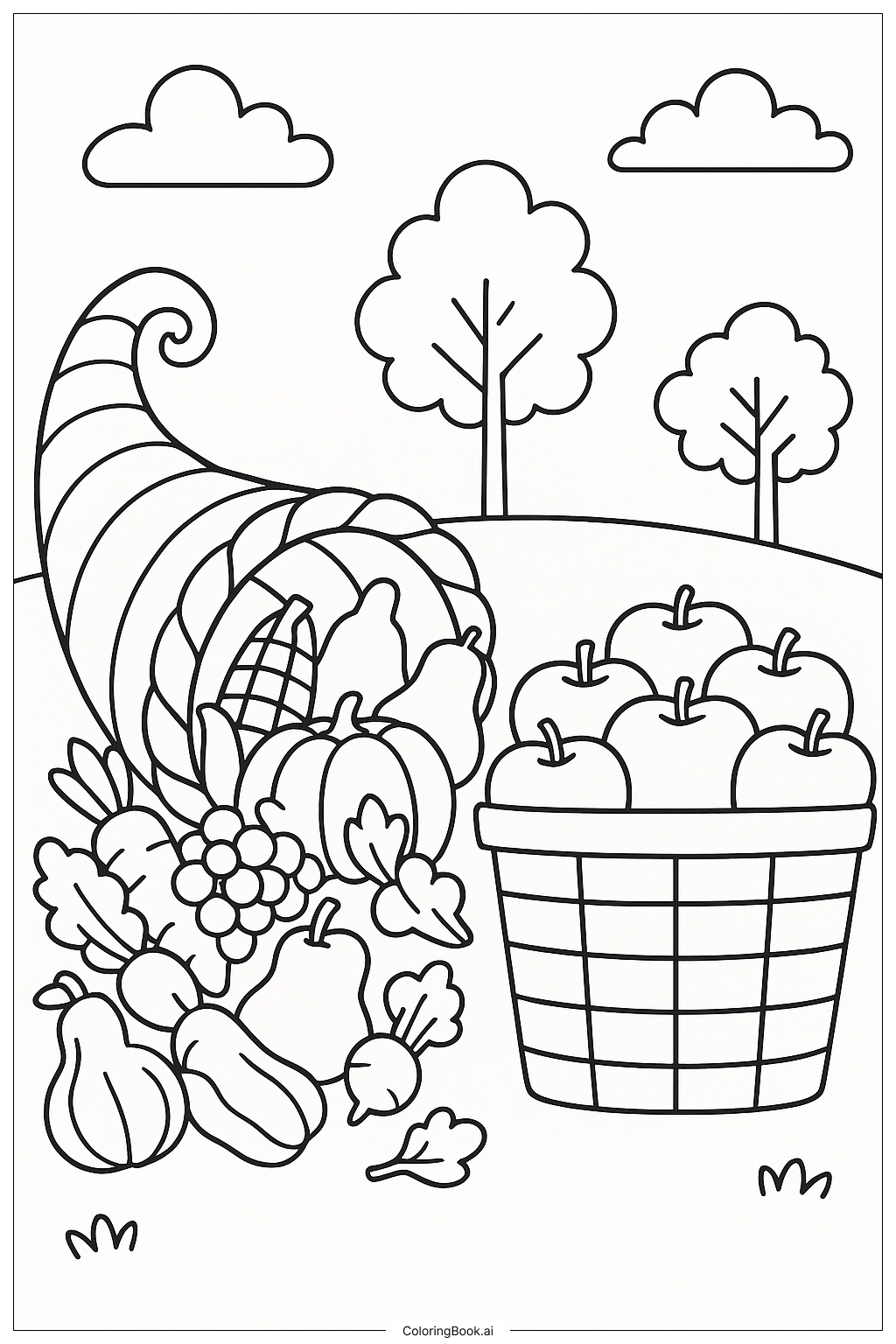
Start with the cornucopia itself. Use warm golden brown or tan shades for the woven horn. Add darker brown lines to show the woven texture and give it depth.
For the fruits and vegetables, use bright, natural colors. Color pumpkins orange, apples red or green, grapes purple or green, corn yellow, and squash in shades of yellow and orange.
The fall leaves are a great place to have fun. Use red, orange, yellow, and brown to create a classic autumn feel. Try blending two colors on a single leaf for a realistic look.
Color the acorns brown with dark brown caps. Use deep red or burgundy for any small berries.
Leave some light areas uncolored or use a light yellow to suggest highlights. This helps the image feel more lively and three-dimensional. Take your time with each section and enjoy the process.
Coloring challenges: Which parts are difficult to color and need attention for A Cornucopia Surrounded By Fall Leaves coloring page?
• Woven Horn Texture: The cornucopia has a basketweave or ribbed pattern across its surface. Staying within each small woven section while keeping consistent color and shading can be tricky, especially for younger colorists. Using a fine-tipped colored pencil or marker helps maintain control in these tight spaces.
• Small Details on Fruits and Vegetables: Items like grapes, berries, and acorns are relatively small and closely grouped together. Coloring each grape individually without bleeding into the next requires patience and a steady hand. Choosing thin tools for these areas makes the job much easier.
• Layering Fall Leaf Colors: Autumn leaves often show multiple colors blending together on a single leaf. Achieving that natural ombre effect from yellow to orange to red takes practice. Younger children can simply pick one color per leaf, while older colorists can experiment with gentle blending techniques.
• Overlapping Elements: Many parts of this image overlap, such as leaves resting on top of fruits or vines crossing over the horn. It helps to decide on a color order before starting. Color background elements first, then work toward the foreground to create a sense of depth.
• Maintaining Color Harmony: With so many different fruits, vegetables, and leaves all in one scene, keeping the overall color palette balanced and visually pleasing can be a challenge. Try to spread similar colors across different parts of the image so no single area feels too heavy or too bright compared to the rest.
Benefits of coloring books: Advantages of drawing A Cornucopia Surrounded By Fall Leaves coloring page
Coloring this cornucopia scene offers a wide range of wonderful benefits for children and adults alike.
For younger children, filling in the many fruits, vegetables, and leaves helps build fine motor skills and hand-eye coordination. Carefully staying within the outlines strengthens pencil control, which supports early writing development.
The variety of shapes and objects in this image also encourages children to learn about autumn harvests, Thanksgiving traditions, and the natural world. Naming and coloring each fruit or vegetable turns the activity into a fun, educational experience.
For older kids and teens, experimenting with color blending on the fall leaves builds creativity and an understanding of color theory. Choosing a personal color palette and sticking to it throughout the scene develops planning and decision-making skills.
For adults, coloring detailed scenes like this one is a proven way to reduce stress and encourage mindfulness. Focusing on one small section at a time quiets the mind and promotes a calm, meditative state.
Overall, this image brings a sense of seasonal warmth and gratitude to the coloring experience. It is a great activity to share with family during the fall season, making it both personally rewarding and socially enjoyable.