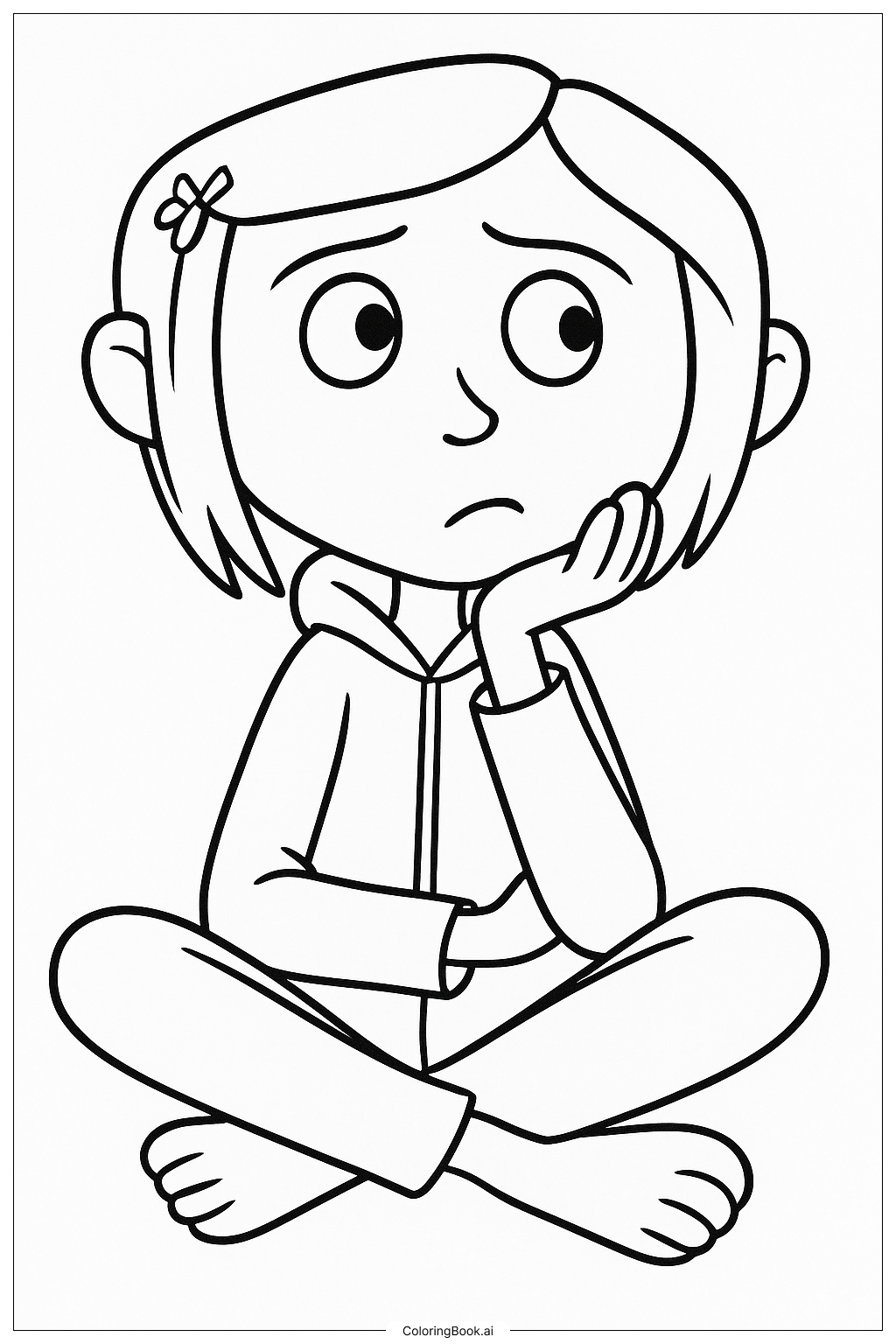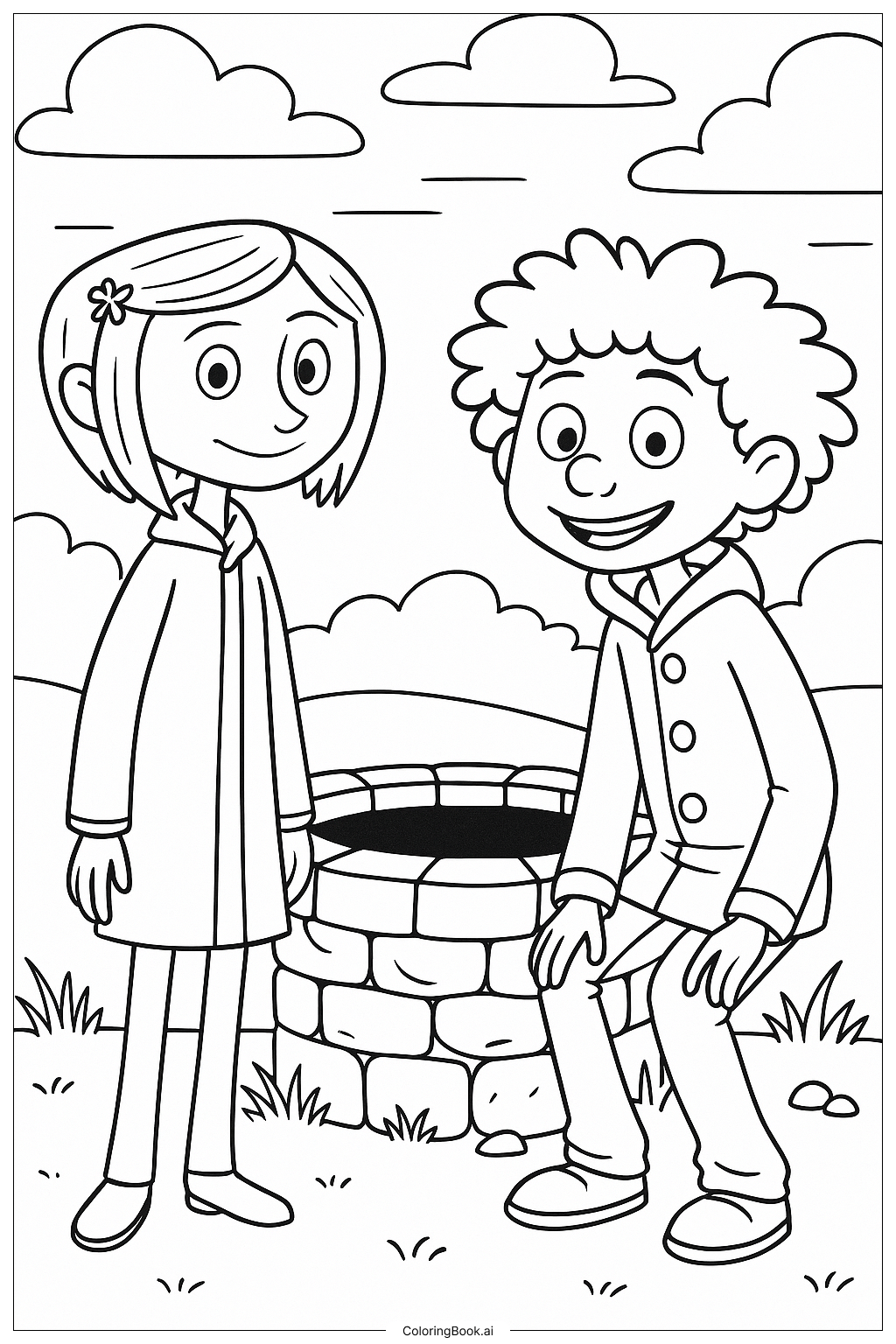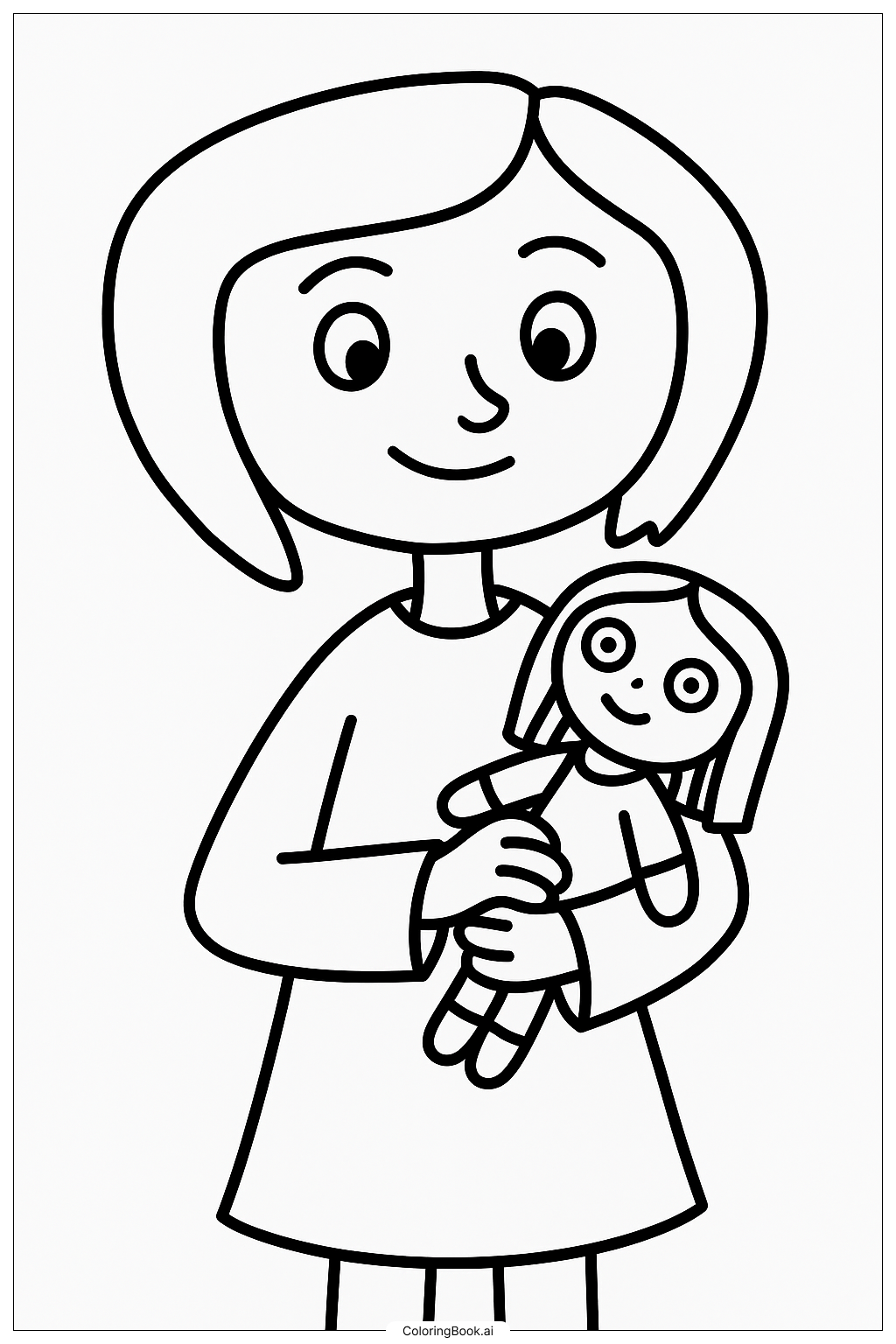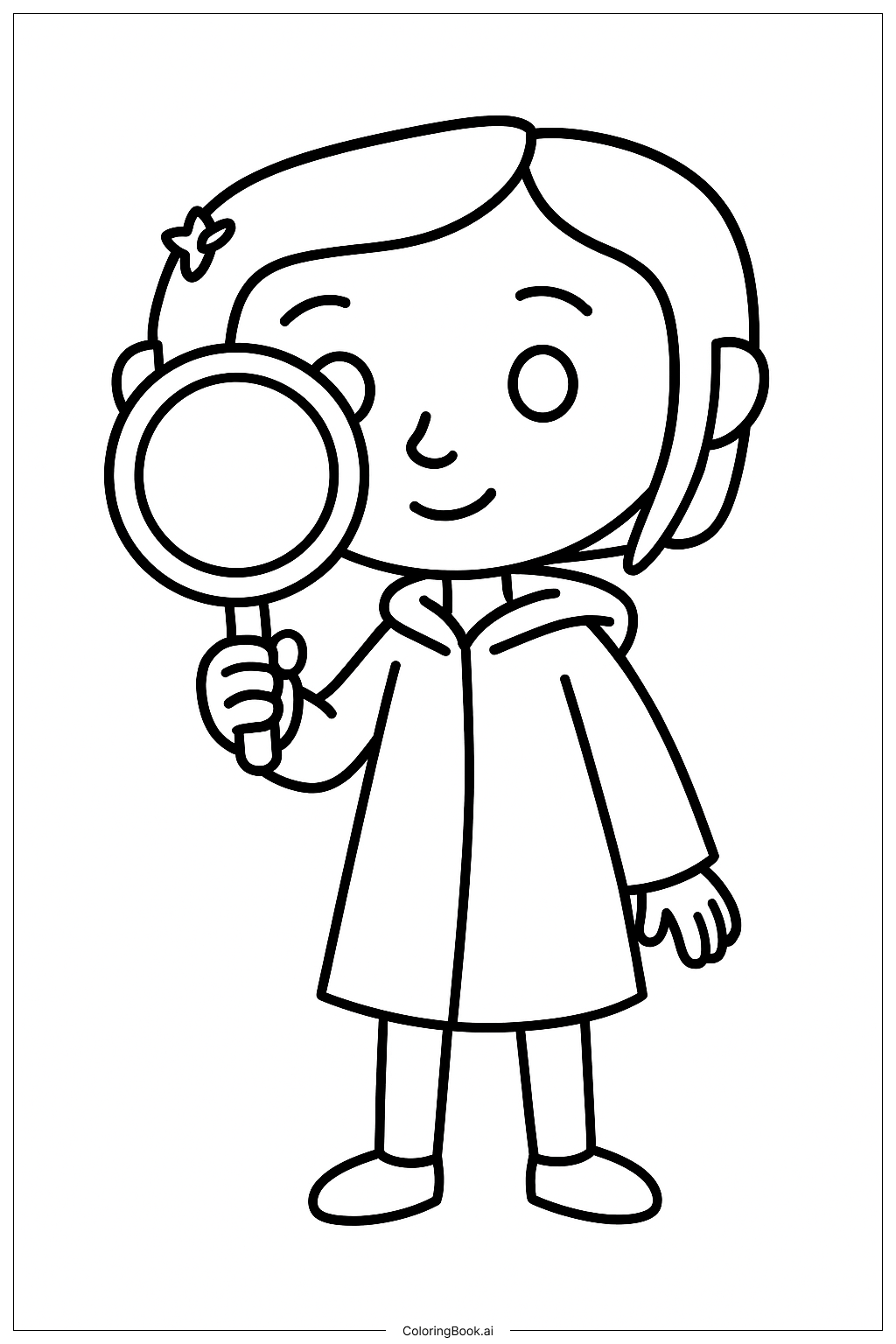
Coloring tips: How to color Coraline With A Magnifying Glass coloring page well?
Start with Coraline's hair. Use a rich, deep blue or teal. This makes her stand out right away. For her rain jacket, go with a bright, sunny yellow. It contrasts beautifully with her blue hair. Use a warm skin tone for her face and hands. Her boots can match her jacket in yellow or go darker for variety. The magnifying glass frame looks great in silver, gold, or a warm brown. Color the lens in a light, glassy blue or pale grey to give it a shiny look. Add a slightly darker shade around the edge of the lens to create depth. For the background details, use earthy greens and browns if there are plants or nature elements. Keep the overall palette vibrant but balanced. Coraline's world is magical, so don't be afraid to mix unexpected colors. Use darker shades for shadows under her chin, around her jacket folds, and near her boots. This gives the image a three-dimensional feel. Have fun and let your imagination guide your color choices — just like Coraline would!
Coloring challenges: Which parts are difficult to color and need attention for Coraline With A Magnifying Glass coloring page?
• Hair and Lens Overlap: Coraline's blue hair and the round magnifying glass lens are close together in the composition. Coloring them without the shades bleeding into each other requires careful attention to borders. Use a fine-tipped tool to outline each section before filling it in. This keeps the blue hair and the lighter lens clearly separated and visually distinct.
• Magnifying Glass Details: The magnifying glass has a curved frame and a handle with small structural details. These narrow areas are tricky to color neatly. A thin brush or a sharp colored pencil works best here. Take your time with the rim and the grip area to keep the metallic or wooden texture looking clean and realistic.
• Jacket Folds and Wrinkles: Coraline's rain jacket has natural folds and creases that create light and shadow across the fabric. Simply coloring it one flat yellow will make it look dull. Try using two or three shades of yellow — a mid-tone for the base, a lighter tone for highlighted areas, and a slightly orange or dark yellow for the shadows in the folds.
• Facial Expression and Skin Tones: Her face is small but expressive. Coloring the subtle features like her eyes, nose, and the curve of her mouth requires precision. Use a light base skin tone and layer slightly darker shades near the nose sides and under the chin. The eyes deserve special care — a steady hand keeps them looking sharp and lively.
• Background Elements: Small background details like leaves, patterns, or objects can be easy to overlook but make a big difference in the final image. Choose colors that complement the main figure without competing with it. Soft, muted greens or browns work well to keep Coraline as the clear focal point.
Benefits of coloring books: Advantages of drawing Coraline With A Magnifying Glass coloring page
Coloring this image of Coraline with a magnifying glass brings a wonderful mix of fun and learning. Coraline is a beloved character known for her bravery and curiosity, and bringing her to life through color helps children connect with those same qualities in themselves.
For younger kids, focusing on recognizable shapes like her round magnifying glass, bright jacket, and bold hair makes coloring accessible and rewarding. Completing the image builds confidence and a sense of accomplishment.
For older kids and teens, the more detailed elements — the lens, jacket folds, and expressive face — offer a satisfying challenge. Thinking through color choices, shading, and contrast develops artistic skills and encourages creative problem-solving.
Coloring also supports focus and patience. Spending time on a detailed image trains the brain to slow down and concentrate, which is a healthy habit for kids of all ages. It can be a calming activity after a busy day.
There is also a storytelling element here. Coraline is mid-discovery, magnifying glass in hand. Children can imagine what she has found and let that story inspire their color choices. This sparks imagination and narrative thinking.
Sharing the finished page with family or friends adds a social element too. It's a simple way to feel proud of something made by hand — and that pride is worth a lot.