Coloring tips: How to color Chase Paw Patrol Standing coloring page well?
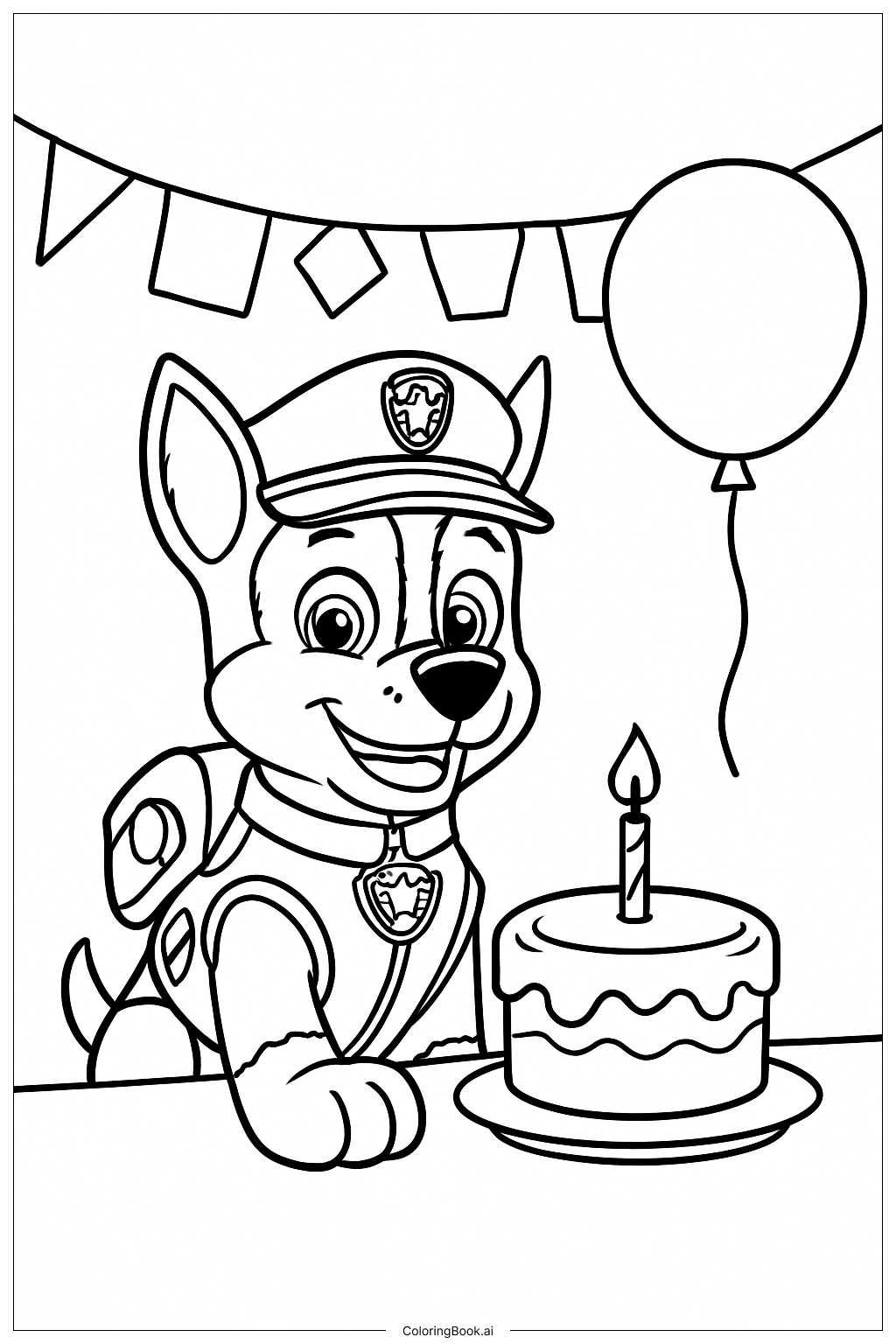
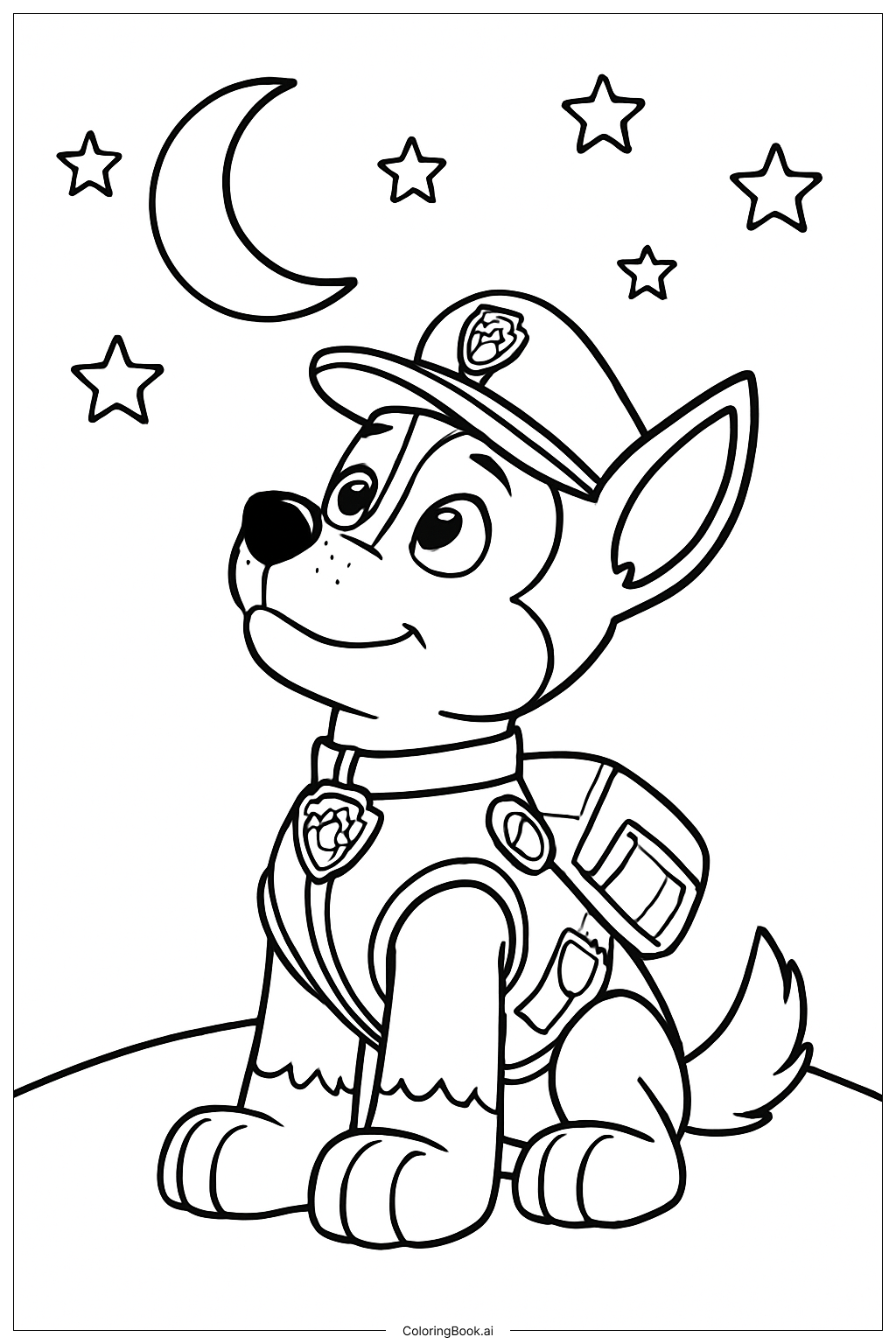
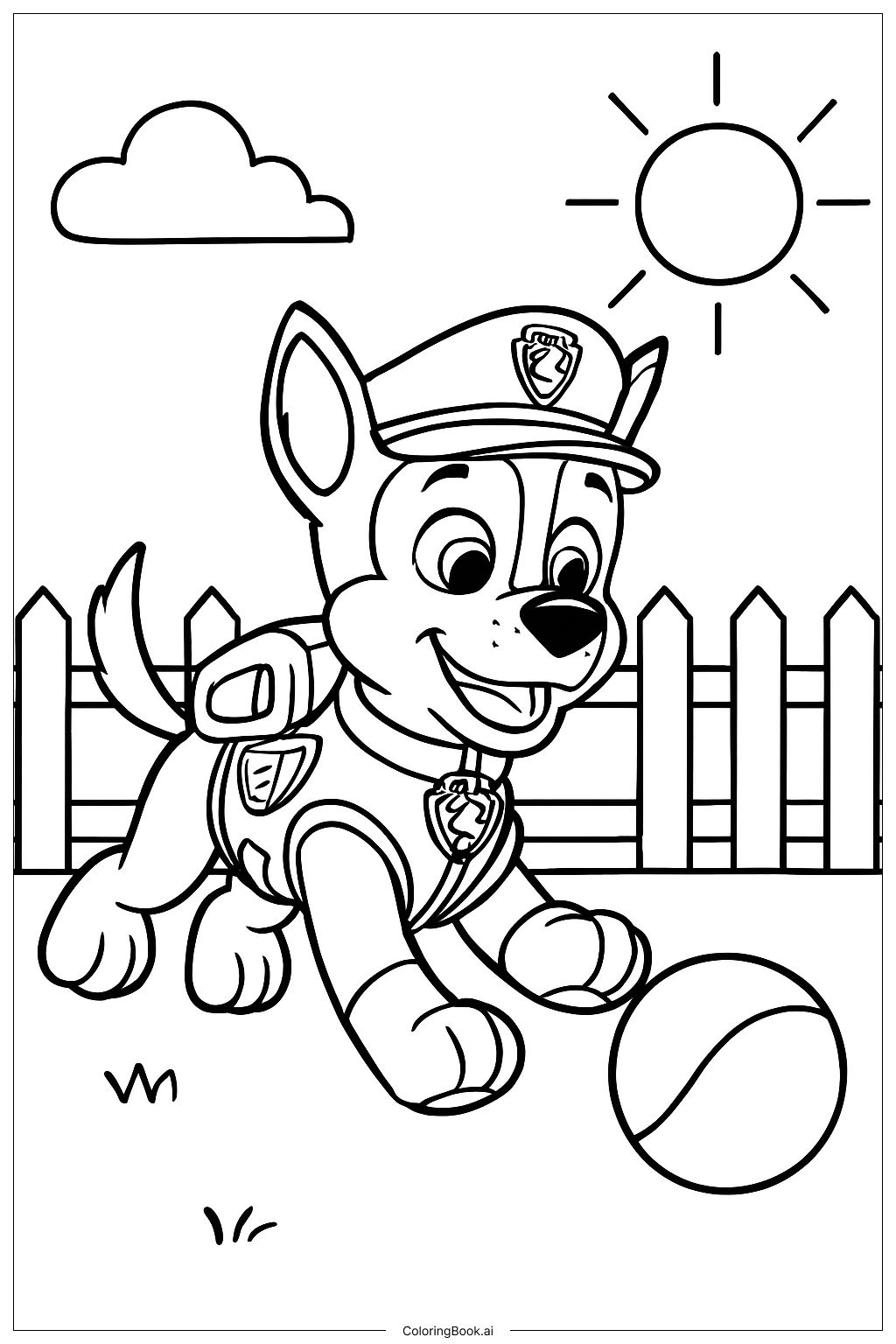
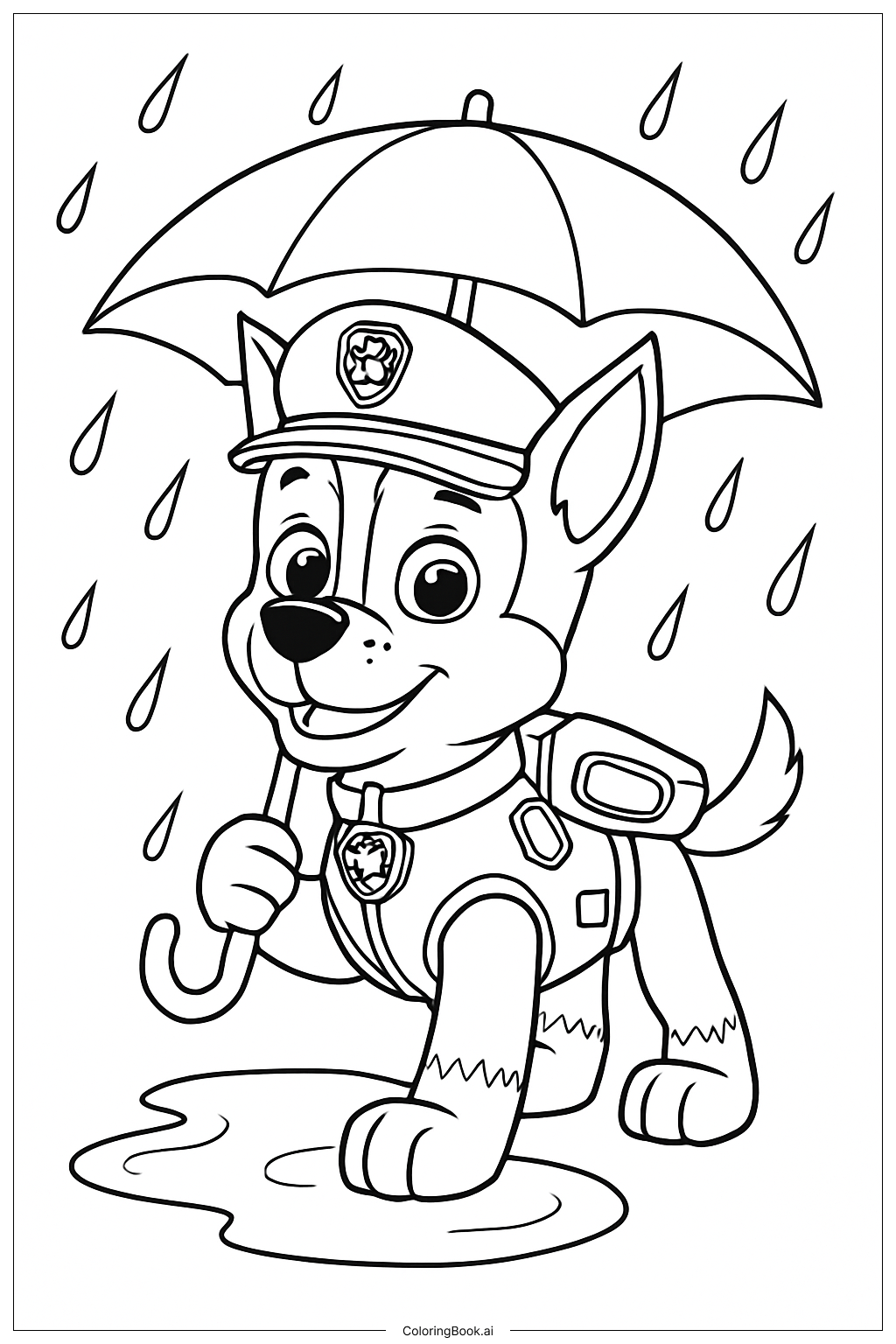
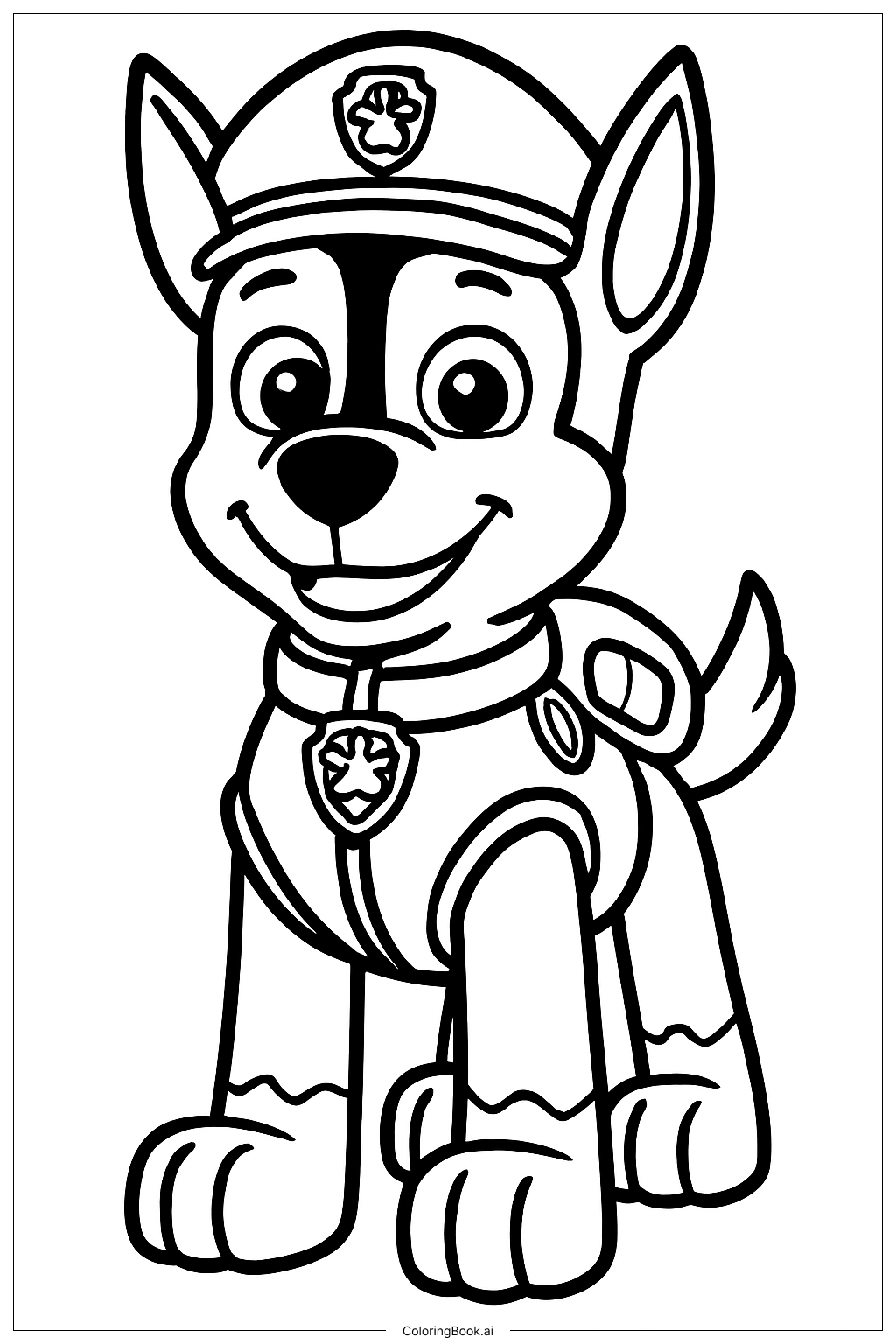
For filling in this coloring page, children can use a mix of blue and yellow for Chase's police uniform. The blue represents his official look, while yellow adds a cheerful touch. His cap can be colored blue with a yellow badge, making it pop. Children can also use shades of brown and black for his fur, giving him a natural and cute appearance. Adding bright colors for the background can make the page lively; think of sunny skies or vibrant parks. Encourage little artists to get creative with their color choices!
Coloring challenges: Which parts are difficult to color and need attention for Chase Paw Patrol Standing coloring page?
1. **Small Details**: Chase’s badge and the logo on his cap may have intricate designs, making it tricky for younger kids to color inside the lines. Parents can help by guiding them on how to color small areas.
2. **Color Blending**: Some kids may want to create shadows or highlights on Chase's fur. Mixing browns, blacks, and beiges can be a challenge if they're not familiar with color blending techniques.
3. **Choosing Colors**: Children might be tempted to use unrealistic colors for Chase (like pink or purple). Helping them understand the traditional colors of police dogs can enhance their learning experience.
4. **Attention Span**: Young artists may lose focus while working on intricate details, particularly in the uniform. Parents can encourage breaks to keep them engaged.
Benefits of coloring books: Advantages of drawing Chase Paw Patrol Standing coloring page
Coloring this image of Chase offers many benefits for children. First, it helps improve fine motor skills and enhances coordination as they maneuver coloring tools. Second, selecting colors allows kids to express their creativity and develop their artistic sense. Working on a character they love makes the experience enjoyable and engaging. Additionally, coloring can be a soothing activity, helping to reduce stress and anxiety. It encourages focus and patience, as kids learn to complete a project. Overall, coloring provides both educational and emotional benefits.