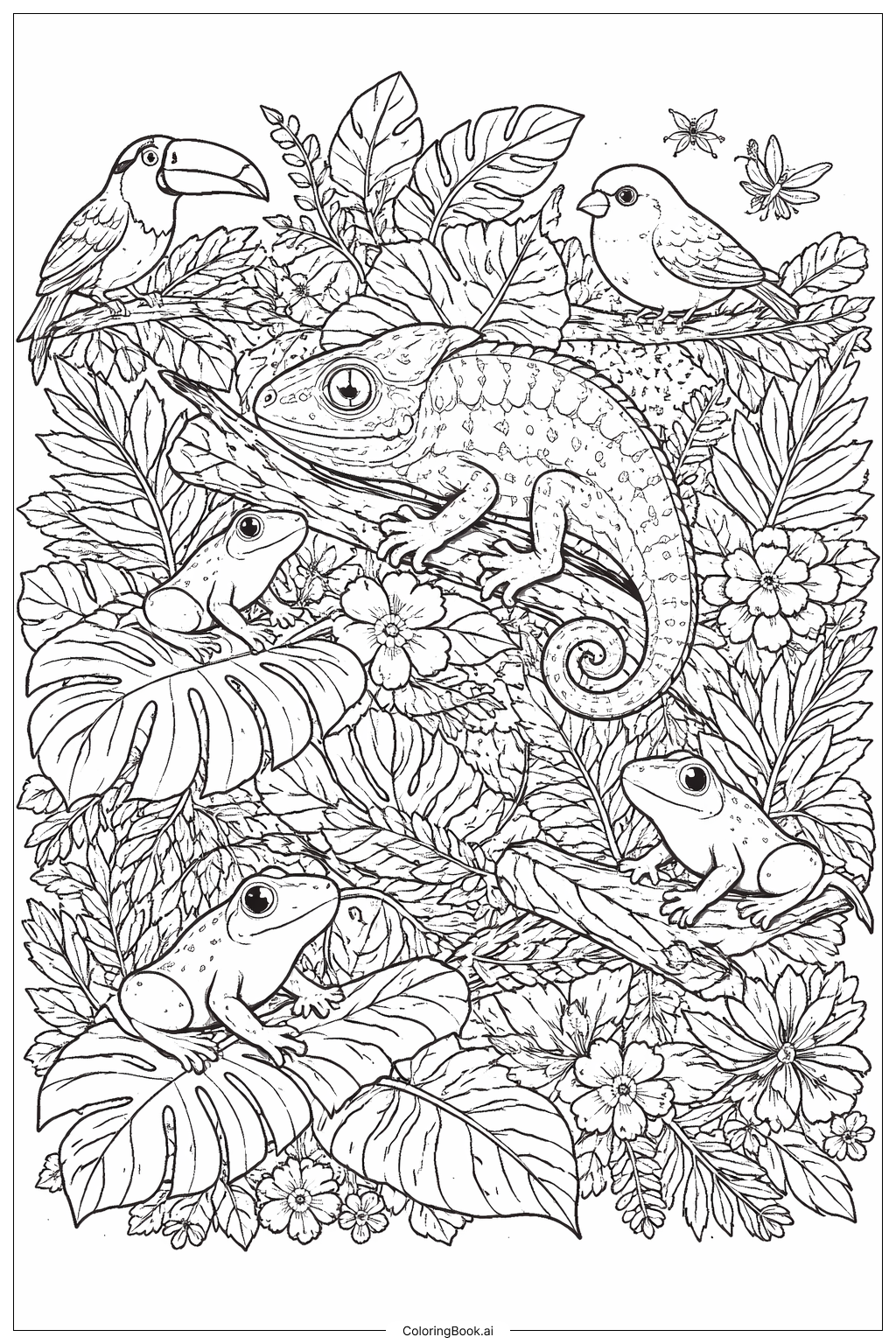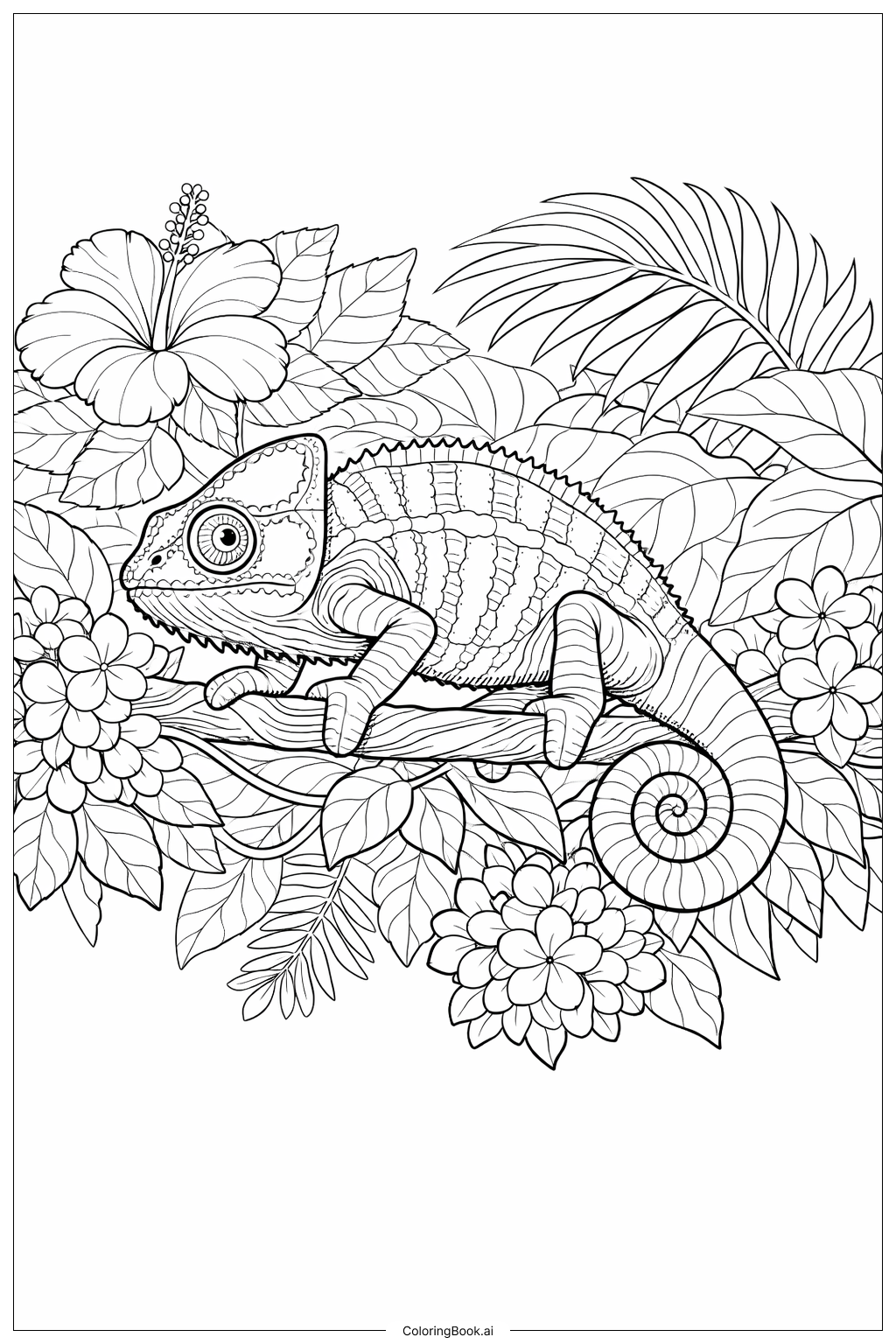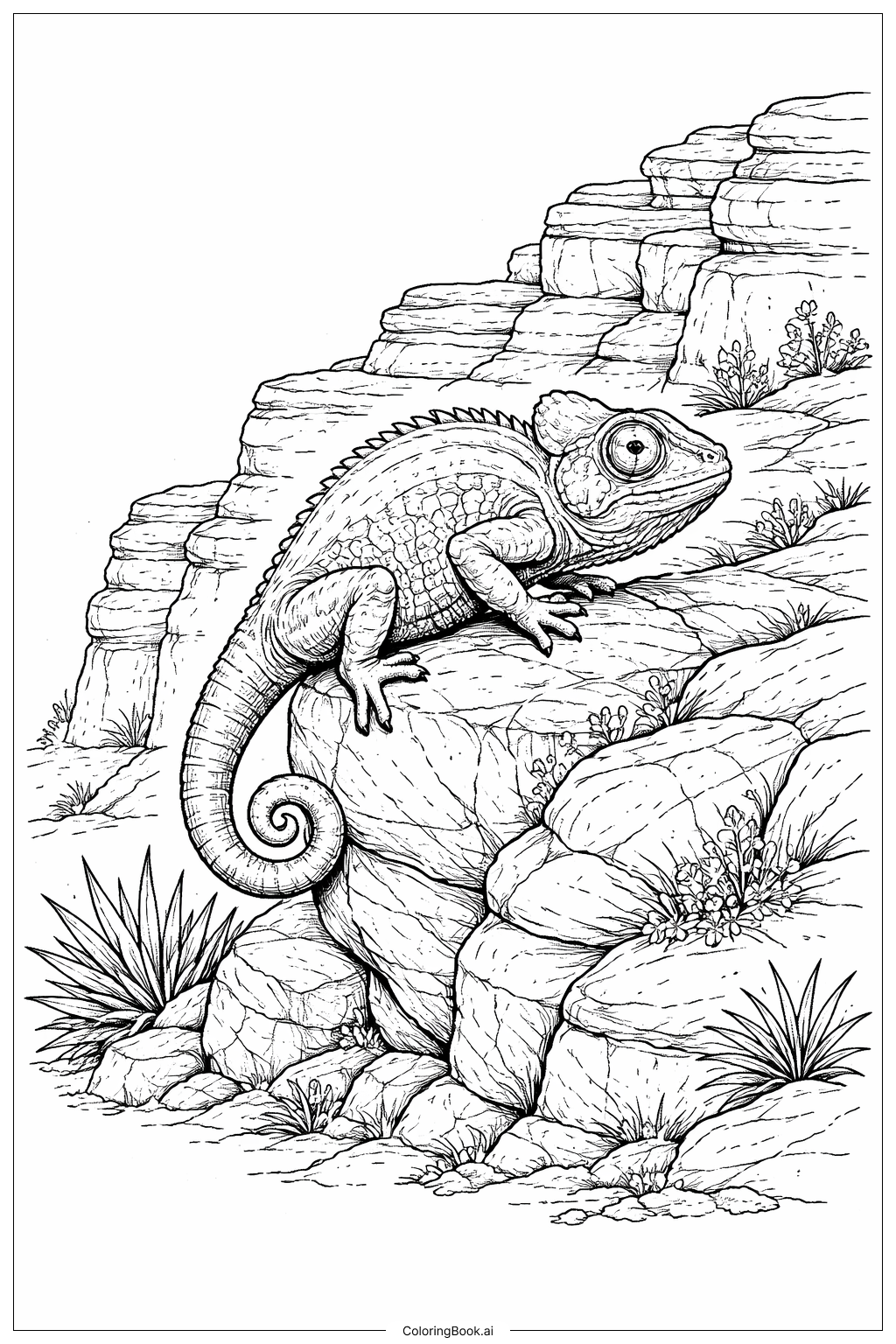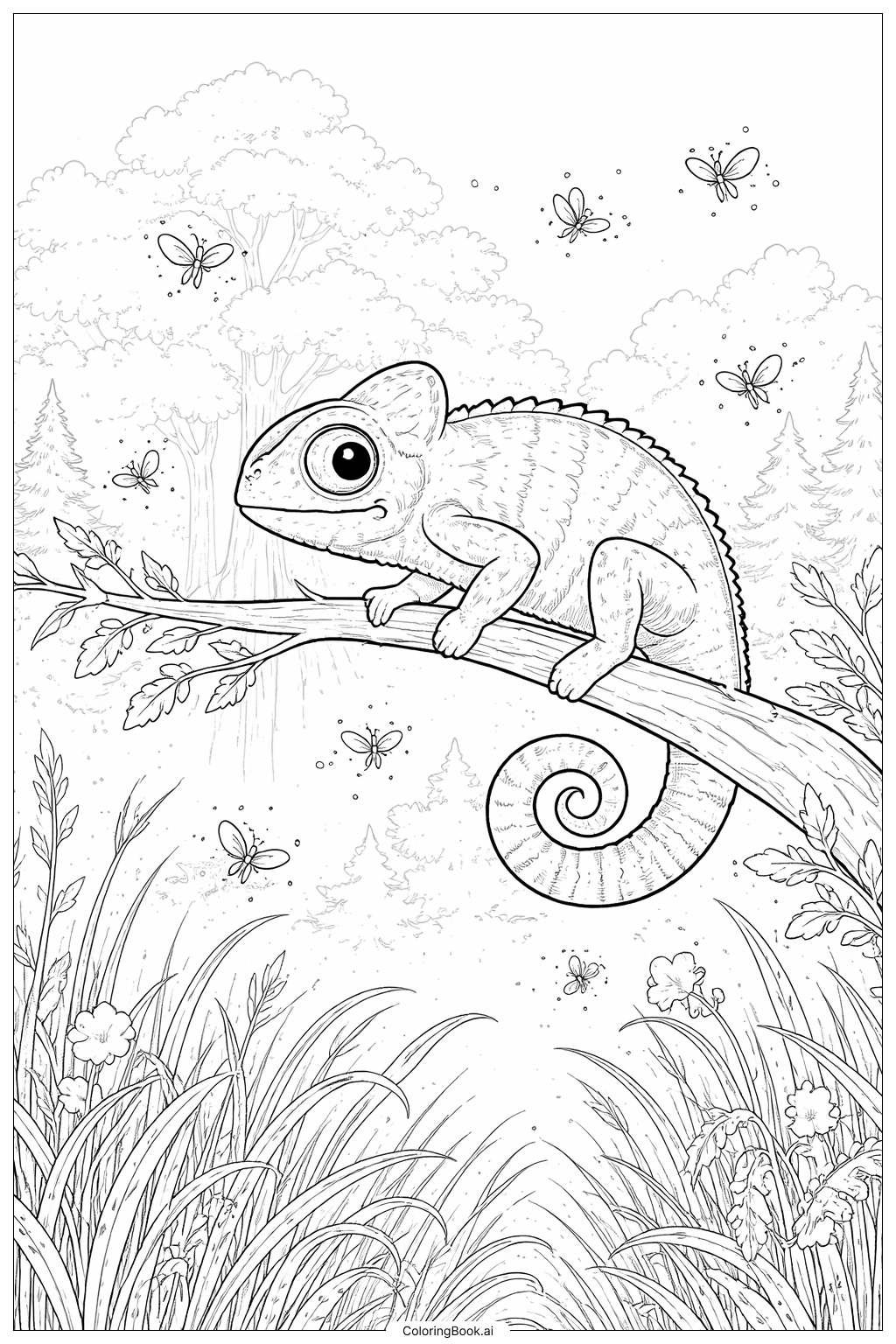
Coloring tips: How to color Sleeping Baby Chameleon coloring page well?
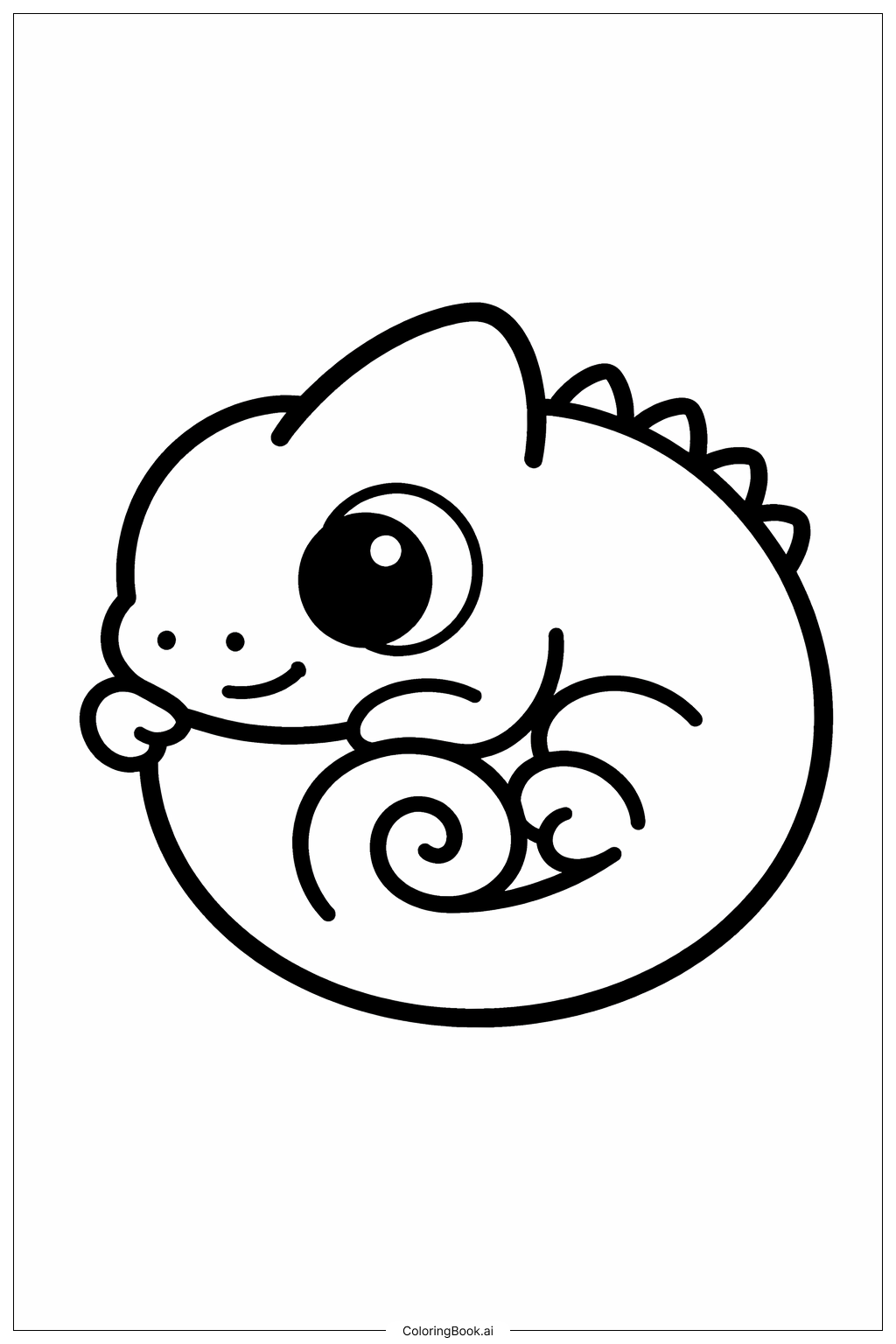
Use soft and warm colors like light greens, yellows, and pastel shades to color the baby chameleon. You can use darker greens or browns for the spikes on its back to create contrast. The big eyes can be colored black with a little white dot left for shine, or you can add blue or brown to make them stand out. The background can be left plain white or filled with gentle sky blues or leafy greens to make the chameleon pop. Try to use smooth, even strokes to keep the coloring neat and soft.
Coloring challenges: Which parts are difficult to color and need attention for Sleeping Baby Chameleon coloring page?
1. The small details like the tiny feet and spikes on the back may be hard to color without going outside the lines. Take your time and use smaller brushes or crayons. 2. The curled tail has a spiral shape that might be tricky to color evenly. Careful coloring inside the lines will help keep it clean. 3. Balancing light and dark colors to create depth on such a small chameleon can be challenging for beginners. 4. Keeping the big eye shiny and bright might require leaving some space uncolored for reflection. 5. Coloring evenly inside all the curved lines without overlapping can test hand control and patience.
Benefits of coloring books: Advantages of drawing Sleeping Baby Chameleon coloring page
Coloring this baby chameleon helps develop fine motor skills by requiring careful control to stay inside the lines, especially on small details. It also encourages creativity in choosing colors that make the chameleon look lively and realistic. The simple shape is relaxing to color and can build confidence in young artists. This activity can improve focus and patience, teaching children how to finish a picture step by step. Plus, coloring animals like chameleons introduces kids to nature in a fun and engaging way.