Coloring tips: How to color Chameleon With Button Eye coloring page well?
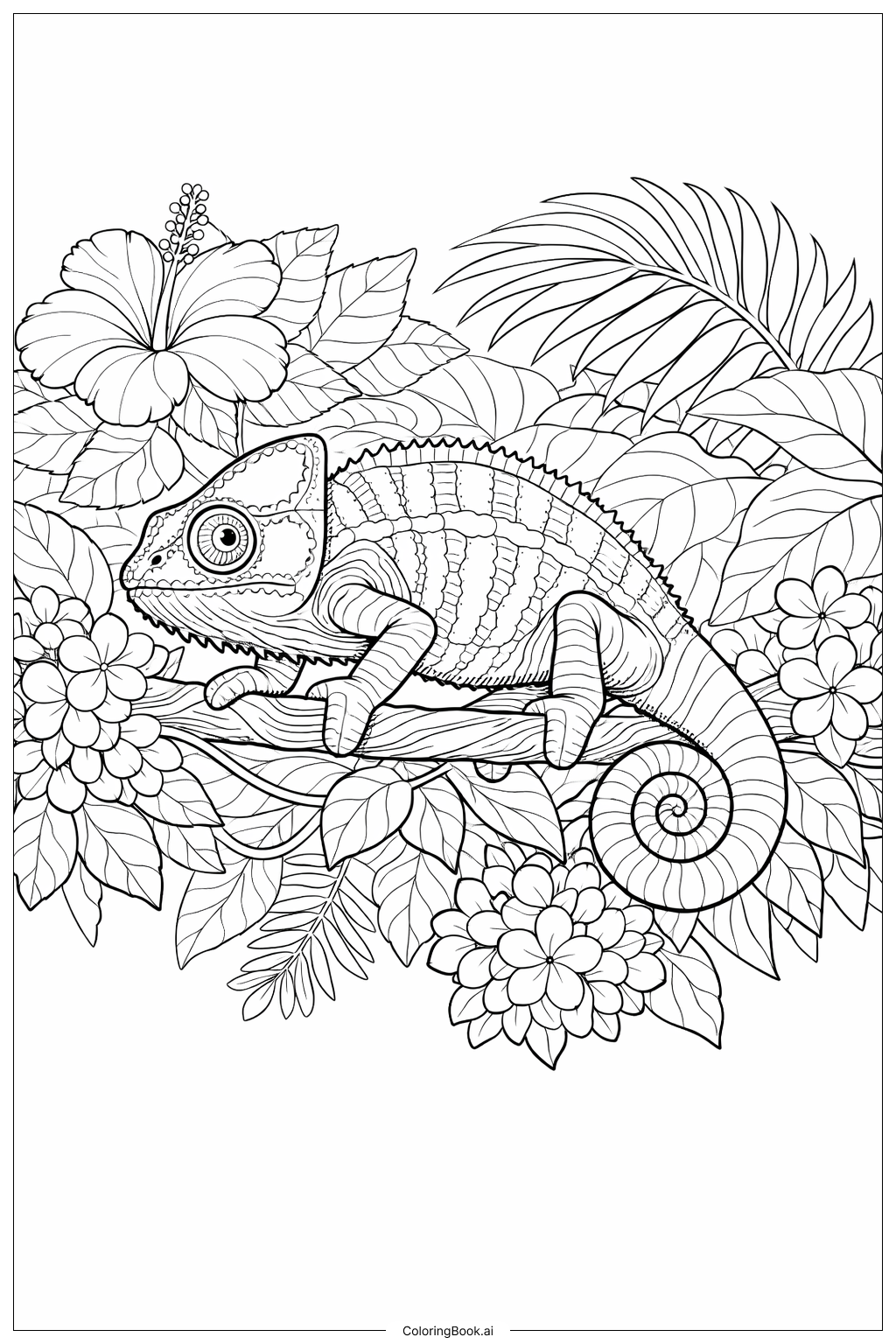
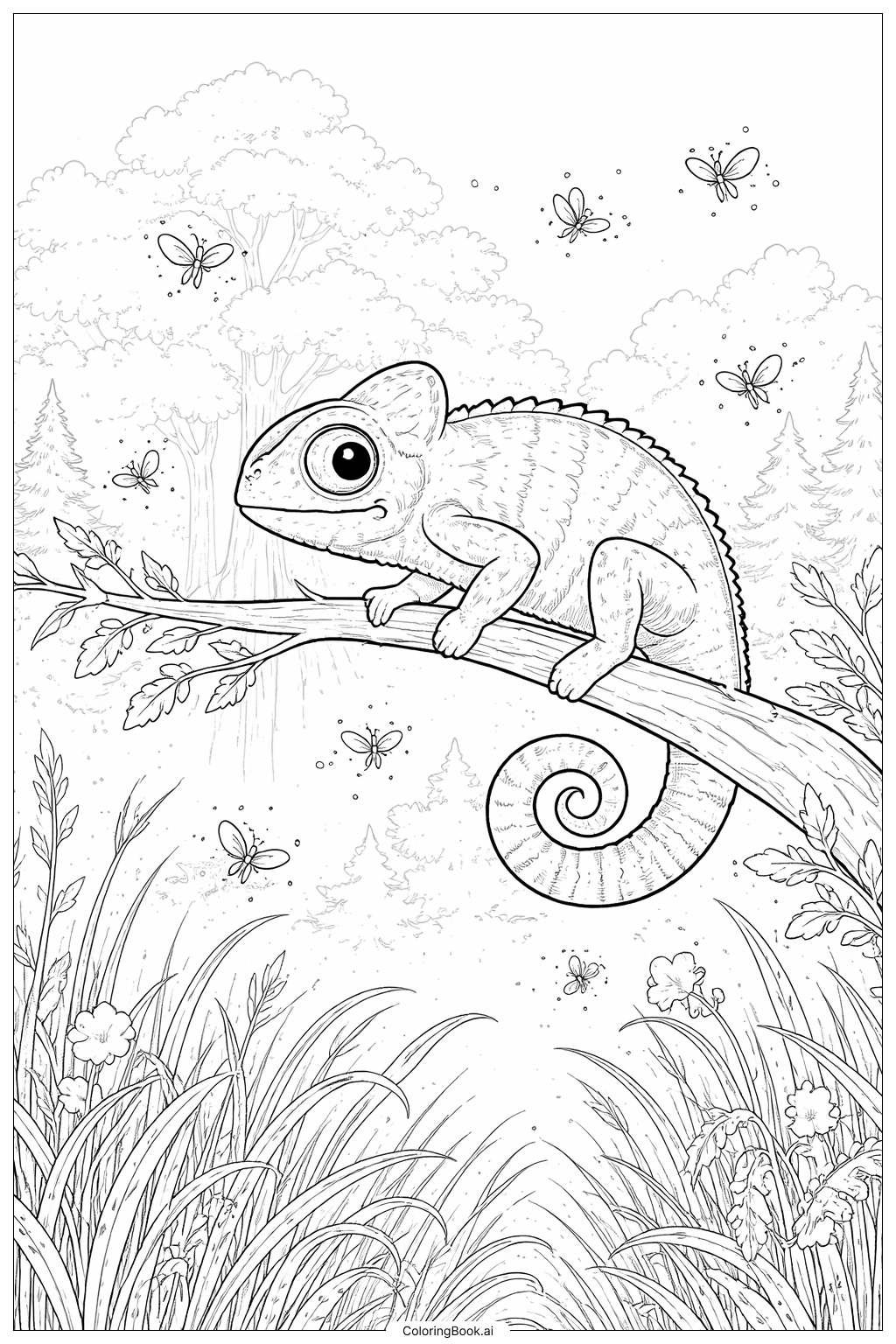
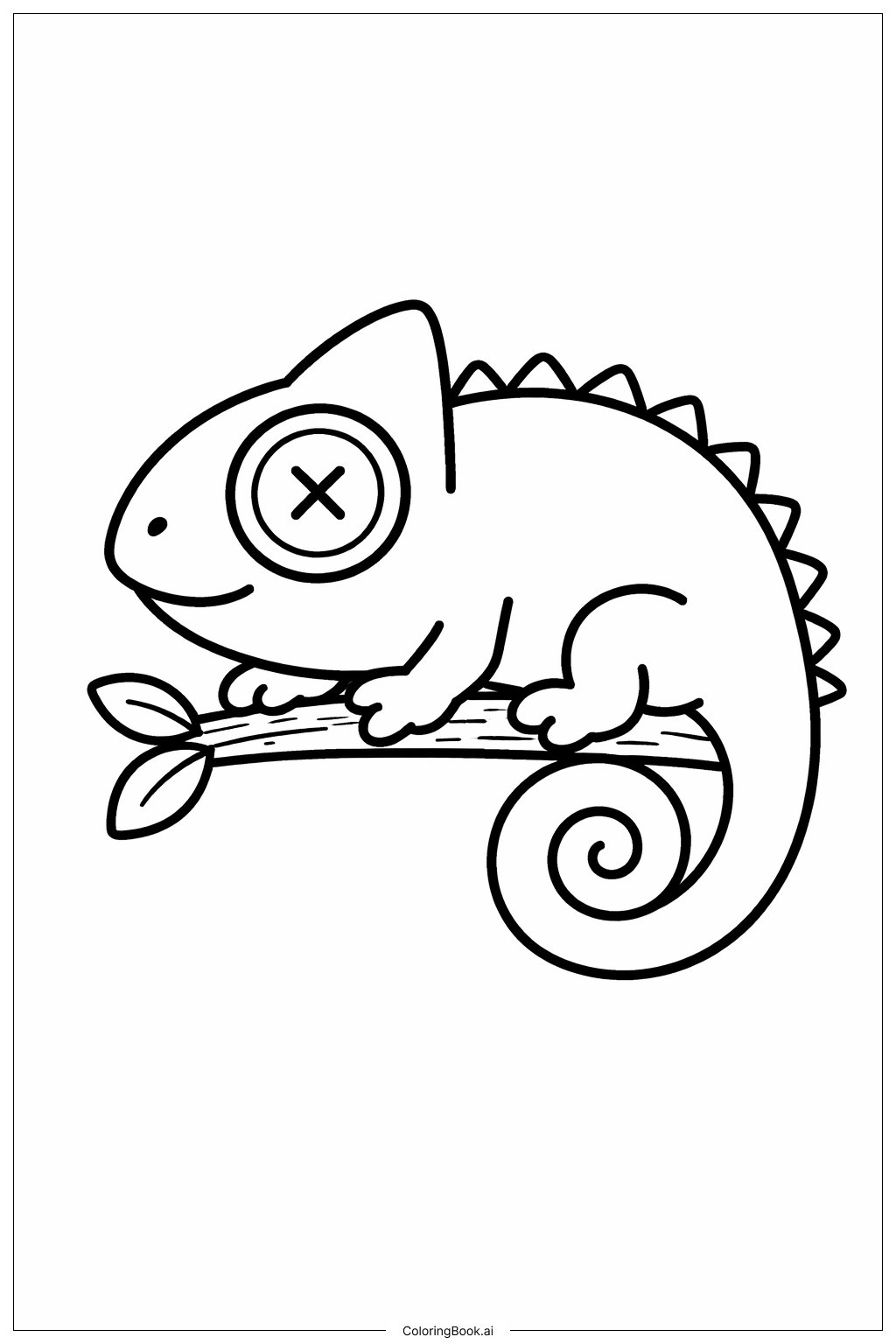
Start with the chameleon's body and pick colors that feel fun and imaginative. Since chameleons are famous for changing colors, you are free to use any shades you love. Try greens, blues, purples, or even pinks! Use a light base color first, then add a slightly darker shade on the edges of each scale to make the body look round and full of life. For the button eye, use two contrasting colors, one for the button base and one for the stitching lines, to make it stand out. A warm color like yellow or red works great for the button. Color the branch in earthy tones like brown or tan to contrast nicely with the colorful chameleon. Use slow, careful strokes in small areas like the tail tip and the eye to keep things neat. If you have colored pencils, try blending two colors together on the scales for a magical, glowing effect. Have fun and be bold with your color choices!
Coloring challenges: Which parts are difficult to color and need attention for Chameleon With Button Eye coloring page?
• Button Eye Detail: The chameleon's button eye is one of the trickiest parts to color. It has small circular sections and stitching lines that require a very fine-tipped coloring tool. Staying neat inside such a tiny area takes patience and a steady hand. Rushing this section can make the eye look messy and lose its charming, handcrafted feel.
• Scale Patterns: The chameleon's body is covered in overlapping scale textures. Each scale is a small, curved shape that needs careful shading to look three-dimensional. Coloring each one individually takes time, and keeping a consistent color flow across the whole body without smudging nearby scales is a real challenge, especially for younger colorists.
• Curled Tail: The chameleon's tail curves and spirals, creating segments that wrap around each other. Following the natural curve of the tail while maintaining color consistency throughout each coil is difficult. The tight spiral at the tip is especially small and easy to color outside of.
• Branch and Texture: The branch the chameleon sits on has its own wood grain texture and rough surface details. Coloring it realistically while keeping it visually separate from the chameleon's body requires careful color selection and controlled strokes to avoid blending the two elements together.
• Overall Color Balance: Because the chameleon is a color-changing animal, kids may want to use many colors at once. Balancing multiple colors across the body without making it look too busy or clashing is a creative challenge that requires planning and a thoughtful approach to color placement.
Benefits of coloring books: Advantages of drawing Chameleon With Button Eye coloring page
Coloring this Chameleon With Button Eye page offers wonderful benefits for children and young artists alike. It helps develop fine motor skills as kids practice staying within the lines and handling coloring tools with precision. The whimsical design sparks imagination and creativity, encouraging children to think outside the box when choosing colors. Since chameleons are known for changing colors, kids feel free to experiment boldly with any color combination they like. This freedom builds confidence and self-expression. The intricate patterns on the chameleon's body also improve focus and concentration, helping children practice patience. Completing the page gives a strong sense of achievement and pride. For older kids, it can be a relaxing and mindful activity that reduces stress. Overall, this fun and unique coloring page makes learning about nature enjoyable while nurturing artistic skills in a playful, pressure-free way.