Coloring tips: How to color Chameleon Wiggle coloring page well?
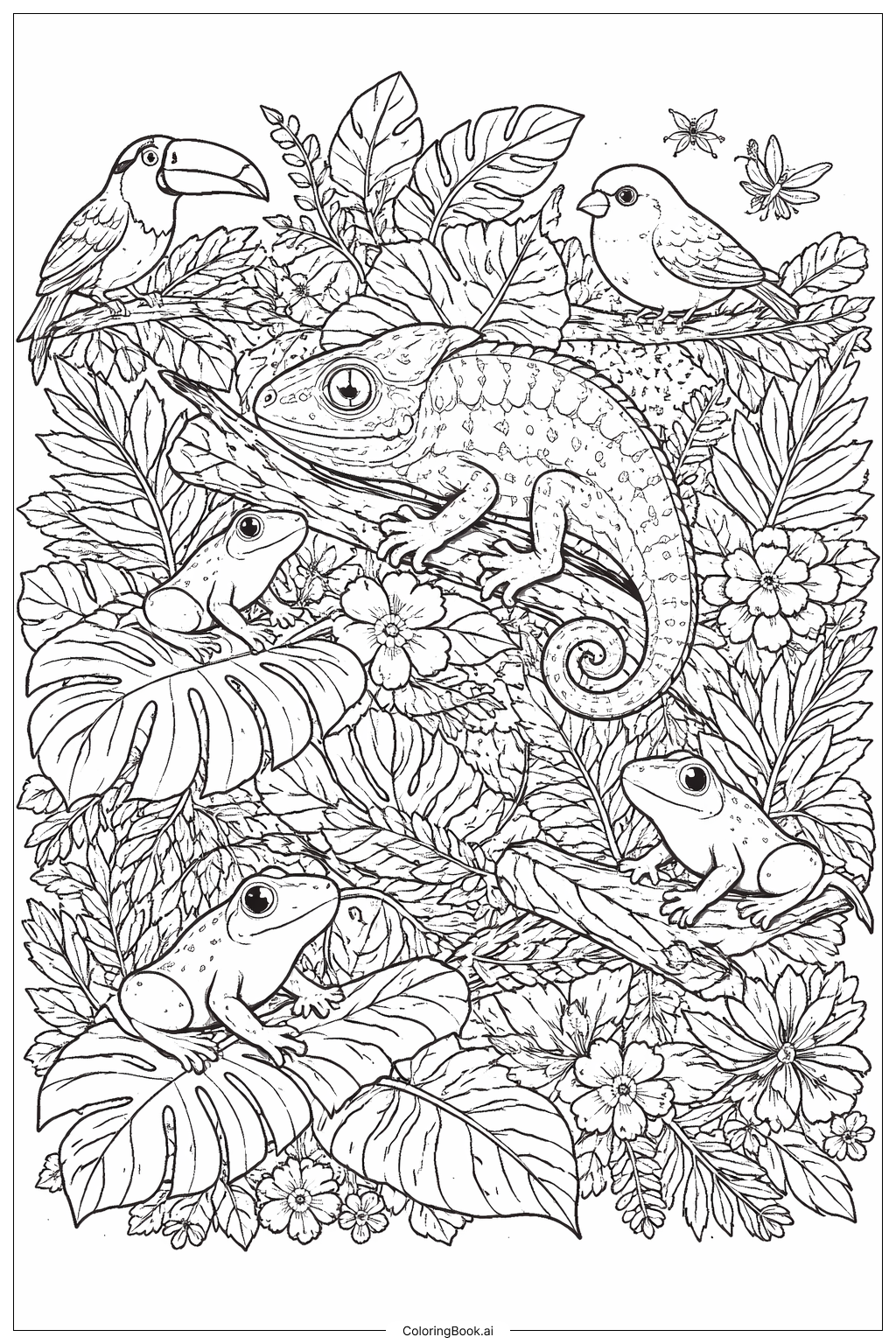
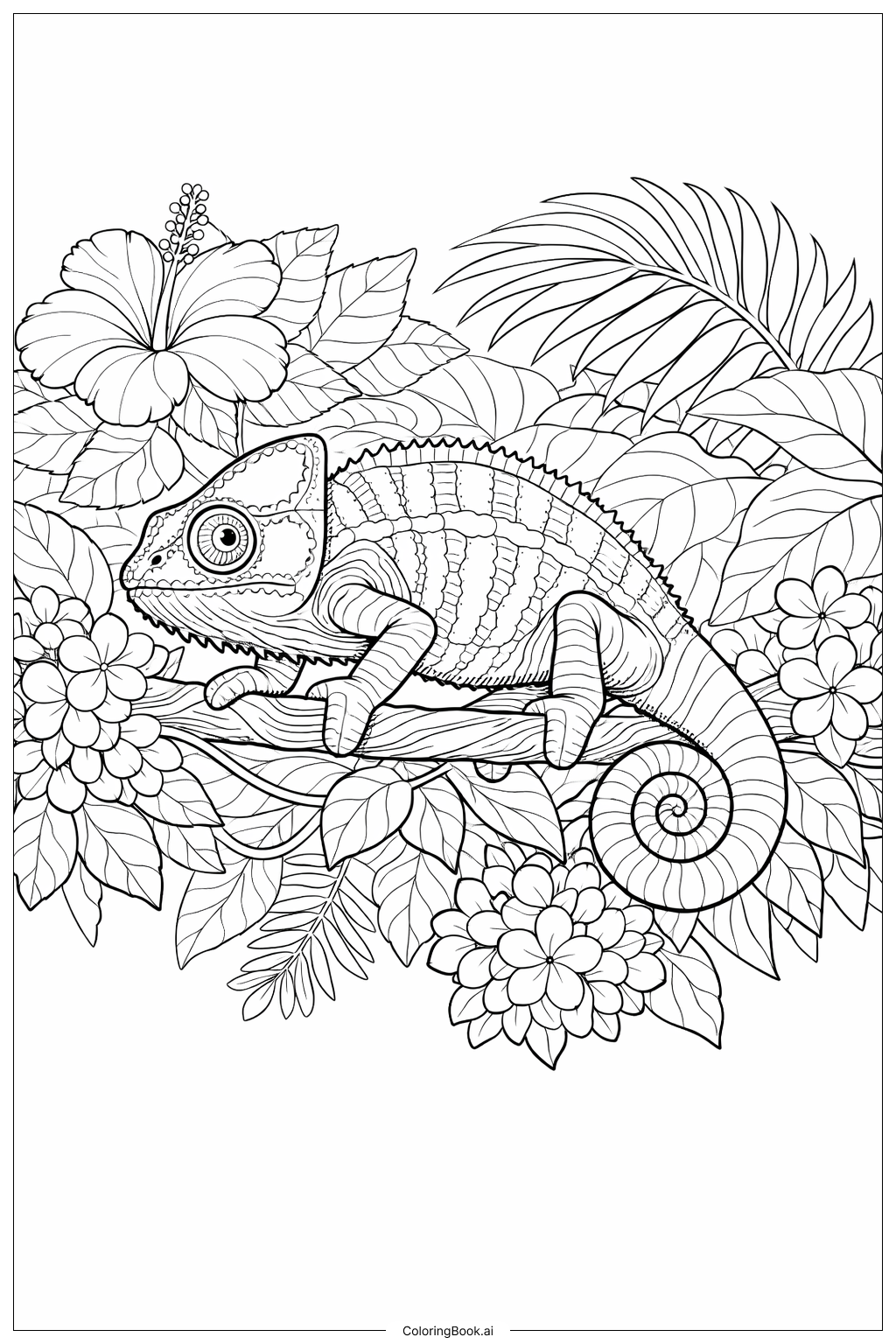
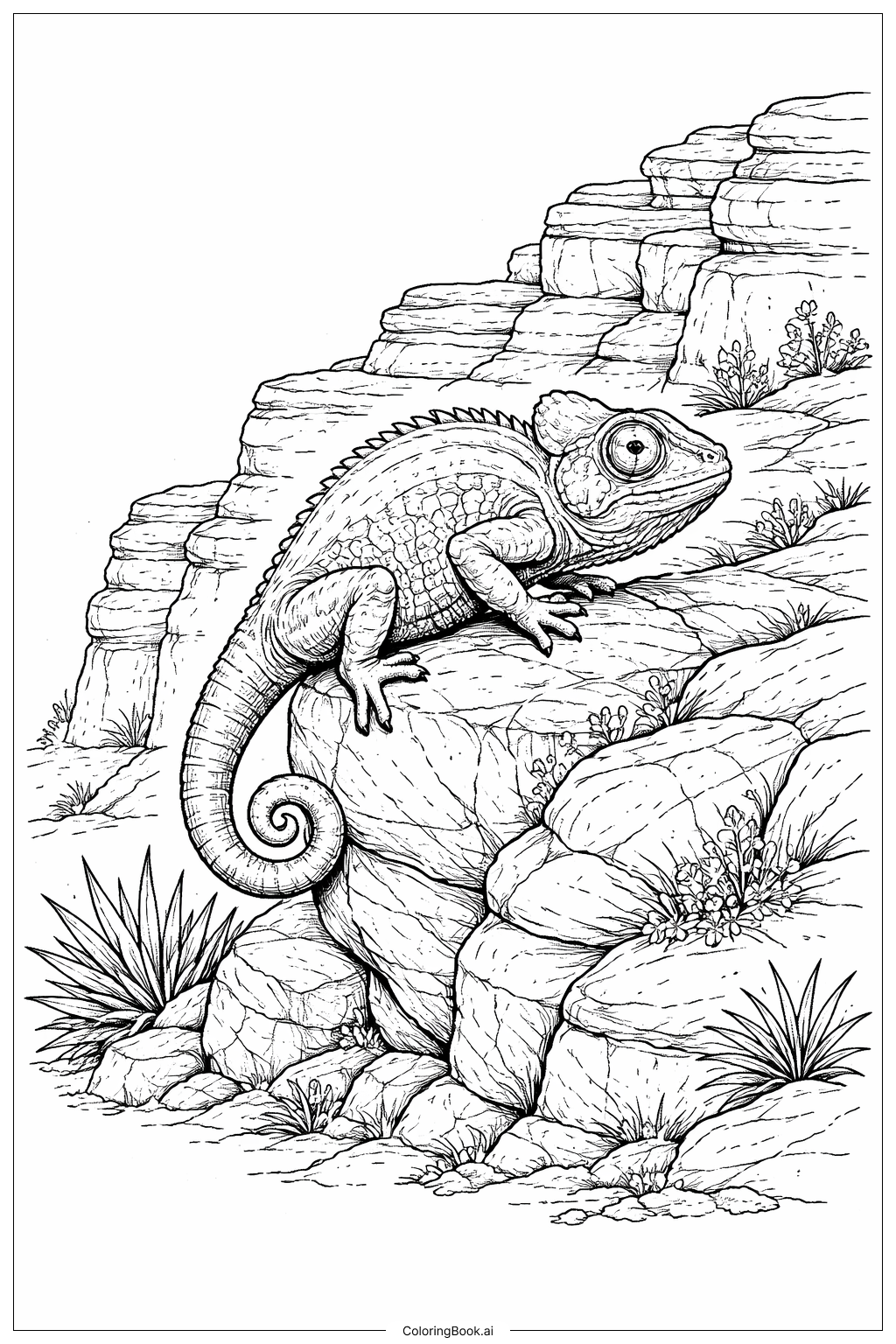
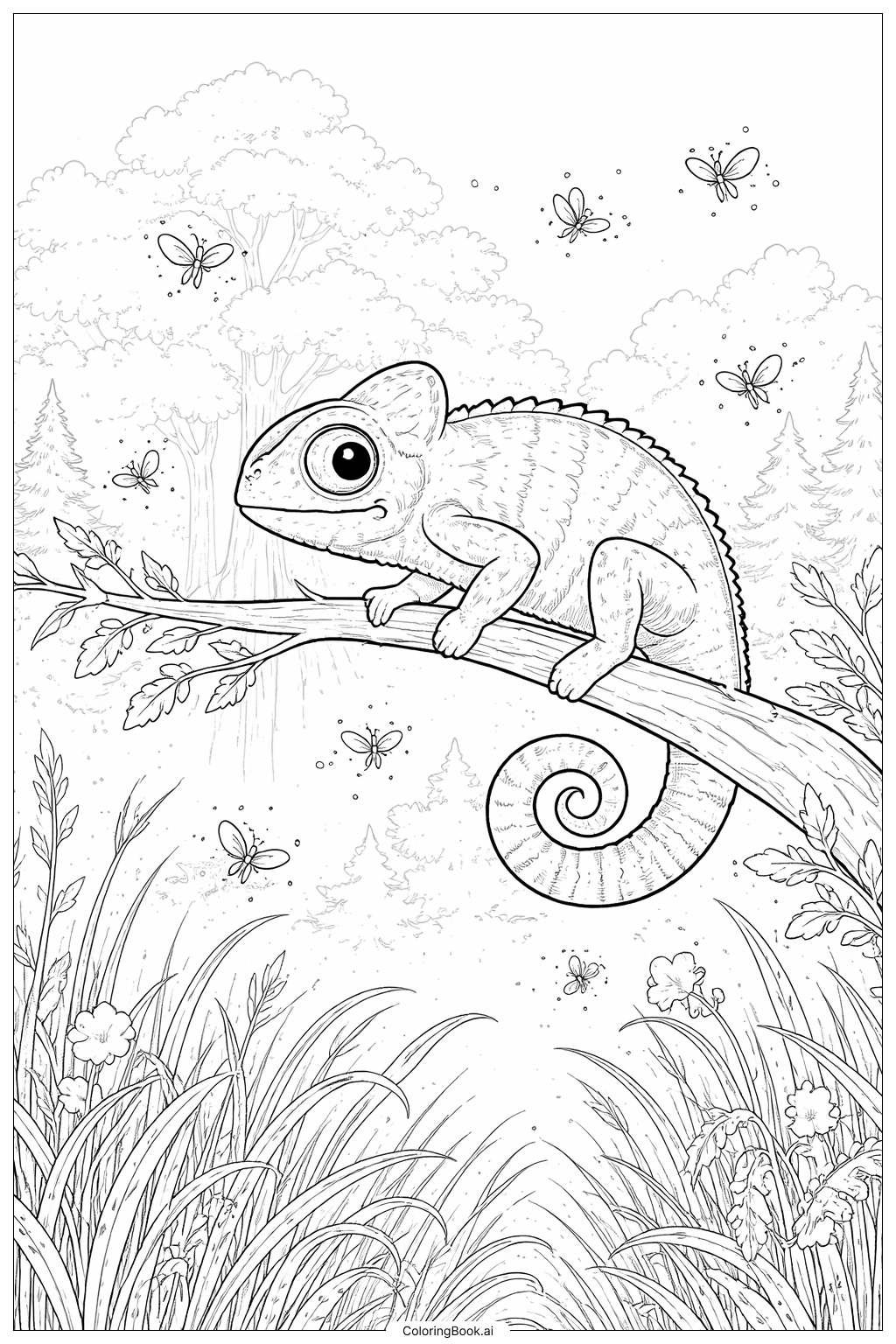
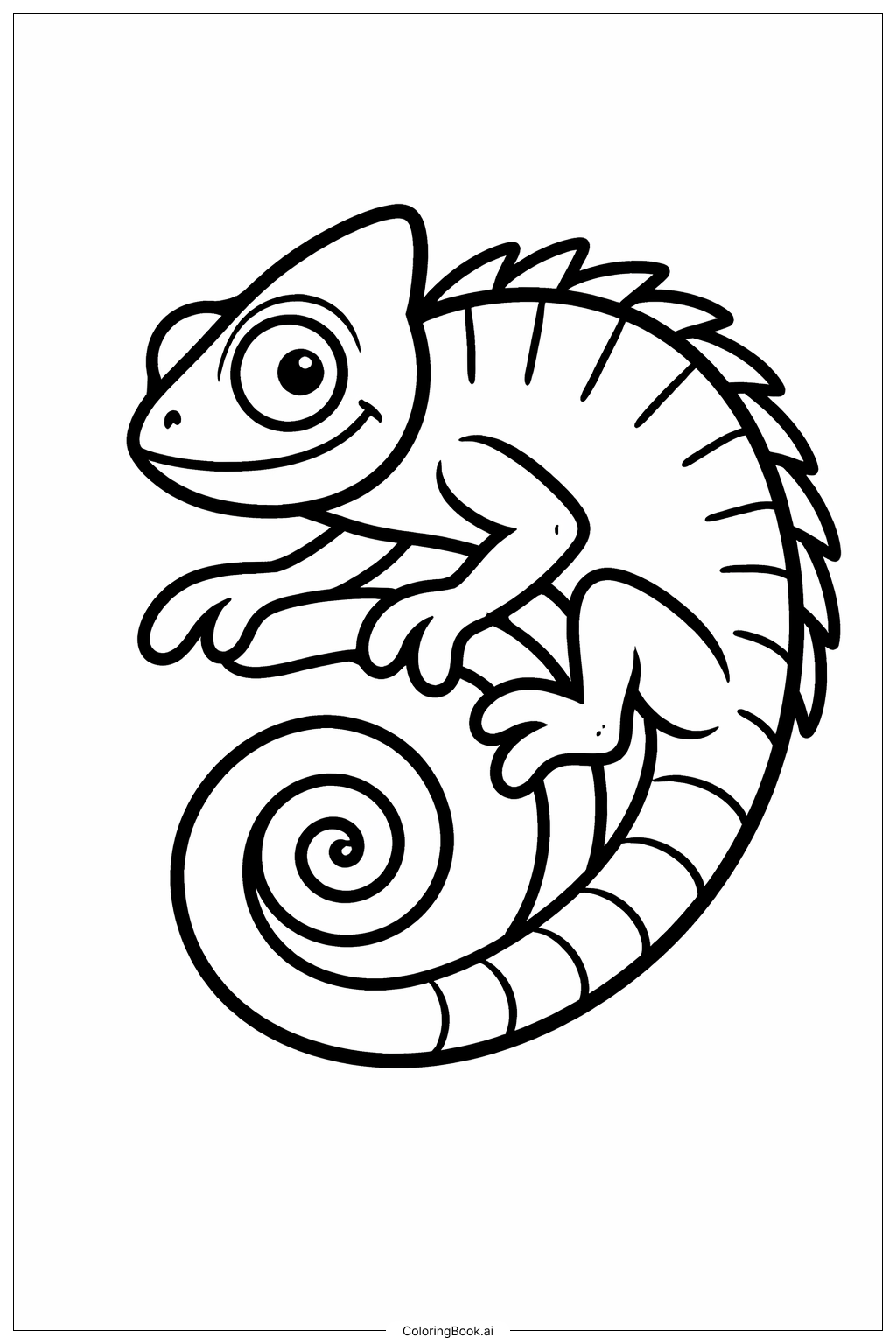
Use bright and lively colors to bring the chameleon to life. Try using green shades for the body because chameleons are usually green, but you can also add blues, yellows, or even purples for a creative touch. Color the stripes with contrasting colors to make them stand out. For the tail, try blending different shades to show its spiral shape. Don't forget to color the eyes with a shiny effect by leaving a white spot to show light reflection. The branch can be painted in browns or other earthy colors. Take your time and color carefully within the lines for the best result.
Coloring challenges: Which parts are difficult to color and need attention for Chameleon Wiggle coloring page?
1. Coloring inside the small, curved toes can be tricky because they are tiny and close to each other.
2. The spiral tail has thin lines separating sections; staying within these lines requires patience and control.
3. The spikes on the chameleon’s back need careful coloring to avoid mixing colors between the small spaces.
4. Adding shading or blending colors smoothly on the rounded body and tail can be difficult but creates a nicer look.
5. Keeping the eyes clean and shiny without coloring over the white highlight spots needs precision.
Benefits of coloring books: Advantages of drawing Chameleon Wiggle coloring page
Coloring this chameleon picture helps improve hand-eye coordination and fine motor skills, especially when coloring small details like toes and spikes. It also encourages creativity by allowing children to experiment with different color combinations and shading. The image promotes focus and patience as coloring within fine lines requires careful control. Additionally, coloring animals like chameleons can boost learning about nature and animal features in a fun way. Overall, the activity supports artistic expression and concentration for children aged 4 to 16.