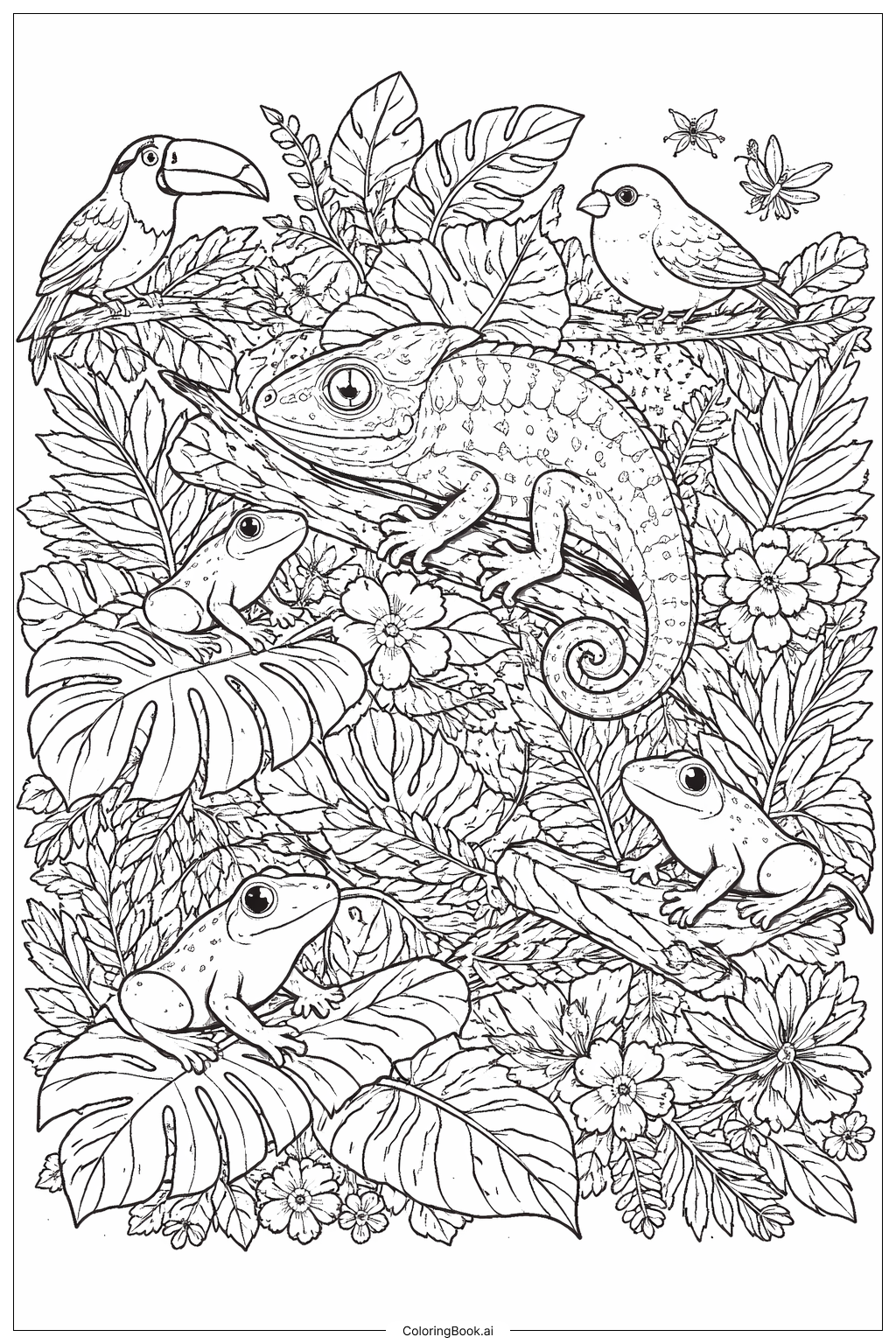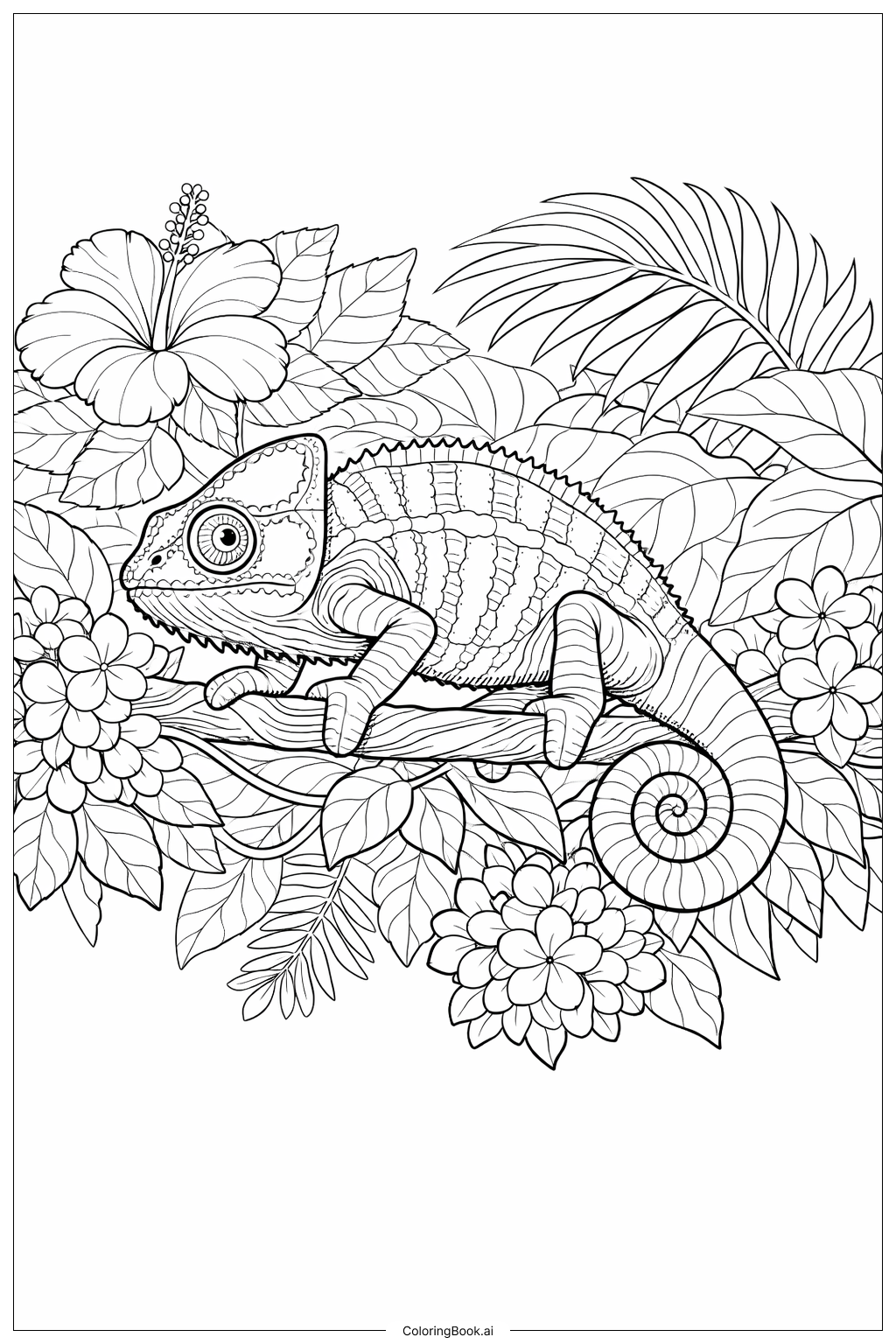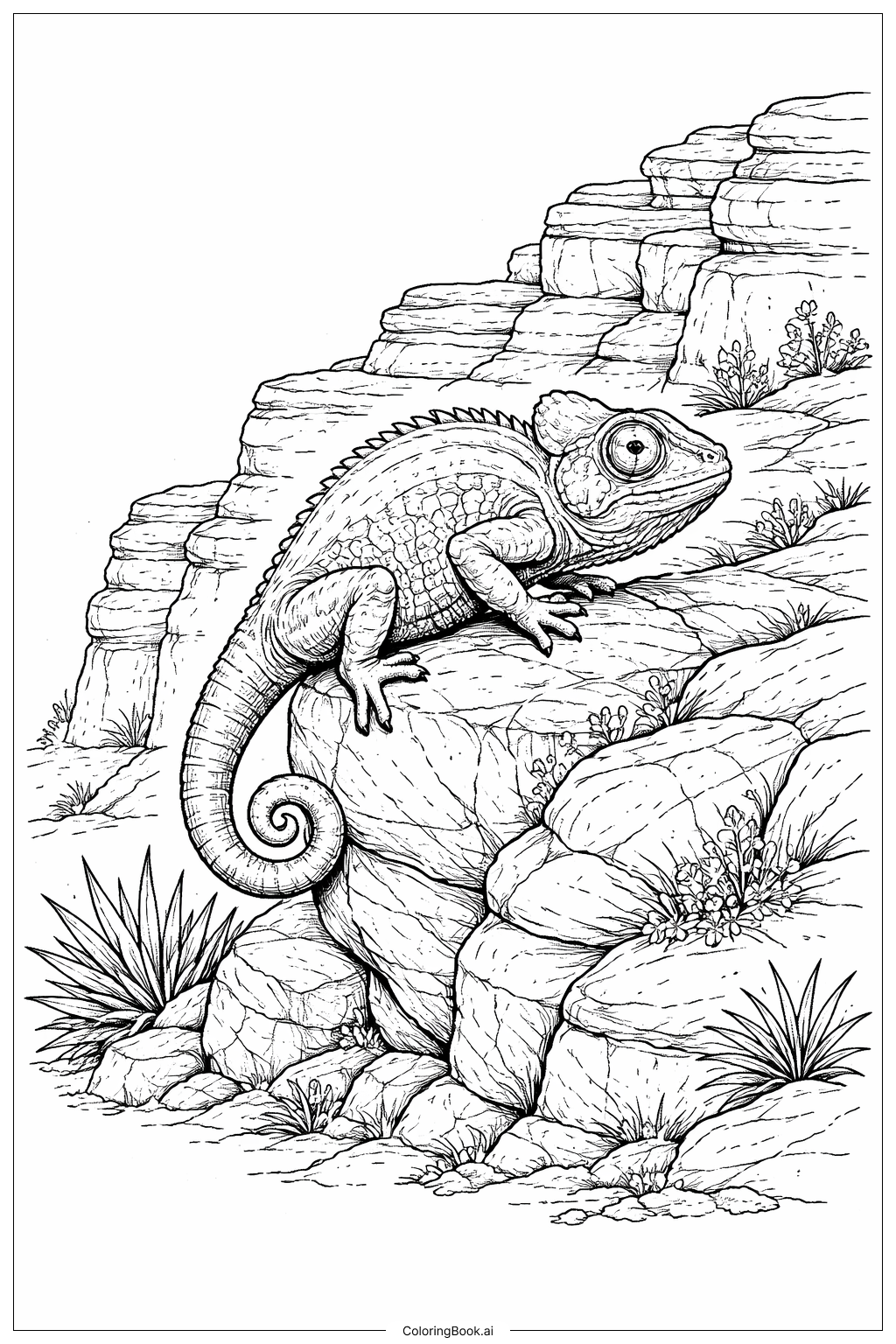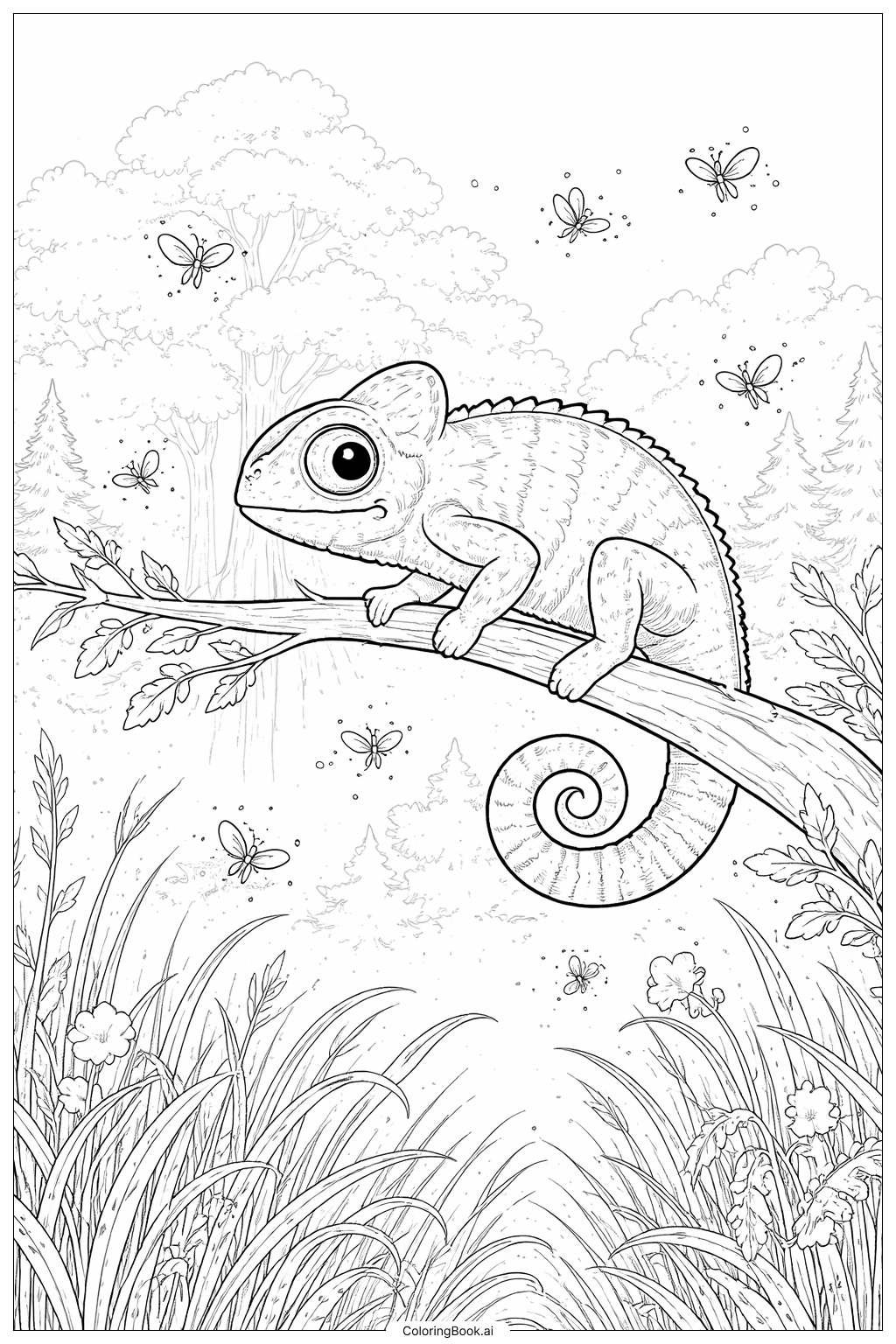
Coloring tips: How to color Chameleon Peeking Out coloring page well?
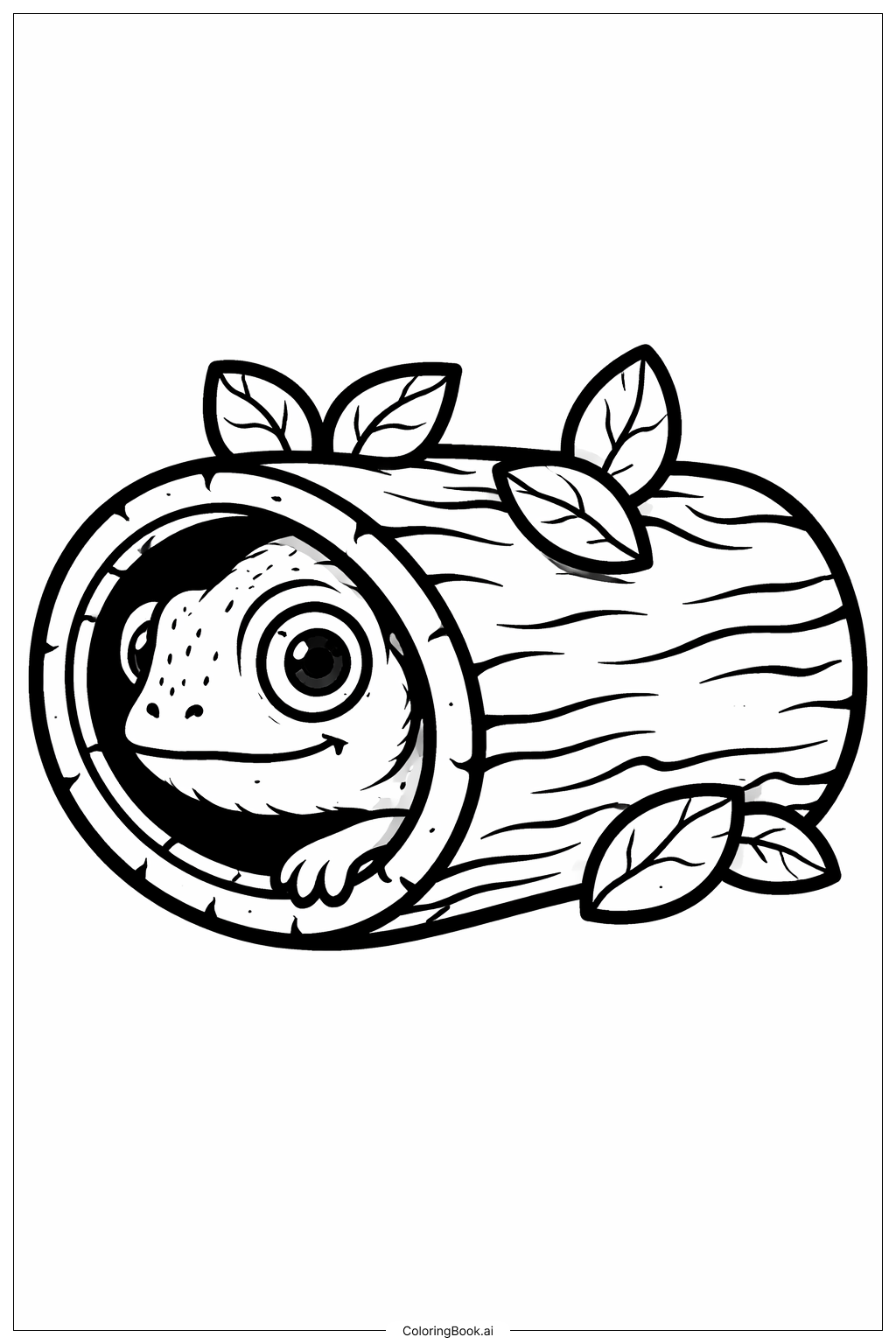
Use bright and vibrant colors to make the Chameleon stand out. Greens, yellows, and blues work well for its body, but don’t be afraid to add some reds, oranges, or purples to show how chameleons can change color. For the leaves, try different shades of green and add light and dark tones to create depth. Use soft browns or grays for the branches. You can also experiment with patterns or spots on the Chameleon’s skin to make it unique. Try layering light and dark colors to make the image pop. Remember to color the Chameleon’s eyes carefully to show its alert and curious expression.
Coloring challenges: Which parts are difficult to color and need attention for Chameleon Peeking Out coloring page?
• Detailed Texture: The fine scales and skin patterns on the Chameleon require careful coloring to avoid smudges or uneven coverage, which might be challenging for young kids. • Overlapping Elements: The Chameleon peeks out from behind leaves and branches, creating layers. Coloring these overlapping parts accurately means choosing different tones and understanding what is in front and what is behind. • Curved Shapes: The tail’s spiral and curved body outline need steady hand control to stay within the lines, which can be tricky for beginners. • Shading Challenges: To bring the Chameleon to life, adding shading on its body and leaves is important but requires knowing where the light and shadows naturally fall. This could be difficult for newcomers to shading techniques. • Size Variation: The small details on the eyes and tiny veins in the leaves need precision and attention to detail, testing fine motor skills and concentration.
Benefits of coloring books: Advantages of drawing Chameleon Peeking Out coloring page
Coloring this image helps children develop their fine motor skills as they navigate the detailed scales and small leaf veins. It encourages creativity as they experiment with the Chameleon’s changing colors and play with different patterns. The layers of leaves and branches teach spatial awareness and how to distinguish foreground from background. Coloring the Chameleon’s eyes enhances focus and patience since it requires care to capture expression. Finally, bringing this shy, nature-inspired creature to life can inspire curiosity about animals and the environment, encouraging observational skills and appreciation for wildlife.