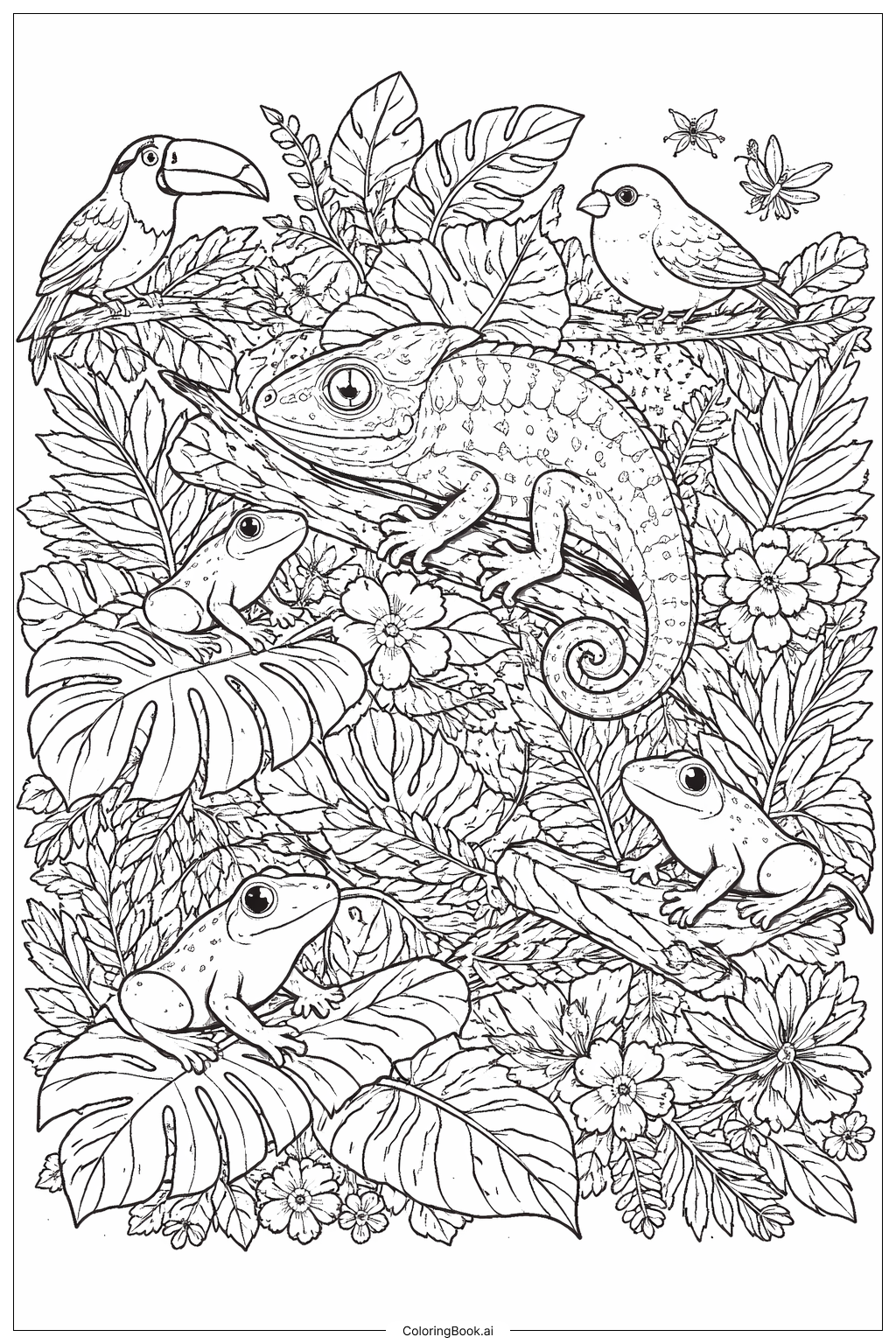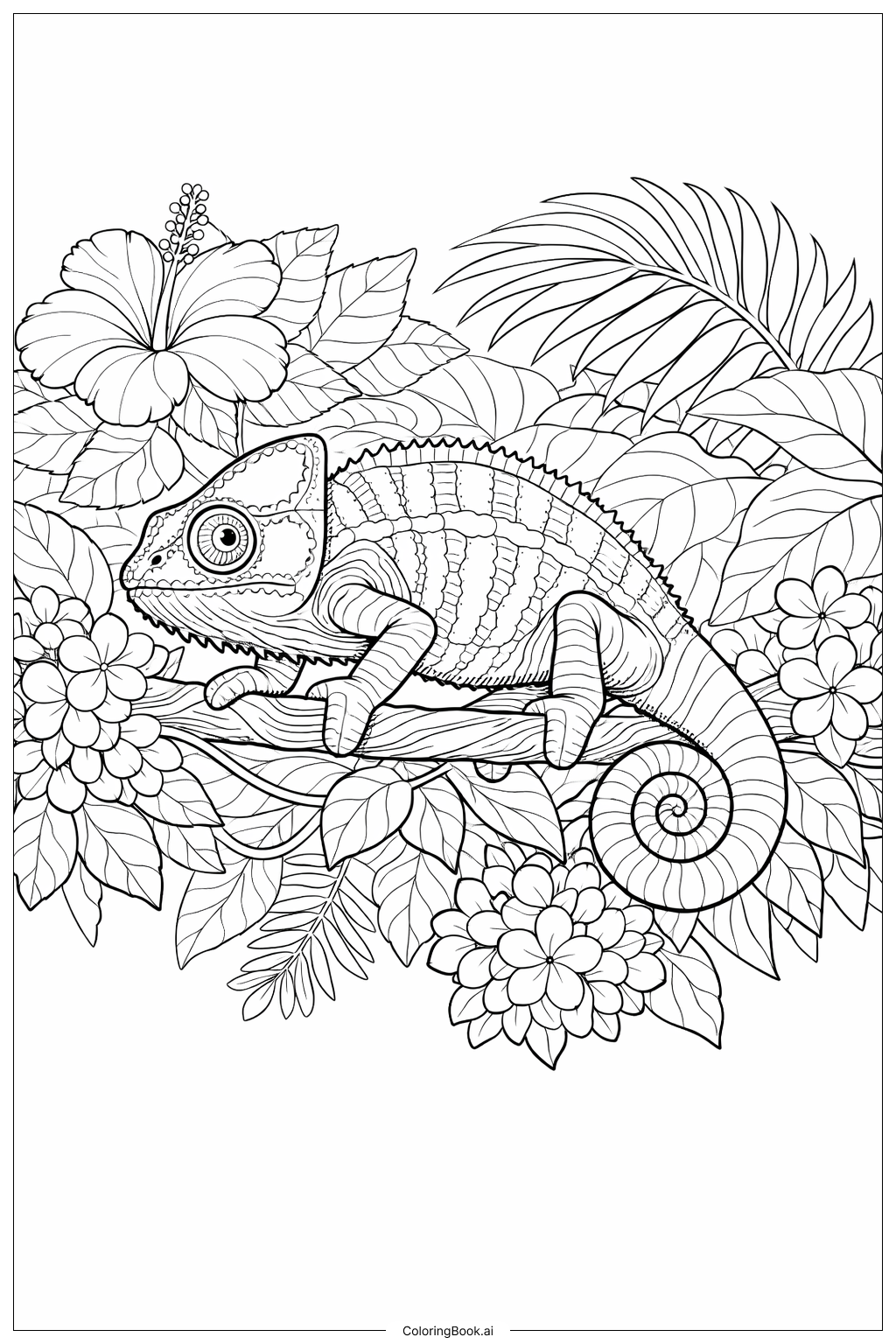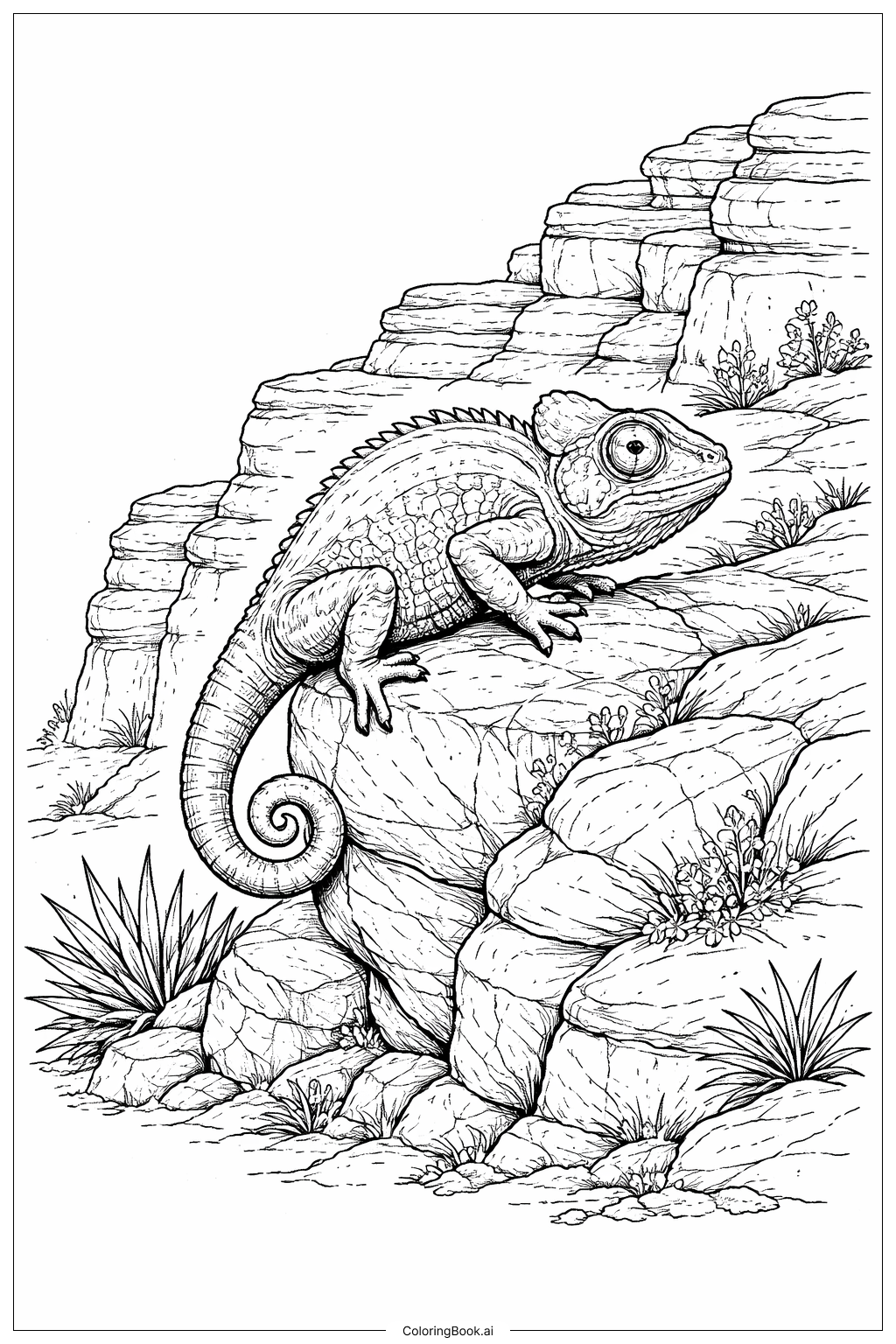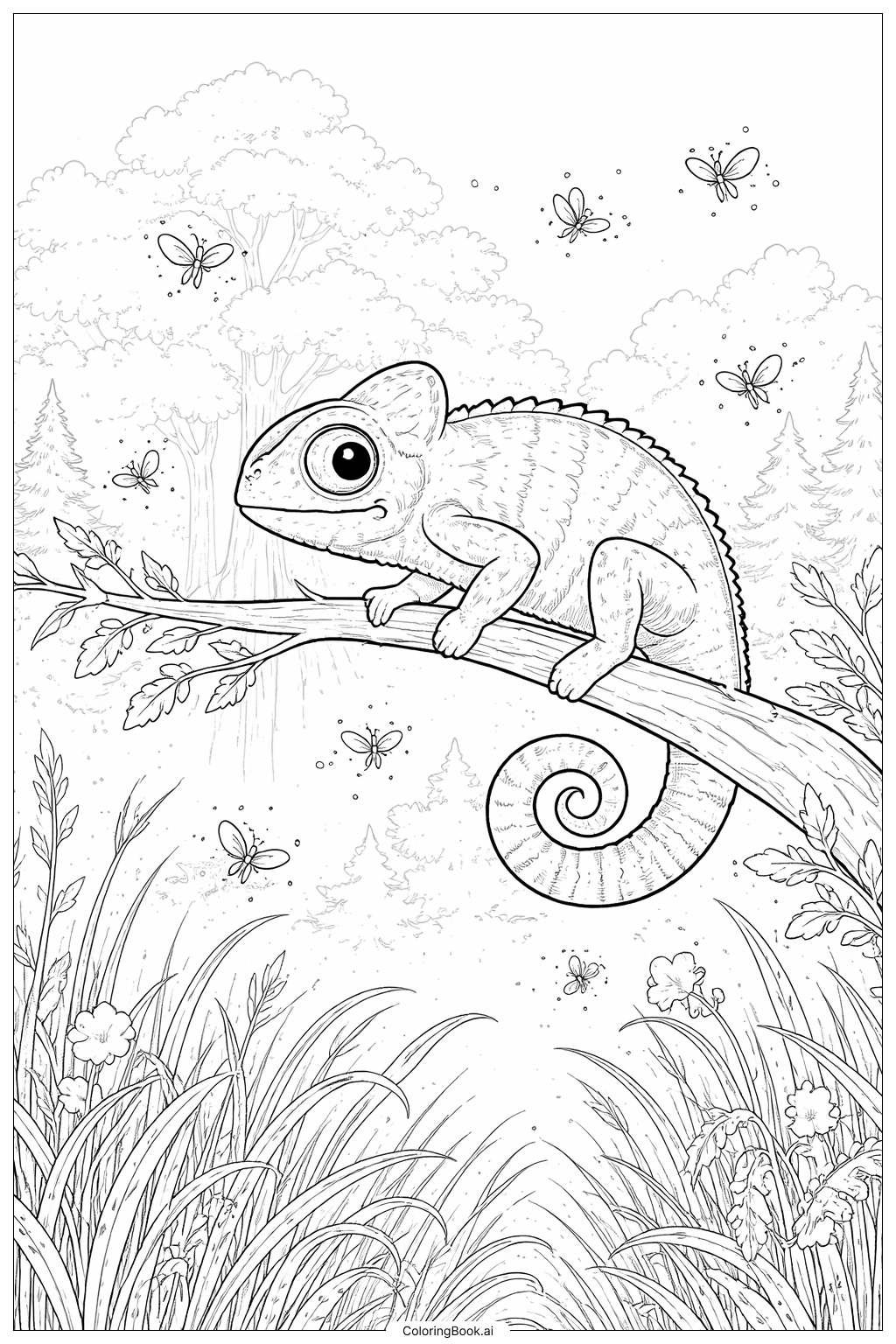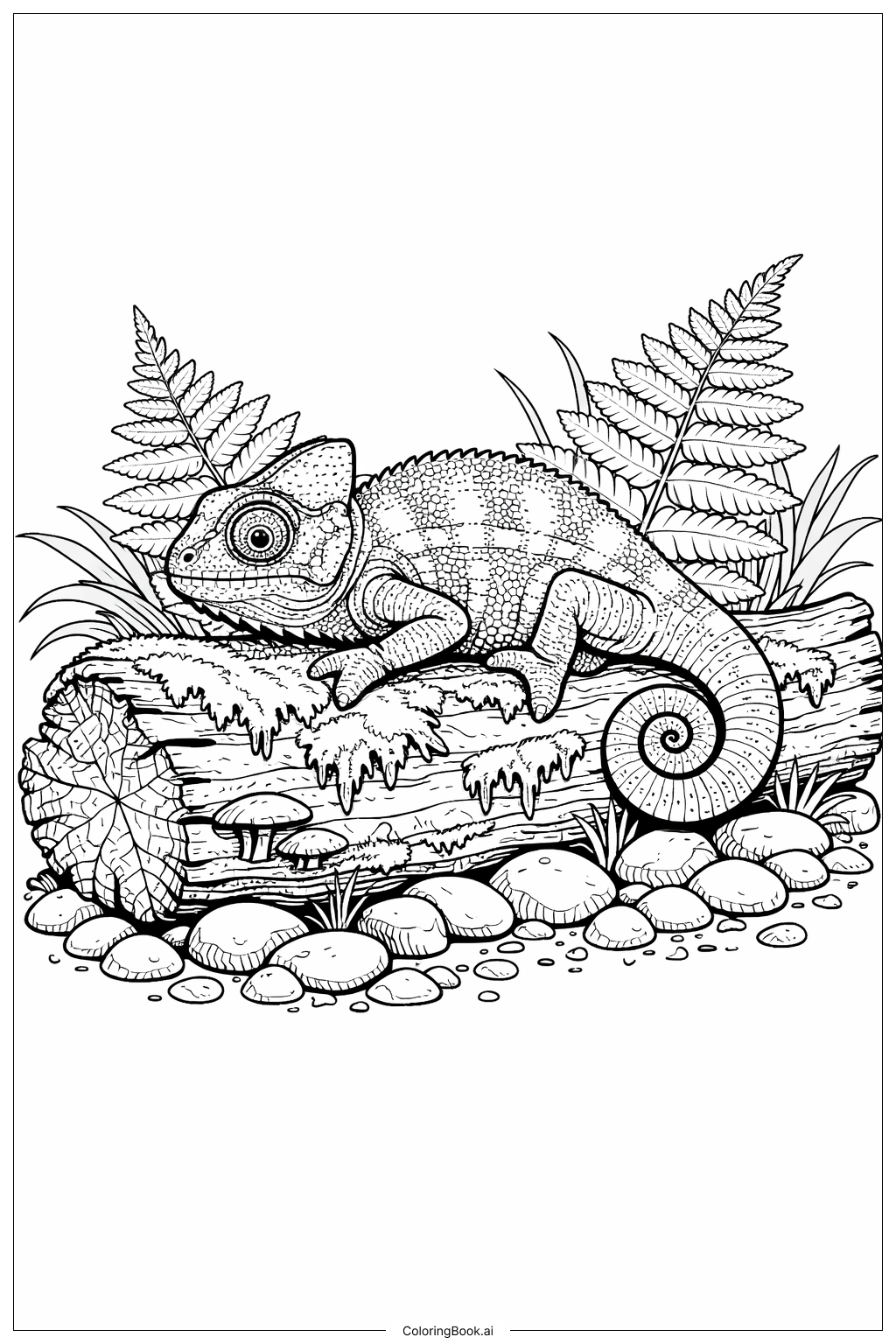
Coloring tips: How to color Chameleon On A Mossy Log coloring page well?
Start with the chameleon's body using shades of green, such as lime green and forest green, to give it a natural look. You can also try bright colors like teal, orange, or purple — chameleons are famous for changing colors, so let your imagination go wild! Use a darker green or brown for the mossy log, and add patches of lighter green for the moss. Try yellow-green or olive tones to make the moss look soft and fluffy. For the leaves in the background, mix different shades of green to create depth. Use a light tan or gray for the bark texture on the log. Add small details with thin lines to bring the scales and moss to life. Take your time with the eyes — a bright yellow or gold color with a dark pupil looks amazing. Have fun mixing colors and making this chameleon truly unique!
Coloring challenges: Which parts are difficult to color and need attention for Chameleon On A Mossy Log coloring page?
• Scale Patterns: The chameleon's body is covered in dozens of small, overlapping scales. Coloring each scale individually or shading them to show dimension takes patience. Staying inside the tiny lines without smudging nearby areas can be tricky, especially for younger colorists using markers or thick crayons.
• Color Blending on the Body: Chameleons have gradient-like skin tones that shift from one color to another across their body. Recreating this smooth color transition requires careful blending of multiple shades. Getting the colors to look natural rather than blocky or patchy is a real challenge, even for experienced artists.
• Mossy Log Texture: The log has a complex surface with bark ridges, bumps, and uneven moss patches. Coloring the bark and moss separately while keeping them looking natural and distinct from each other demands attention to detail. Using too similar a shade for both can make the log look flat and dull.
• Fine Details on the Head and Crest: The chameleon's crest, large eyes, and facial features are small and closely packed together. These areas require a steady hand and fine-tipped coloring tools. Accidentally coloring over the eye outline or blending the crest into the head can make the face lose its lively expression.
• Background Foliage Depth: The leaves and plants surrounding the scene overlap in different layers. Giving each layer a slightly different shade of green to suggest depth and distance is a subtle but important skill. Without this variation, the background can look crowded and two-dimensional.
Benefits of coloring books: Advantages of drawing Chameleon On A Mossy Log coloring page
Coloring this chameleon scene offers a wonderful mix of fun and learning for kids and adults alike. Here are some great reasons to pick up your colors and get started:
• Creativity Boost: Choosing colors for a chameleon is extra exciting because there are no wrong answers. Kids can experiment with wild, imaginative color combinations and build confidence in their creative choices.
• Fine Motor Skills: Coloring the small scales, mossy patches, and detailed features helps children strengthen the hand muscles and coordination they need for writing and other everyday tasks.
• Focus and Patience: Working through a detailed image like this one encourages kids to slow down, concentrate, and practice staying on task — skills that are valuable in school and daily life.
• Nature Awareness: This coloring page introduces children to chameleons and their natural habitat. It sparks curiosity about reptiles, rainforests, and the amazing world of animals.
• Stress Relief: For both children and Adults, the calming rhythm of coloring helps reduce stress and anxiety. It offers a quiet, screen-free activity that promotes relaxation and mindfulness.
• Color Theory Learning: Experimenting with greens, browns, and highlight shades on this page gently introduces young colorists to concepts like shading, contrast, and color mixing in a playful, hands-on way.