Coloring tips: How to color Chameleon Looking Up coloring page well?
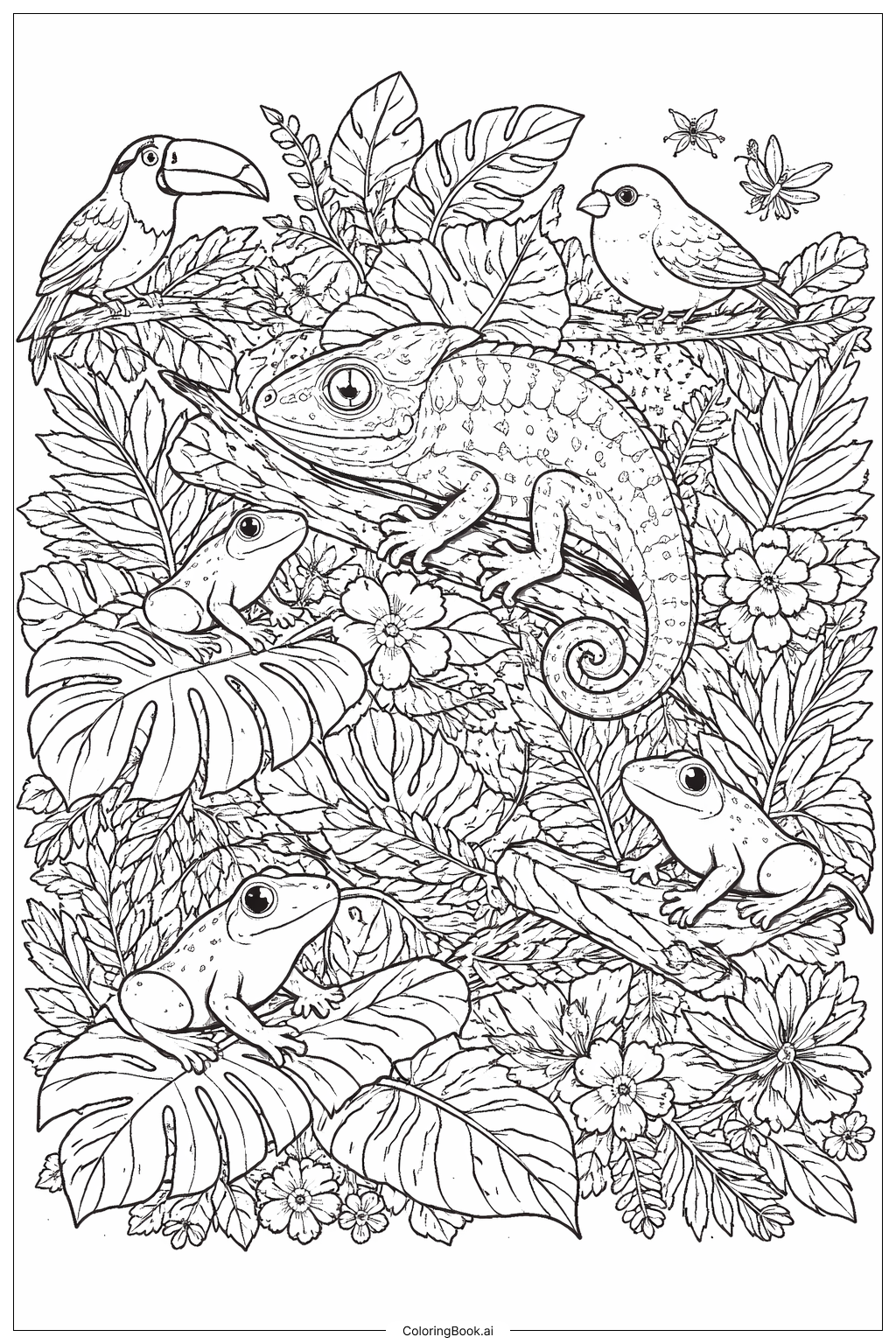
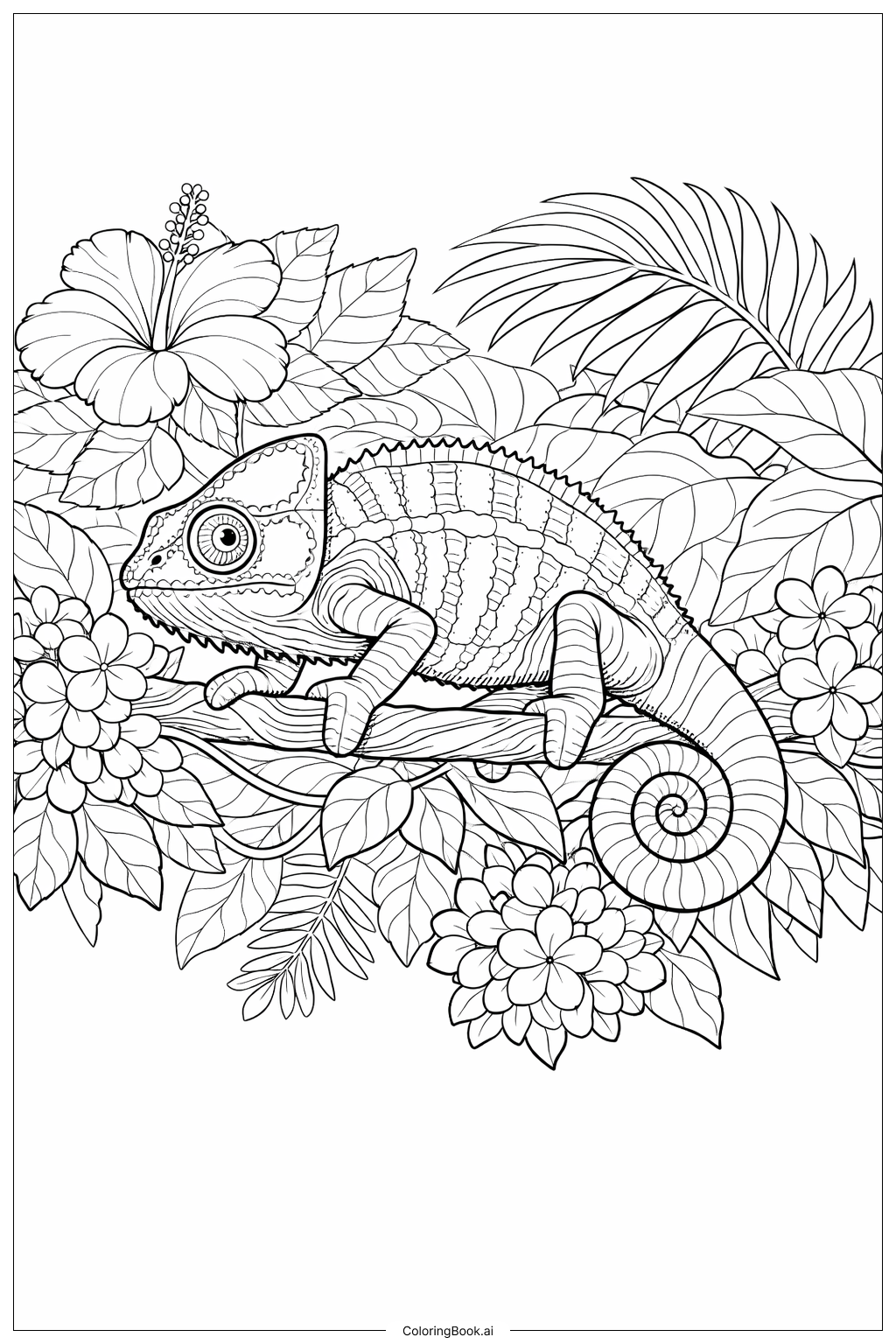
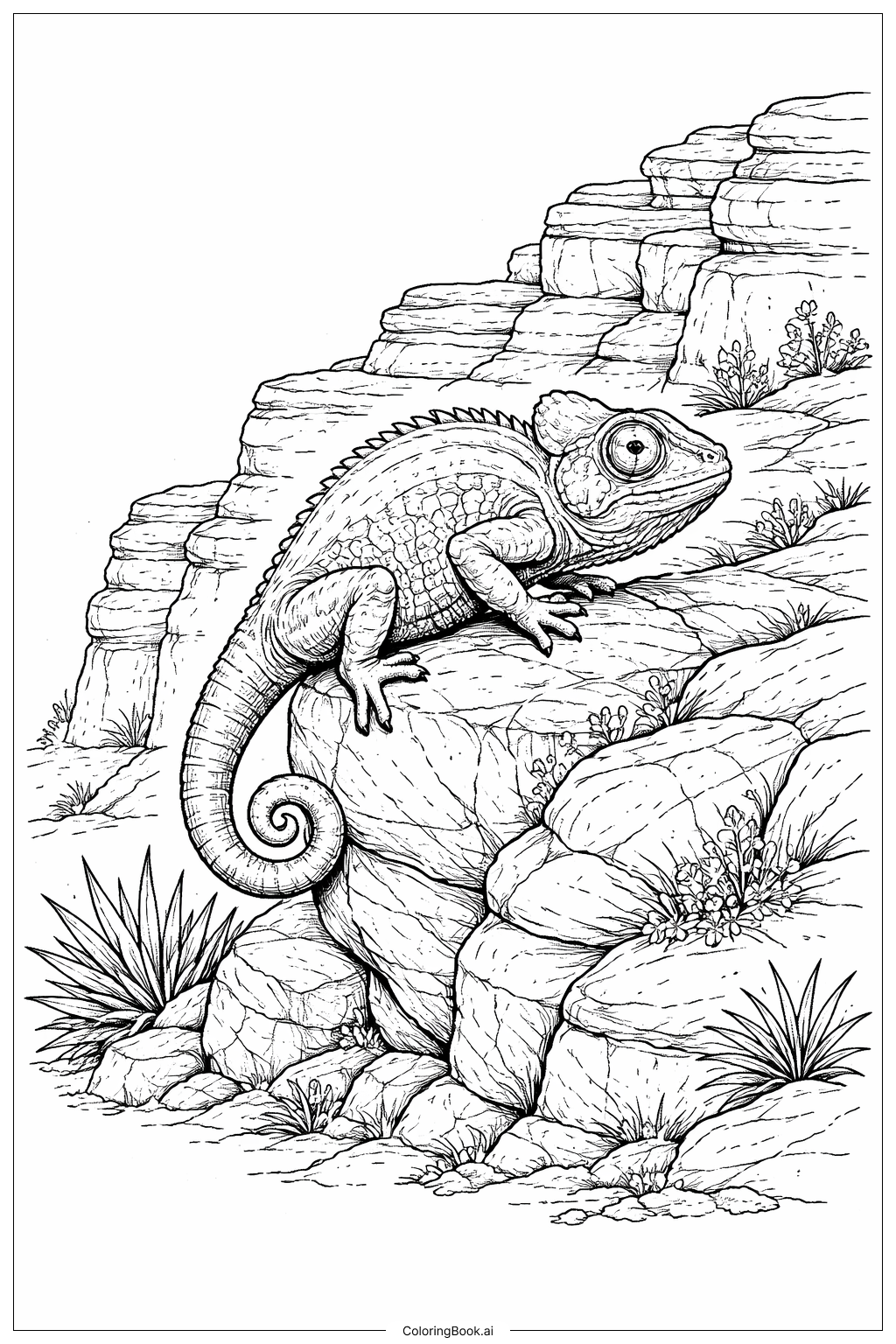
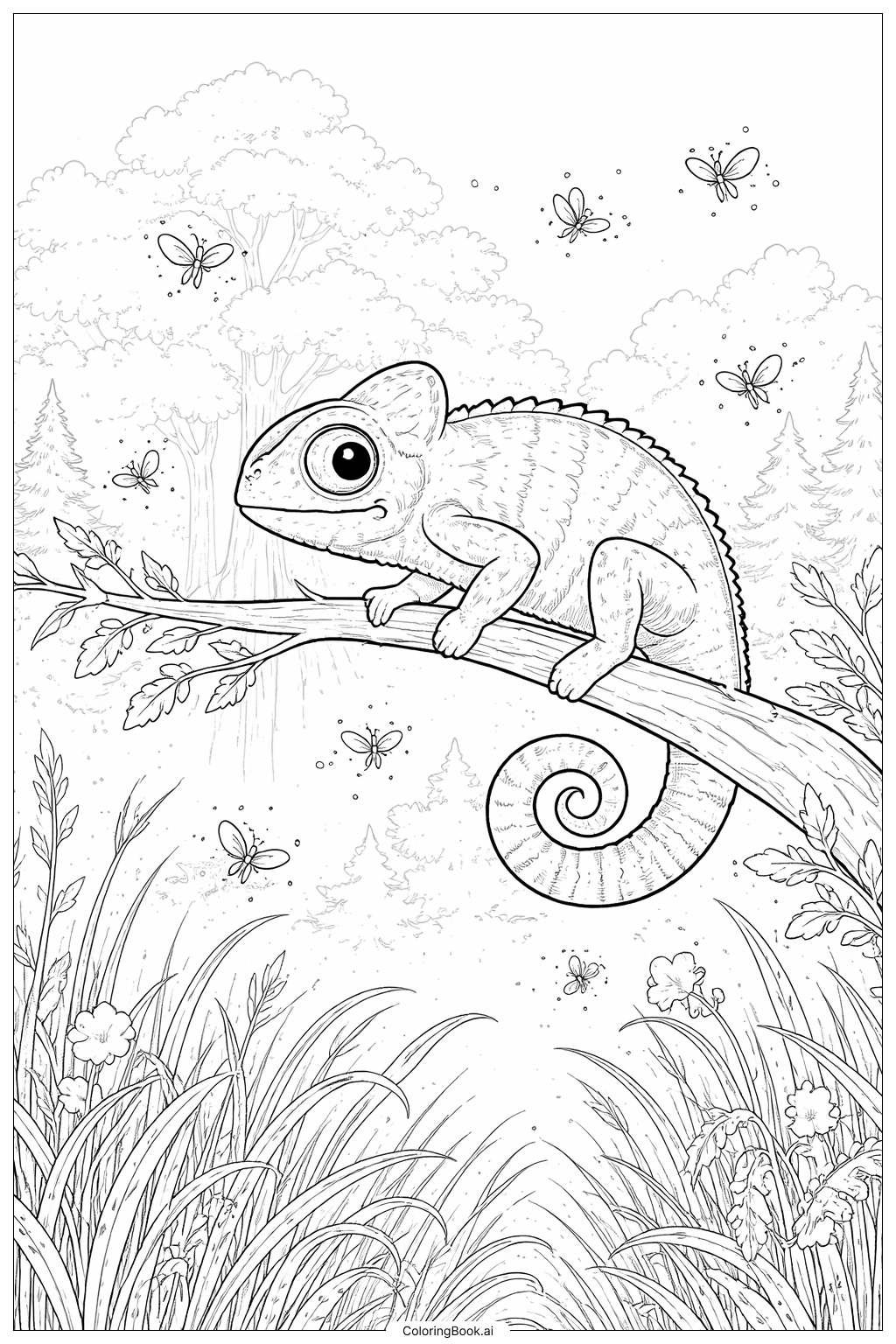
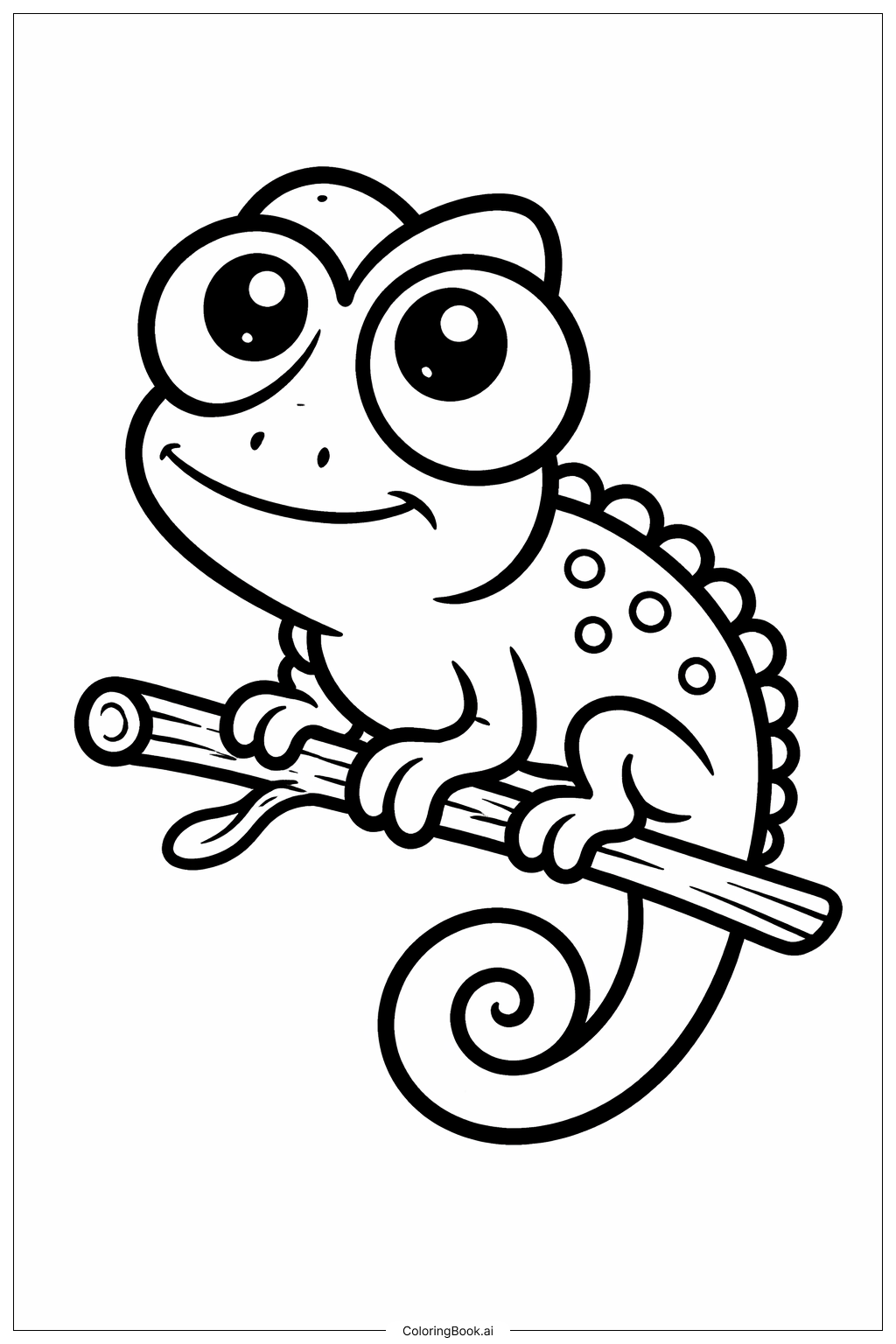
Consider using bright and vibrant colors for the chameleon’s body, such as shades of green, turquoise, or even splashes of yellow and orange to create a realistic yet eye-catching look. The scales can be colored in a gradient pattern to show texture, starting darker near the edges and lighter toward the middle. You might color the eyes a striking orange or gold to make them stand out. For the branch, choose rich brown tones with hints of green for the leaves. Feel free to experiment with blending colors to mimic the chameleon's natural camouflage abilities and make your page come alive.
Coloring challenges: Which parts are difficult to color and need attention for Chameleon Looking Up coloring page?
• Scale Texture: Coloring the small, overlapping scales on the chameleon's body can be challenging because it requires careful shading to make each scale distinguishable without becoming messy. • Eye Shape: The eyes are large and detailed, so it can be hard to keep the coloring inside the lines while maintaining a smooth, rounded look. Precision is needed to capture their vibrant expression. • Pattern Detailing: The chameleon has intricate patterns on its back and tail that require attention to detail. Coloring these patterns evenly can take patience, especially to maintain symmetry. • Branch and Leaves: The natural shapes of the branch and leaves have irregular edges and veins, which demands steady handwork and can be tricky for younger colorers. • Color Choices: Choosing colors that both highlight the chameleon’s natural features and contrast well with the background elements may require experimenting to avoid dull or overly bright effects.
Benefits of coloring books: Advantages of drawing Chameleon Looking Up coloring page
Coloring this image helps children and adults develop fine motor skills and hand-eye coordination through detailed work on the chameleon's scales and patterns. It encourages focus and patience as colorists carefully fill small shapes and maintain consistency across the body. The image also promotes creativity by inviting colorists to choose realistic or imaginative colors, fostering artistic expression. Working on the distinct eyes and natural surroundings enhances observation skills as colorists notice and replicate nature’s details. Overall, it provides a relaxing and mindful experience that nurtures both skill and creativity.