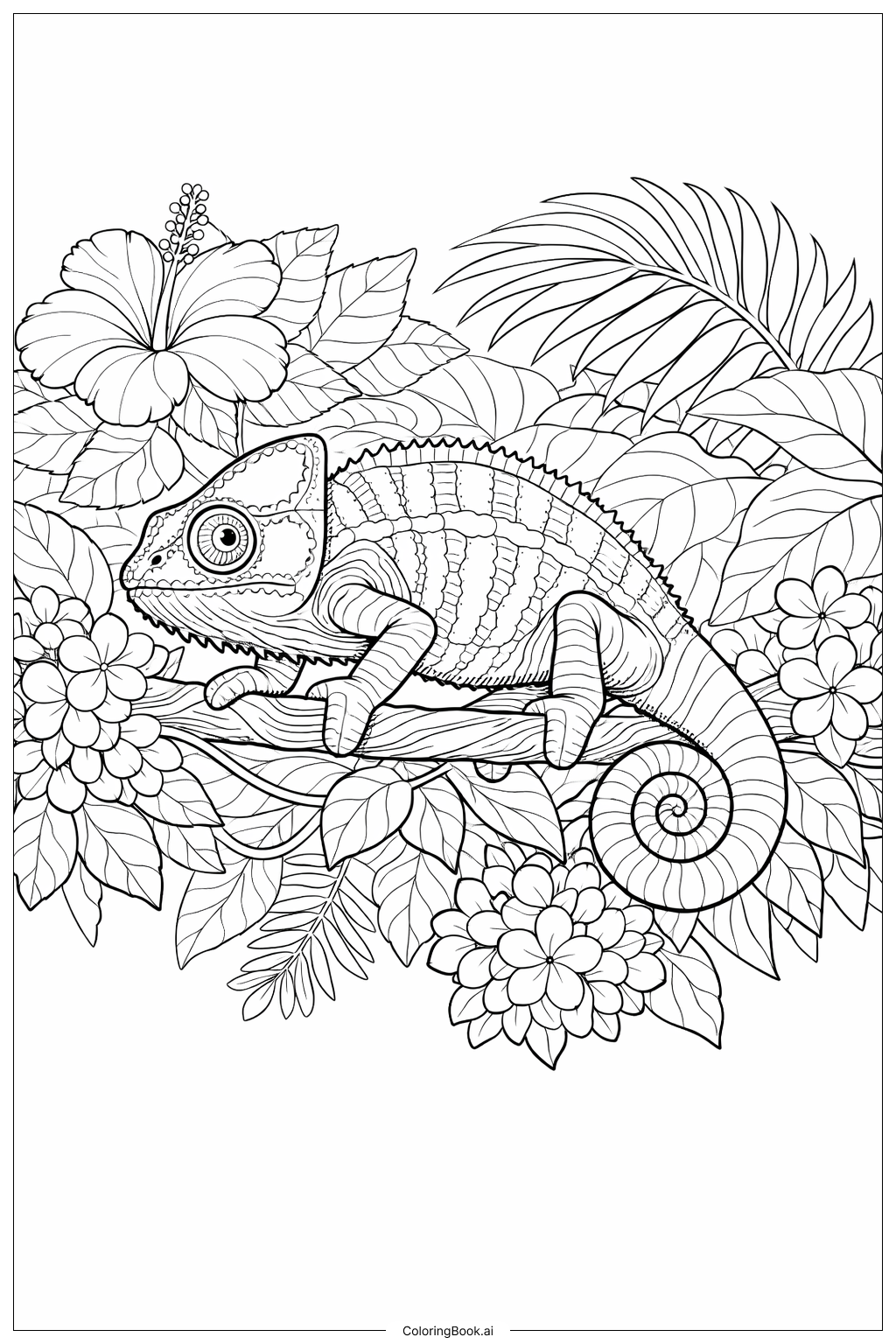
Coloring tips: How to color Chameleon Hiding In Leaves coloring page well?
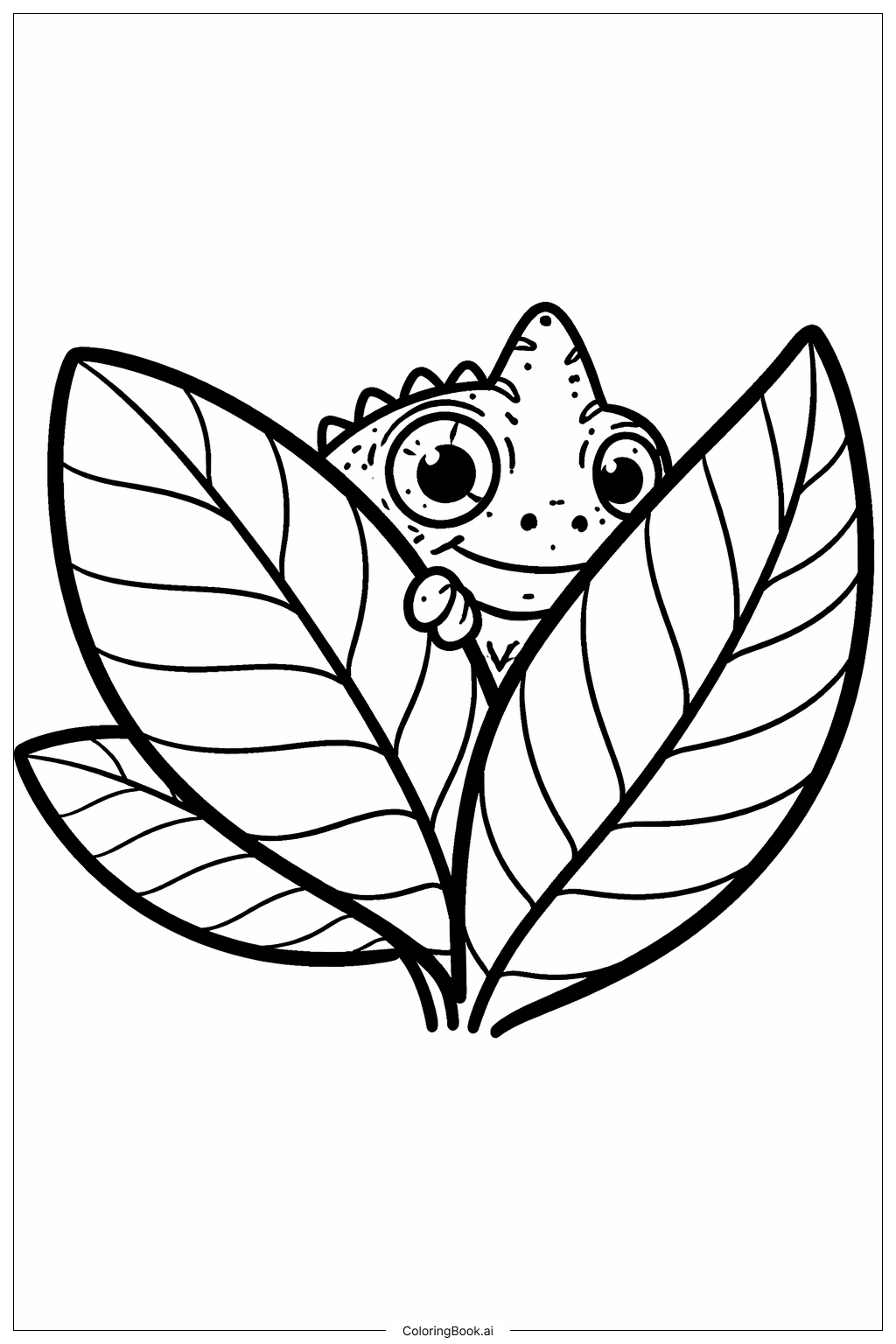
For this picture, try using different shades of green for the leaves to create depth and variety. You can mix light and dark greens or even add some yellows for a natural look. The chameleon’s body is a perfect chance to play with bright colors like greens, blues, or even reds, since these fascinating creatures can change color. Use contrasting colors on the chameleon and leaves to help it stand out or blend in, as you like. Adding light browns or soft grays for the branch will give it a natural touch. Remember to color the eye carefully with a mix of black and bright colors to make it look lively and alert.
Coloring challenges: Which parts are difficult to color and need attention for Chameleon Hiding In Leaves coloring page?
• Detailed Patterns: The chameleon’s skin has many small patterns and scales which require careful coloring to avoid smudging or coloring outside lines.
• Leaf Overlap: The many layers of leaves overlap in the picture, making it tricky to choose which leaf to color first to avoid mixing colors.
• Color Blending: Achieving a smooth transition between different shades of green on both the leaves and the chameleon can be challenging, especially for younger colorers.
• Tiny Eye Details: The chameleon’s eyes have small, intricate details that need precise coloring to keep the character’s alert expression.
• Curved Shapes: The curved branches and the chameleon’s coiled tail require steady hand control to follow the lines closely and maintain clean edges.
Benefits of coloring books: Advantages of drawing Chameleon Hiding In Leaves coloring page
Coloring this image helps develop concentration and fine motor skills as you fill in the detailed scales and leaves. It encourages creativity by allowing you to experiment with different greens and bright colors for the chameleon’s skin. This image also teaches patience and precision because of the many small sections that need careful attention. Coloring the chameleon blending into the leaves can boost observation skills by making you think about camouflage and nature’s patterns. Lastly, it offers a relaxing and fun way to connect with the beauty of wildlife and the environment.