Coloring tips: How to color Kitten Catnap coloring page well?
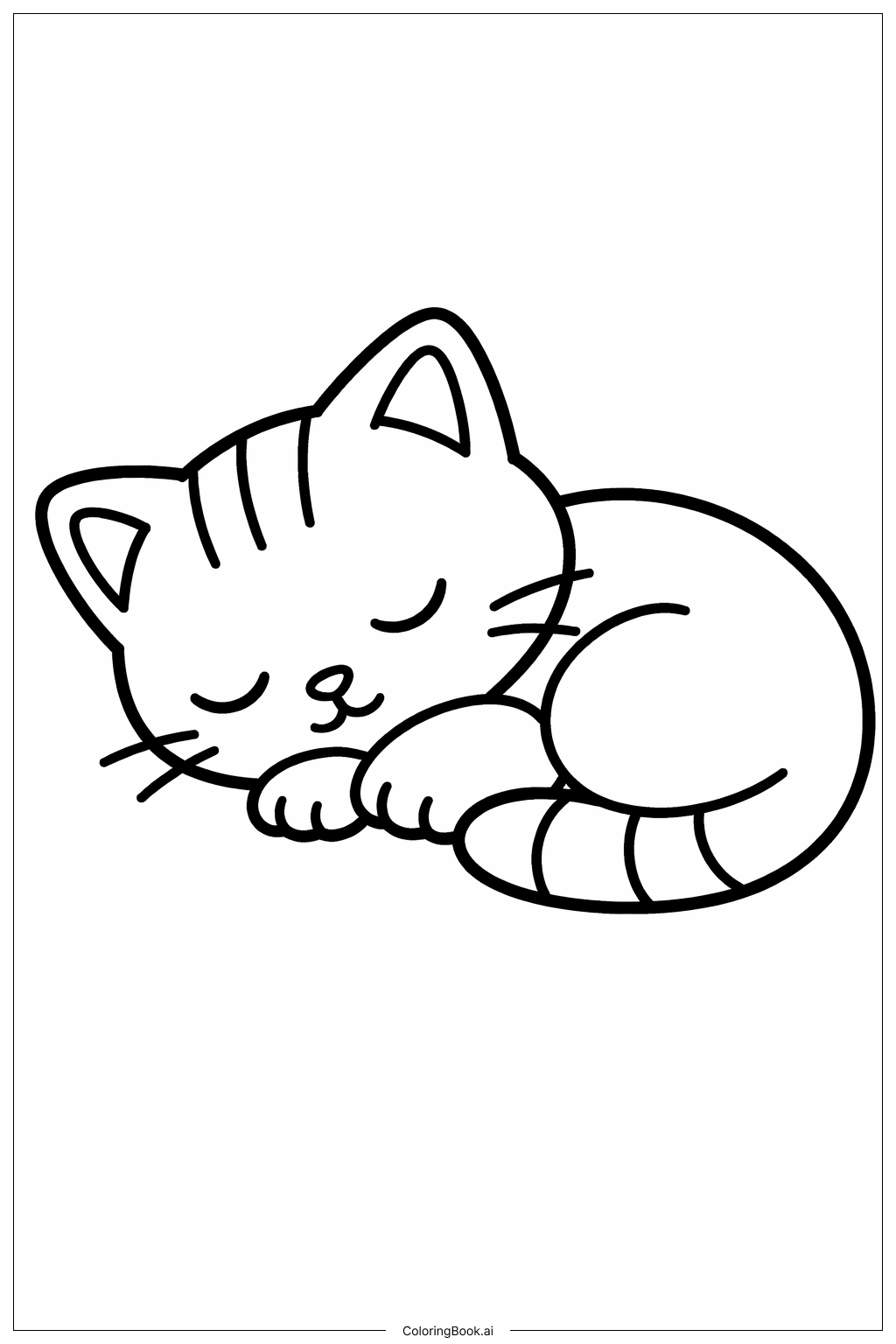
Use soft and gentle colors like light gray, beige, or pale orange for the kitten to give it a warm and calm look. The stripes can be colored slightly darker than the body to show contrast. You can use light pink for the inside of the ears and nose. For the paws, try using a shade similar to the body but a little lighter. The background can be left white or colored in soft pastel shades to keep the focus on the sleeping kitten. Use color pencils or crayons for smooth and even coloring. Try blending colors lightly for a softer effect.
Coloring challenges: Which parts are difficult to color and need attention for Kitten Catnap coloring page?
1. Staying within the small areas like the stripes on the kitten’s head and tail can be tricky for young children who are just learning to color. 2. Coloring the paws evenly while differentiating from the body color requires careful shading. 3. Making the kitten look soft and fluffy can be difficult without proper blending techniques. 4. Choosing colors that match well and don’t clash might be a challenge for beginners. 5. The close lines near the face and whiskers need precise coloring to avoid crossing the lines and keeping the picture neat.
Benefits of coloring books: Advantages of drawing Kitten Catnap coloring page
Coloring this picture helps children improve their motor skills by practicing coloring inside lines and working on small details. It encourages creativity as they choose colors and decide how to shade the kitten. It also teaches patience and focus by requiring careful work on the tiny areas like stripes and whiskers. Lastly, this gentle image promotes a sense of calm and relaxation, making coloring a soothing activity for young artists.