Coloring tips: How to color Catnap on a Window Sill coloring page well?
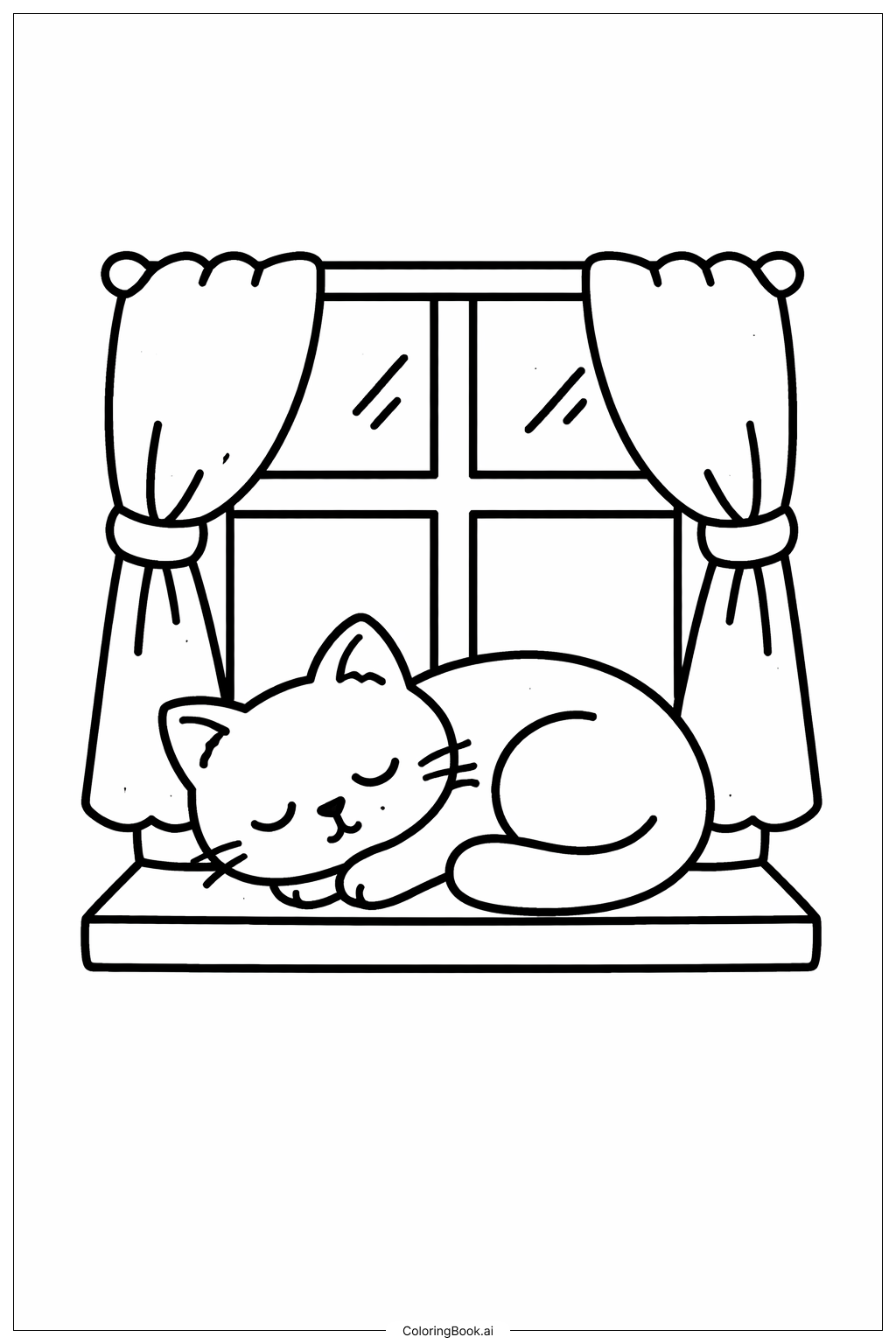
Use soft and warm colors for the cat to show it is calm and happy. Light browns, grays, or warm oranges could work well. For the window sill, choose natural wood colors like beige or light brown. The curtains can be colored with bright or pastel shades like light blue, pink, or yellow, to make the picture cheerful. Don’t forget to add some shading to the window panes to show light and reflections. You can also color the background around the window in a soft blue to suggest the sky outside.
Coloring challenges: Which parts are difficult to color and need attention for Catnap on a Window Sill coloring page?
1. Coloring the cat’s fur can be tricky because you want to show softness, which means blending colors smoothly and avoiding hard lines. 2. The window panes are small and need careful coloring to avoid going outside the lines. 3. Giving the curtains a sense of fabric folds while coloring can be hard because it needs gentle shading. 4. Balancing bright and soft colors in the picture may be difficult to make the whole image look cozy but still lively. 5. Coloring the small details on the cat’s face, such as the eyes and whiskers, requires precision because they are tiny but important for expression.
Benefits of coloring books: Advantages of drawing Catnap on a Window Sill coloring page
Coloring this picture helps improve fine motor skills as it requires careful hand control, especially on the small details. It encourages focus and patience because you must color within the lines and shade softly. It boosts creativity by letting you choose different color combinations for the cat, curtains, and window. This calming image of a sleeping cat can also help reduce stress and make coloring a relaxing activity. Overall, it allows children to express themselves while practicing important art skills.