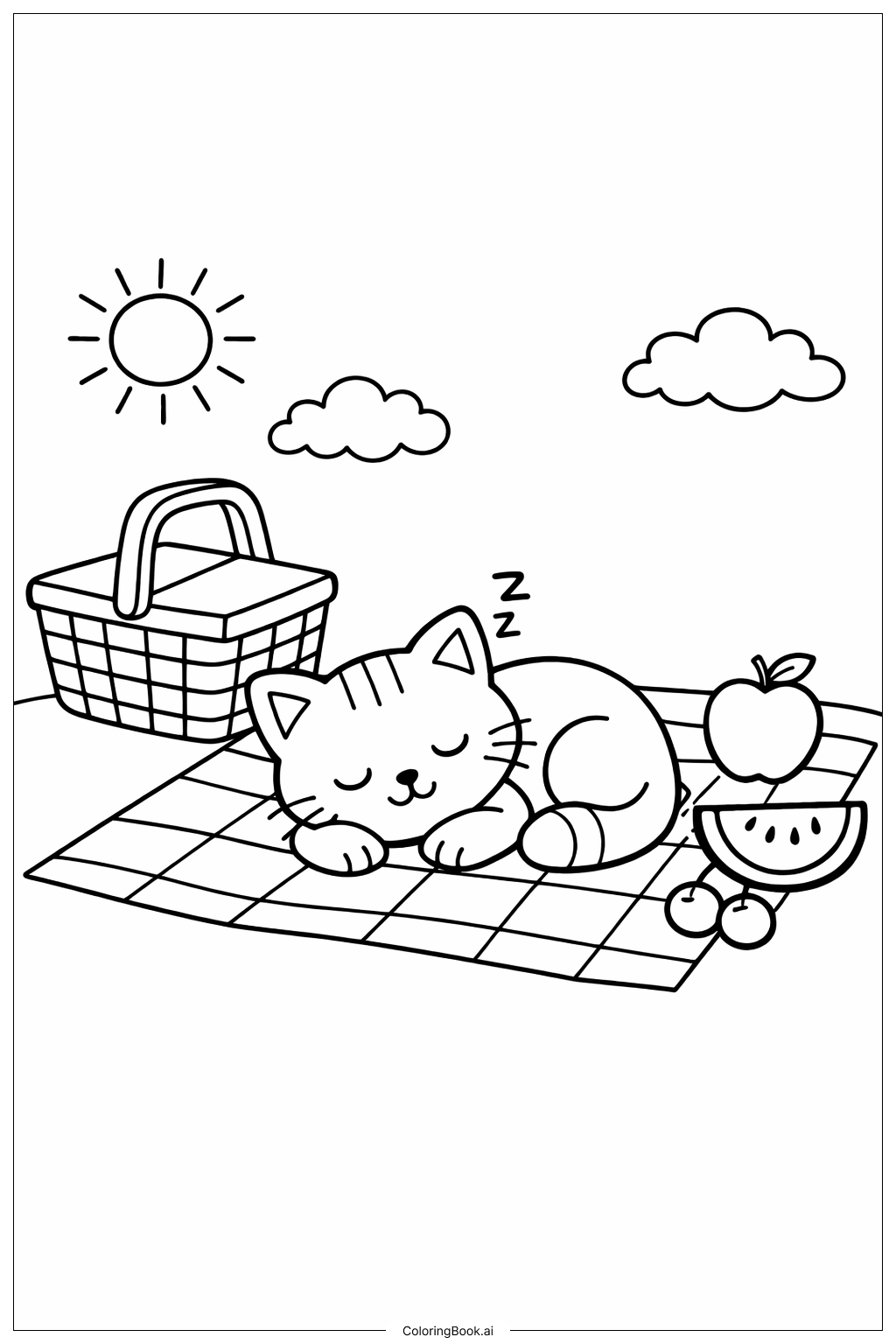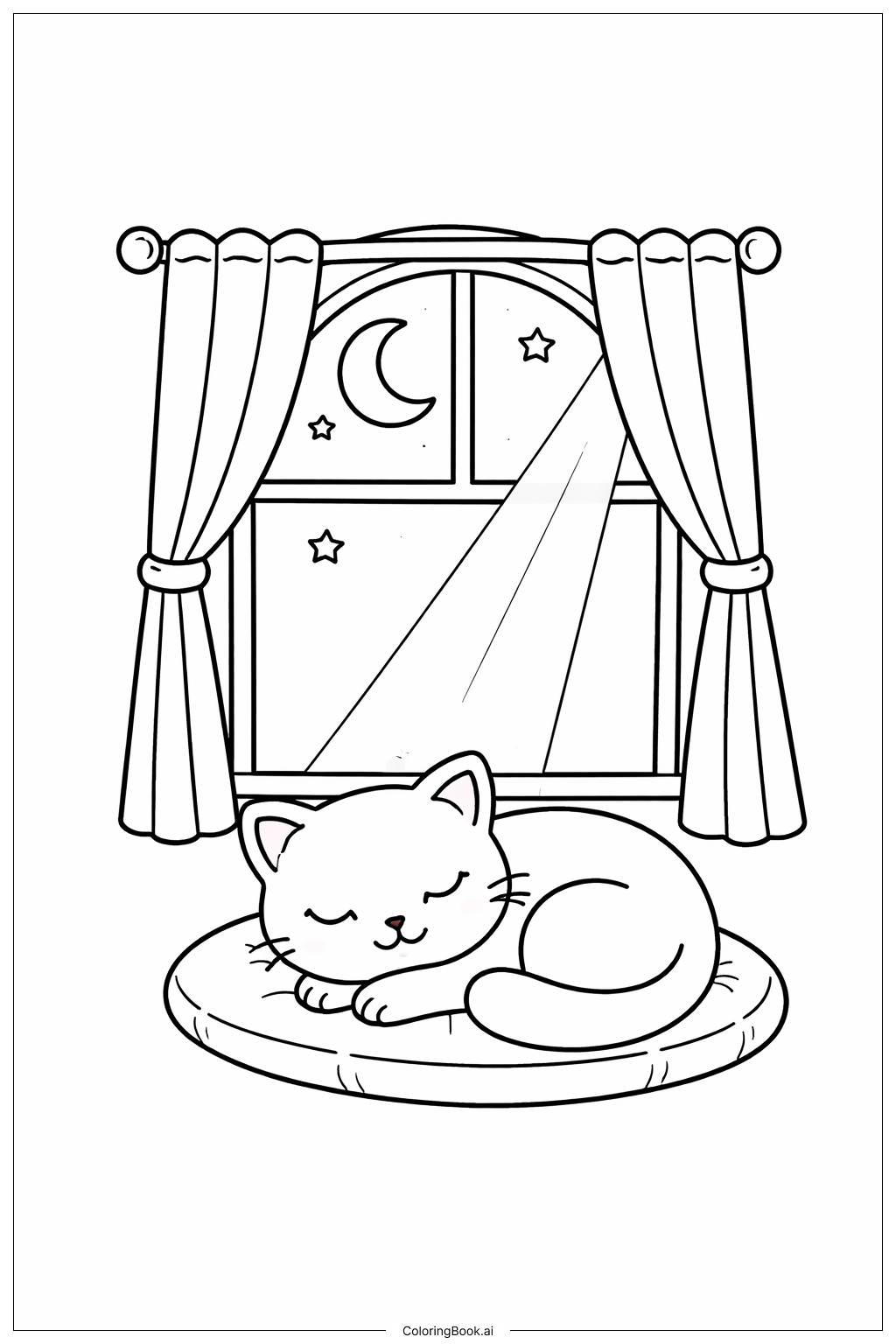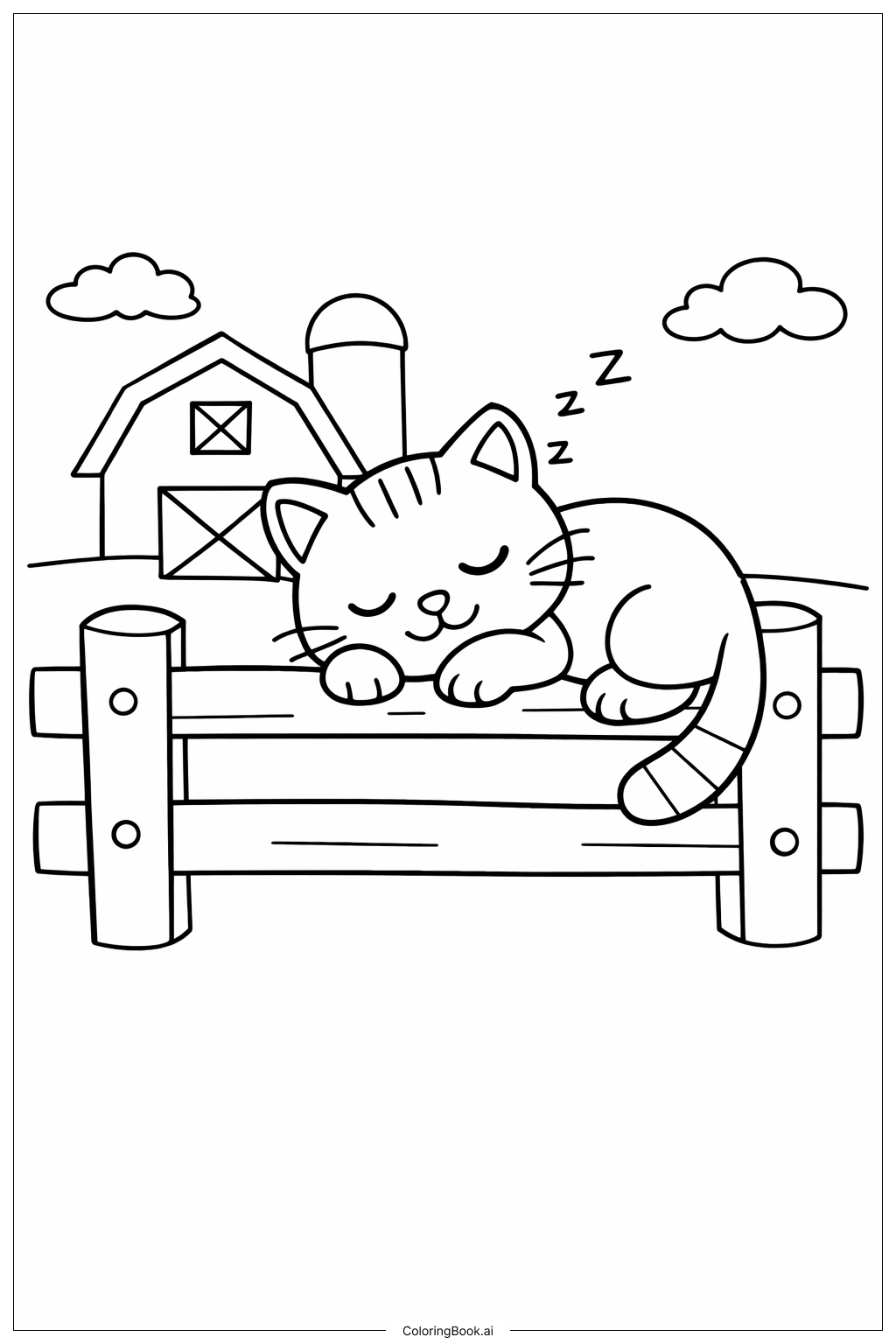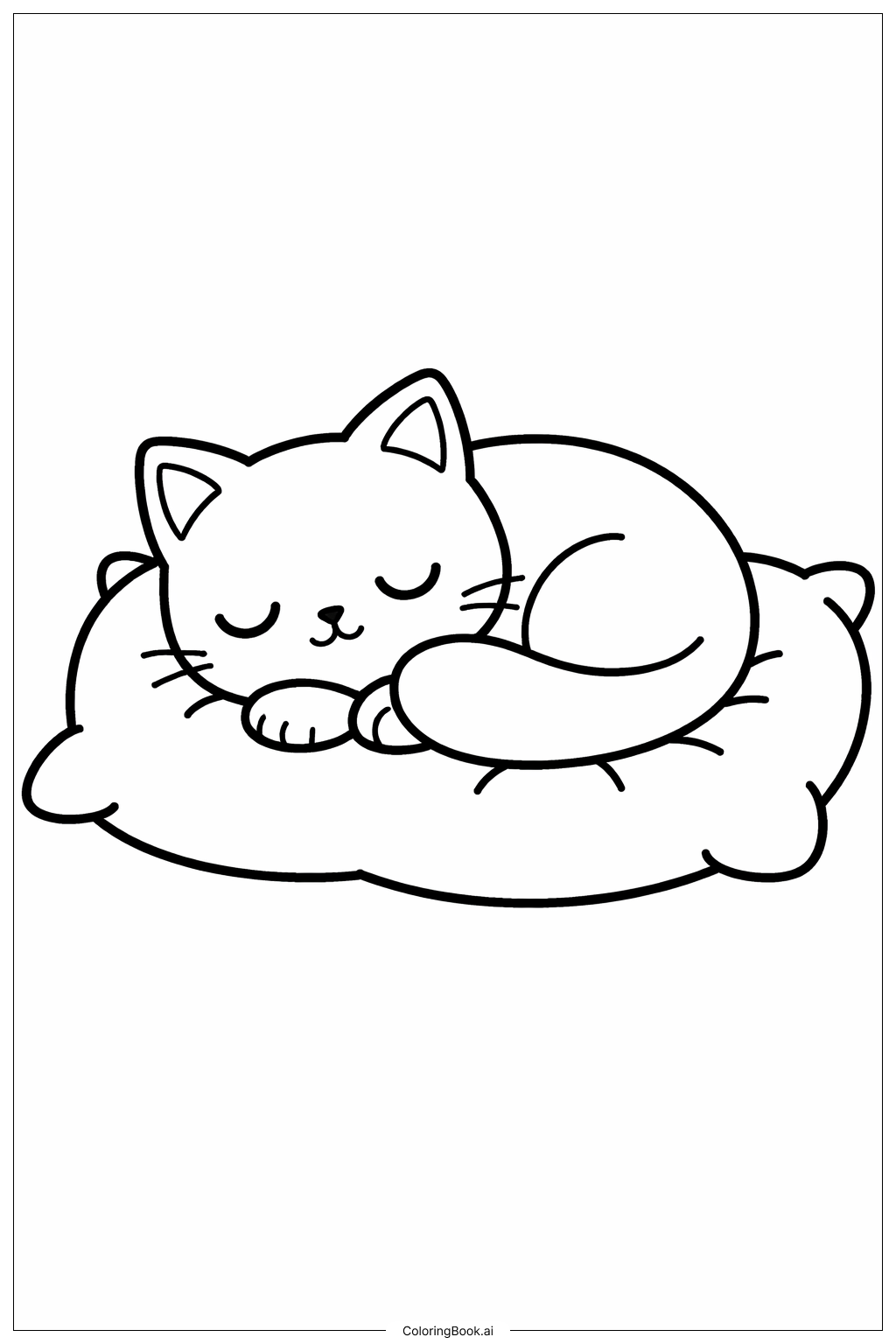
Coloring tips: How to color Catnap on a Pillow coloring page well?
Use warm and soft colors like light browns, oranges, or grays to color the cat’s fur, giving it a natural and cozy look. For the pillow, try pastel colors such as light blue, pink, or lavender to make it appear soft and fluffy. You can also add shading by using a slightly darker color on the pillow’s edges to give it depth. Coloring the cat’s nose and the inside of its ears with pink or light peach will add cute details. Keep the colors gentle and soothing to match the peaceful mood of the picture.
Coloring challenges: Which parts are difficult to color and need attention for Catnap on a Pillow coloring page?
1. Coloring within the small details like the cat’s nose, paws, and inside of ears can be tricky due to their size. 2. Creating depth on the pillow requires careful shading to show it is soft and puffy, which can be challenging for beginners. 3. Keeping the cat’s fur color smooth and even might take patience, as uneven coloring can distract from the calm feeling of the image. 4. Making sure the colors of the cat and pillow complement each other without clashing requires color planning. 5. Avoiding coloring outside the lines is important because the lines are clear and simple, making mistakes stand out.
Benefits of coloring books: Advantages of drawing Catnap on a Pillow coloring page
Coloring this sleeping cat on a pillow helps children improve their hand-eye coordination and fine motor skills through careful coloring inside the lines. It encourages creativity as they choose colors and decide how to shade the pillow and the cat’s fur. The calm and peaceful subject can have a relaxing effect, helping to reduce stress while coloring. It also teaches patience and focus, as filling in larger areas and small details requires attention. This activity promotes a sense of accomplishment and pride when the beautiful, sleepy cat comes to life with color.