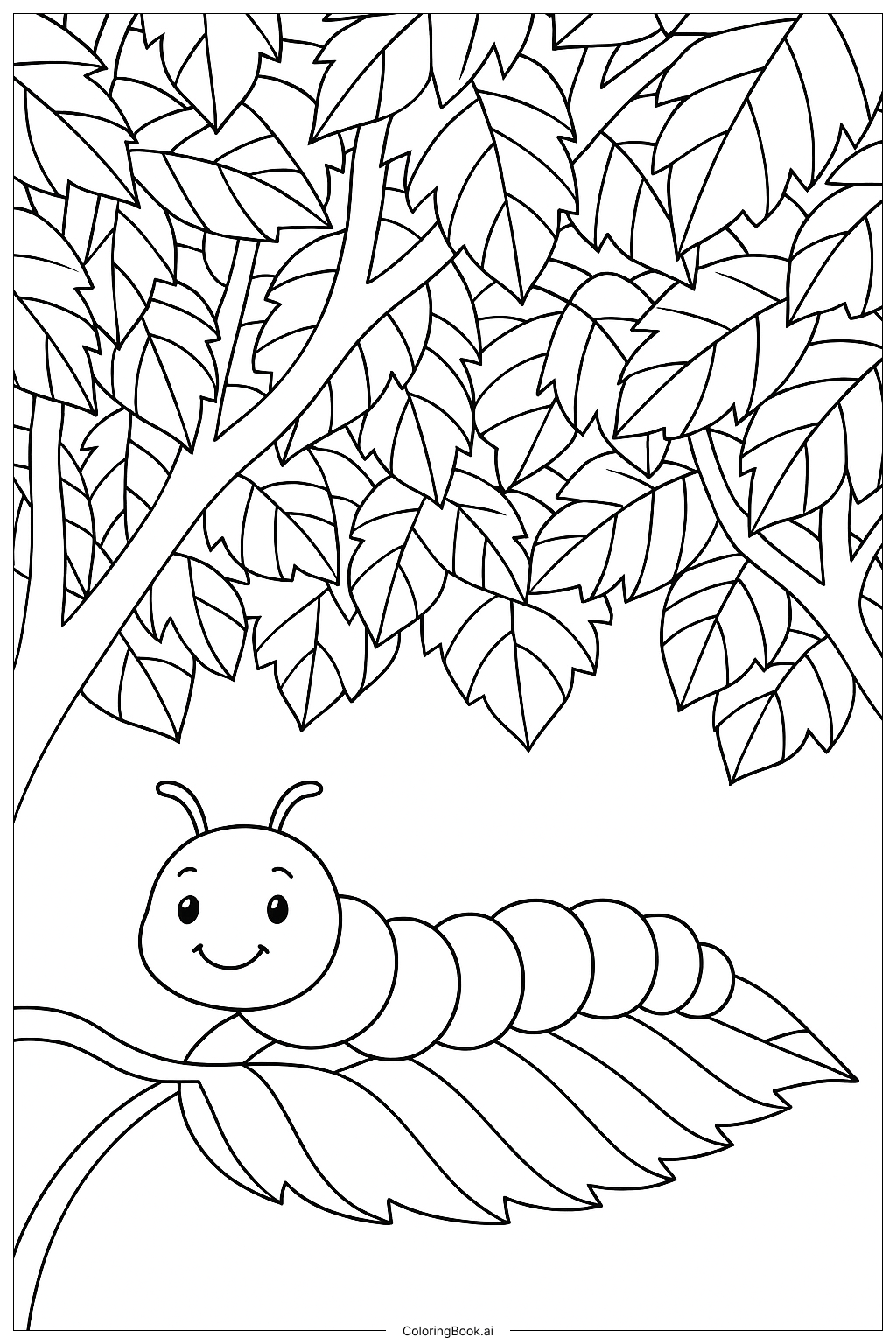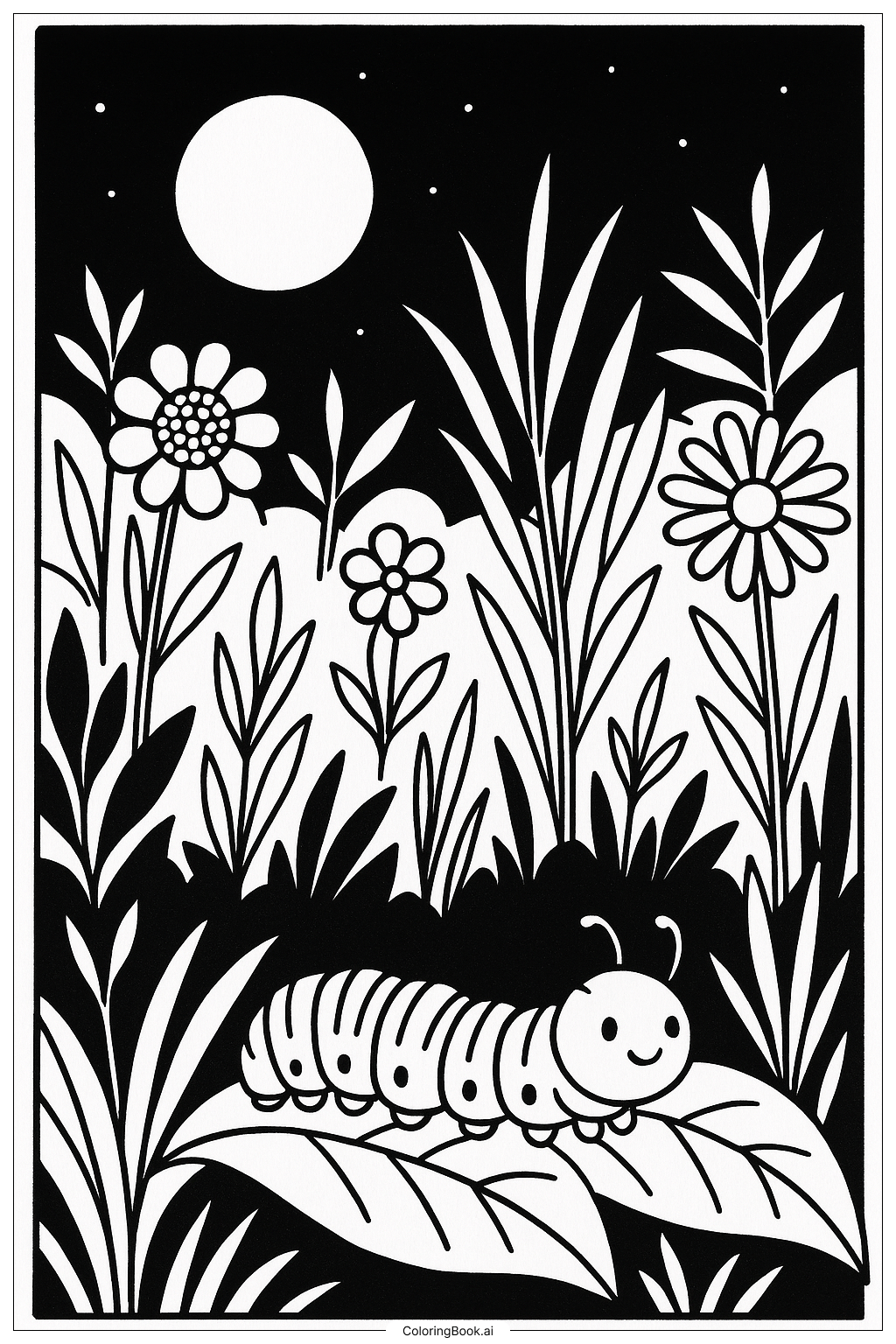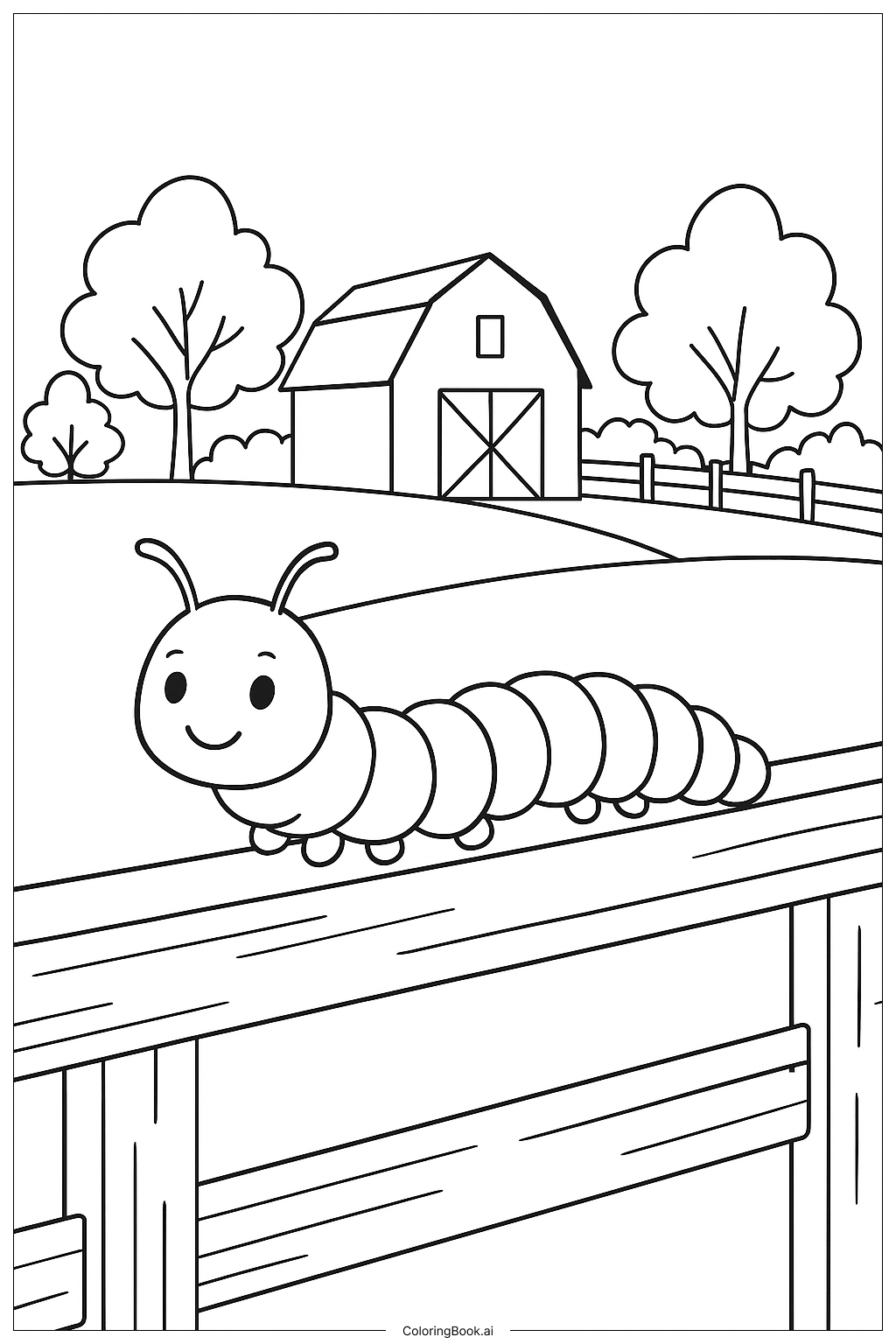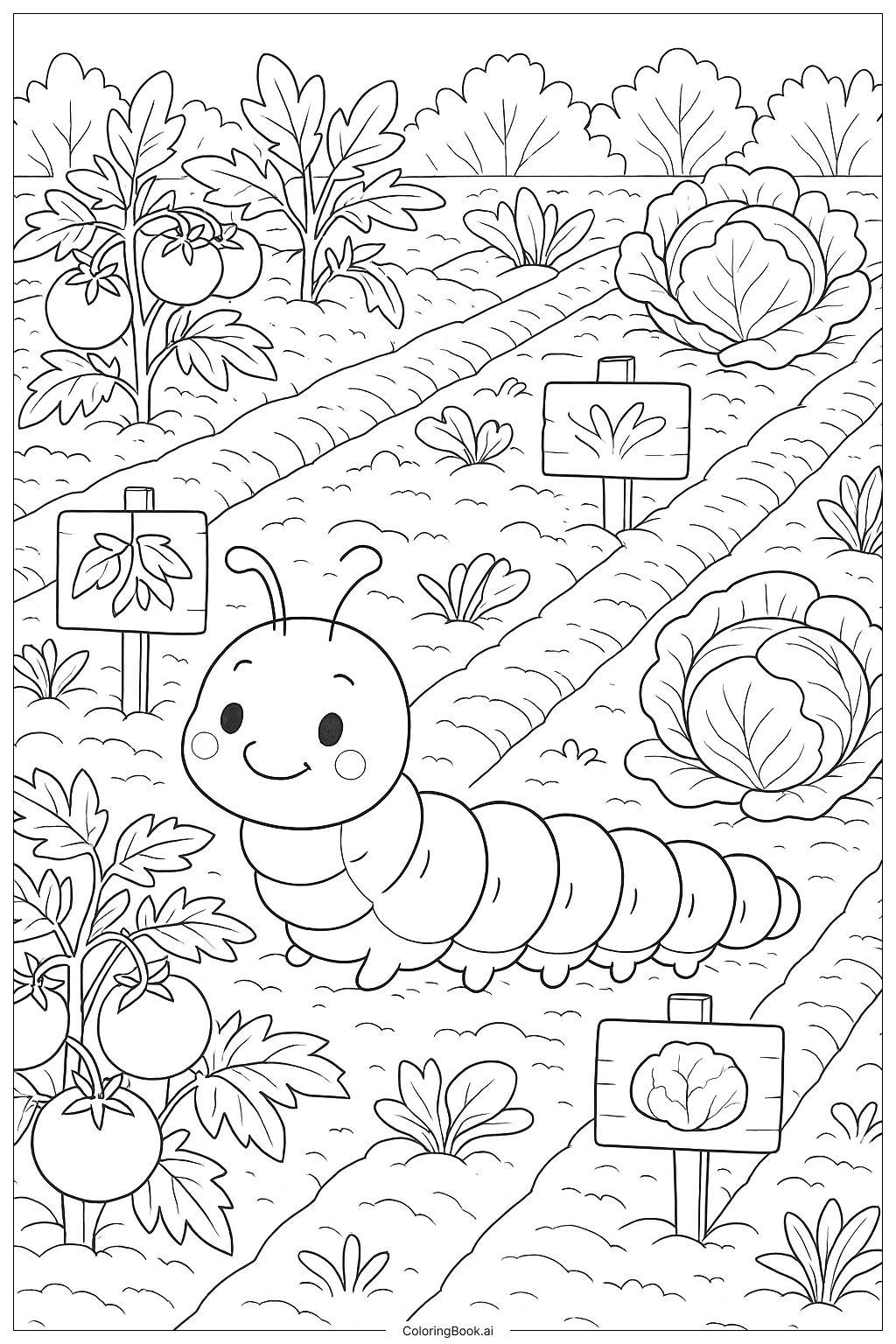
Coloring tips: How to color Caterpillar On Twig coloring page well?
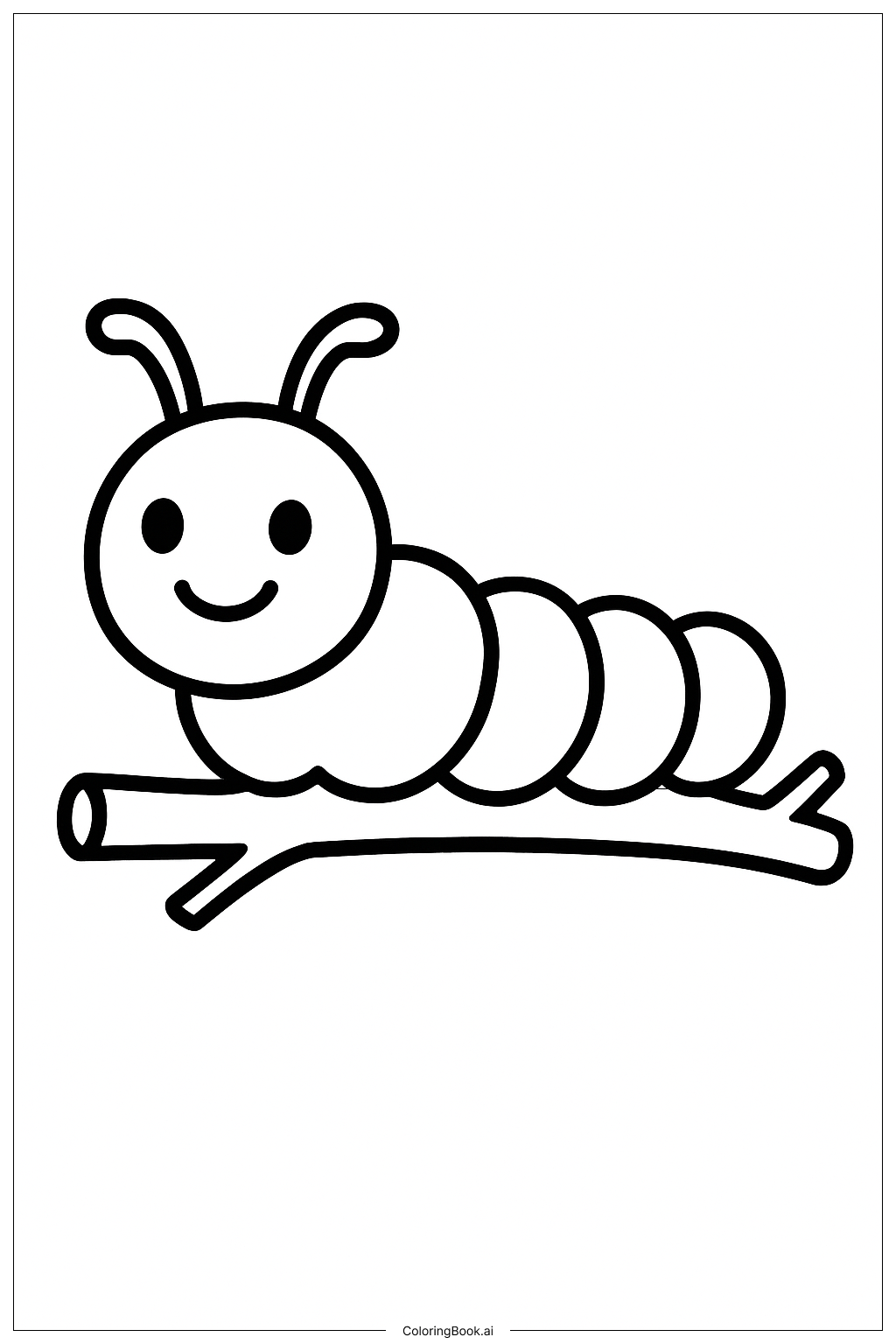
Start with the caterpillar's body. You can use many shades of green, like light green and dark green, to make each segment look round and full. Try adding yellow or orange stripes between the segments for a fun, bright look. Use brown or tan for the twig, and add a little dark brown along the edges to show the rough bark texture. Color the leaves in different shades of green to make them look fresh and alive. Give the caterpillar's eyes a dark pupil with a white highlight to make them look shiny and friendly. If you want to be creative, try using unusual colors like purple, pink, or blue for the caterpillar's body. This is a great chance to explore your own color ideas and make the caterpillar totally unique. Use light colors first, then add darker shades on top to create depth and shadow.
Coloring challenges: Which parts are difficult to color and need attention for Caterpillar On Twig coloring page?
• Segmented Body Shading: The caterpillar's body is made up of many rounded segments. Making each segment look three-dimensional requires careful shading. You need to apply lighter color in the center of each segment and darker color around the edges. This takes patience and a steady hand, especially for younger children.\n\n• Small Leg Details: The caterpillar has many tiny legs gripping the twig. These legs are small and close together, making them tricky to color without going outside the lines. Using a fine-tipped colored pencil or marker works best for this area. Take your time and color slowly.\n\n• Twig Texture: The twig has a natural, rough bark texture with small ridges and bumps. Coloring this texture realistically means using multiple shades of brown and layering them carefully. Simply filling it with one flat color will make it look plain and less interesting.\n\n• Leaf Details: The leaves sprouting from the twig have veins and edges that need attention. Coloring around the vein lines without covering them helps the leaves look natural. Using two or three shades of green creates a more lifelike result.\n\n• Overall Color Balance: Because there are several elements in the scene, such as the caterpillar, the twig, and the leaves, it can be tricky to choose colors that work well together. Making sure one element does not blend into another requires thoughtful color choices and contrast between neighboring areas.
Benefits of coloring books: Advantages of drawing Caterpillar On Twig coloring page
Coloring this caterpillar scene brings many wonderful benefits for children and young learners. First, it helps build fine motor skills. Carefully coloring within the small segments and tiny legs trains hand muscles and improves pencil control, which also supports handwriting. Second, it encourages creativity. Choosing colors for the caterpillar's body is a fun, open-ended task with no wrong answers, helping children feel confident in their own ideas. Third, it teaches focus and patience. Completing a detailed image like this one requires sitting still and concentrating, which builds attention skills useful in school and daily life. Fourth, it connects children to nature. Learning about caterpillars, how they move, what they eat, and how they eventually become butterflies, sparks curiosity about the natural world. Fifth, coloring is calming and relaxing. It gives children a healthy way to unwind and express emotions without words. Overall, this simple and charming scene offers a rich coloring experience that is both fun and developmentally rewarding for children of all ages.