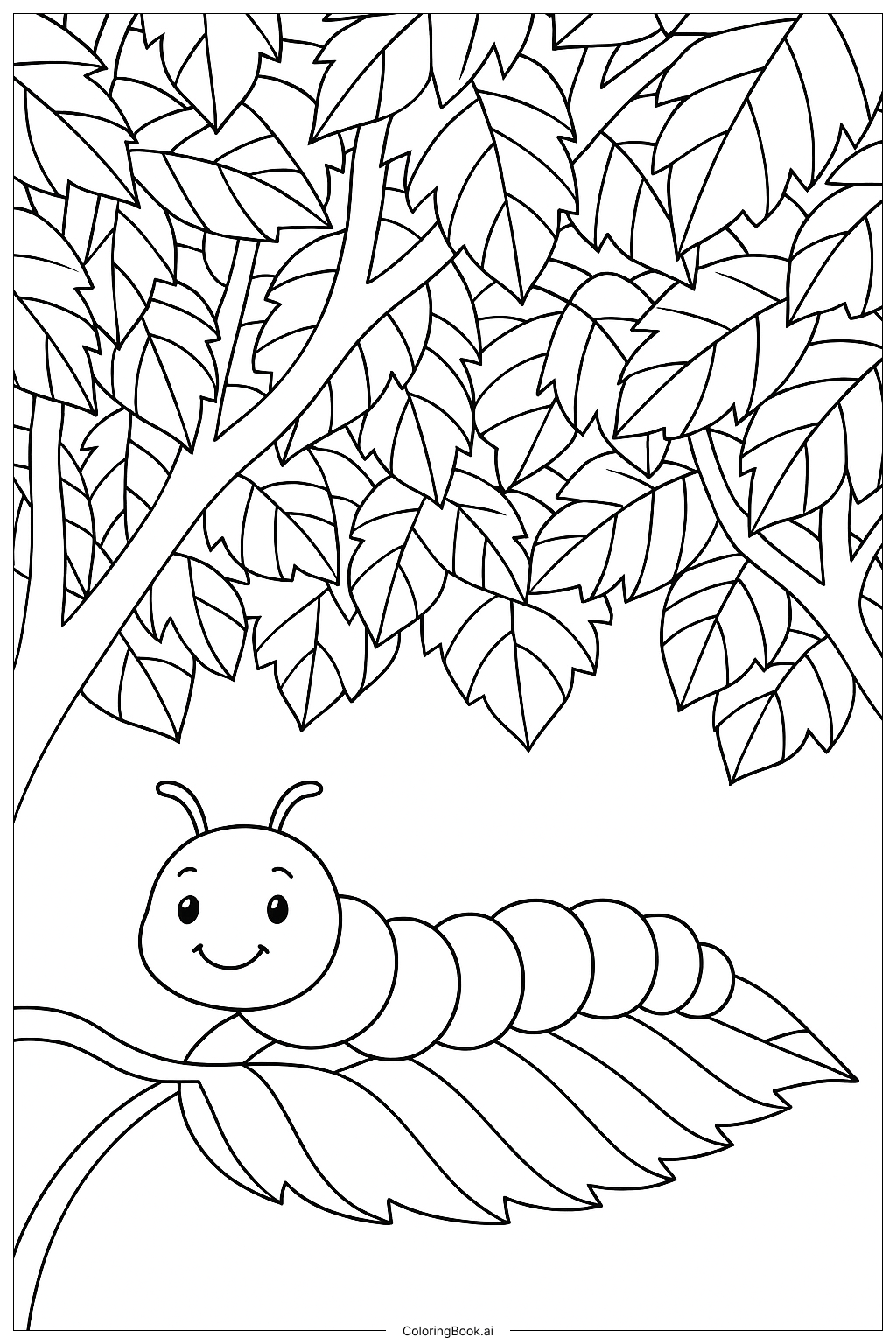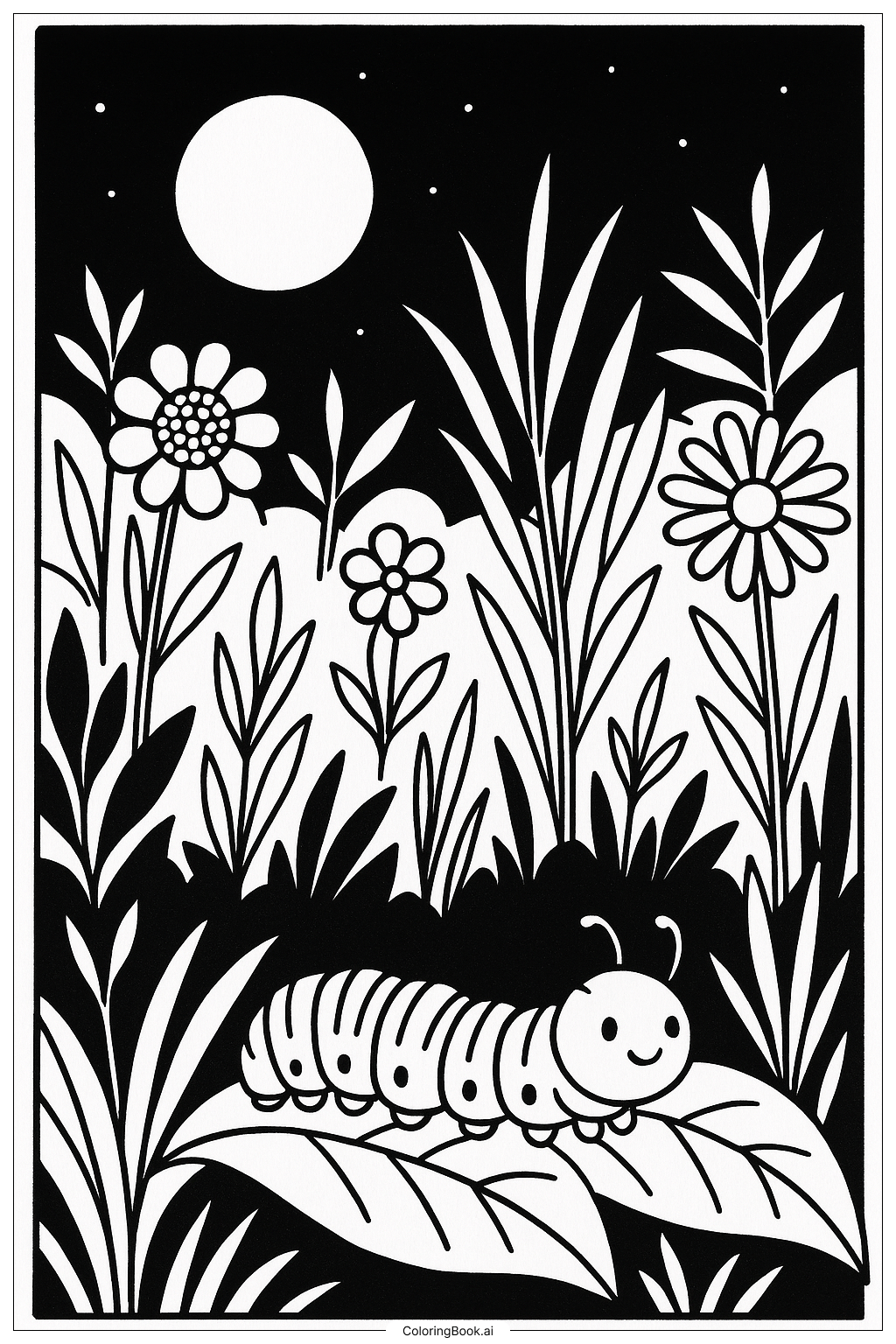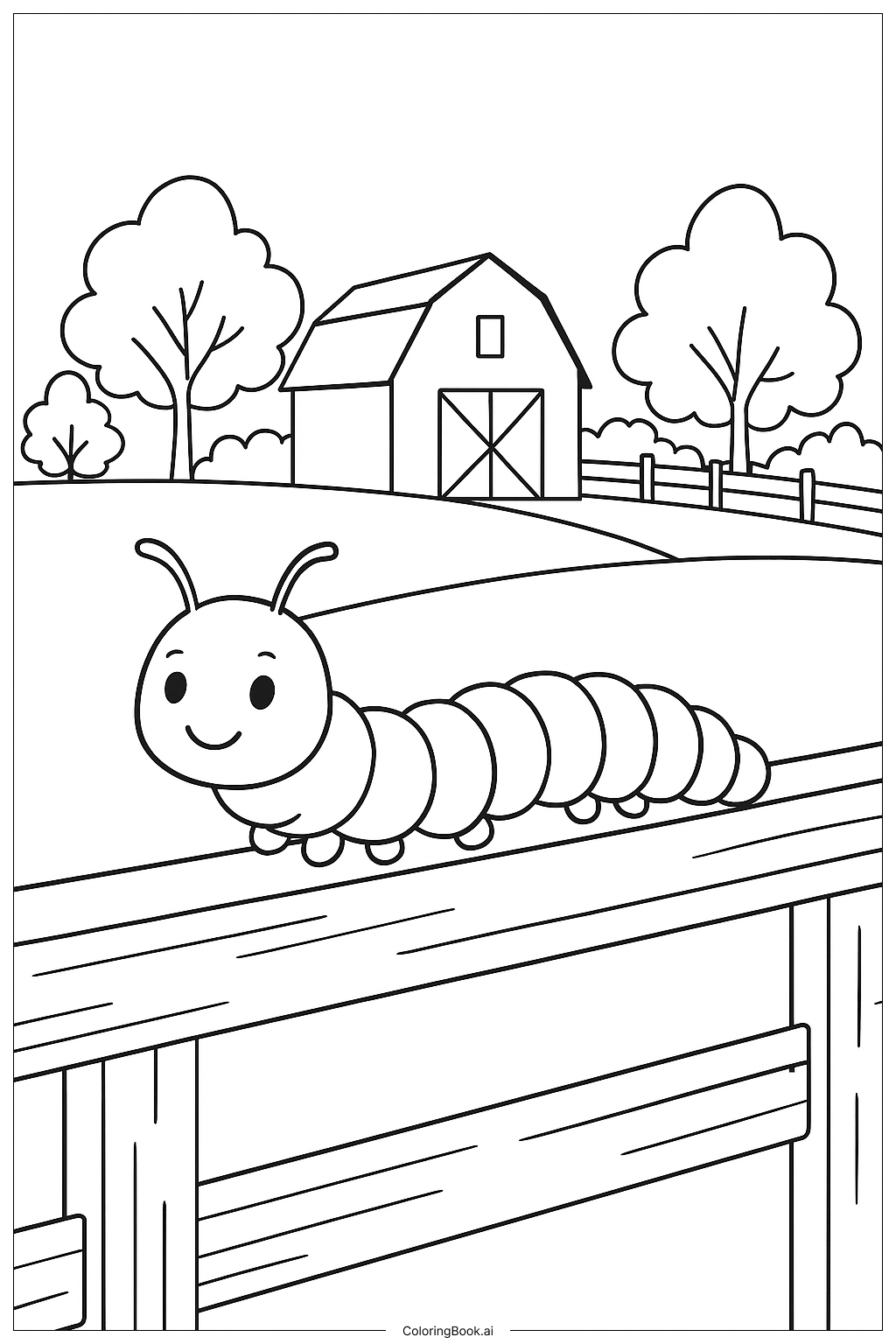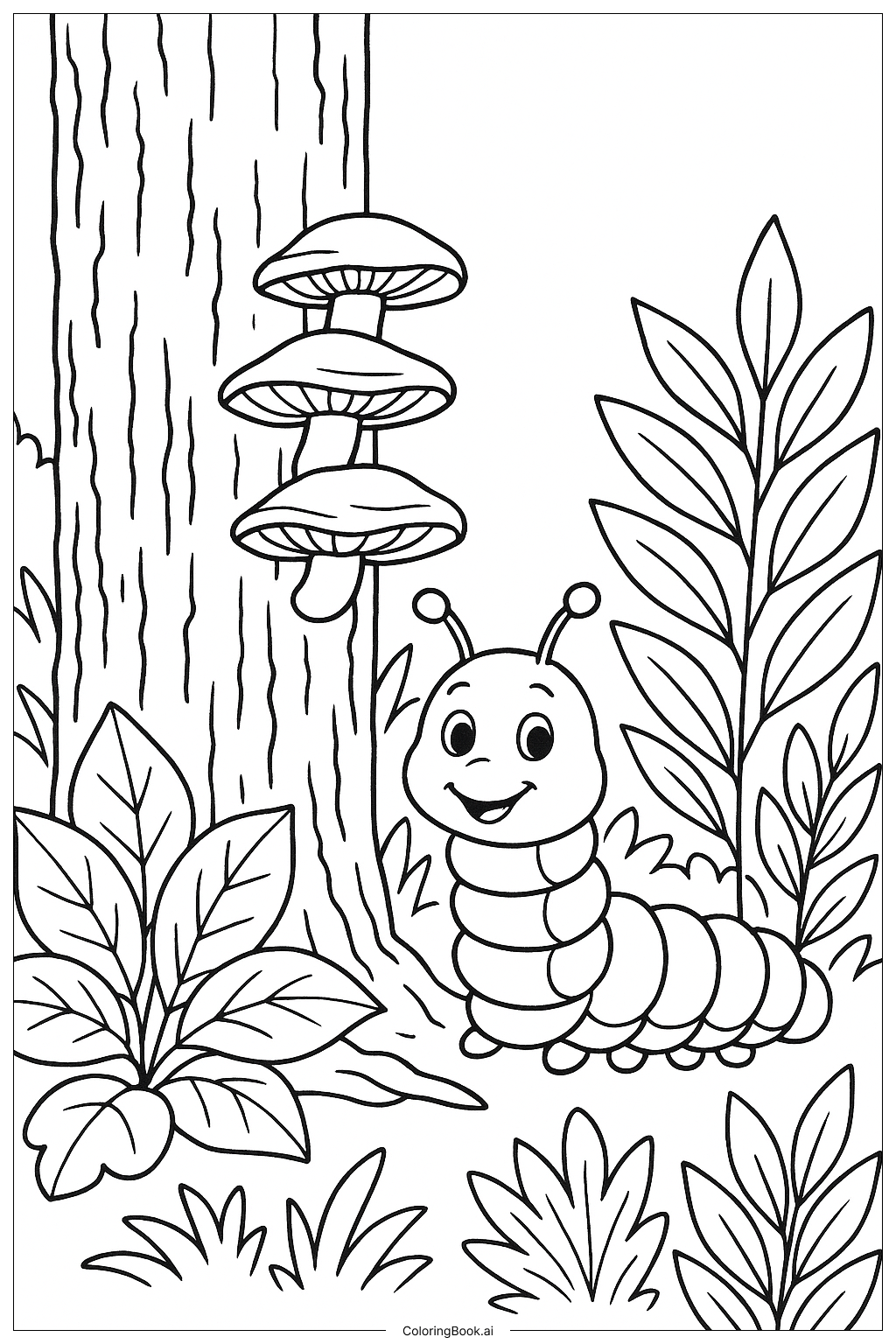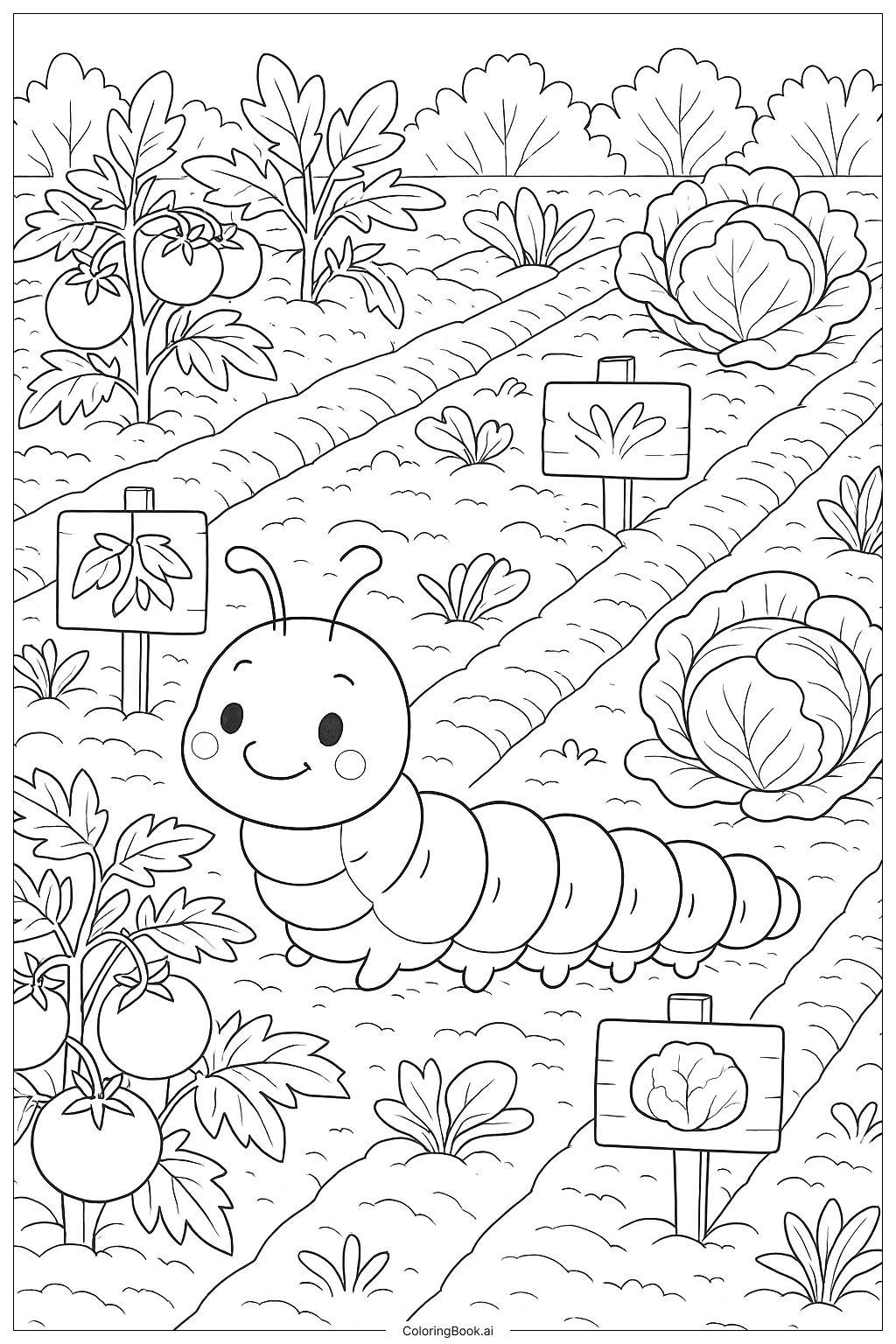
Coloring tips: How to color Caterpillar Exploring Vegetable Garden coloring page well?
Use bright, lively colors to bring the garden to life. Color the caterpillar in shades of green and yellow to make it look friendly and natural. Use red and green for the tomato plants to show ripe tomatoes and fresh leaves. Cabbage heads can be in soft greens and blues to show their leafy texture. The soil should be brown with some hints of orange or darker tones to give depth. For the background trees and bushes, use different shades of green and add a light blue or soft yellow sky for a sunny day effect. Try to color the signs with bright colors to make them stand out against the garden.
Coloring challenges: Which parts are difficult to color and need attention for Caterpillar Exploring Vegetable Garden coloring page?
1. Coloring the caterpillar's many body segments evenly can be challenging, requiring patience to keep the colors consistent.
2. The small leaves and details on the plants need careful coloring to avoid going outside the lines.
3. Creating a natural look for the soil with shading or blending different browns can be tricky.
4. Distinguishing between different types of vegetables by their color may be confusing if not familiar with them.
5. Ensuring the background trees do not overpower the main garden scene while still adding depth takes balance.
Benefits of coloring books: Advantages of drawing Caterpillar Exploring Vegetable Garden coloring page
Coloring this image helps children practice fine motor skills by coloring small and large areas carefully. It encourages them to learn about different vegetables and their colors, boosting their knowledge of nature. The picture also promotes creativity as children can choose unique colors for the garden and caterpillar. Working on shading and blending the soil and plants improves artistic skills. Lastly, completing this cheerful garden scene boosts confidence and provides a sense of accomplishment.