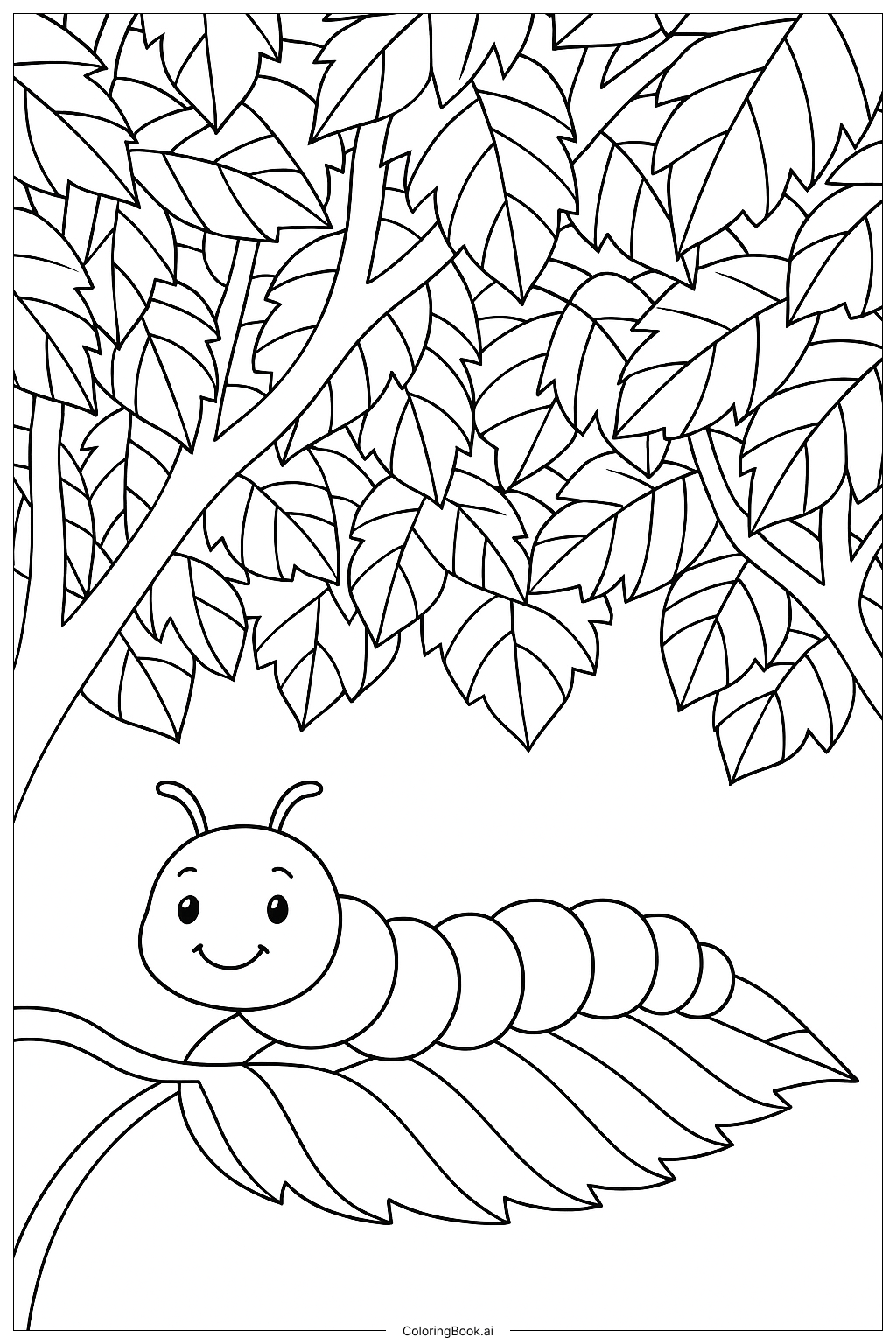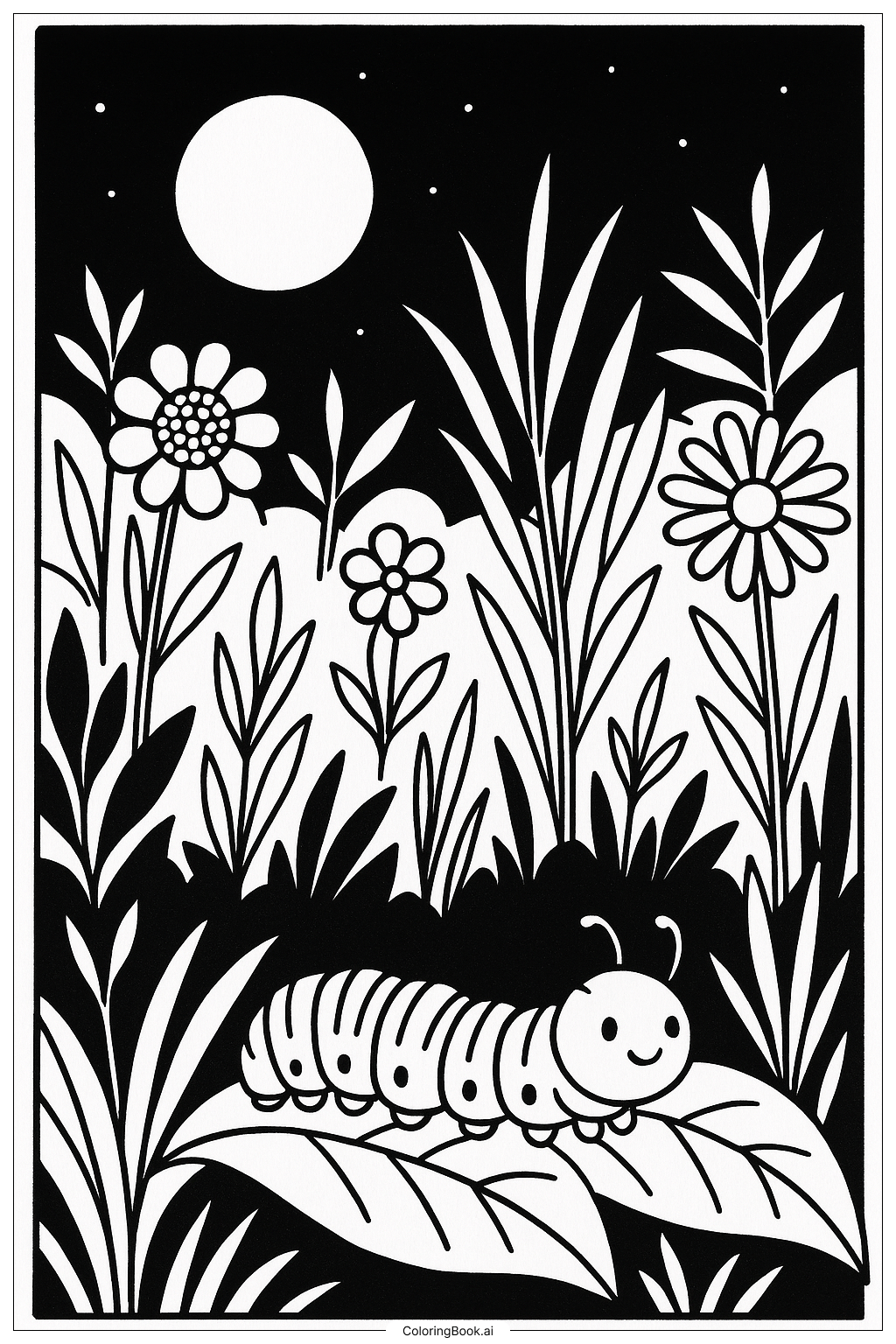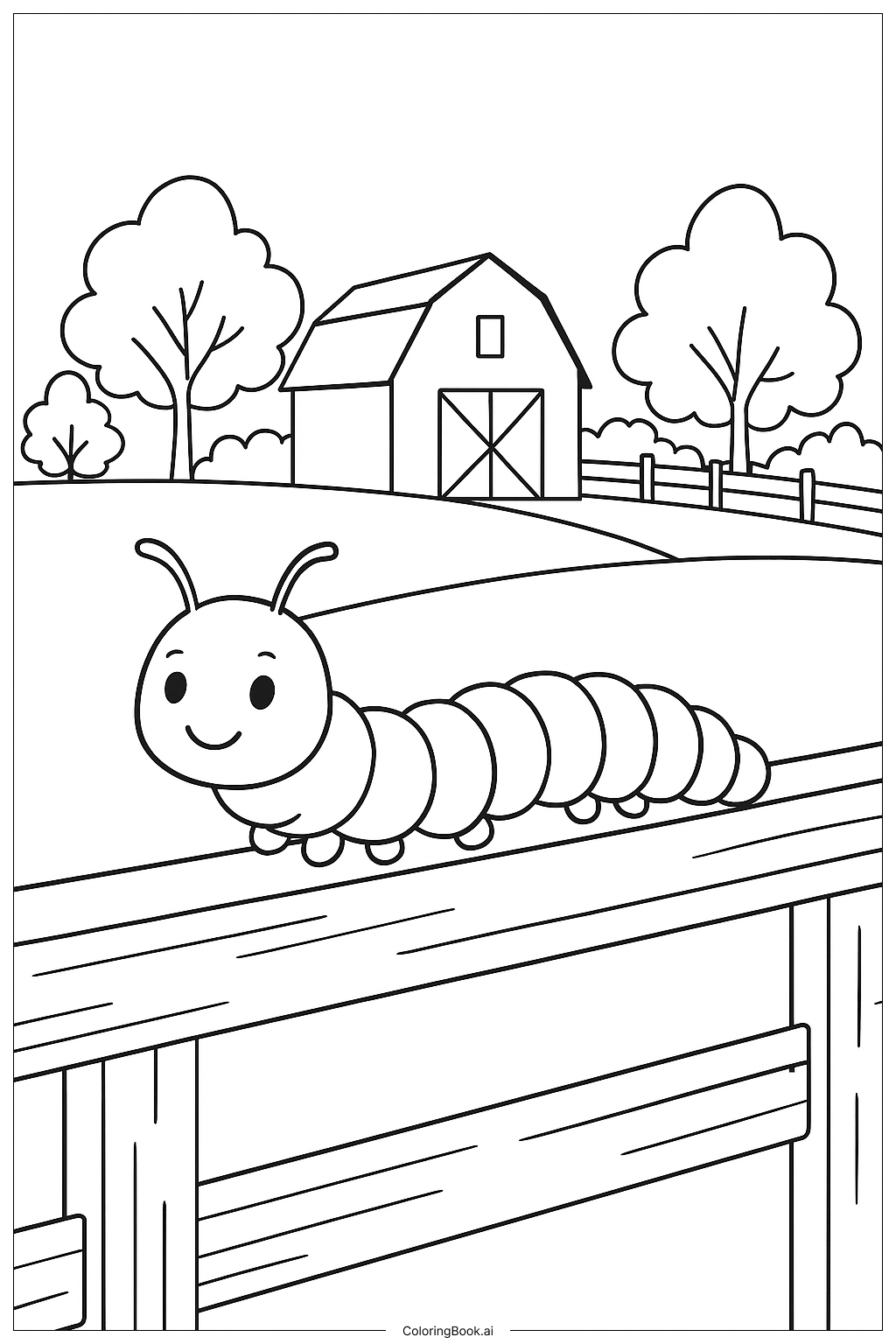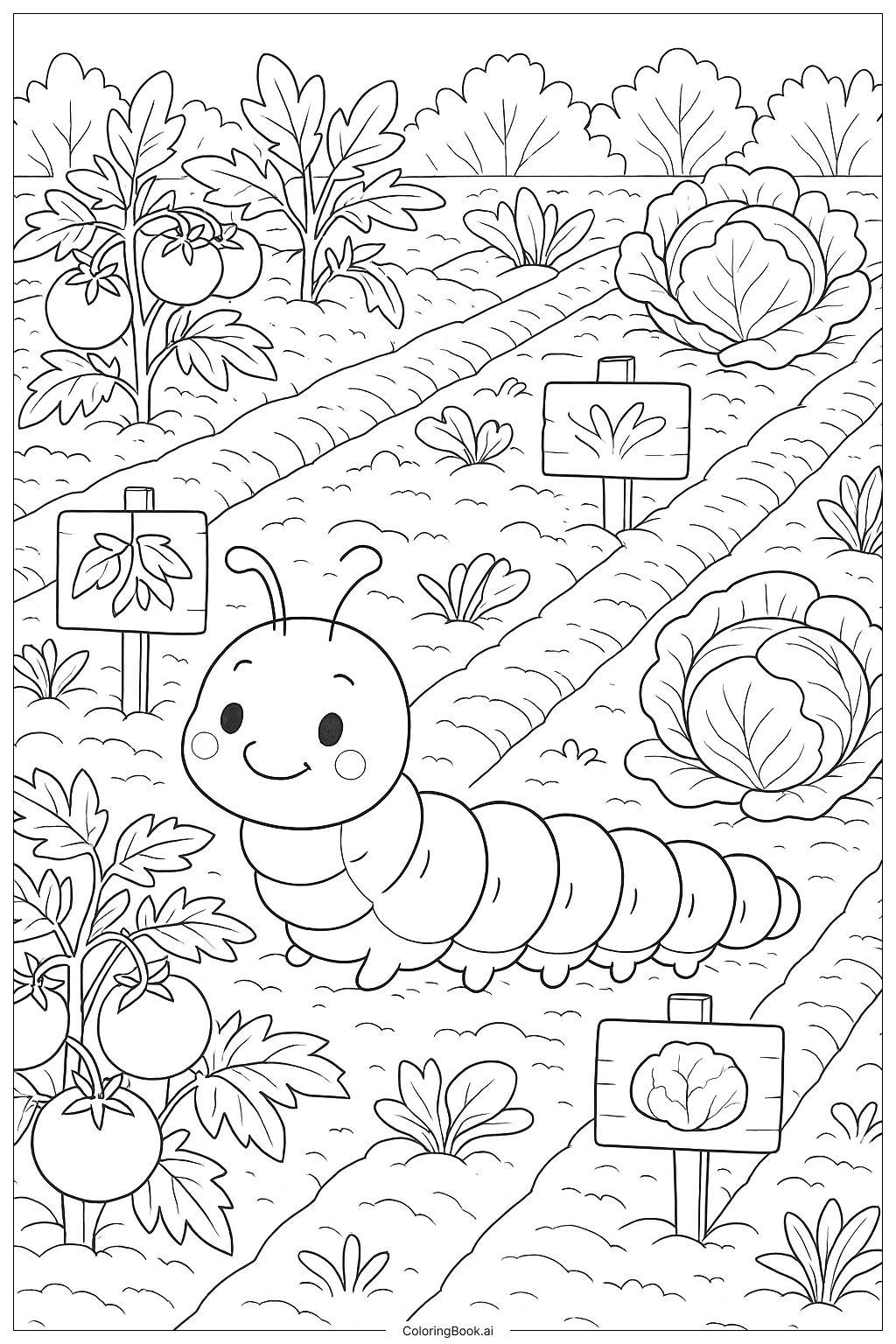
Coloring tips: How to color Caterpillar On Pebble coloring page well?
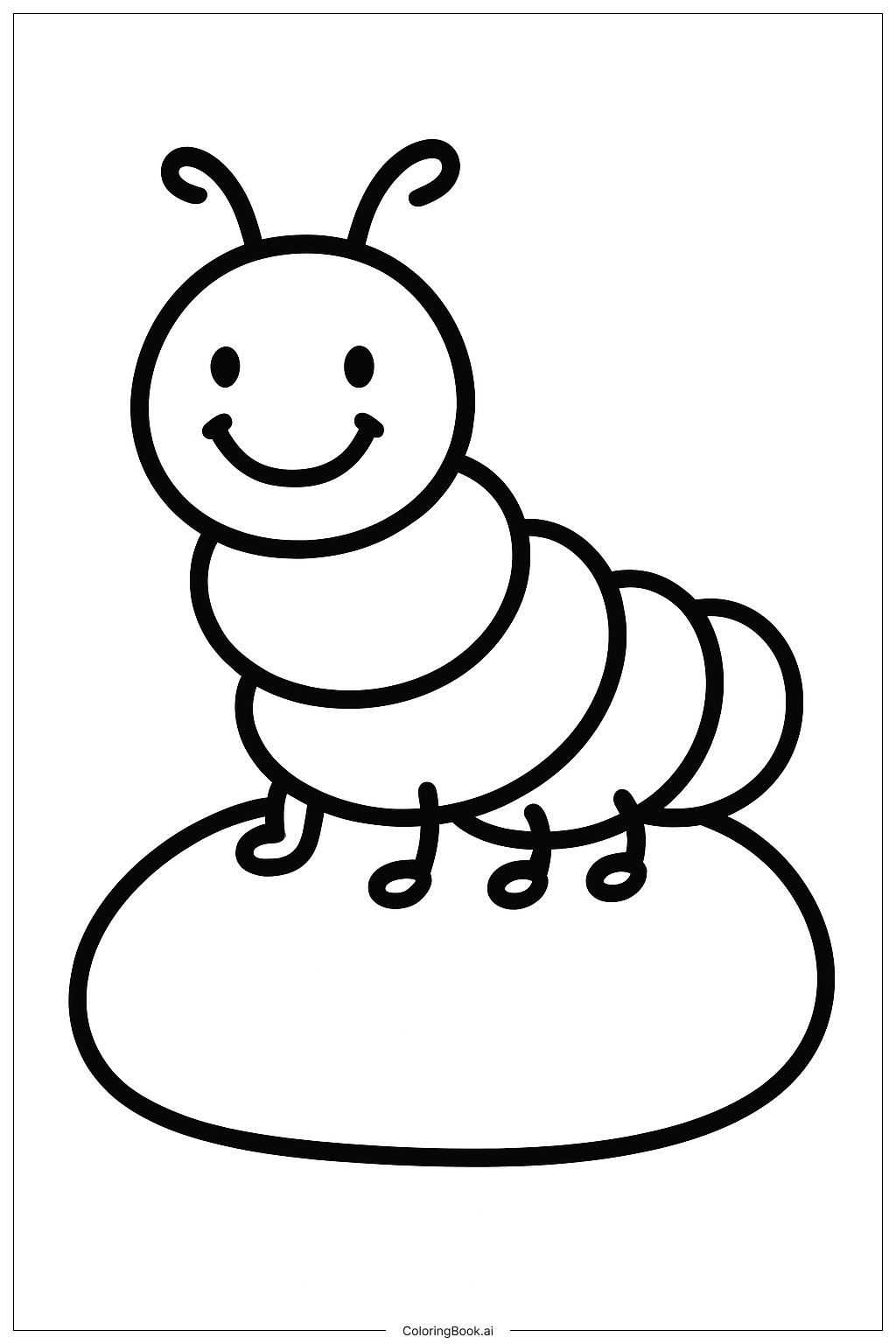
You can use bright and cheerful colors to make the caterpillar look lively. Try green, yellow, or orange for the body to show it as a natural insect. The pebble can be shaded with gray, brown, or light blue to give it a smooth and cool feel. Use different shades for each segment of the caterpillar’s body to add depth and interest. You might also like to color the antennae and legs in contrasting colors to make them stand out.
Coloring challenges: Which parts are difficult to color and need attention for Caterpillar On Pebble coloring page?
1. Coloring small parts like the caterpillar's tiny legs can be tricky and require careful attention to stay inside the lines.
2. The rounded segments of the caterpillar's body need smooth coloring to avoid making some parts look uneven or blotchy.
3. Choosing different colors for each segment without making the caterpillar look too busy might be challenging for young colorers.
4. Coloring the pebble in a realistic way, with shading to show its curves, can be difficult but adds a nice touch.
5. Keeping the caterpillar's face cheerful by not coloring over it or smudging the eyes and smile is important for the overall look.
Benefits of coloring books: Advantages of drawing Caterpillar On Pebble coloring page
Coloring this picture helps kids improve their fine motor skills by practicing careful coloring inside the lines. It encourages creativity as they choose colors and experiment with shading. The simple shapes make it easier for younger children to feel successful, while the small details provide a slight challenge for older kids. Coloring this happy caterpillar also brings joy and relaxation, making it a fun activity that boosts confidence and patience.