Coloring tips: How to color Buzz Lightyear Exploring Cave coloring page well?
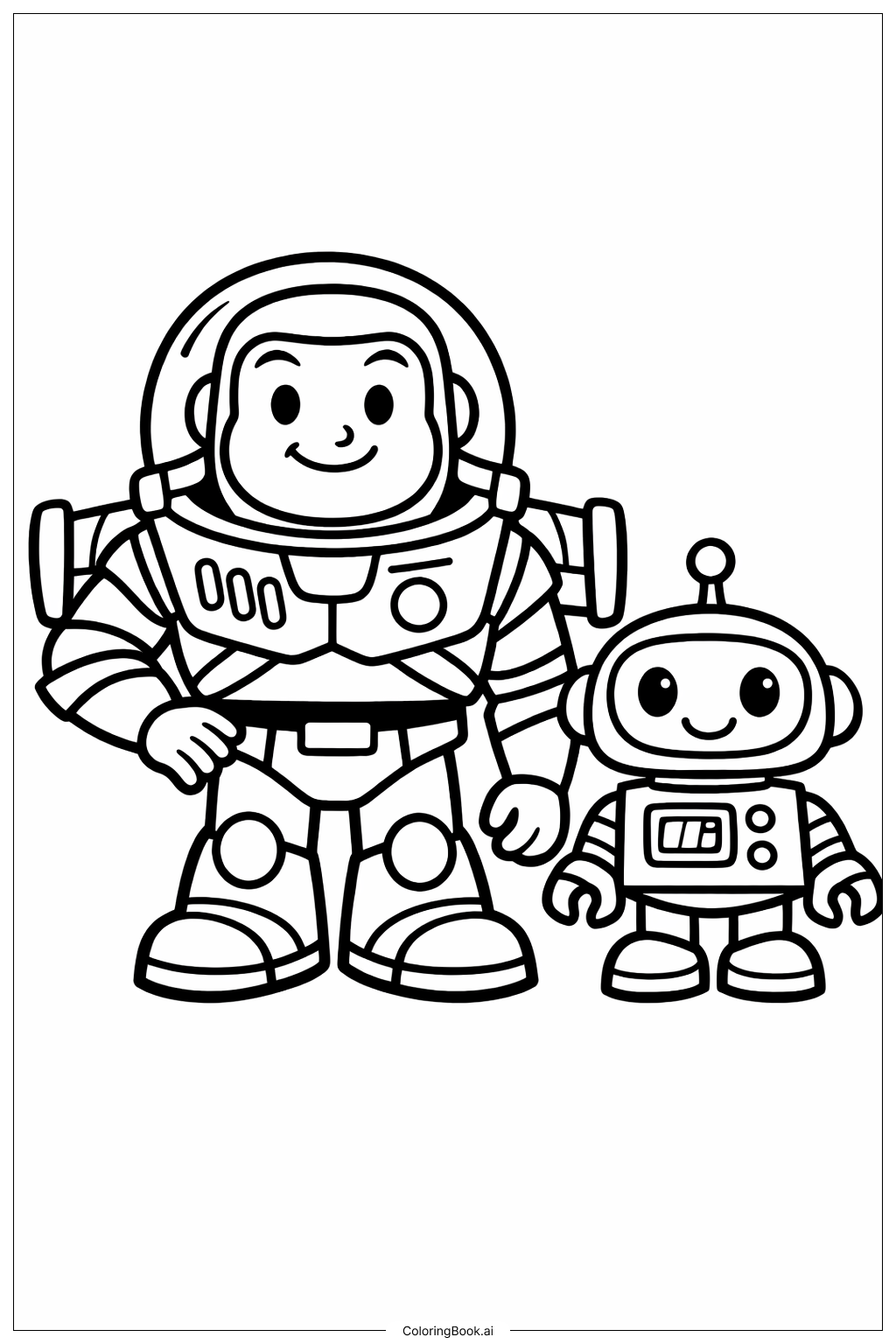
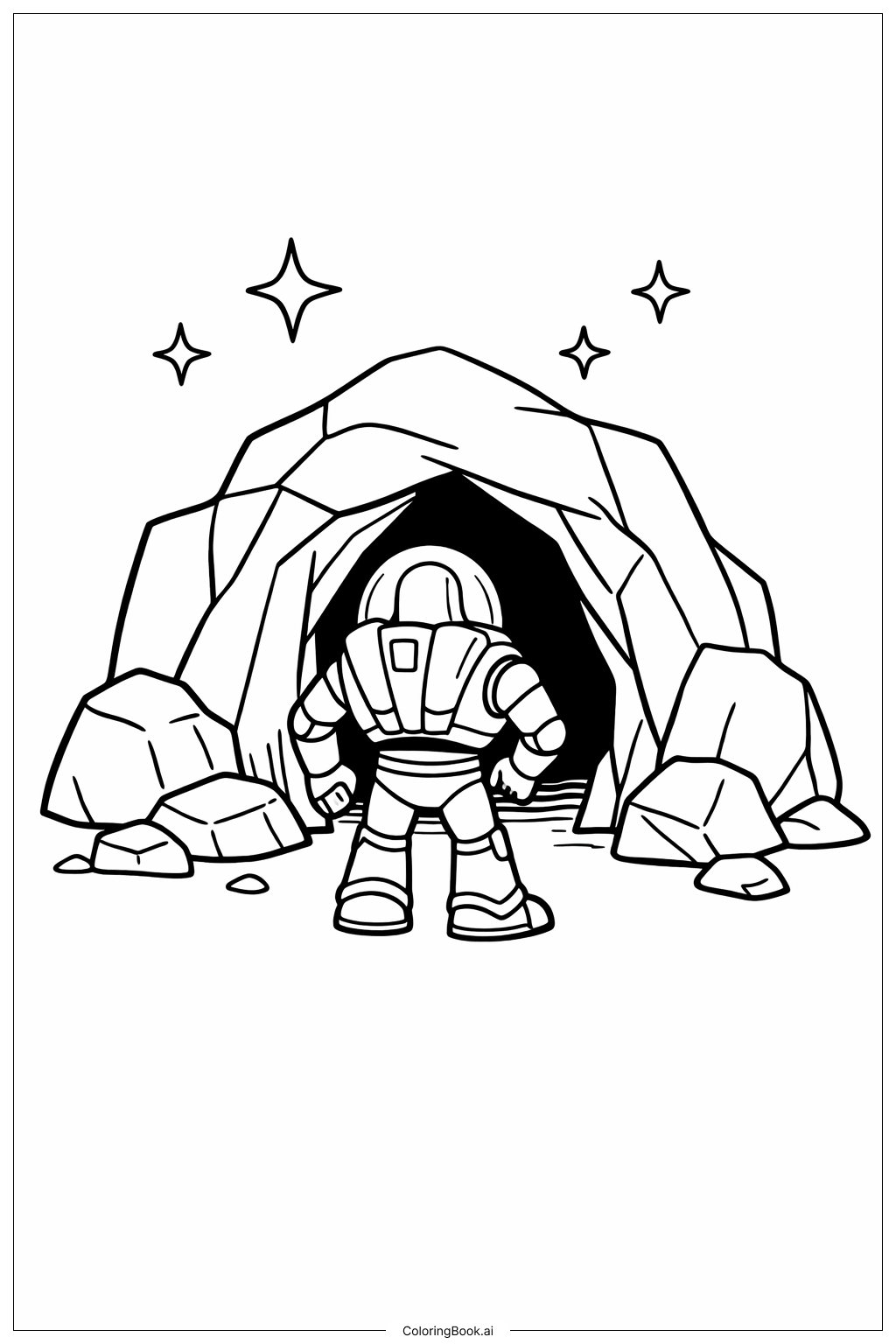
Use bright whites and greens for Buzz Lightyear's space suit to make him stand out. His helmet can be colored light gray with a shiny visor effect using soft blues or silvers. For the cave walls, try shades of gray, brown, and dark beige to create a rocky texture. Add some warm colors like orange or yellow to highlight areas where light falls. The shadows in the cave can be deeper blues or purples. The rocky ground can have small spots of green moss or crystals for extra fun. Don’t forget to color Buzz’s buttons and jetpack details with vibrant reds, blues, and purples. Experiment with blending lighter and darker shades to show depth and adventure.
Coloring challenges: Which parts are difficult to color and need attention for Buzz Lightyear Exploring Cave coloring page?
• Complex Details on Buzz: The suit has many small sections and gadgets that require careful coloring to keep Buzz looking realistic.
• Cave Texture Variations: Capturing the rough, uneven texture of the cave walls and floor needs gradual shading and contrasting tones.
• Light and Shadow Effects: The helmet light and cave shadow areas require blending skills to show glowing and darkened effects.
• Small Stalactites and Rocks: Their tiny size means steady hands and attention to detail are necessary.
• Consistent Color Palette: Balancing earthy cave colors with Buzz’s bright futuristic colors can be challenging to keep the image harmonious.
Benefits of coloring books: Advantages of drawing Buzz Lightyear Exploring Cave coloring page
Coloring this image helps improve focus and fine motor skills with its mix of large and small details. It encourages creativity by blending futuristic elements of Buzz Lightyear with natural cave textures. Kids can practice using light and shadow techniques to make the scene more exciting and realistic. This activity also promotes imagination, inspiring stories of exploration and bravery. Overall, it’s a fun way to combine adventure with artistic skill development, suitable for children aged 4 to 16.