Coloring tips: How to color Tiny Bumblebee Flying coloring page well?
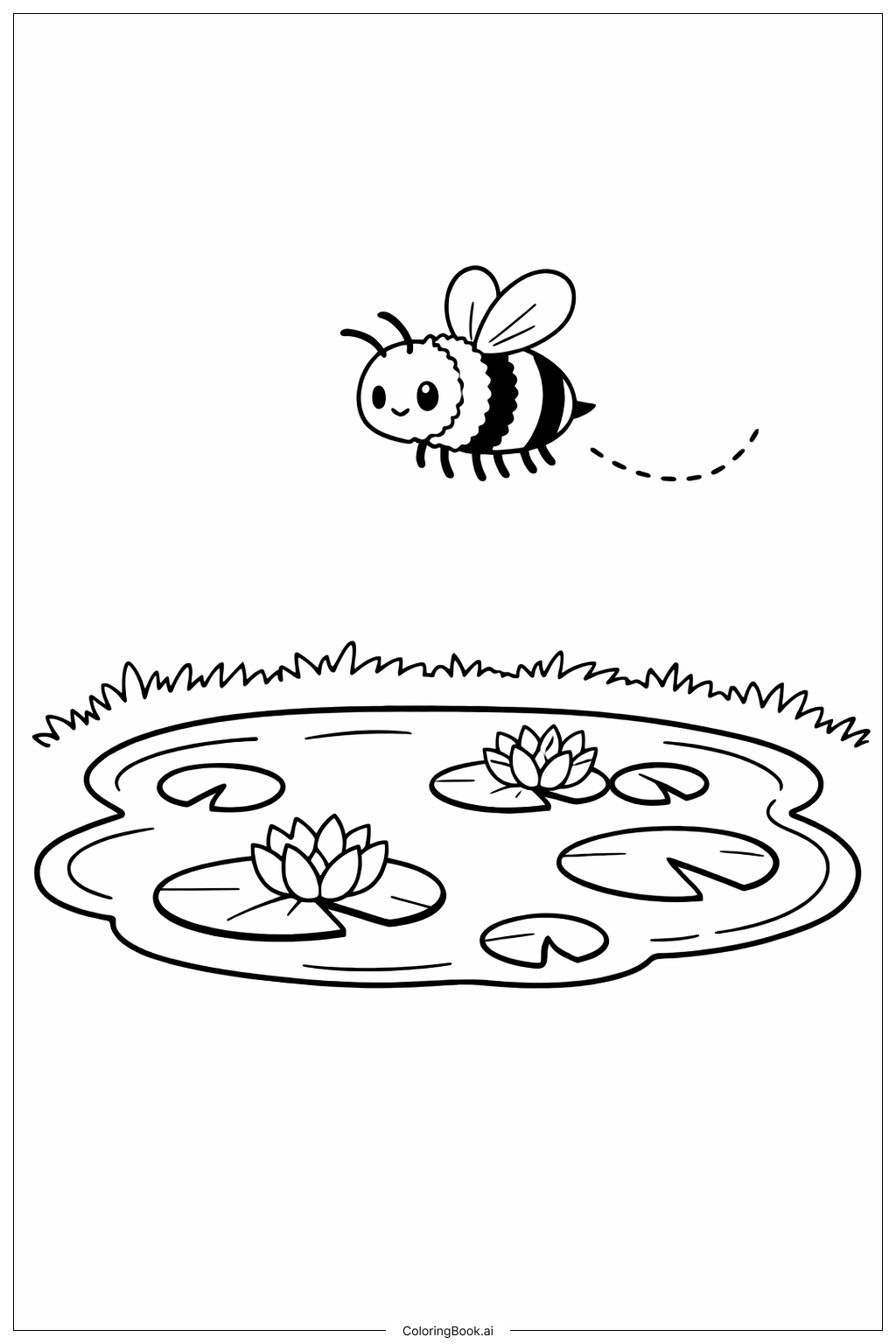
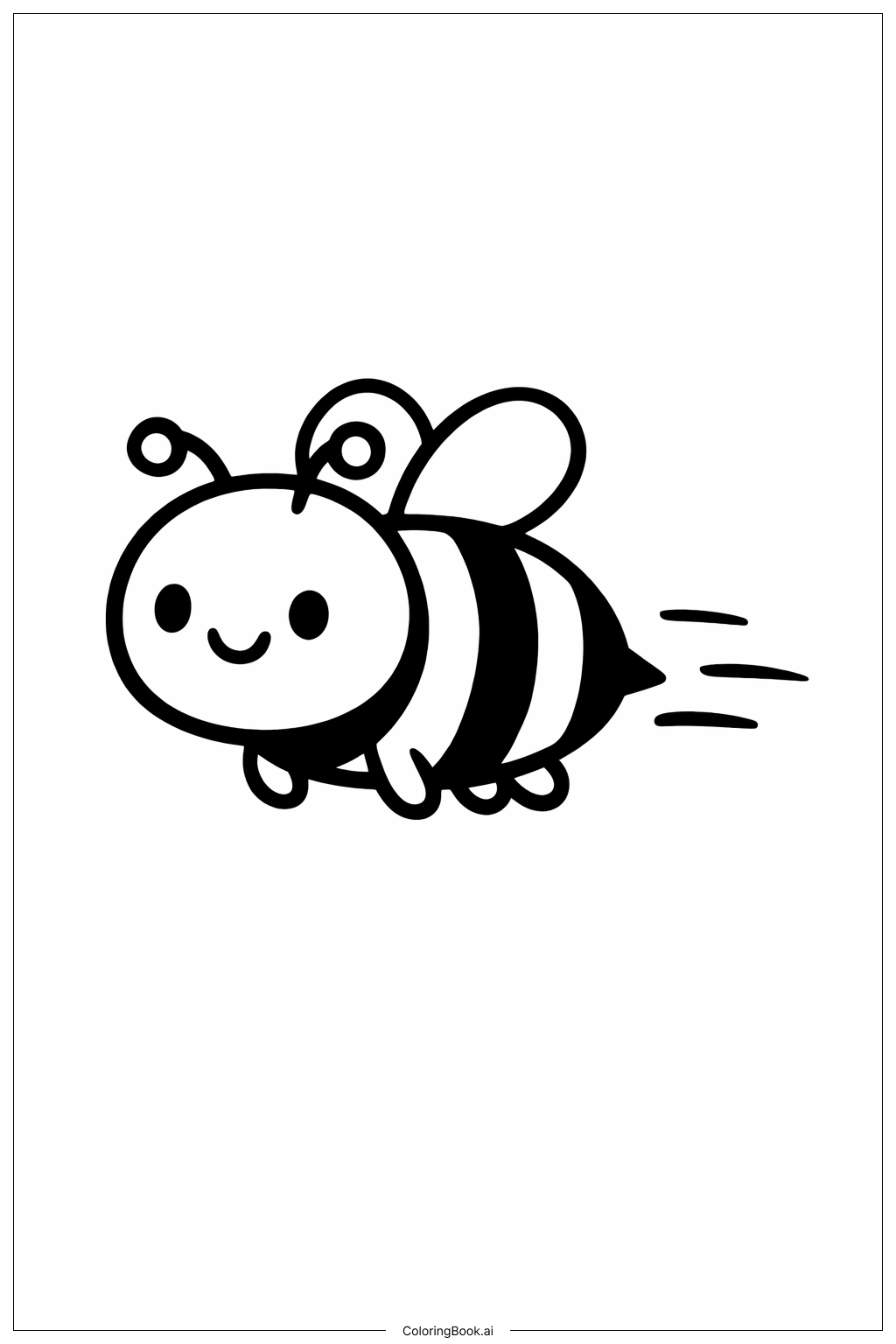
For this picture, bright yellow and warm black colors work well for the bumblebee’s body stripes. You could use soft white or light gray tones to color the translucent wings and add a little shimmer to show how they catch the light. The antennae and legs look great in dark brown or black. Try using different shades of green for any leaves or plants nearby to create a fresh background. Adding small colorful flowers like pinks, purples, or blues will make the bumblebee’s flying scene more lively and fun to color.
Coloring challenges: Which parts are difficult to color and need attention for Tiny Bumblebee Flying coloring page?
• Wing Transparency: The bumblebee’s wings are delicate and translucent, which can be tricky to color without making them look too solid. Using light shades or gentle strokes helps keep the right effect.
• Small Details: The tiny antennae and legs are very thin and require careful coloring to stay inside the lines, which might be challenging for younger children.
• Body Stripes: Balancing the yellow and black stripes evenly is important for the bumblebee’s natural look. Overlapping or uneven colors can affect the realism.
• Shading and Texture: Showing the fuzzy texture of the bumblebee’s body requires using shading effectively, which could be difficult but enhances the final art.
• Background Elements: If the image contains flowers or plants, choosing colors that complement the bumblebee without overpowering it needs thought and creativity.
Benefits of coloring books: Advantages of drawing Tiny Bumblebee Flying coloring page
Coloring this tiny bumblebee helps develop fine motor skills and hand-eye coordination, especially due to its small, detailed parts. It encourages observation skills as children notice the patterns on the bumblebee’s body and the delicate transparency of the wings. This activity also promotes patience and concentration while staying within the lines of tiny features. Additionally, coloring nature-themed images like this fosters appreciation for insects and the environment, sparking curiosity about how bumblebees help plants grow. Overall, it’s a fun, educational way to learn about nature and practice art skills.