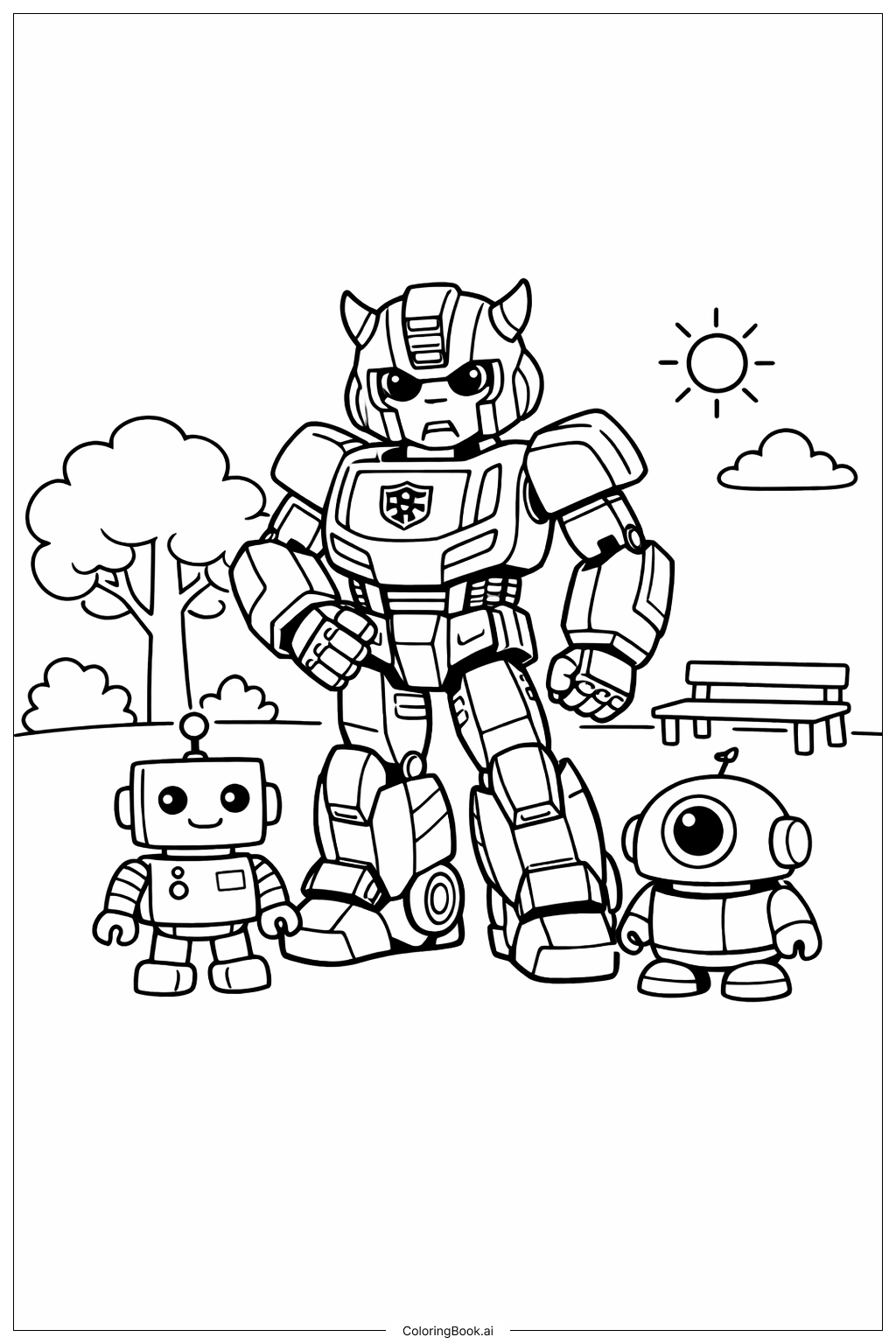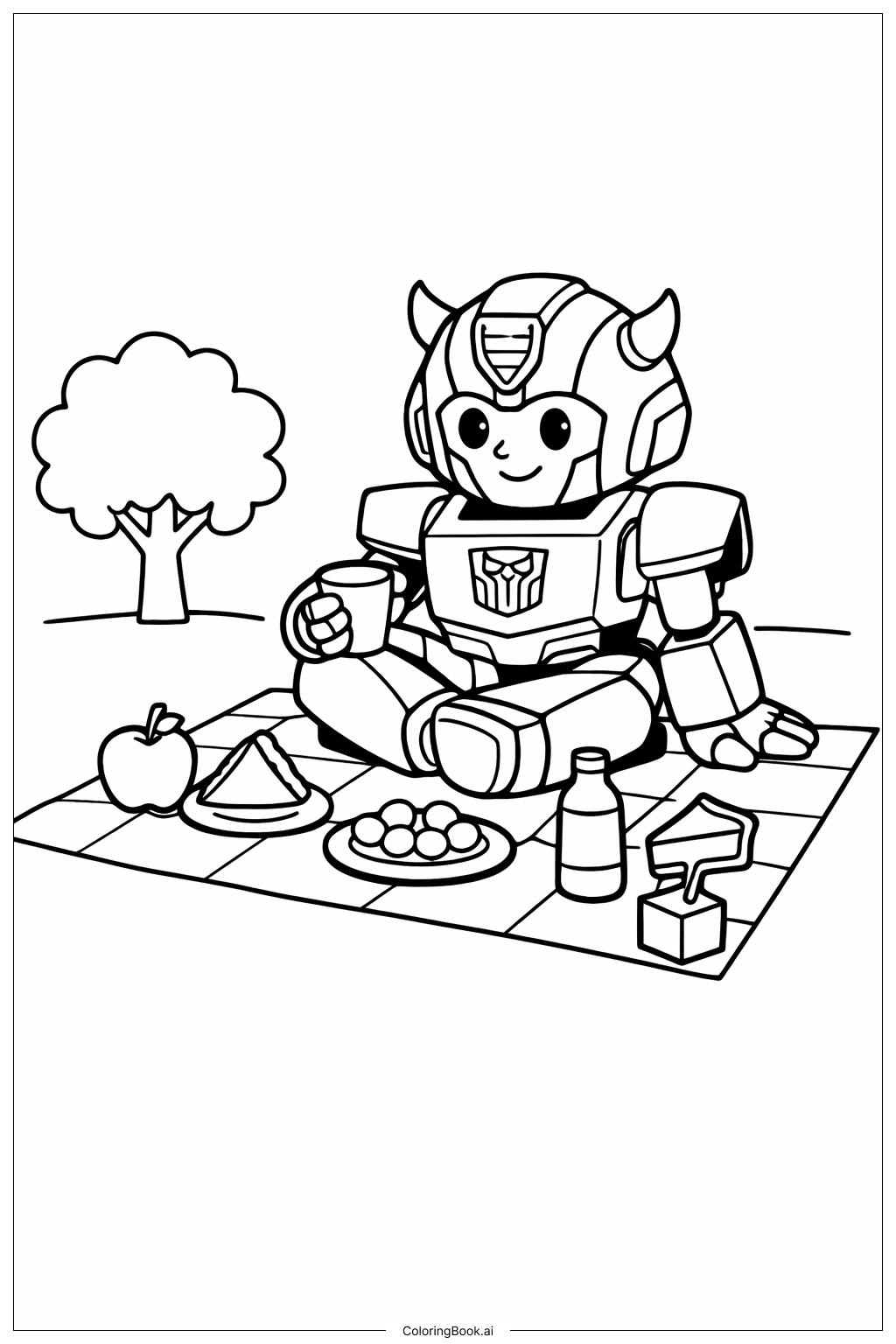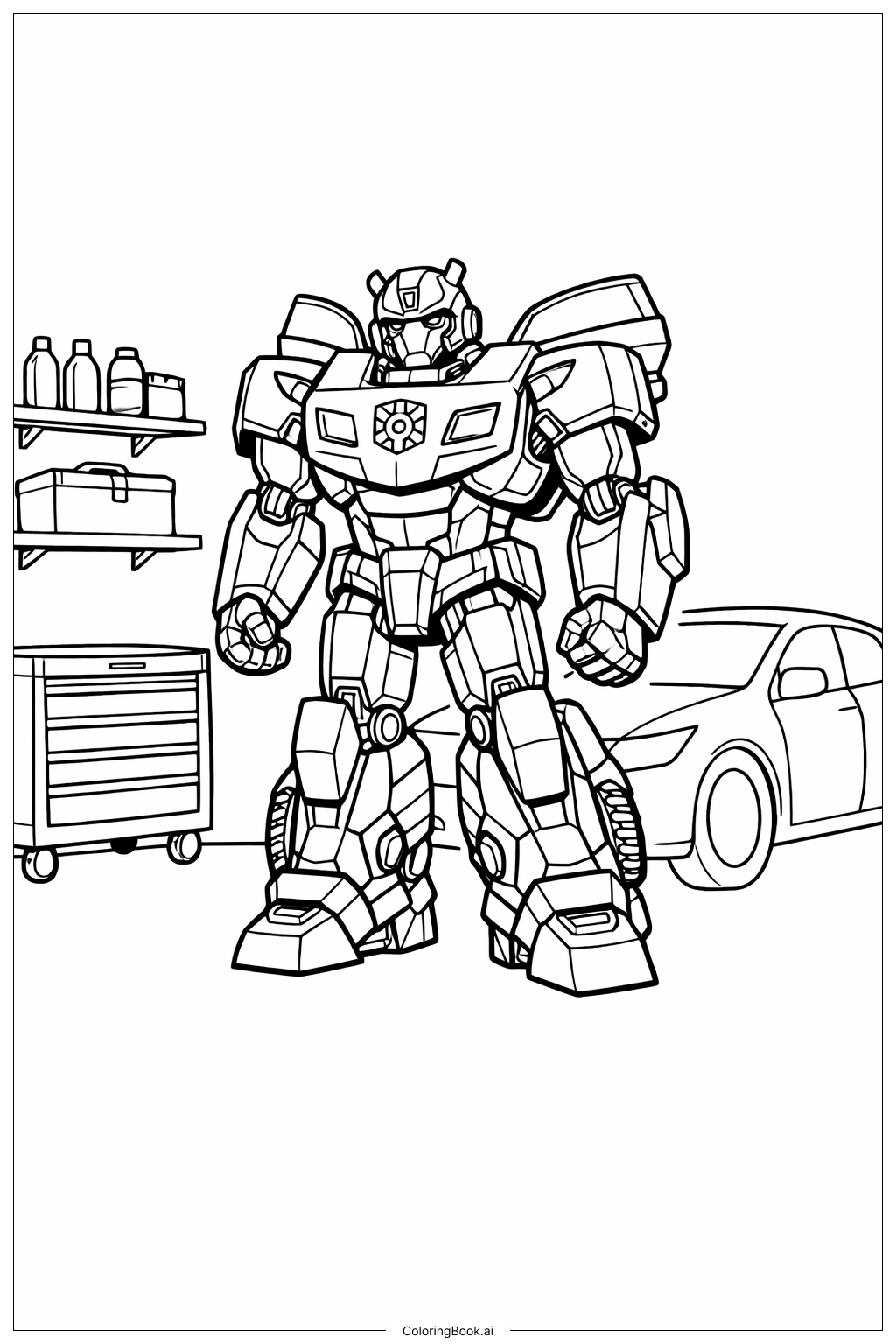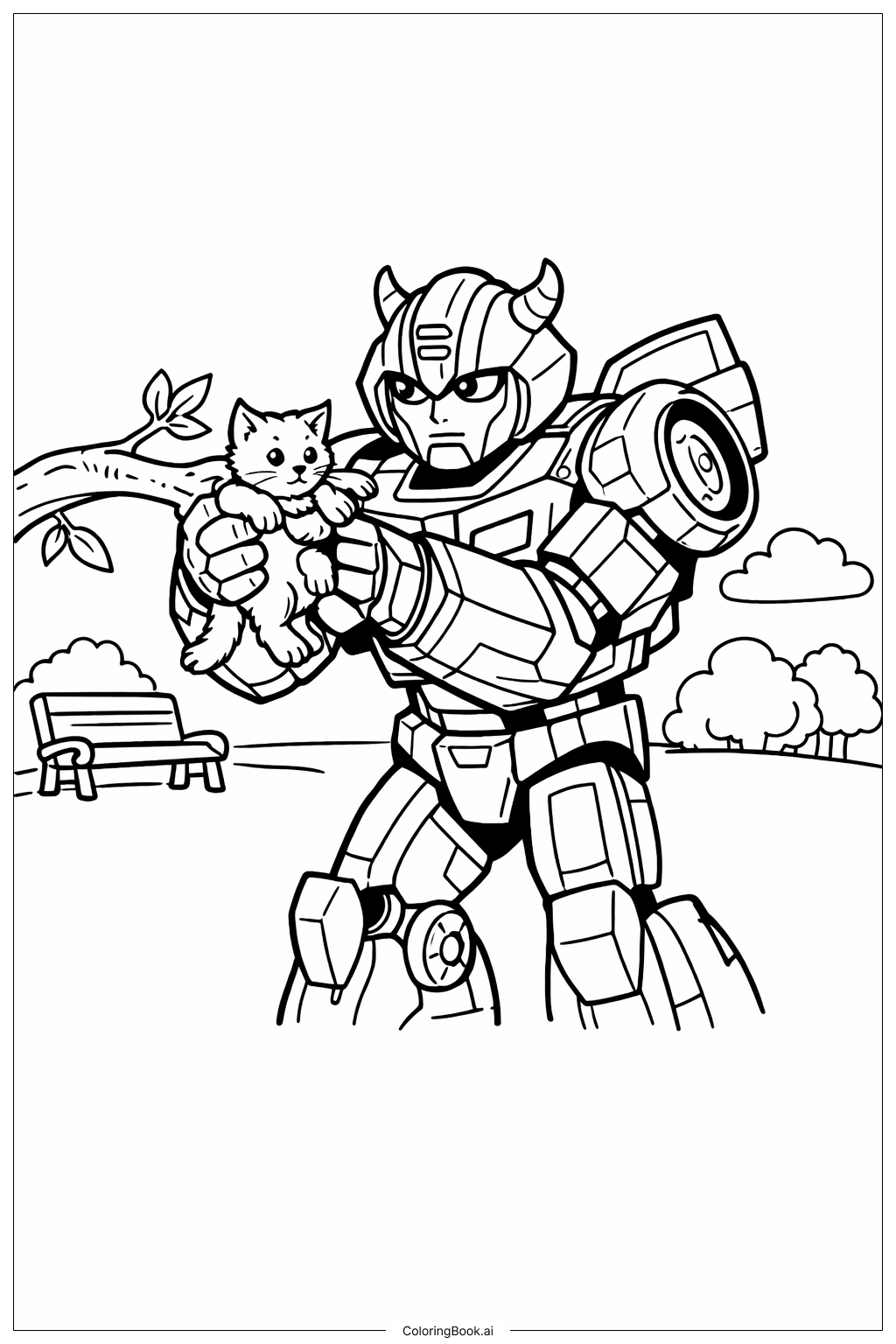
Coloring tips: How to color Bumblebee Transformer Toddler Style coloring page well?
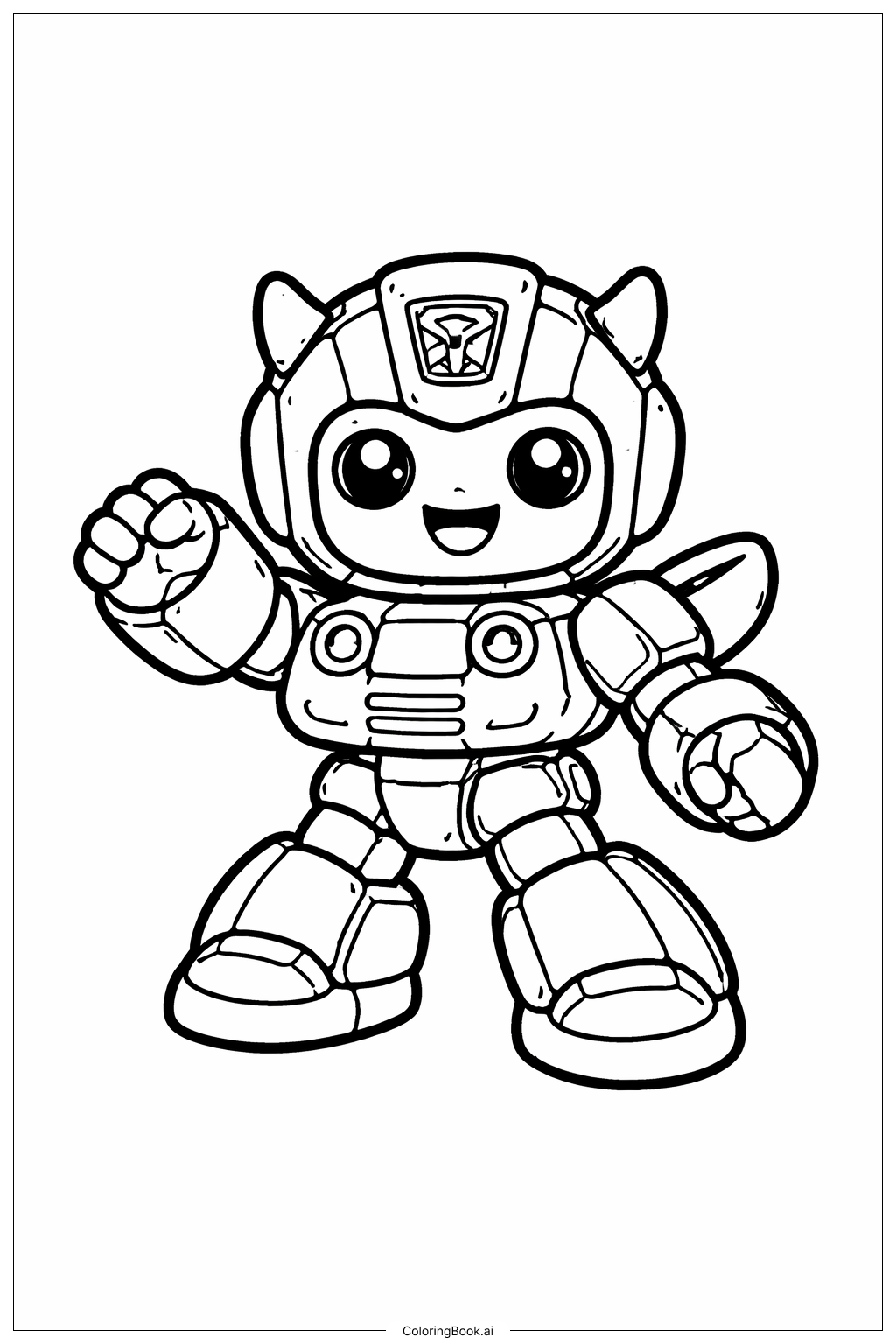
To color Bumblebee, start with bright yellow for the main parts like the head, arms, and legs because Bumblebee is mostly yellow. Use black for the details and lines to create contrast. You can add gray or silver for the mechanical parts to make them look metallic. For the eyes, use bright colors like blue or green to make them shine. Don't forget to color the wings and other small details carefully. Use crayons or markers for smooth and bold colors. Mixing yellow and a little orange can add depth and make Bumblebee look more lively. Have fun experimenting with different shades!
Coloring challenges: Which parts are difficult to color and need attention for Bumblebee Transformer Toddler Style coloring page?
1. Small Mechanical Details: The many small parts and lines on Bumblebee’s body can be tricky to color without going outside the lines. It needs a steady hand to keep colors neat.
2. Color Contrast: Using the right amount of black and yellow can be hard. Too much black can make the picture dark, and too little can reduce the robot’s shape clarity.
3. Rounded Shapes: The big, curved shapes of Bumblebee’s arms and legs may seem easy, but shading them evenly to show roundness can be challenging.
4. Eyes and Facial Expression: Coloring the large eyes and smile carefully is important to keep Bumblebee looking happy and friendly.
5. Wing Details: The small wings on the back require attention to detail and careful coloring to look neat and complete.
Benefits of coloring books: Advantages of drawing Bumblebee Transformer Toddler Style coloring page
Coloring Bumblebee helps improve hand-eye coordination and fine motor skills as children carefully fill inside the lines. It encourages creativity by allowing kids to choose different colors or shading styles. Coloring a familiar character like Bumblebee also boosts confidence and makes learning fun. The process can improve focus and patience while giving children a sense of achievement once their artwork is complete. Additionally, it helps children understand basic color theory and contrast by working with bright yellows, blacks, and metallic shades.