Coloring tips: How to color Beach Ball Fun coloring page well?
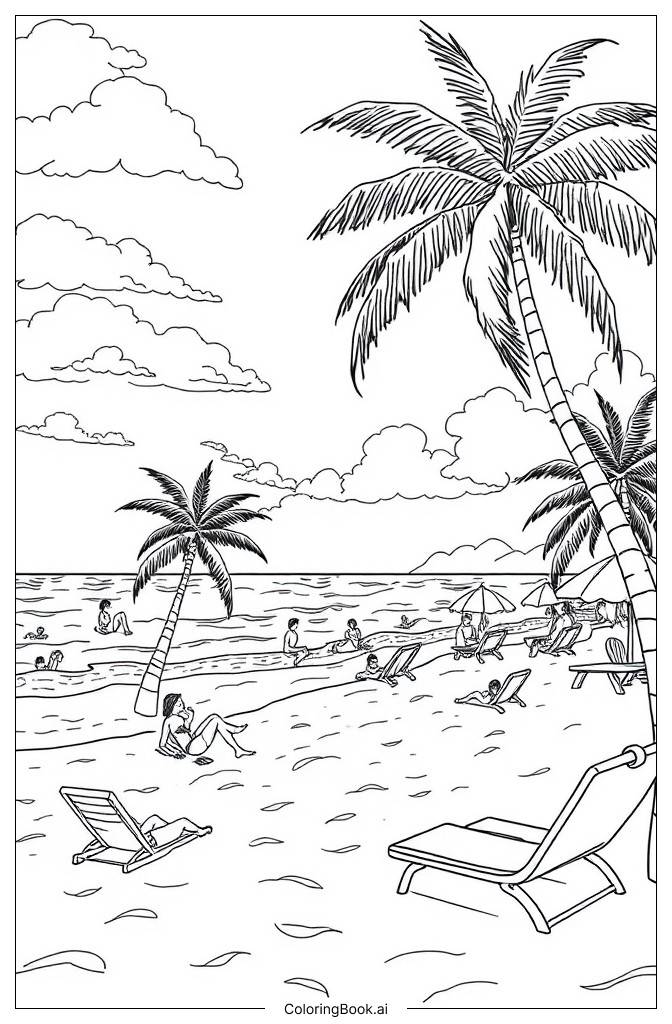
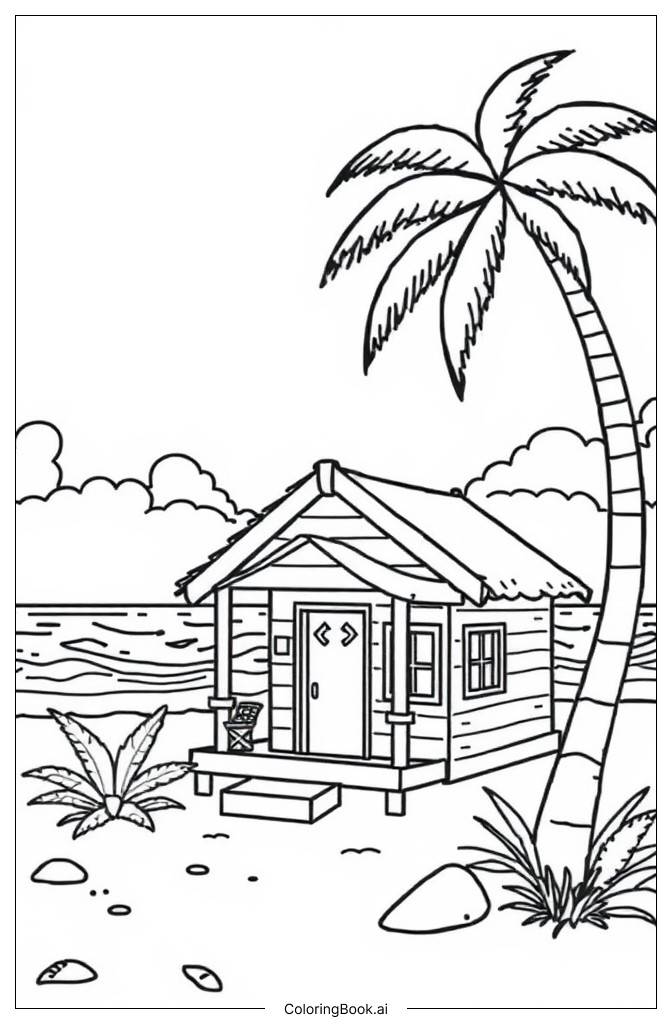
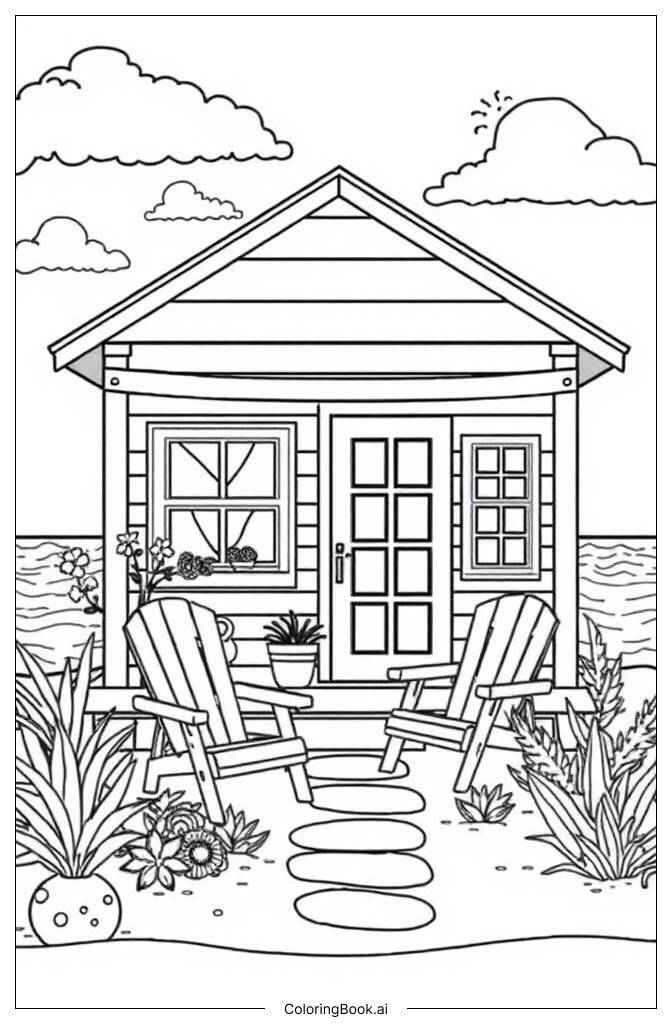
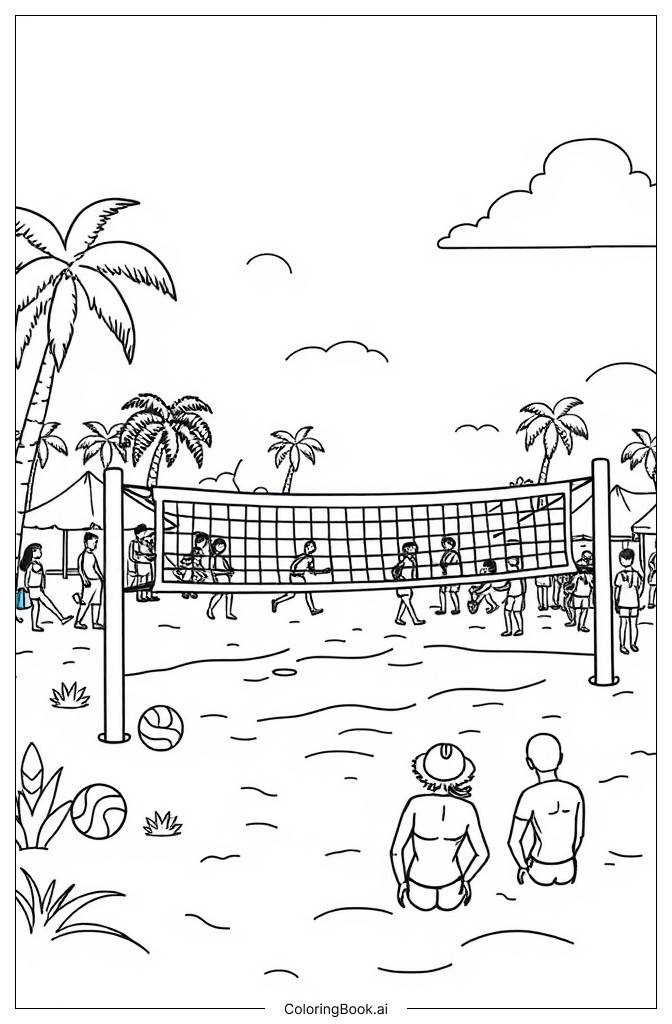
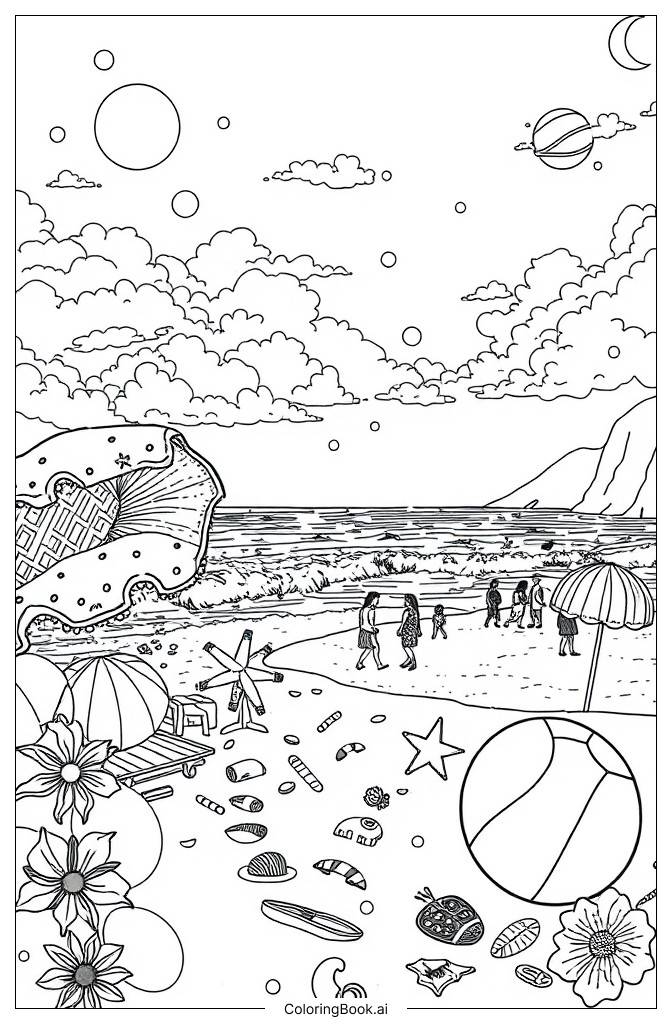
Start with the beach ball itself. Use bright, bold colors for each stripe — think red, yellow, blue, green, and orange. Alternate the colors so no two neighboring stripes share the same shade. For the sky, a soft light blue works great, and you can blend in some white for the clouds. Give the sun a warm golden yellow with short rays around it. The sand looks best in shades of tan, beige, or light golden brown. Use a deeper blue or teal for the ocean waves and add white along the wave edges to show the foam. For the seashells and starfish, try peach, coral, or soft orange tones. Keep your strokes light and even for large open areas, and use the tip of your colored pencil or a thin marker for the smaller details. Feel free to mix and match your favorite colors to make the scene uniquely yours!
Coloring challenges: Which parts are difficult to color and need attention for Beach Ball Fun coloring page?
• Beach Ball Stripes: The beach ball is divided into multiple curved stripe sections that follow the round shape of the ball. Staying within each stripe without crossing the dividing lines can be tricky, especially near the center point where all the sections meet. Using a thin-tipped tool first to outline the borders before filling in each stripe will help keep things neat and tidy.
• Curved Surface Shading: To make the beach ball look three-dimensional and round, adding a slight variation in color tone across each stripe is helpful. Lighter shades toward one side and slightly darker tones on the other create a sense of depth. This technique requires a gentle hand and careful blending, which can be a challenge for younger colorists.
• Ocean Wave Details: The water in the background has flowing, irregular wave lines that curve and overlap. Keeping the coloring smooth and consistent across these shapes while showing the movement of the water takes patience. Using two or three shades of blue or teal can help suggest depth and motion without overcomplicating the area.
• Small Coastal Elements: The seashells and starfish scattered on the sand are small in size and contain fine inner line details. Coloring these tiny shapes neatly without going outside the lines requires a sharp pencil or a fine-tip marker. Rushing this part can lead to smudging or color bleed.
• Sky and Sand Blending: The transition between the bright sky, the sun, and the sandy shore involves large open areas that should look smooth and even. Uneven pressure or streaky coloring in these zones can make the background look patchy, so a consistent, steady hand is important throughout.
Benefits of coloring books: Advantages of drawing Beach Ball Fun coloring page
Coloring this beach scene offers a wonderful range of benefits for kids and beginners alike. Working on the bold stripes of the beach ball builds hand-eye coordination and helps young colorists practice staying within lines, a foundational skill for fine motor development. Choosing colors for each stripe encourages creative thinking and color theory awareness in a fun, low-pressure way. The variety of elements in the scene — the ball, waves, sand, sky, and small shells — keeps the activity engaging and prevents it from feeling repetitive. Coloring large open areas like the sky and sand helps build patience and focus, while the smaller details on the shells and starfish challenge precision and attention. The bright, sunny subject matter also has a positive emotional effect. Beach scenes naturally bring feelings of warmth, joy, and relaxation, making this page a great stress-reliever after a long day. For older kids, experimenting with shading on the round beach ball introduces early concepts of light and shadow in a simple, approachable format. Overall, this page combines skill-building, creativity, and emotional well-being into one enjoyable coloring experience.