Coloring tips: How to color Realistic Baseball coloring page well?
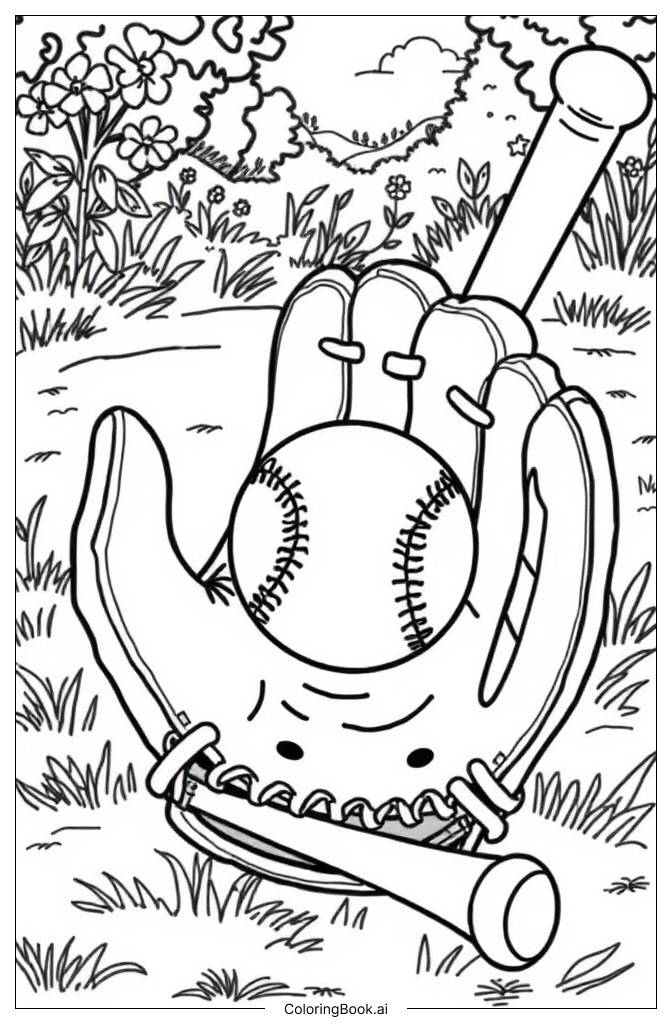
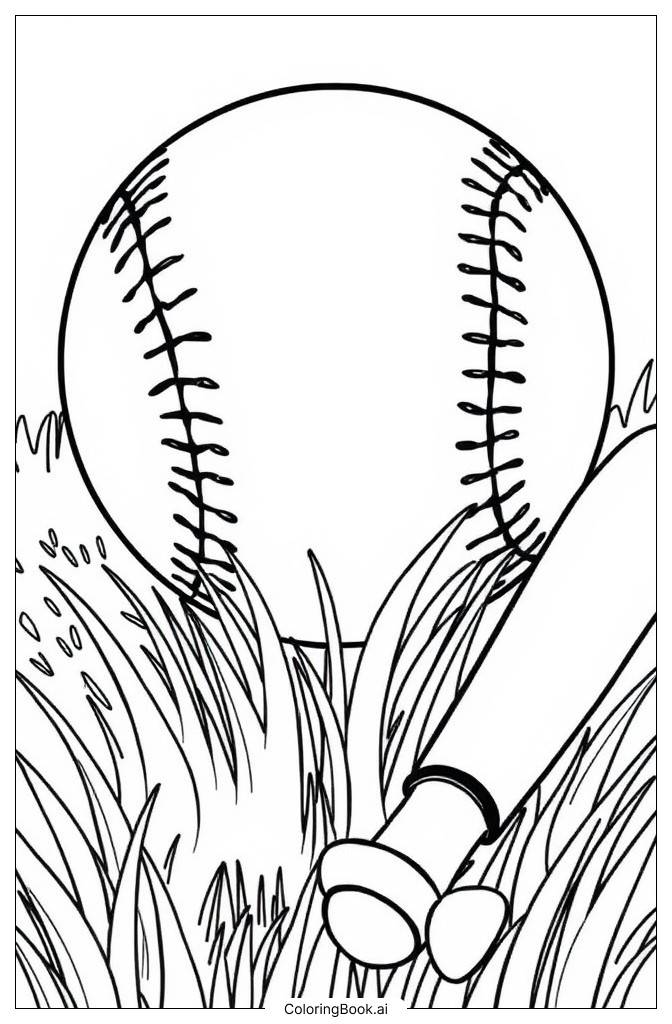
Start with the leather panels of the baseball. Use a warm off-white or light cream color for the main body. This gives the ball a natural, realistic look instead of a flat bright white. Next, color the stitching. Real baseball stitches are bright red, so use a bold red or cherry red for the seam lines. Try to stay inside the thin stitch lines carefully. To make the ball look round and three-dimensional, add light shading. Use a slightly darker cream or light tan on the edges of the ball where shadows would fall. Leave the center areas lighter to show where the light hits. You can use colored pencils to blend colors smoothly for a realistic effect. Crayons work great for bold, even coverage on the main panels. For older kids and adults, try adding a subtle gray shadow beneath the ball to make it look like it is resting on a surface. Keep the stitching neat and consistent for the most satisfying result.
Coloring challenges: Which parts are difficult to color and need attention for Realistic Baseball coloring page?
• Staying Inside the Stitch Lines: The baseball's stitching consists of many small, curved double seam lines that run across the surface of the ball. These lines are narrow and closely spaced, making it very easy to accidentally color outside them or smear the red into the cream-colored leather panels. Young colorists especially may find it challenging to keep the red stitches neat and separate from the background. Using a fine-tipped colored pencil or a thin marker is strongly recommended for this area.
• Achieving a Realistic Round Shape: A flat coloring of the ball will make it look like a circle rather than a three-dimensional sphere. To make the baseball look truly round and lifelike, colorists need to apply shading — darker tones along the outer edges and lighter tones near the center. This gradient technique requires patience and practice, and blending smoothly without harsh lines can be difficult for beginners.
• Capturing Leather Texture: Real baseball leather has a subtle, uneven texture with tiny bumps and creases. Suggesting this texture through color requires layering different shades of cream, beige, and light tan. Applying too much pressure can flatten the look, while too little pressure leaves the color uneven and patchy.
• Keeping Color Consistency Across Panels: The baseball is divided into two curved leather panels. Coloring both panels with the same shade and the same level of shading pressure is harder than it looks. Small differences in pressure or color angle can make the two sides look mismatched, breaking the realism of the finished image.
Benefits of coloring books: Advantages of drawing Realistic Baseball coloring page
Coloring this realistic baseball page offers a wonderful range of benefits for children and adults alike. For younger kids aged 4 to 8, working carefully around the curved stitch lines helps build fine motor skills and hand-eye coordination. Staying inside detailed lines takes focus and patience, which are important skills for school and everyday life. For older children and teens, this image is a great introduction to realistic coloring techniques. Learning to shade a round object to make it look three-dimensional teaches basic concepts of light and shadow that connect to art, design, and even science. It encourages creative thinking and problem-solving as colorists figure out how to blend colors for a lifelike result. For adults, coloring this baseball is a relaxing and meditative activity. The repetitive, focused work of coloring the stitching and shading the leather surface can help reduce stress and quiet a busy mind. It also sparks nostalgia and a connection to the joy of baseball. For anyone who loves the sport, bringing this image to life with color is a fun and rewarding way to celebrate America's favorite pastime.