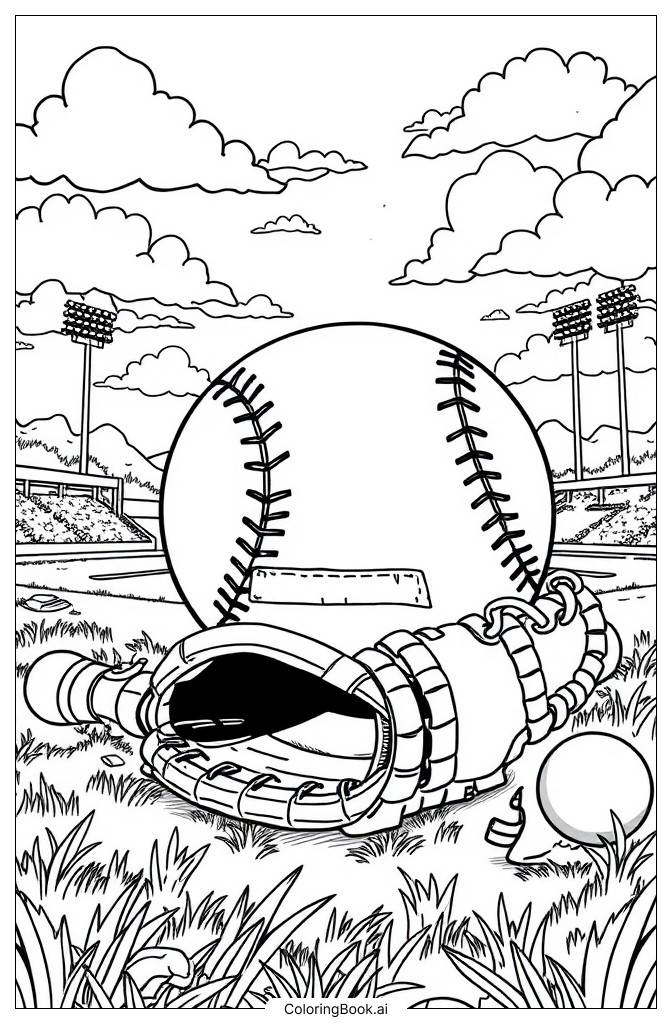
Coloring tips: How to color Realistic Baseball coloring page well?
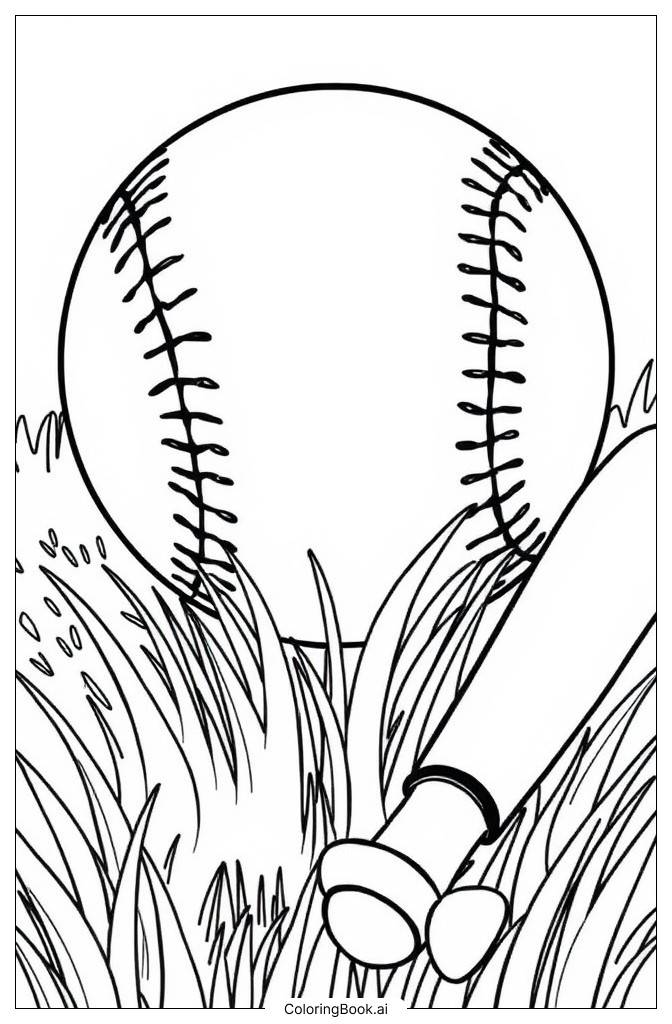
Start by coloring the main body of the baseball a warm off-white or cream color. Avoid pure white so the ball looks natural and worn, like a real game ball. Use a very light gray or tan to add subtle shading on one side, which helps the ball look round and three-dimensional. For the stitching, use a bold red color. Real baseball stitches are a bright, classic red, so this is a great chance to practice staying inside narrow lines. You can use a thin marker or a sharpened colored pencil for the small stitch dashes. Add a tiny bit of shadow under the ball using light gray or blue-gray to make it look like it is sitting on a surface. Keep your strokes smooth and even for the main body. This image works well with just three or four colors, so it is a great project for beginners and experienced colorists alike.
Coloring challenges: Which parts are difficult to color and need attention for Realistic Baseball coloring page?
• Staying Inside the Stitching Lines: The baseball's stitches are made up of many small, closely spaced dashes arranged in a curved pattern. Coloring each individual stitch neatly without going outside the lines requires a very sharp pencil or a fine-tipped marker. This is one of the trickiest parts of the image and takes patience and a steady hand.
• Following the Curve of the Seams: The seam lines on a baseball are not straight. They curve around the ball in a specific figure-eight shape. When coloring the stitches, you need to follow this curve consistently so the finished result looks accurate and realistic. Losing track of the curve can make the stitching look flat or uneven.
• Creating a Realistic Round Shape: A real baseball is a perfect sphere. To make the flat drawing look three-dimensional, you need to apply shading carefully. This means using lighter color in the center where light hits and darker shading near the edges. Blending these tones smoothly without streaks is a skill that requires practice.
• Choosing the Right Skin Tone for the Ball: The leather of a baseball is not pure white. It has a warm, slightly yellowish or cream tone that can vary from bright and new to tan and scuffed. Picking the right shade and applying it evenly across the large surface area of the ball is a challenge, especially when trying to keep the coloring consistent.
• Balancing Detail and the Background: If you choose to add a background, making sure it does not overpower the ball itself is important. The baseball should remain the clear focal point, so background colors need to be chosen carefully to complement rather than compete with the main subject.
Benefits of coloring books: Advantages of drawing Realistic Baseball coloring page
Coloring this realistic baseball image offers a wide range of benefits for kids and beginners alike. Working on the fine stitching lines helps build hand-eye coordination and strengthens the small muscles in your fingers and hands. This kind of fine motor practice is very useful for writing, drawing, and other everyday tasks. Focusing on staying inside the narrow stitch lines also trains concentration and patience, two skills that help in school and in daily life. Because the image has a clear, familiar subject, it gives colorists a sense of direction and purpose, which builds confidence. Trying to make the ball look round through shading introduces basic concepts of light and shadow in a fun, low-pressure way. This sparks curiosity about art and how real artists create depth on a flat page. The image also connects coloring to the world of sports, which can make it especially engaging for kids who love baseball. Finishing the page gives a real sense of achievement. Overall, this coloring page is a simple but rewarding activity that combines creativity, skill-building, and fun.