Coloring tips: How to color Kawaii Axolotl Wave coloring page well?
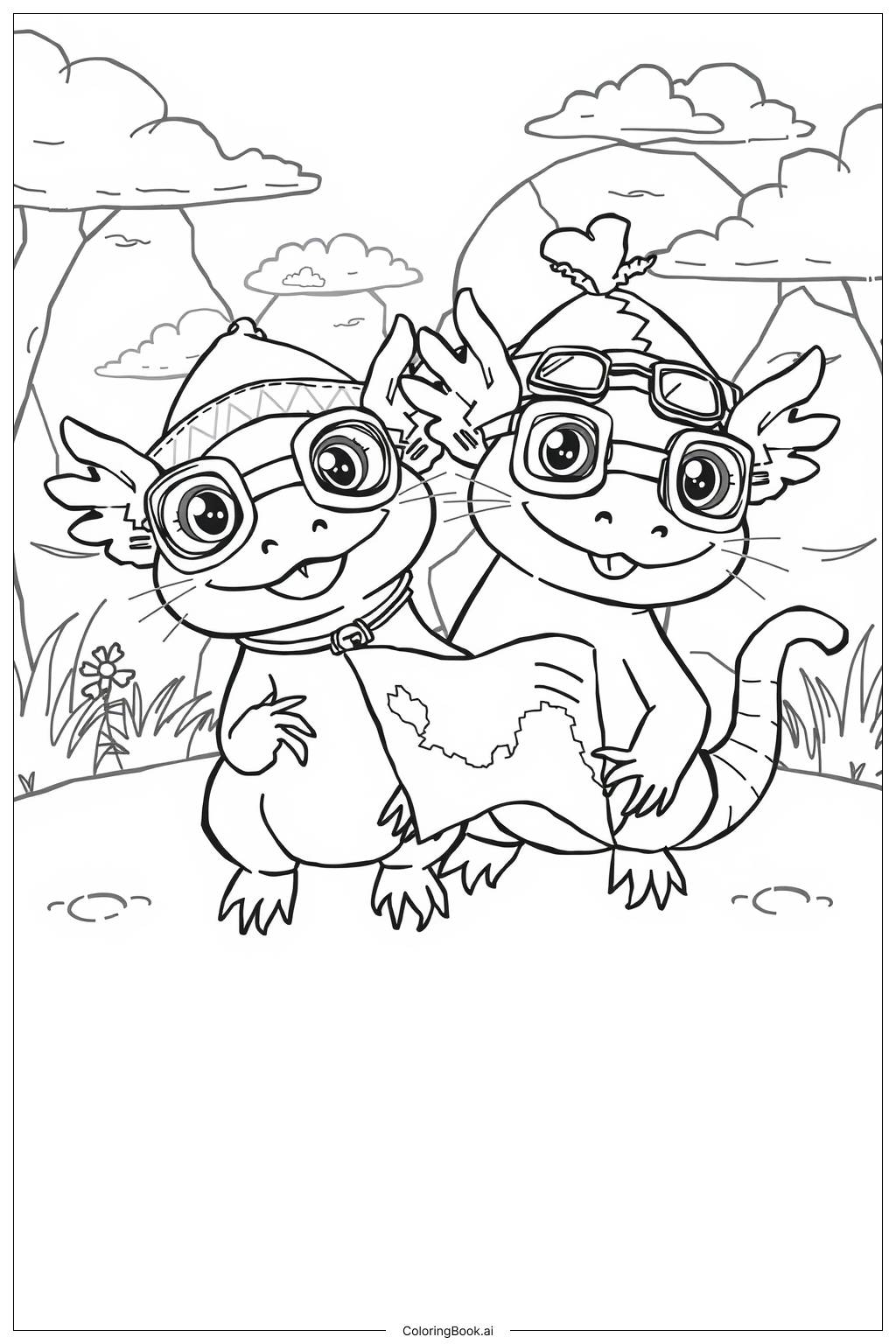
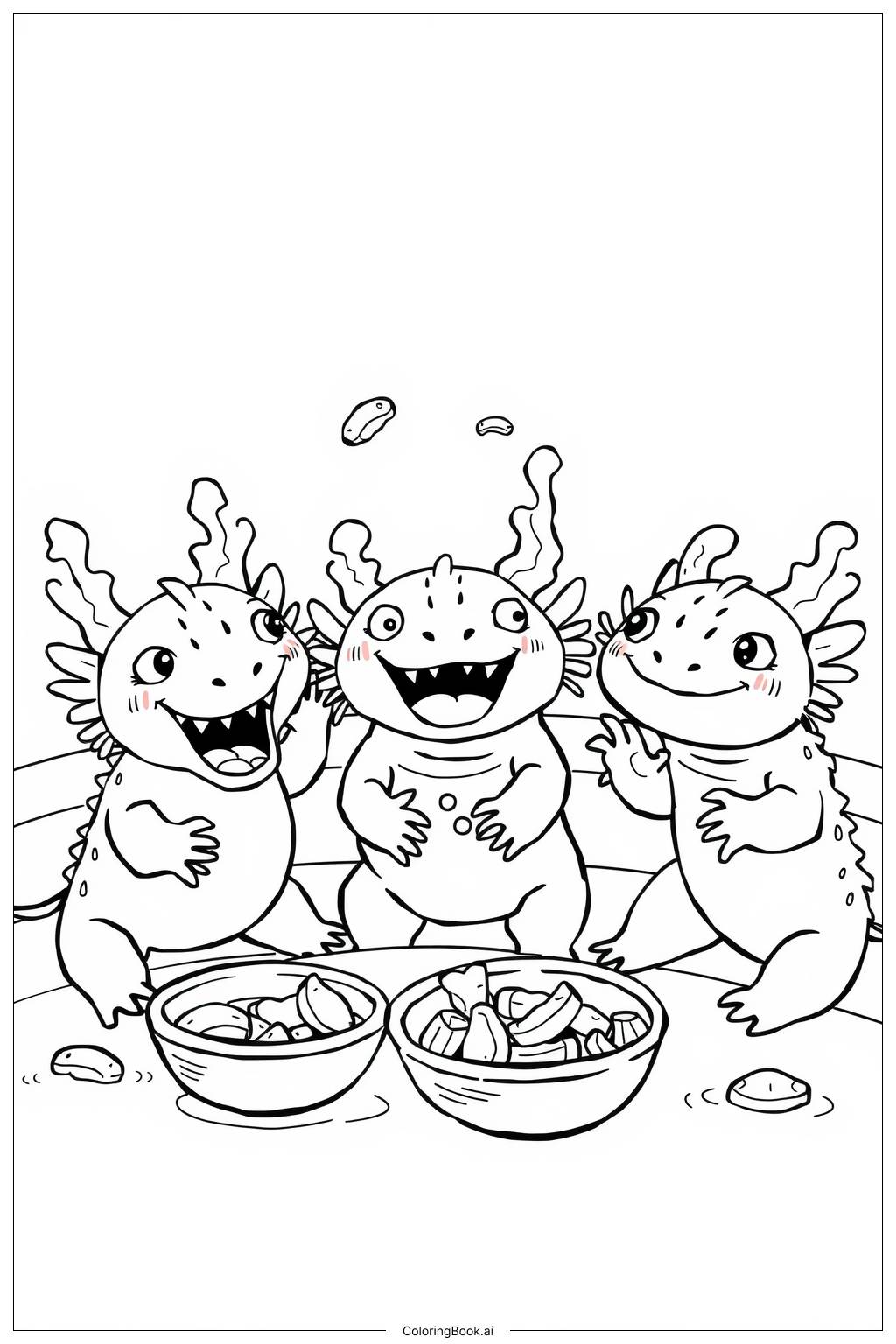
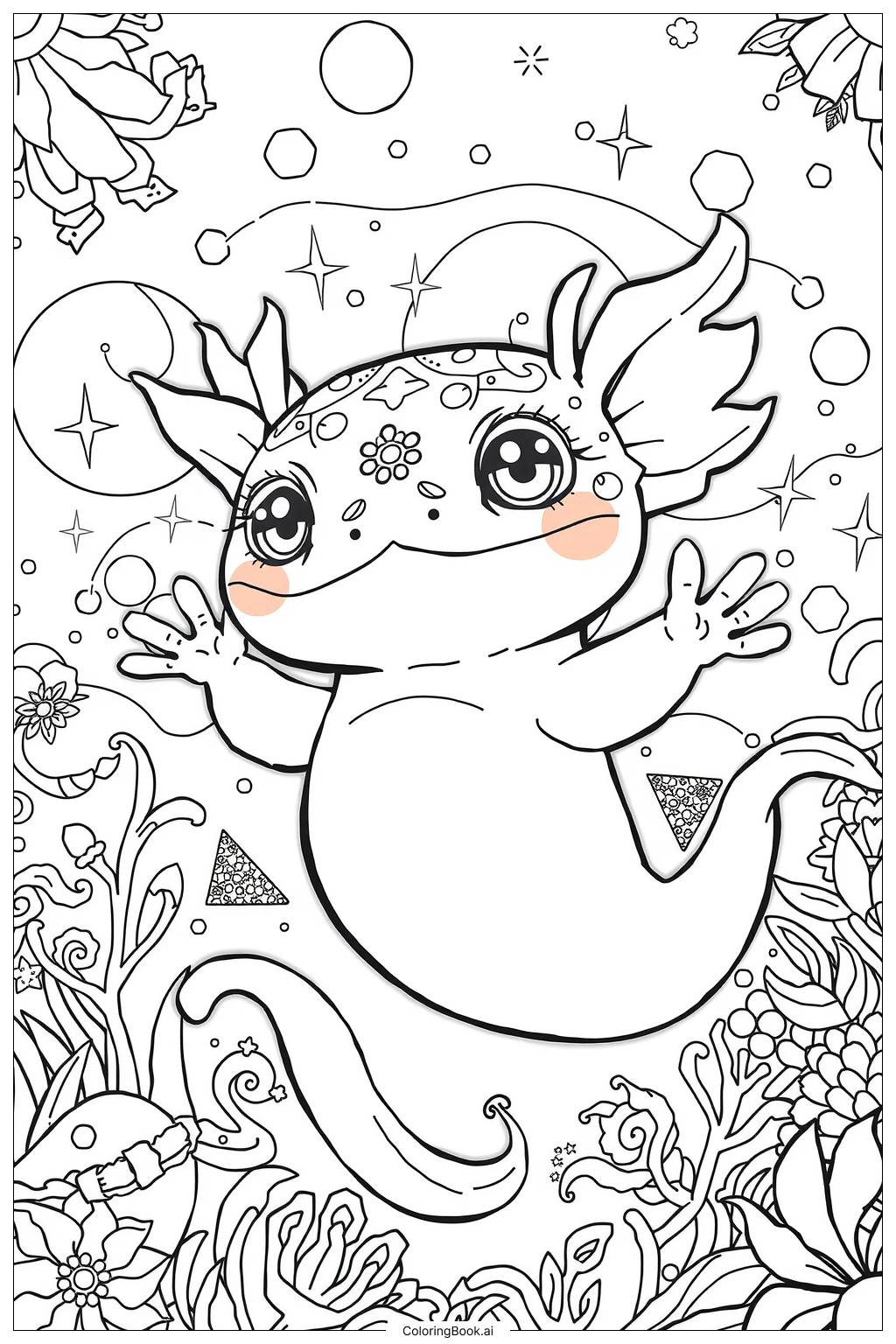
Start with the axolotl's body. Axolotls are often pale pink or peachy in real life, so soft pink or light salmon is a great choice. You can also go creative and use lavender, sky blue, or mint green for a magical look. Color the feathery gill plumes a slightly deeper shade than the body to make them pop. Use a warm rosy pink for the cheeks to keep that cute kawaii blush. The large eyes look great in dark brown or deep blue, with a tiny white dot left uncolored as a sparkle. For the background bubbles and stars, try light blue, yellow, or soft purple. Keep the water ripples in cool shades like aqua or teal. If you want the image to feel dreamy, blend two colors together gently on larger areas. Light colors work best overall to preserve the sweet, soft kawaii style. Have fun and do not be afraid to try unexpected color combinations — this is your creation!
Coloring challenges: Which parts are difficult to color and need attention for Kawaii Axolotl Wave coloring page?
• Feathery Gill Plumes: The gill plumes on top of the axolotl's head are made up of many thin, branching strokes that sit very close together. Coloring each individual branch neatly without going outside the lines requires a fine-tipped colored pencil or a thin marker. Rushing through this area can cause colors to bleed together and lose the fluffy, feathery effect that makes the axolotl so recognizable.
• Kawaii Facial Details: The face contains several small elements packed into a tight space — large curved eyes, a tiny nose, a small mouth, and round blush marks on the cheeks. Each of these needs its own carefully chosen color. Using too dark a shade on the cheeks can overpower the delicate expression, while coloring outside the eye outline even slightly can make the face look unbalanced. Patience and a light hand are key here.
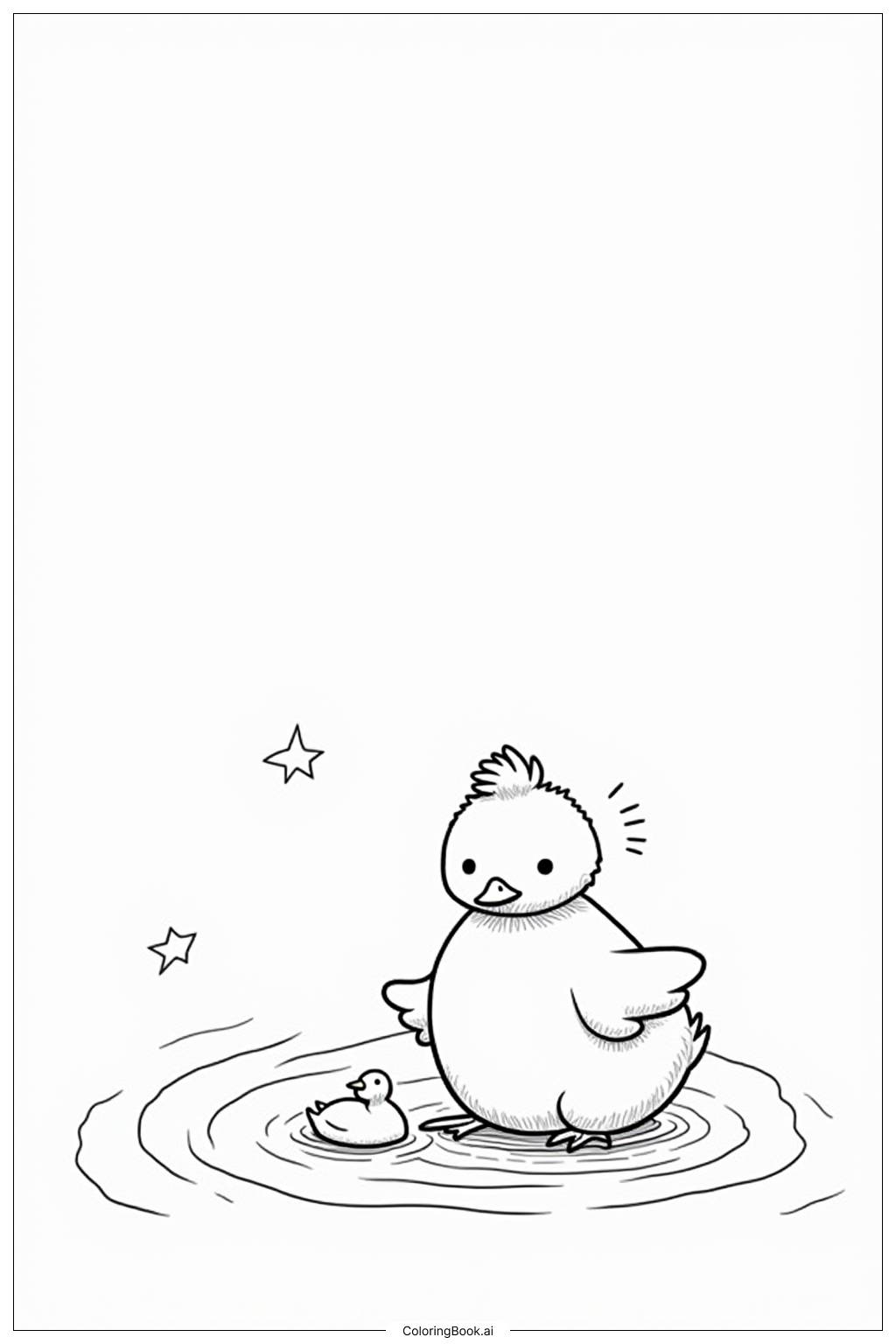
• Bubble and Water Ripple Effects: The decorative bubbles and ripple lines surrounding the character are small and closely spaced. To make them look realistic and lively, each bubble should ideally have a slight gradient or a tiny highlight left white. Achieving this effect neatly at a small scale can be tricky, especially for younger colorists still developing fine motor control.
• Body Shading and Depth: The axolotl's rounded body looks best when a slightly darker tone is added along the edges to suggest a soft, three-dimensional form. Blending smoothly from a lighter center to a deeper edge without creating harsh streaks takes practice, particularly when using colored pencils or crayons on a larger surface area.
Benefits of coloring books: Advantages of drawing Kawaii Axolotl Wave coloring page
Coloring this kawaii axolotl page brings a wonderful mix of fun and learning. For younger children, tracing carefully within the rounded outlines helps build hand-eye coordination and fine motor skills that support writing and drawing development. The variety of shapes — from the broad body to the tiny gill branches and bubbles — naturally encourages children to slow down, focus, and practice patience.
Choosing colors for the axolotl and its underwater surroundings sparks creative thinking. Kids get to make their own artistic decisions, building confidence in self-expression. There is no single right answer, which makes the experience feel safe and freeing.
For older children and teens, the more detailed areas like the gill plumes and facial features offer a satisfying challenge. Working through those tricky sections and finishing the page gives a real sense of achievement.
The kawaii art style is inherently calming and positive. Spending time with a cheerful, smiling character can lift mood and ease stress, making this a great quiet-time activity after a busy school day. Coloring also encourages mindfulness — focusing on color and shape pulls attention away from screens and worries.
Overall, this page is a joyful, low-pressure way for kids of all ages to practice focus, creativity, and patience while ending up with a colorful piece of art they can be proud of.