Coloring tips: How to color Artemis II Space Helmet coloring page well?
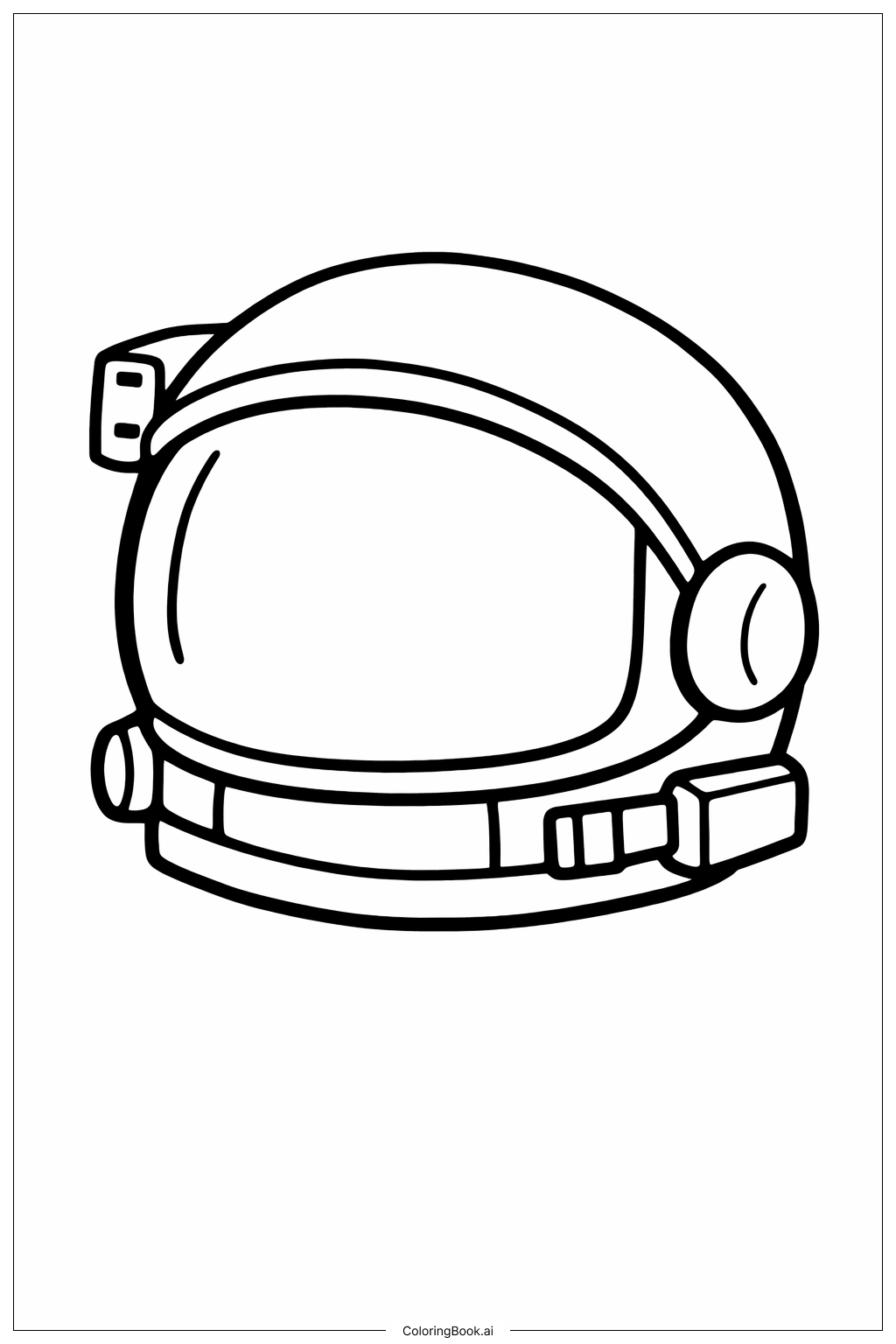
Try using bright metallic colors like silver, white, and light gray to show the helmet’s reflective surface. You can add blue or gold tones to parts around the visor for a futuristic look. The tubes and connectors can be colored dark gray or black. For smaller details, like buttons or communication devices, use bold colors such as red or yellow to stand out. Don’t forget to color the reflections on the visor in soft blue or purple to make it look shiny and smooth. Feel free to get creative and add colors that make the helmet look ready for space adventure!
Coloring challenges: Which parts are difficult to color and need attention for Artemis II Space Helmet coloring page?
• Surface Reflections: Coloring the visor area to look shiny and transparent can be tricky because you need to show reflections and light in different shades.
• Small Details: The tiny buttons, connectors, and instruments require careful attention to stay inside the lines and add contrasting colors.
• Smooth Curves: The helmet’s round shapes and smooth surfaces challenge young colorists to blend colors without making lines too harsh.
• Technical Panels: Different sections of the helmet need distinct colors to highlight their function, which can be complex to separate visually.
• Consistency: Keeping the metallic and plastic parts believable means choosing colors that look realistic but also fun for coloring.
Benefits of coloring books: Advantages of drawing Artemis II Space Helmet coloring page
Coloring the Artemis II Space Helmet helps children practice hand-eye coordination and fine motor skills while focusing on small details. It encourages creativity by allowing them to explore different metallic and futuristic colors. This activity also introduces kids to space exploration themes, inspiring curiosity about science and technology. Coloring helps improve concentration and patience as they work on smooth surfaces and tiny parts. Overall, it’s a fun way to learn about space gear and develop artistic talent at the same time.