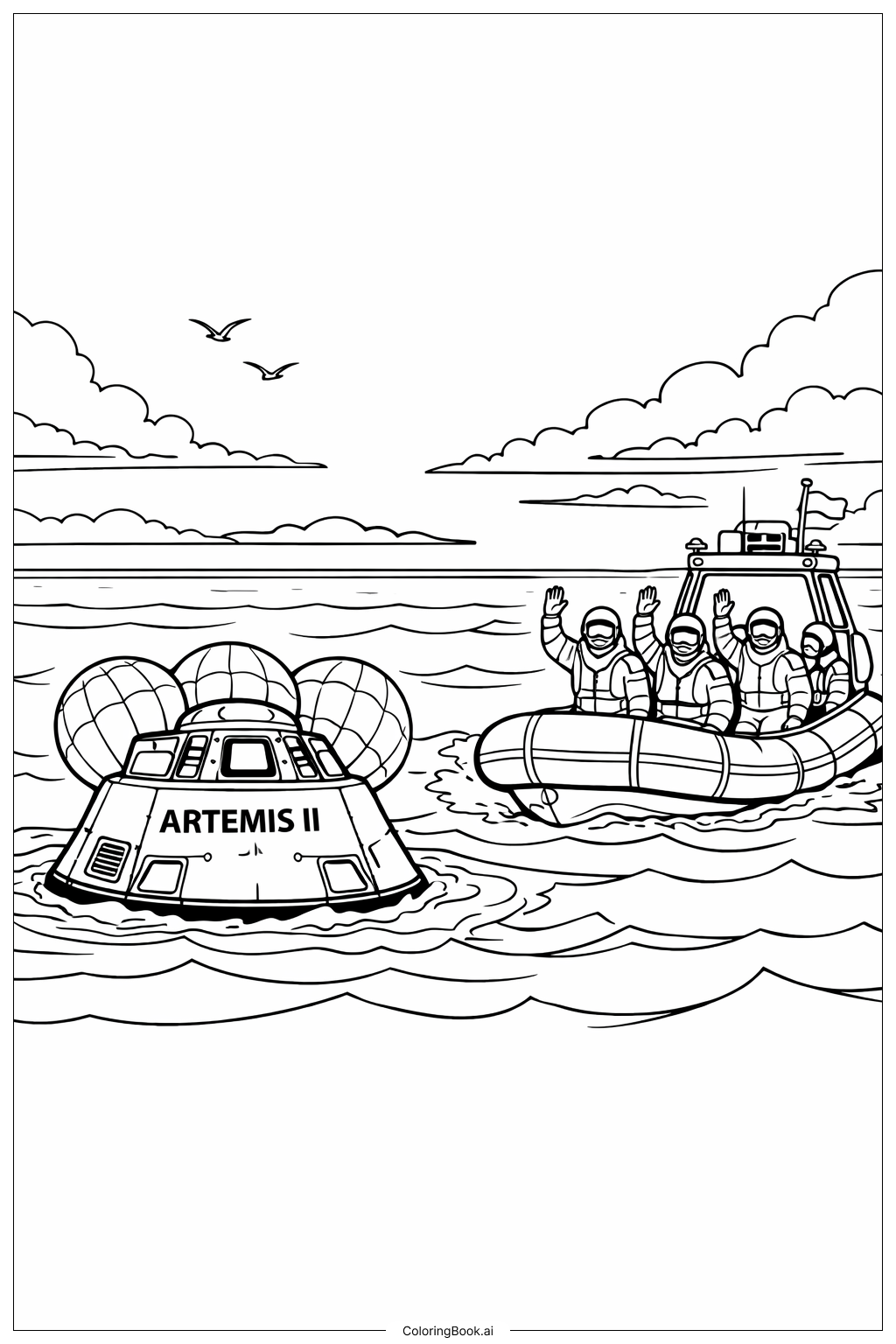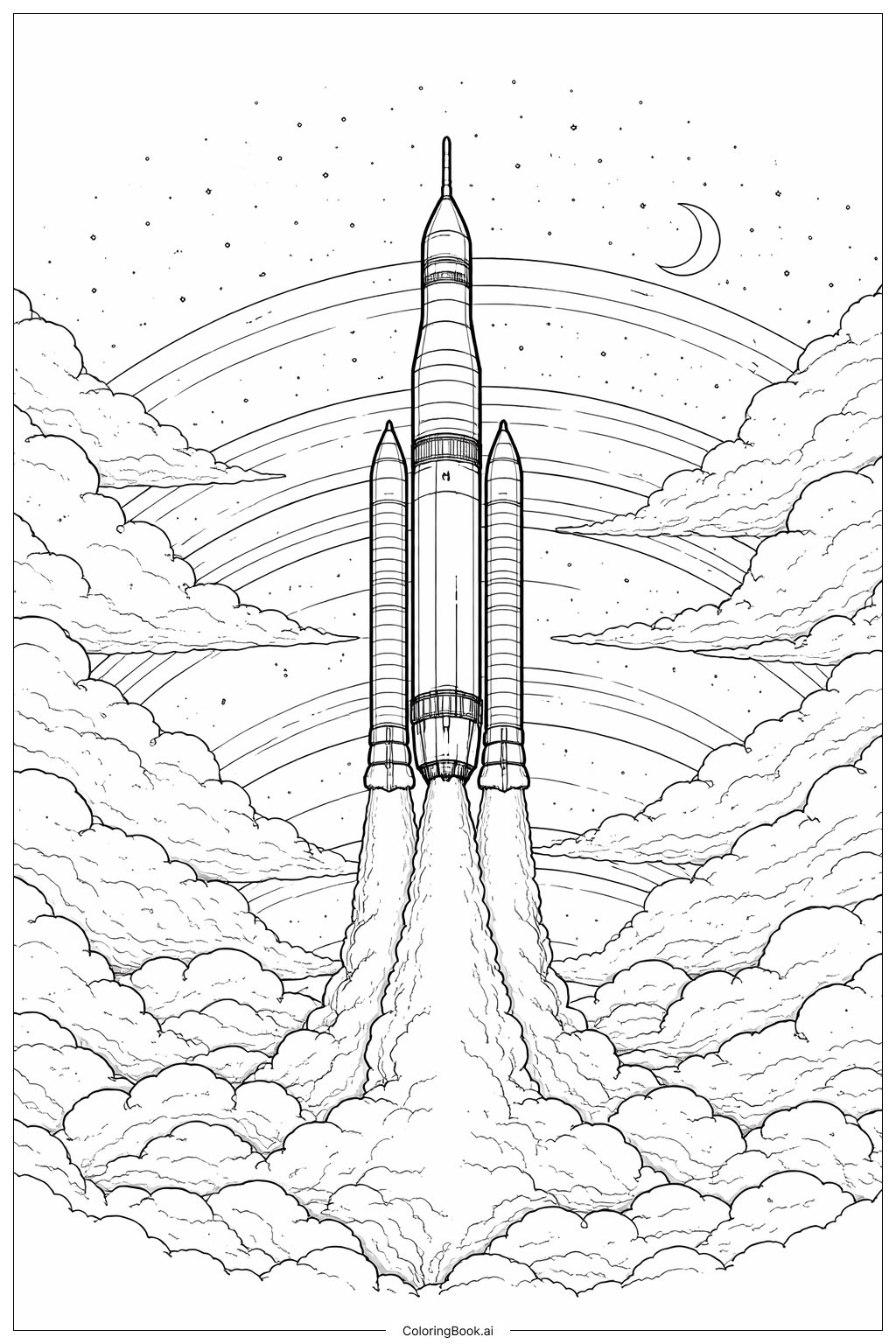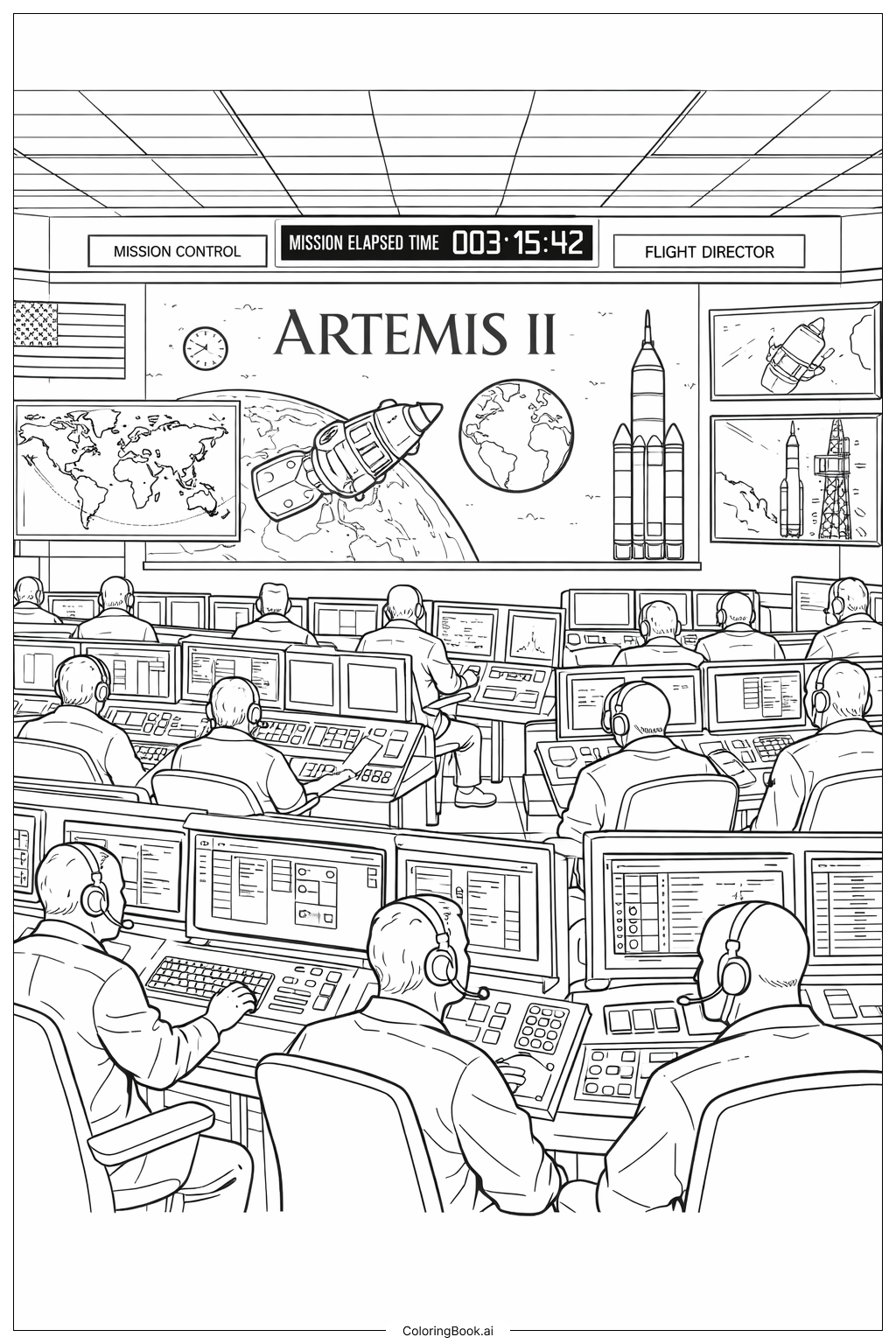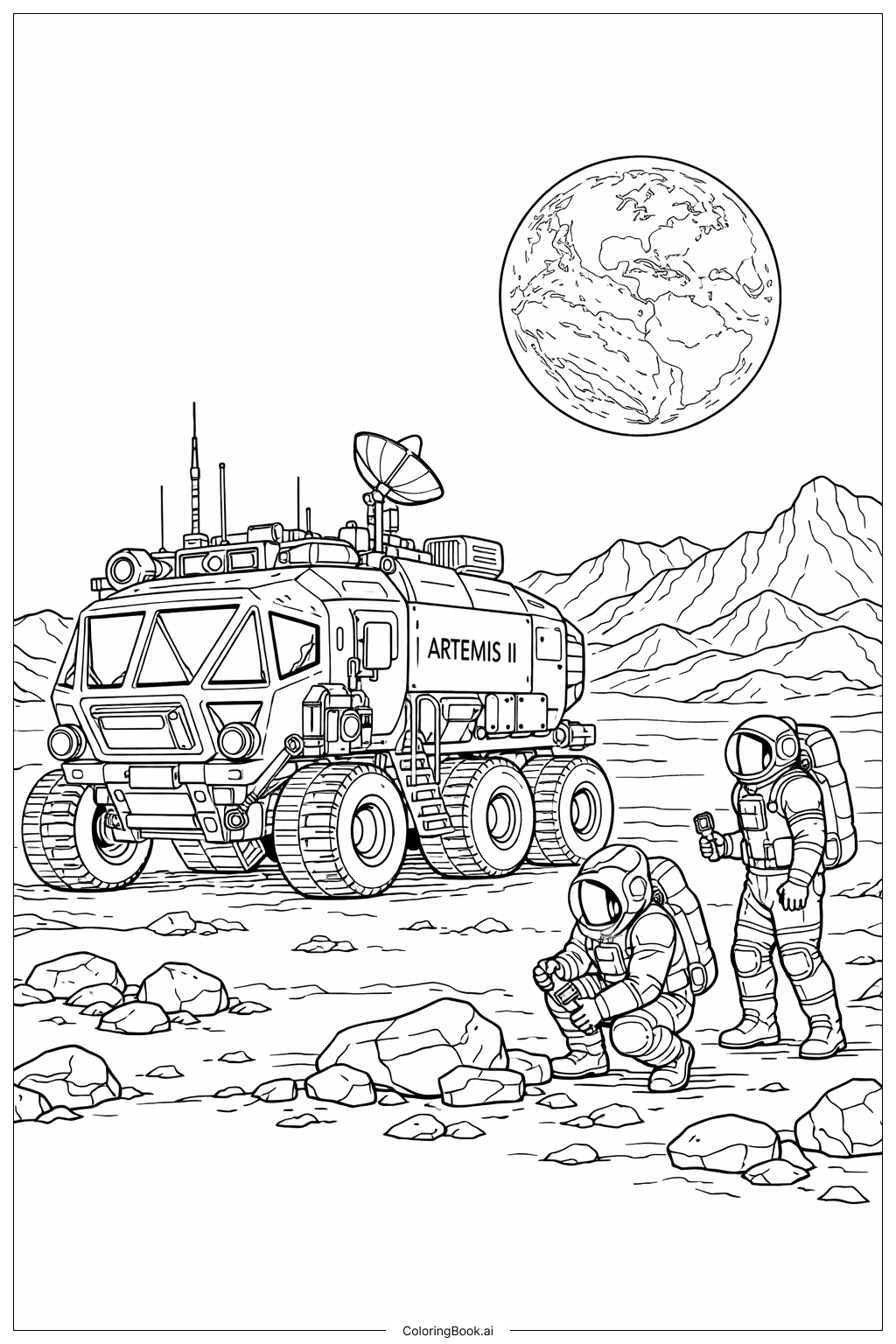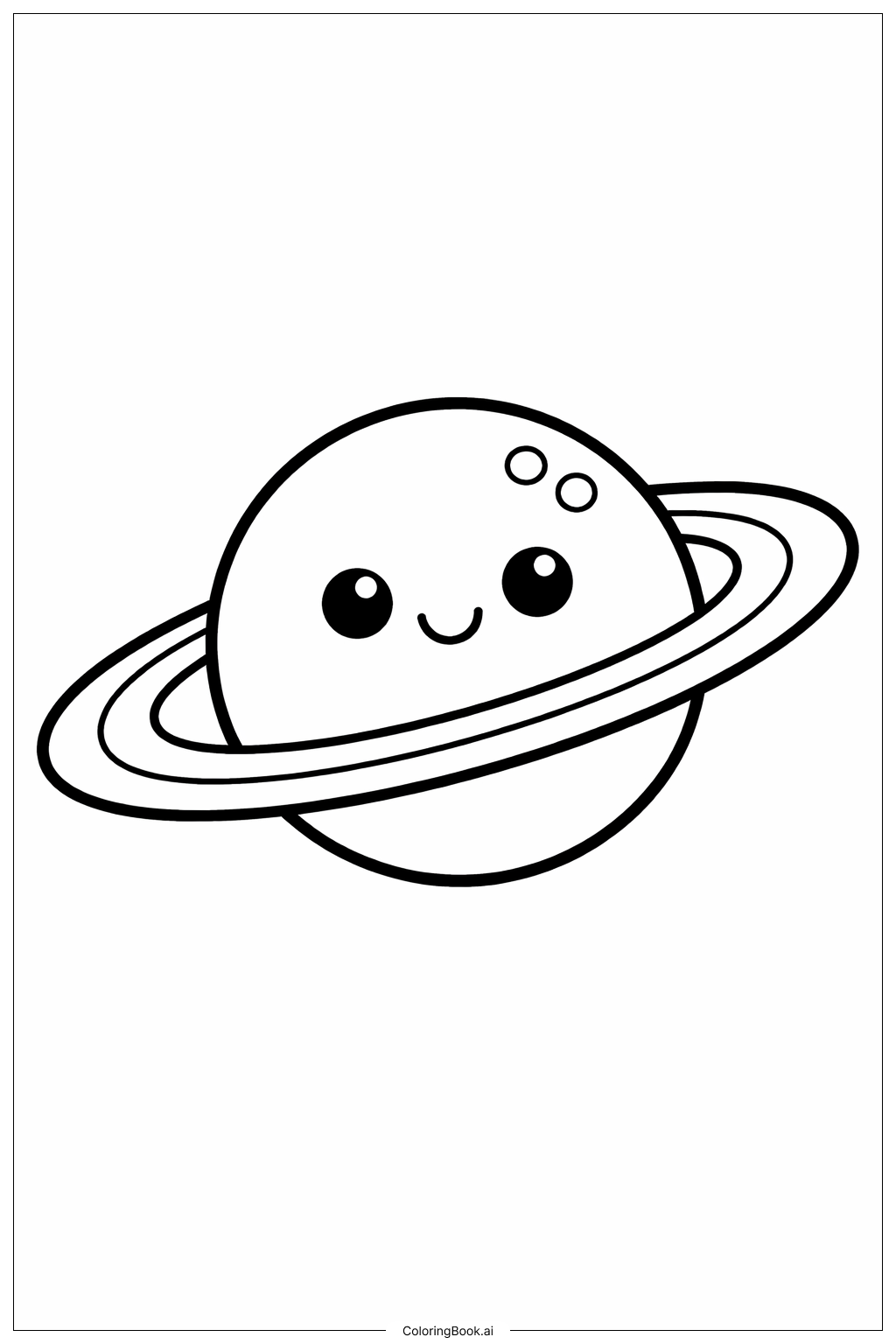
Coloring tips: How to color Artemis II Planet Icon coloring page well?
Start with the planet at the center. Use shades of blue and green for Earth, or soft grays and whites if it represents the Moon. Add gentle gradients to give it a rounded, three-dimensional feel. Color the orbital arcs in bright silver, gold, or white to make them stand out. For the background, use deep navy blue or black to capture the feel of outer space. Add tiny dots of yellow or white for the stars. If there is a spacecraft or trajectory line, try a warm metallic color like orange or gold. Use darker shades around the edges to create depth and make the planet glow at the center. Take your time with each section and enjoy bringing this space scene to life!
Coloring challenges: Which parts are difficult to color and need attention for Artemis II Planet Icon coloring page?
• Planet Surface Details: The planet at the center has small texture lines and surface markings that require a steady hand. Coloring within these fine details without going outside the lines can be tricky, especially for younger children. Using a sharp colored pencil or a fine-tip marker works best here.
• Orbital Arc Precision: The sweeping arcs and trajectory paths curve across the image in smooth lines. Staying consistent with a single color along these thin curves requires patience and control. Any slight shift in pressure can cause uneven color, so work slowly and follow the line carefully from one end to the other.
• Background Space Coloring: Filling in the large background area evenly can be challenging. Getting a smooth, dark tone across a wide space without streaks or patches takes practice. Try using broad, circular strokes with a crayon or blending multiple layers of colored pencil for a more polished result.
• Contrast Between Elements: Keeping the planet, arcs, and background visually distinct requires thoughtful color choices. If the background and orbital lines are too similar in shade, the design can look flat. Choosing colors with strong contrast, such as a bright arc against a dark sky, will make the image pop.
• Small Star Details: Tiny star shapes scattered in the background are easy to miss but important for the overall space feel. These small elements require a light touch and a fine tool to color without accidentally filling in too much of the surrounding dark background.
Benefits of coloring books: Advantages of drawing Artemis II Planet Icon coloring page
Coloring this Artemis II Planet Icon page offers a wonderful mix of creativity and learning. As children and Adults work through the design, they build fine motor skills by carefully filling in curved lines, small stars, and detailed surface textures. This kind of focused activity strengthens hand-eye coordination and prepares young colorists for writing and drawing tasks.
The space theme naturally sparks curiosity about science and exploration. While coloring, children may start asking questions about NASA, the Moon, astronauts, and what it means to travel beyond Earth. This makes the activity educational as well as fun.
Choosing colors for the planet, background, and orbital paths encourages creative thinking and decision-making. Kids learn about color contrast, shading, and how to make a composition feel balanced and dynamic.
For Adults, this page provides a calming, meditative experience. Focusing on a detailed design helps reduce stress and quiets a busy mind. The structured yet creative nature of the image makes it satisfying to complete.
For Boys and Girls alike, this image is inspiring. It connects them to a real-world mission and shows that space exploration is something to be excited about. Completing the page gives a sense of accomplishment and pride, encouraging a love of both art and science.