Coloring tips: How to color Artemis II Comet Friend coloring page well?
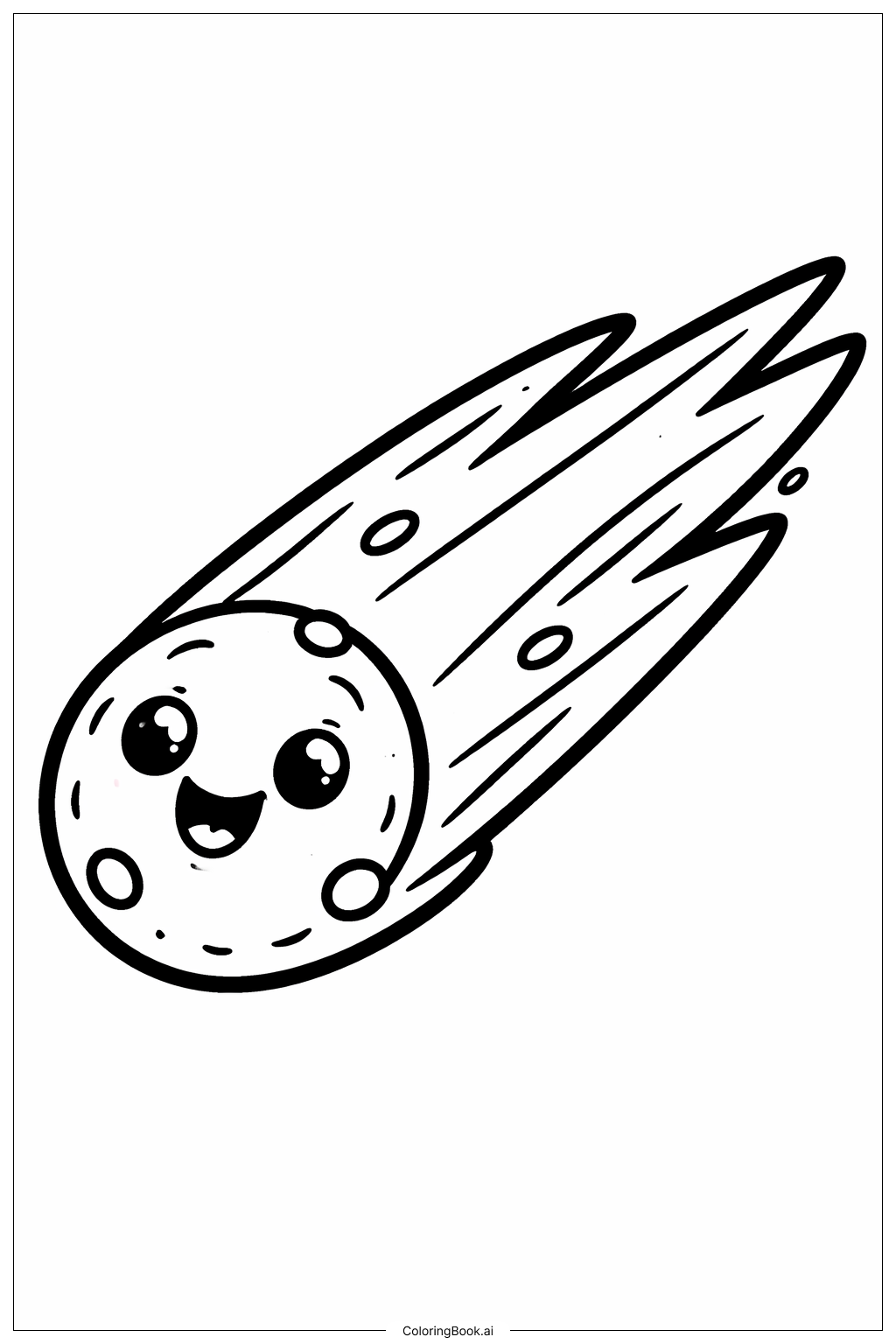
For this image, start by using bright colors to make Artemis II stand out. Light gray or silver works well for the spacecraft’s body, with blue or green for its windows. The comet can be colored in warm tones like orange, yellow, and soft red to give a glowing effect. The comet’s friendly face can have pink cheeks and a shining smile. Use dark blue or black for the background to represent space, then add pops of white, yellow, or light blue for the stars and planets. You can use shading techniques by coloring lighter near the comet’s tail and darker farther away to show depth. Feel free to add your favorite colors to make the scene your own!
Coloring challenges: Which parts are difficult to color and need attention for Artemis II Comet Friend coloring page?
• Small Details: The engines and antenna parts of Artemis II have tiny sections that require careful coloring to stay inside the lines.
• Comet Tail Gradient: Coloring the comet’s tail with a smooth gradient from bright to softer colors can be tricky but helps show motion.
• Facial Features: Coloring the comet's face with expressions needs precision to keep it clear and friendly-looking.
• Space Background: Filling the large background with stars and planets evenly without making it look too crowded or too empty can be challenging.
• Overlapping Elements: Since Artemis II and the comet overlap slightly, coloring clean edges between them to keep each shape distinct requires patience and control.
Benefits of coloring books: Advantages of drawing Artemis II Comet Friend coloring page
Coloring this image helps develop fine motor skills by requiring attention to detail in the small parts of Artemis II and the comet’s face. It encourages creativity as children choose their favorite colors to bring the space scene to life. The picture also inspires imagination, helping children think about space exploration and friendship. Practicing gradients and shading on the comet’s tail improves understanding of color blending. Overall, it promotes focus, coordination, and artistic confidence while making learning about space fun and engaging.