Coloring tips: How to color Baby Alligator Sitting coloring page well?
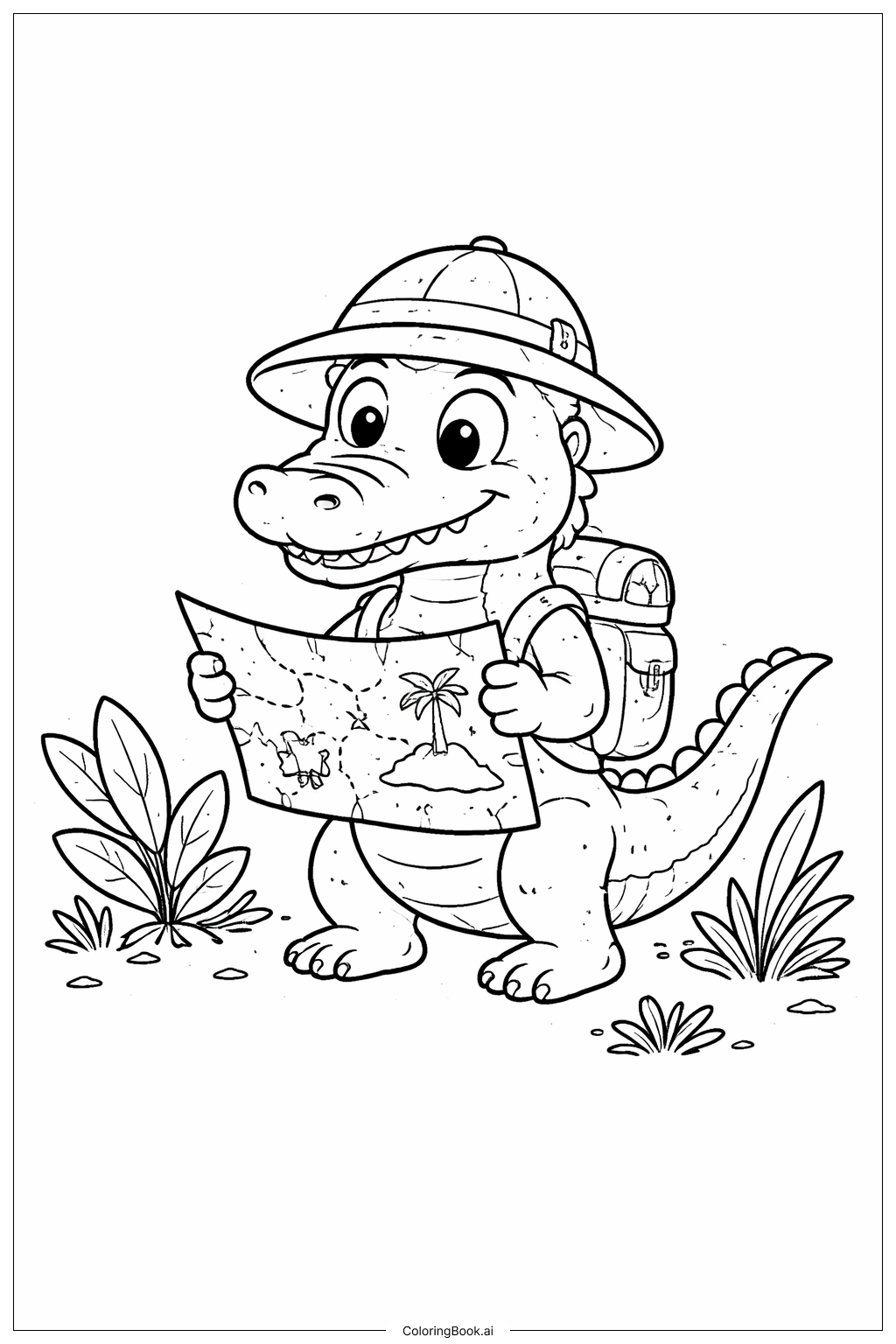
Start with the body by using different shades of green. Try a darker green for the back and a lighter green or yellowish-white for the belly. This gives the alligator a natural, realistic look. For the scales, add small patches of olive green or brown to create depth and texture. Use a bright white or cream color for the underbelly area. Color the eyes with a warm yellow or orange iris and a dark pupil to make them pop. If you want a fun, creative look, try using teal, turquoise, or even purple for a fantasy-style alligator. Add light shading along the edges of each scale to make the texture stand out. Keep colors smooth and even inside each section. Young colorists can use crayons or colored pencils for easy control. Remember, there are no wrong color choices. Have fun and make it your own!
Coloring challenges: Which parts are difficult to color and need attention for Baby Alligator Sitting coloring page?
• Scale Texture Details: The baby alligator's body is covered in many small and large scales. Each scale has its own outline and shape, making it tricky to color them individually without going over the lines. Young colorists will need to use the tip of their pencil or crayon to stay inside each tiny section. Taking it one scale at a time helps keep the work neat and satisfying.
• Body Shading and Depth: Creating a sense of roundness on the alligator's chubby body requires using more than one shade of green. The back should be darker, and the sides and belly should gradually get lighter. Blending these tones smoothly without streaking can be challenging, especially for beginners who are just learning how to layer colors.
• Belly and Back Color Contrast: The underbelly of the alligator is naturally lighter than its back. Getting this contrast right means carefully switching between colors at the right point on the body. Coloring too far with the dark green or not far enough with the light color can make the image look flat and less lifelike.
• Eye Expression: The eyes are small but very important for bringing the alligator to life. Coloring the iris, pupil, and any highlight spots in such a small area requires a sharp pencil and a steady hand. Pressing too hard can smear the colors or make the eyes look muddy, so gentle and careful strokes work best.
• Tail Curve Shading: The tail curves to one side, and adding shading along the curved edge helps show its shape and volume. Getting this effect right takes patience, as the shading must follow the natural flow of the tail without looking messy.
Benefits of coloring books: Advantages of drawing Baby Alligator Sitting coloring page
Coloring this baby alligator page brings many great benefits for kids and creative learners of all ages. First, it helps build fine motor skills. Carefully coloring inside the small scale sections trains hand muscles and improves pencil control, which is great for writing and drawing. Second, it encourages focus and patience. The detailed scale patterns ask colorists to slow down and work carefully, building concentration skills that help in school and everyday tasks. Third, it sparks creativity and imagination. Choosing colors for the alligator, whether realistic greens or bold fantasy shades, lets kids express themselves freely and build confidence in their creative choices. Fourth, it teaches children about animals. As kids color the alligator, they naturally learn about its body parts, like its scaly skin, strong tail, and wide eyes, making it a fun and educational activity. Fifth, coloring is relaxing and calming. The quiet, focused nature of coloring helps reduce stress and anxiety, giving both children and adults a peaceful break from screen time. Overall, this page is a wonderful mix of fun, learning, and creative expression.