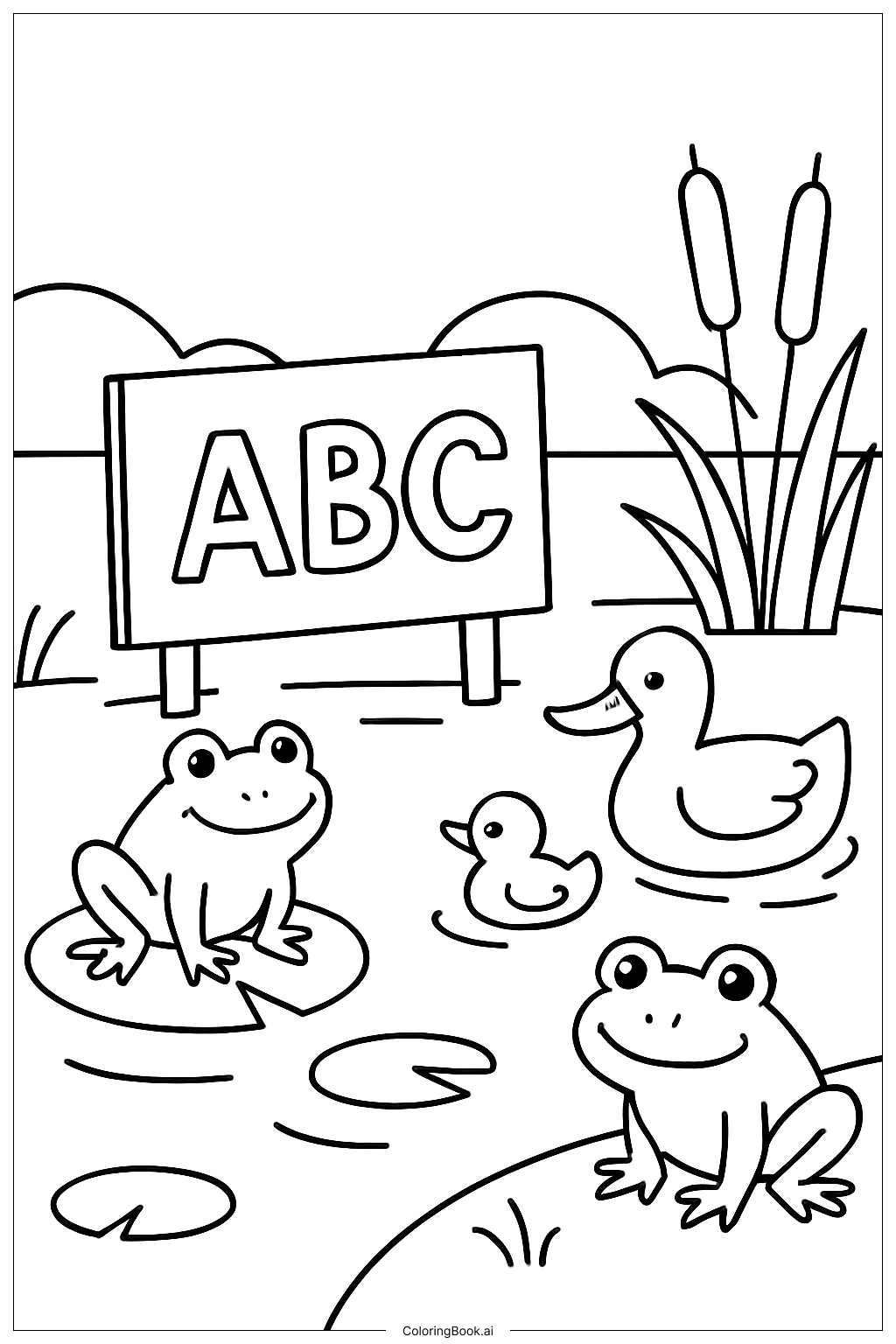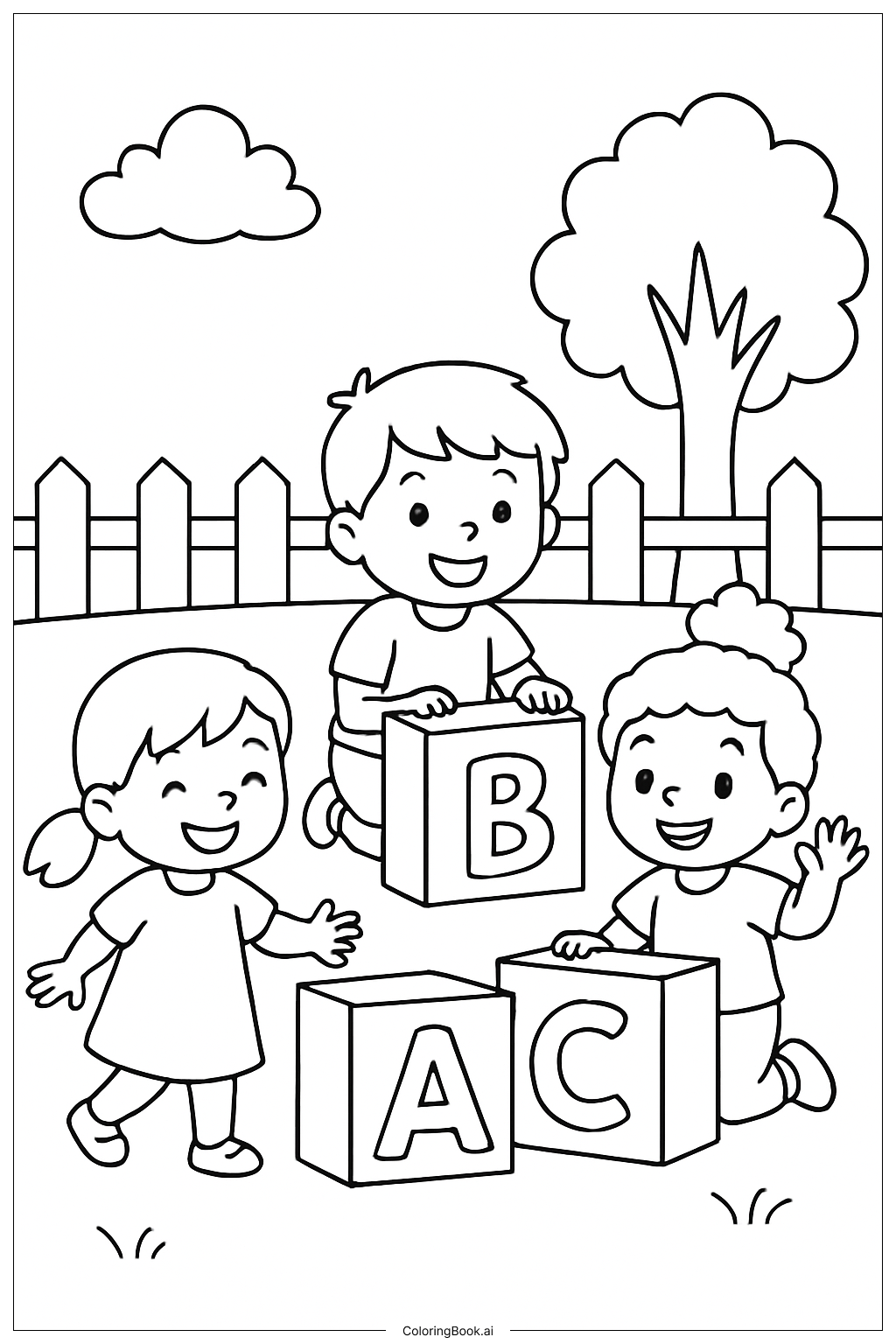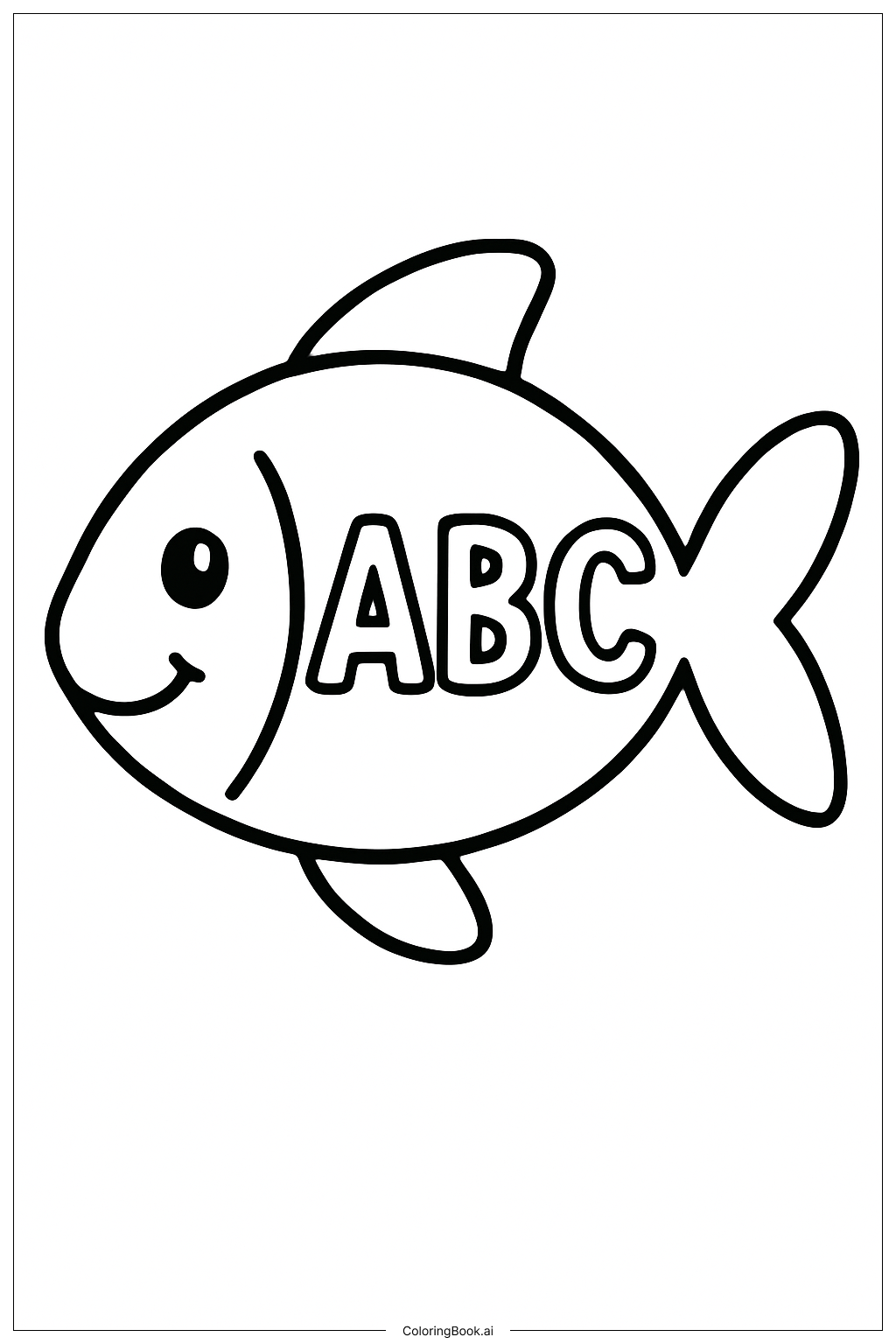
Coloring tips: How to color ABC Little Fish coloring page well?
Start with the fish bodies using bright, cheerful colors. You can make each fish a different color to create a fun rainbow effect — try orange, yellow, blue, green, or pink. Use a lighter shade on the belly of each fish to give it a rounded, three-dimensional look. Color the eyes with a dark pupil and a small white dot to make them sparkle. For the fins and tail, use a slightly darker shade of the body color to add contrast. The bubbles can be left white or lightly shaded in pale blue. Color the sea plants in shades of green, and use coral tones of pink or red for any coral shapes. The water background looks great in soft light blue or turquoise. Try blending two shades of blue to suggest depth and movement in the water. Take your time on the smaller details like scales or fin lines — even a simple touch adds a lot of life to the image.
Coloring challenges: Which parts are difficult to color and need attention for ABC Little Fish coloring page?
• Small Fish Details: Each little fish has tiny fins, a tail, and small facial features like eyes and a mouth. Coloring these small parts neatly requires a fine-tipped coloring tool such as a colored pencil or thin marker. Young colorists may find it tricky to stay within the lines on these tiny areas, so taking it slow and using the right tool size will help a lot.
• Consistent Coloring Across Multiple Fish: Because there are several fish in the scene, keeping the coloring consistent and balanced across all of them can be a challenge. Deciding on a color scheme before starting — for example, alternating warm and cool colors — helps the finished page look organized and visually pleasing rather than mismatched.
• Background Water Effect: Creating a convincing water background is one of the harder parts of this image. Water is not a single flat color — it has variation, depth, and light. Blending two or more shades of blue or using light, sweeping strokes can suggest movement, but this technique takes some practice, especially for younger children.
• Bubbles and Negative Space: The small bubbles floating around the fish need careful handling. Coloring too heavily over them will make them disappear into the background. It is best to outline them lightly or leave the inside uncolored, using only a thin rim of pale blue to make them stand out.
• Sea Plants and Coral Balance: The background plants and coral shapes need to complement the fish without overpowering them. Choosing colors that are slightly muted compared to the fish will help the fish remain the main focus of the image.
Benefits of coloring books: Advantages of drawing ABC Little Fish coloring page
Coloring this ABC Little Fish page offers a wonderful range of benefits for children. Working on the small details of each fish helps develop fine motor skills and strengthens hand-eye coordination. Carefully staying within the lines trains focus and attention, which are skills that support learning in school as well.
Choosing colors for the fish, water, and plants encourages creative thinking and self-expression. There is no single right answer — every child can make their own unique version, which builds confidence and a sense of pride in their work.
The peaceful underwater theme also has a calming effect. Focusing on coloring can reduce stress and help children feel relaxed and centered, making it a great quiet-time activity.
For younger children just learning the alphabet, connecting the ABC theme with a fun, visual activity like coloring helps reinforce letter recognition in a way that feels like play rather than study. The cheerful fish characters make the experience enjoyable and engaging.
Overall, this coloring page is a wonderful tool for building skills, sparking imagination, and creating a positive, screen-free experience for children of all ages.