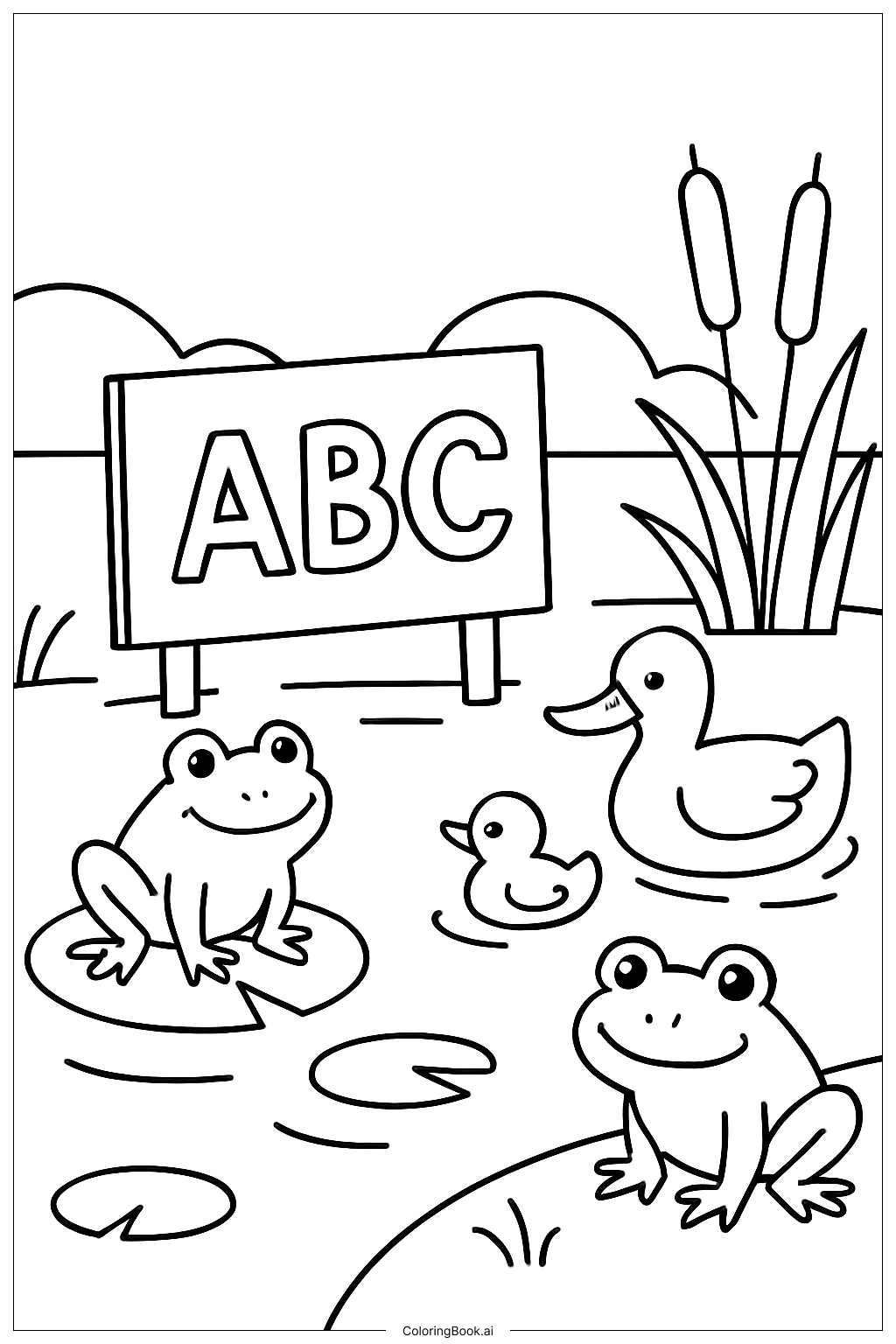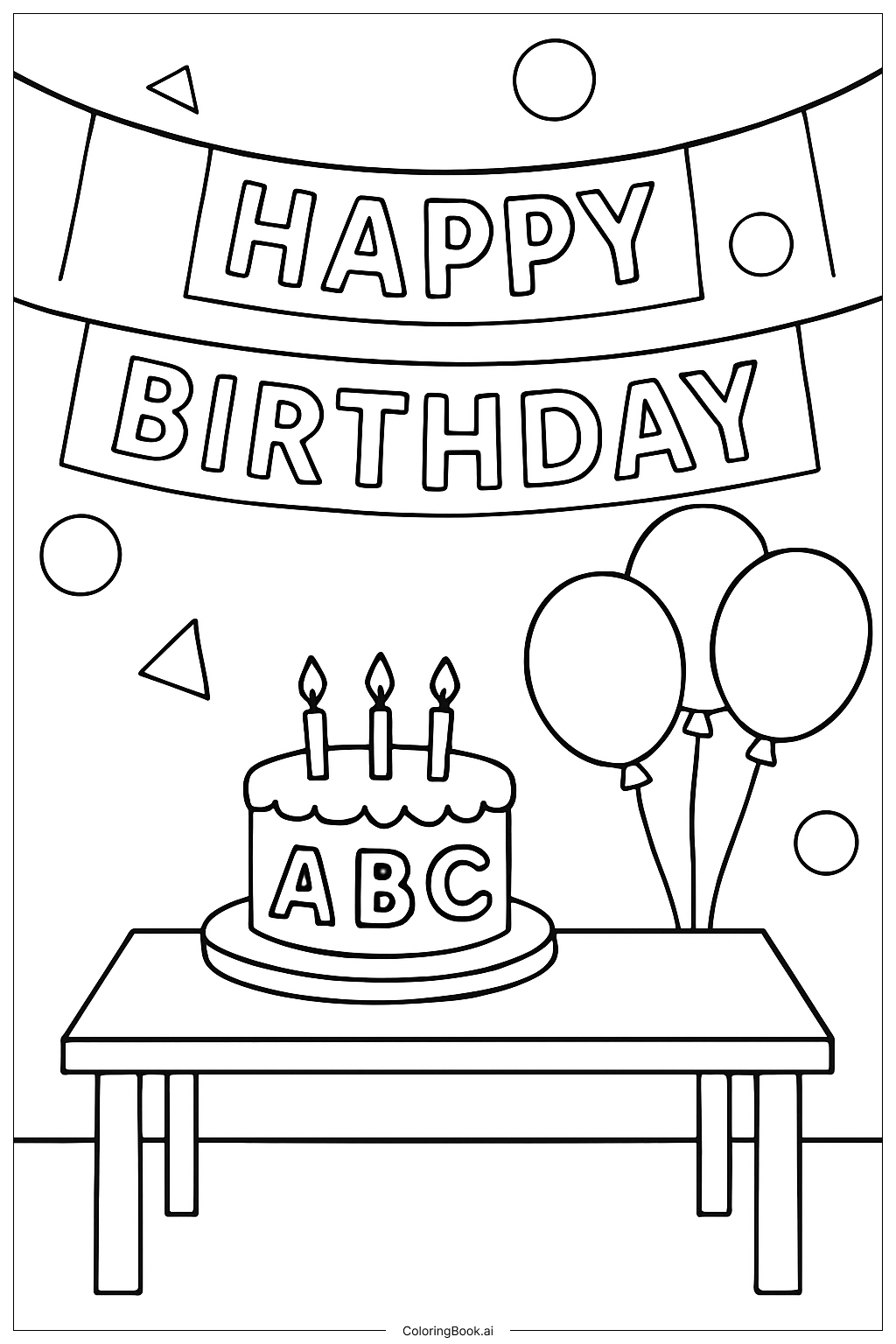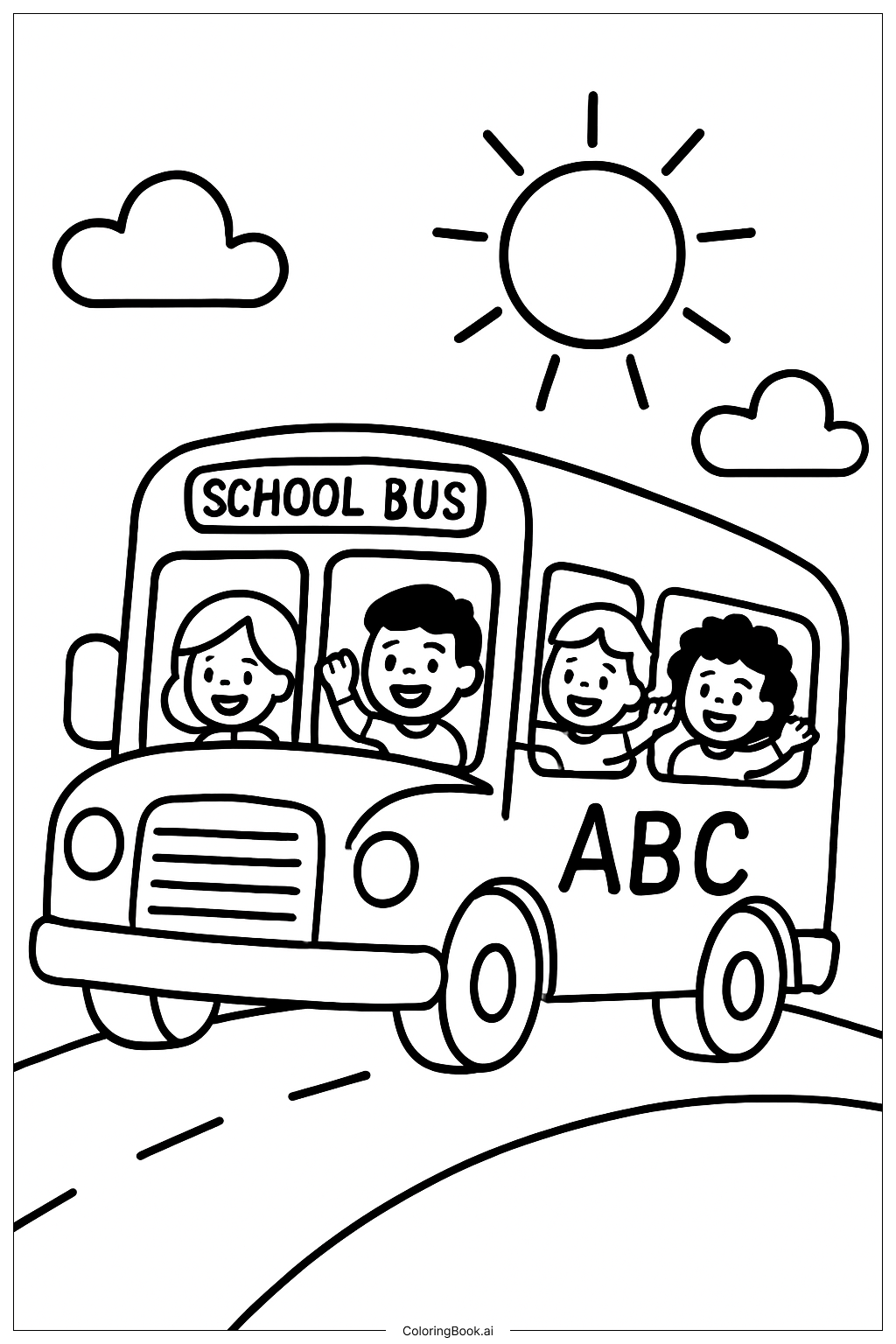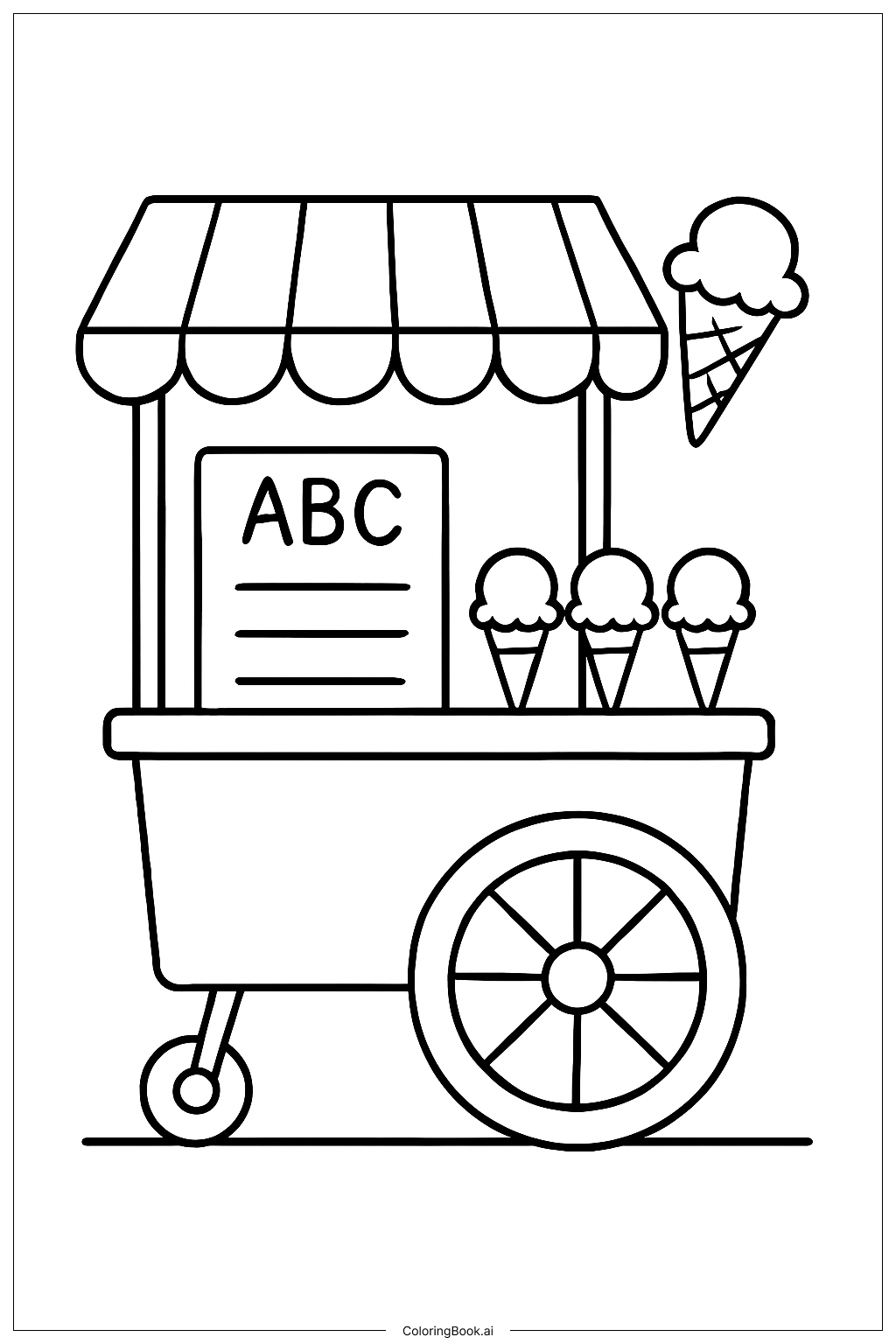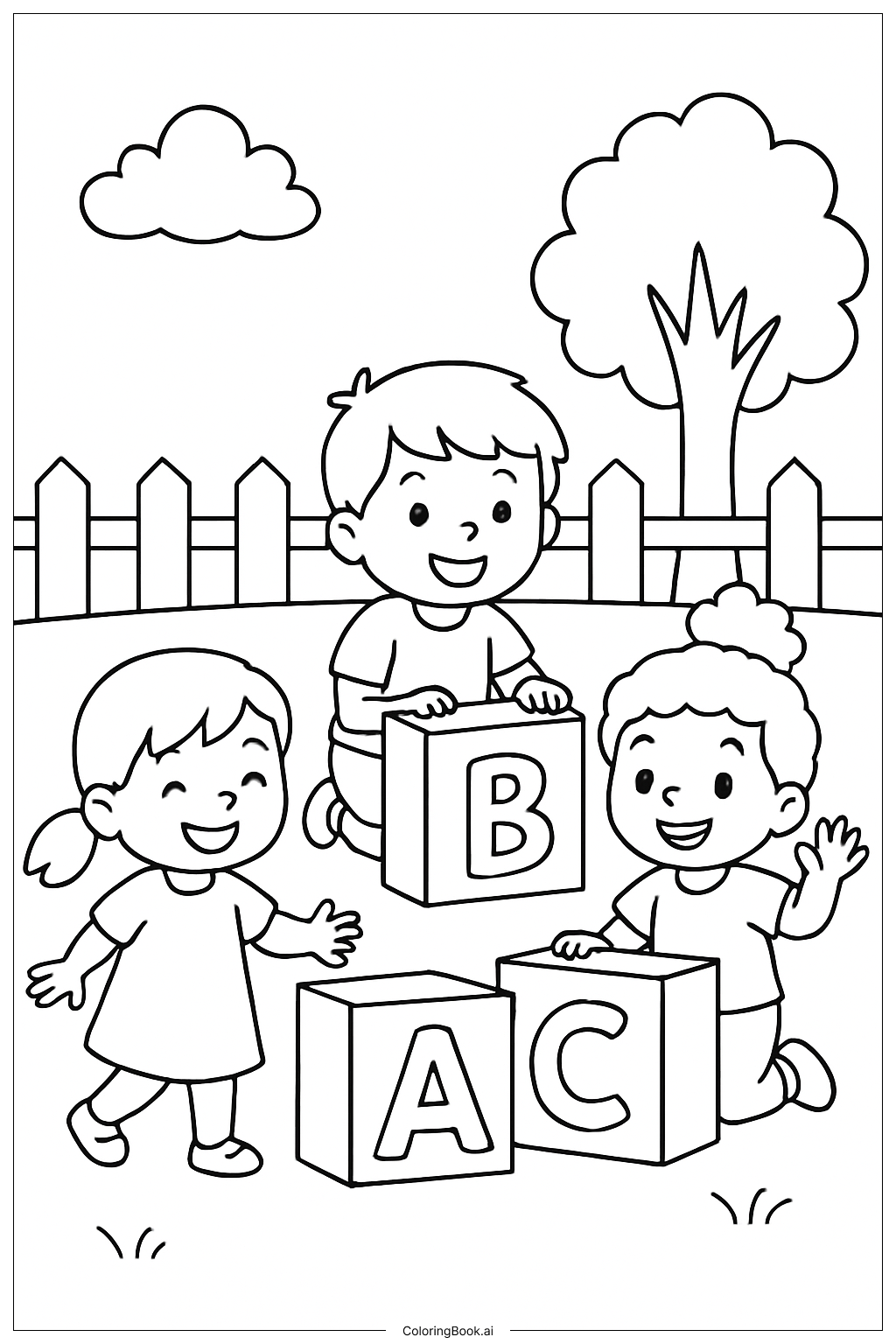
Coloring tips: How to color ABC Backyard Play coloring page well?
Start with the sky and background. Use light blue for the sky and soft green for the grass to set a cheerful outdoor mood. Color the tree trunk brown and fill the leaves with different shades of green to give it depth. Use bright, bold colors for the children's clothing — mix reds, yellows, and blues to make each child stand out. The flowers in the garden can be pink, purple, orange, and yellow. Give the butterfly wings a fun pattern using two or three contrasting colors. Color the dog in a warm tan or golden brown. For the ABC letters, try using one bold color per letter — like red for A, blue for B, and green for C — so they pop off the page. Keep your strokes smooth and stay inside the lines for cleaner results. Have fun mixing colors and making this backyard scene your very own!
Coloring challenges: Which parts are difficult to color and need attention for ABC Backyard Play coloring page?
• Coloring the ABC Letters: The letters A, B, and C are key elements in this scene. They may have curved edges, inner spaces, or decorative details that need careful attention. Staying inside the smaller outlined areas requires a sharpened pencil or fine-tipped marker to avoid going outside the lines.
• Children's Clothing and Overlapping Figures: Multiple children appear in the scene, and their bodies and clothing may overlap. Choosing different colors for each child helps separate them visually, but switching colors frequently near the edges of overlapping areas takes patience and a steady hand.
• Background Details Like the Tree and Fence: The tree has many small branches and leaf clusters, while the fence has repeating slats. Coloring these consistently without smearing nearby areas can be tricky, especially for younger colorists. Working section by section helps keep things neat.
• Small Nature Elements Like Flowers, Butterflies, and Birds: These tiny details require precision. Butterfly wings often have symmetrical patterns that need to match on both sides. Flower petals grouped closely together benefit from alternating colors to keep each bloom distinct and vibrant.
• Depth and Shading in the Backyard Scene: Creating a sense of distance — where the background feels farther away and the foreground feels closer — adds realism. Using lighter shades for objects in the back and deeper, richer tones for things in the front gives the whole image a polished, three-dimensional feel. This is a more advanced technique that older or more experienced colorists can try.
Benefits of coloring books: Advantages of drawing ABC Backyard Play coloring page
Coloring this ABC Backyard Play page offers a wonderful mix of fun and learning for children. Here are some of the key benefits:
Letter recognition: The A, B, and C elements embedded in the scene make learning the alphabet feel playful and natural. Children connect the letters to a joyful setting, which helps memory stick.
Fine motor skills: Coloring the detailed areas — from tiny flower petals to letter outlines — strengthens hand muscles and improves pencil control, which supports writing readiness.
Creativity and self-expression: Choosing colors for each child, the garden, and the sky encourages kids to make their own artistic decisions. There is no wrong answer, which builds confidence.
Focus and patience: Working through a detailed scene teaches children to slow down, concentrate, and complete a task from start to finish. This builds attention span in a low-pressure environment.
Emotional well-being: The cheerful backyard theme brings up feelings of joy, friendship, and outdoor freedom. Coloring scenes like this can be calming and uplifting for children of all ages.
This page is a great activity for classrooms, home learning time, or quiet creative play.