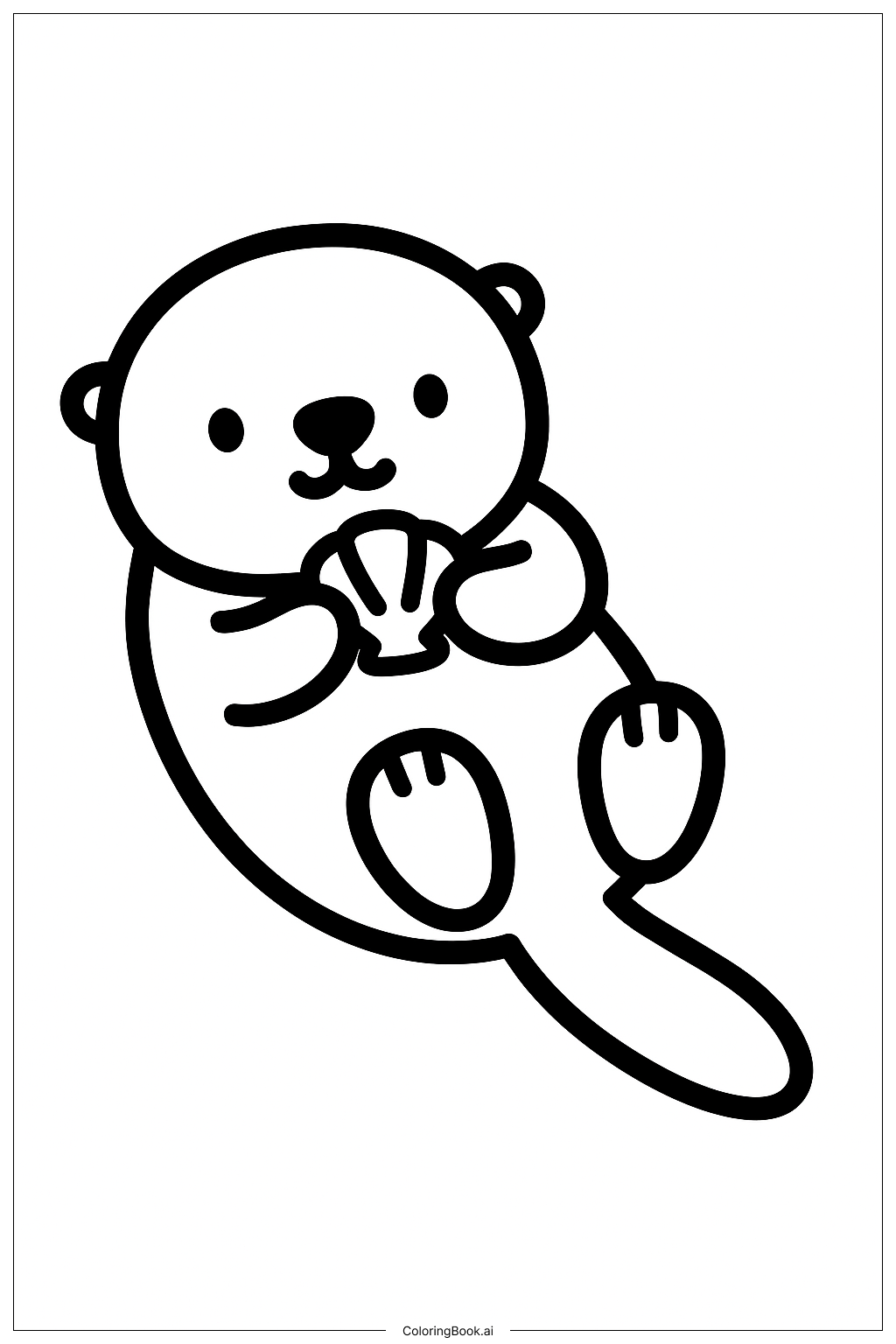
Coloring tips: How to color Zoo Animal Otter Float coloring page well?
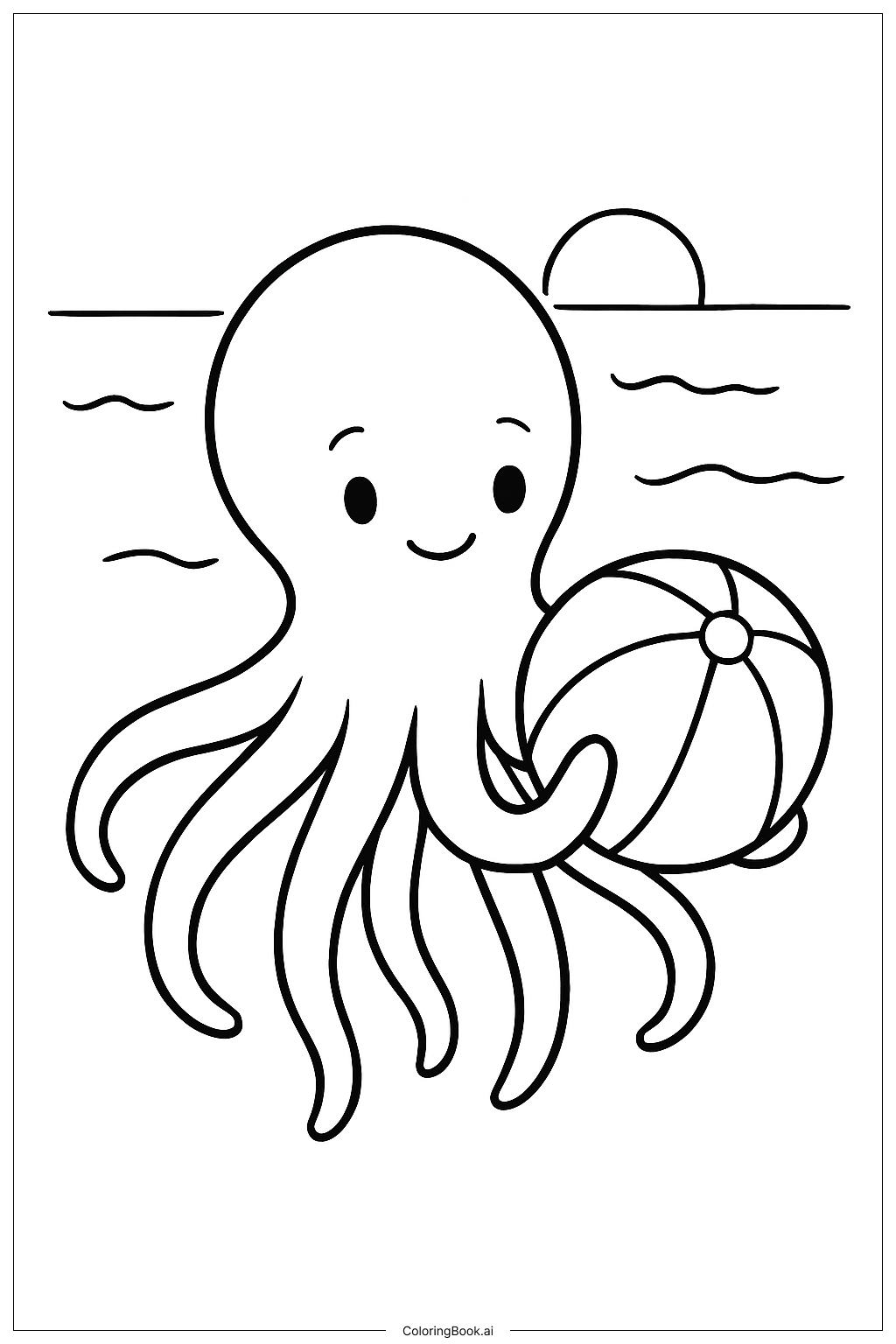
Use shades of brown and gray for the otter's fur to make it look natural. You can color the seashell in soft colors like light pink, cream, or pale orange. Add a blue or teal background to represent water, maybe with some small waves or bubbles. Feel free to add green or yellow around for seaweed or sunlight effects. Use crayons or markers to explore different textures.
Coloring challenges: Which parts are difficult to color and need attention for Zoo Animal Otter Float coloring page?
1. The otter's body curves can be tricky to color inside the lines without crossing. 2. Coloring the small paws and seashell details requires careful attention to avoid smudging. 3. Adding a water background might be hard for some because it needs blending different blue shades. 4. Deciding the right fur tone could be challenging due to the otter's natural colors. 5. Staying within tight spaces like the ears and face details can require focus and steady hand control.
Benefits of coloring books: Advantages of drawing Zoo Animal Otter Float coloring page
Coloring this otter helps improve fine motor skills and hand-eye coordination. It encourages creativity because kids can choose different colors for the otter, seashell, and water. It also teaches about animals and their natural environment. Coloring calm and peaceful pictures like this can reduce stress and increase focus. Plus, it’s fun to see the picture come alive with color!