Coloring tips: How to color Zebra With Butterfly coloring page well?
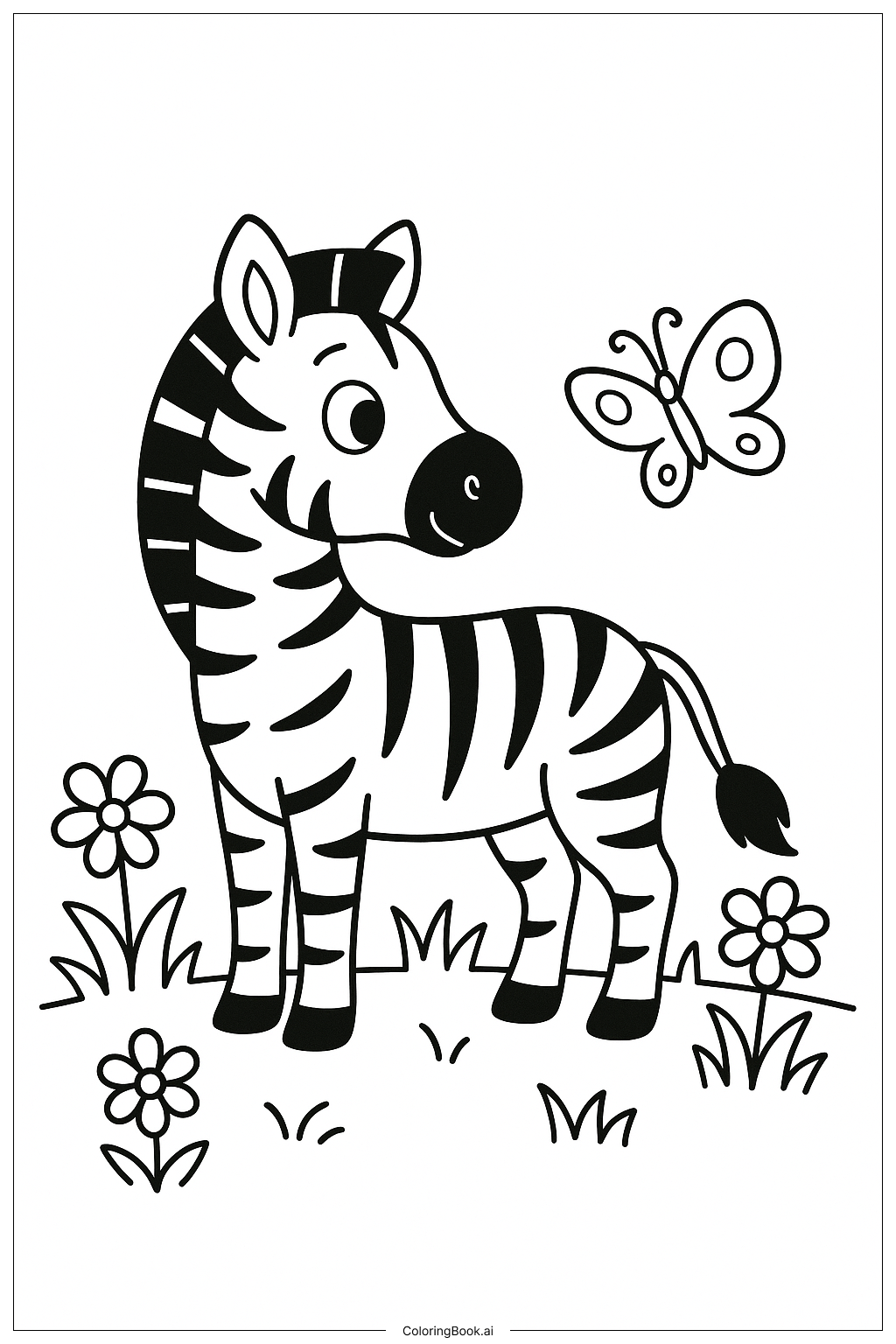
For this image, try using classic zebra colors with black and white to keep it realistic. You can add light gray or soft browns to highlight shadows or the contours of the zebra’s body. For the butterfly, pick bright colors like yellows, blues, or reds to make it stand out and show contrast. Use greens and browns to color the grass and plants around the zebra, adding variety to the scene. Experiment with soft blending for the butterfly’s wings to create a delicate look. Remember, you can use crayons, colored pencils, or markers depending on what you like best. Have fun mixing colors and making the zebra and butterfly come alive!
Coloring challenges: Which parts are difficult to color and need attention for Zebra With Butterfly coloring page?
• Zebra Stripes: The zebra’s stripes are narrow and follow curved patterns on different parts of the body. Coloring them requires steady hand control to stay inside the lines and reflect the natural stripe flow.
• Butterfly Details: The butterfly’s wings have small patterns that can be tricky to color evenly. Adding smooth shading without going over the outlines can be challenging.
• Facial Expression: The zebra’s face shows soft curves around the eyes and muzzle. Coloring these areas carefully helps keep the gentle look intact.
• Grass Texture: The blades of grass and small plants require attention to detail when coloring to avoid making the background look too messy.
• Contrast Balance: Balancing dark stripes with light areas on the zebra’s body needs careful layering to avoid uneven sections and maintain the overall pattern clarity.
Benefits of coloring books: Advantages of drawing Zebra With Butterfly coloring page
Coloring this image helps develop fine motor skills as children practice staying within narrow lines, especially around the zebra’s stripes and butterfly wings. It encourages attention to detail through the small patterns and natural shapes in the scene. This image also inspires creativity by allowing choices in color combinations for the butterfly and surrounding grass, teaching color contrast and harmony. Working on a calm animal scene can promote focus and relaxation, helping children to enjoy a mindful, creative activity. Additionally, coloring animals and insects fosters curiosity about nature and encourages learning about how different creatures interact.