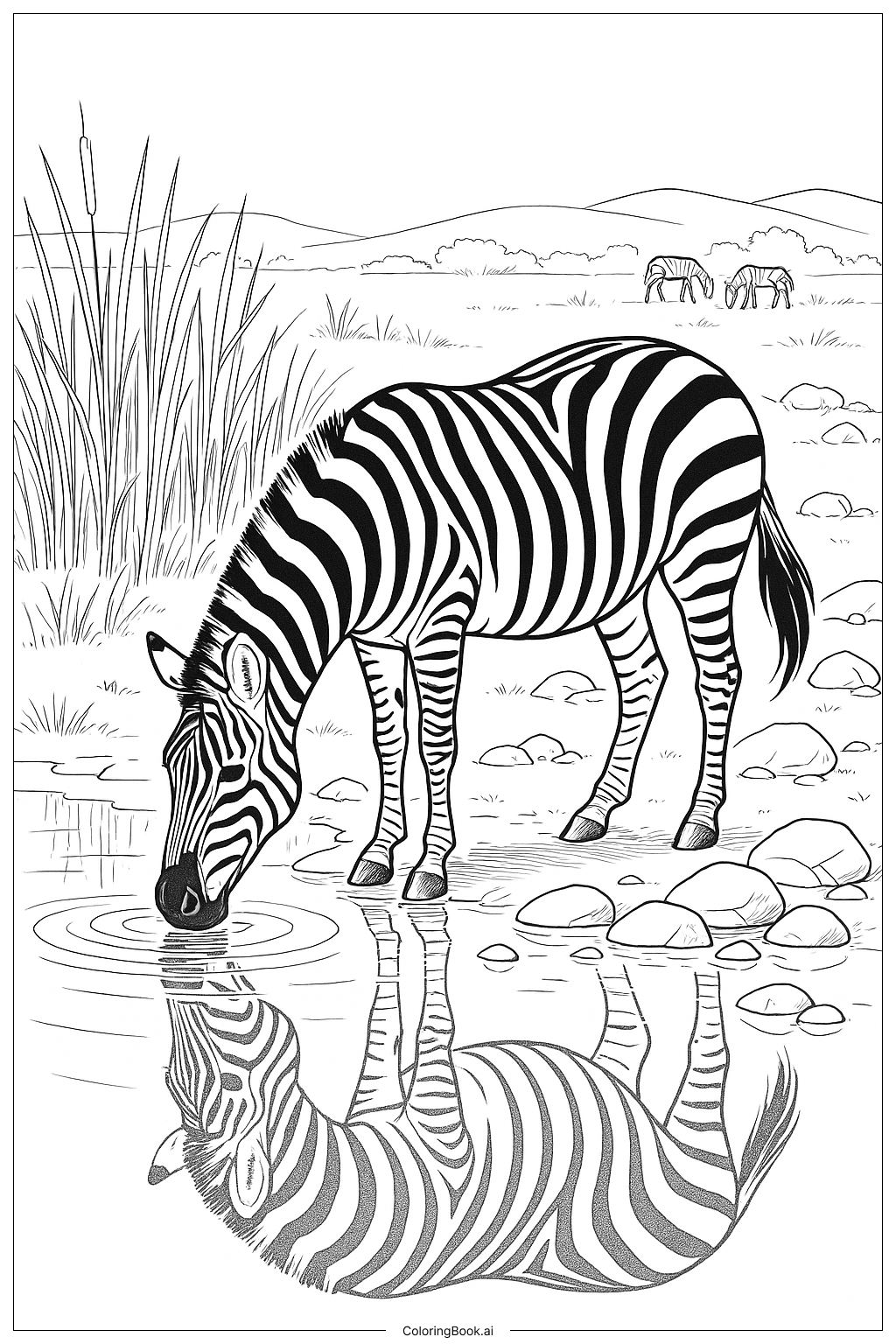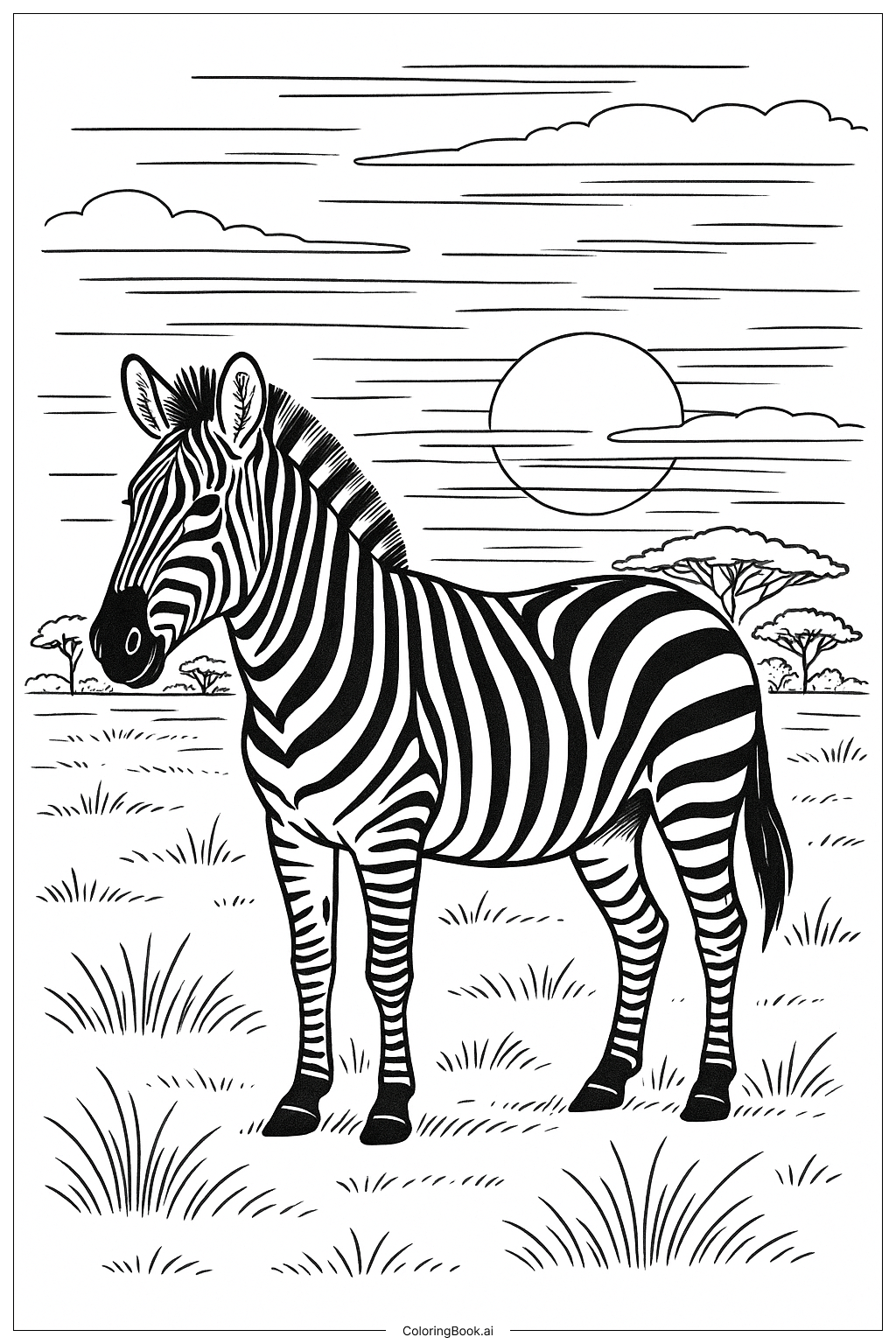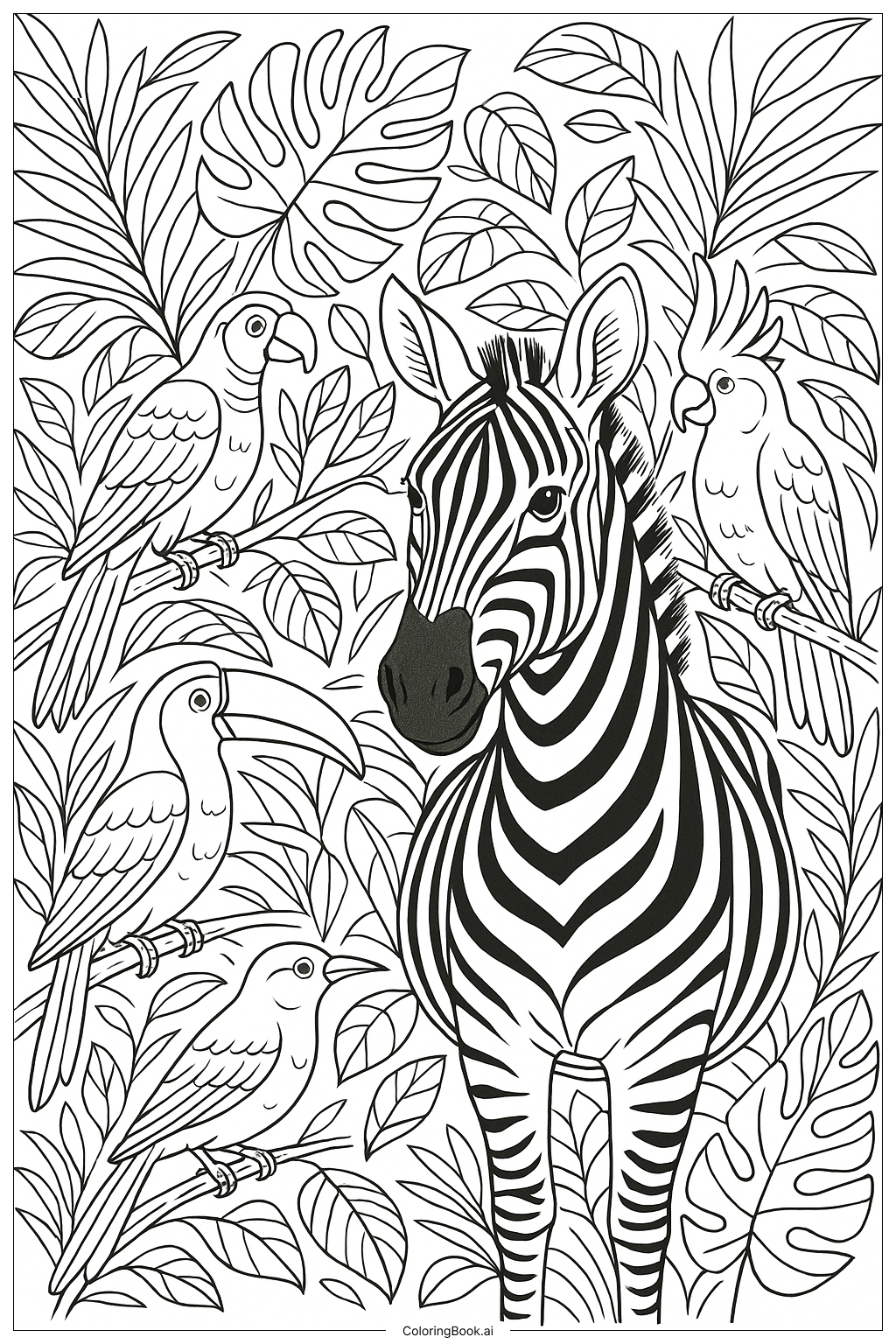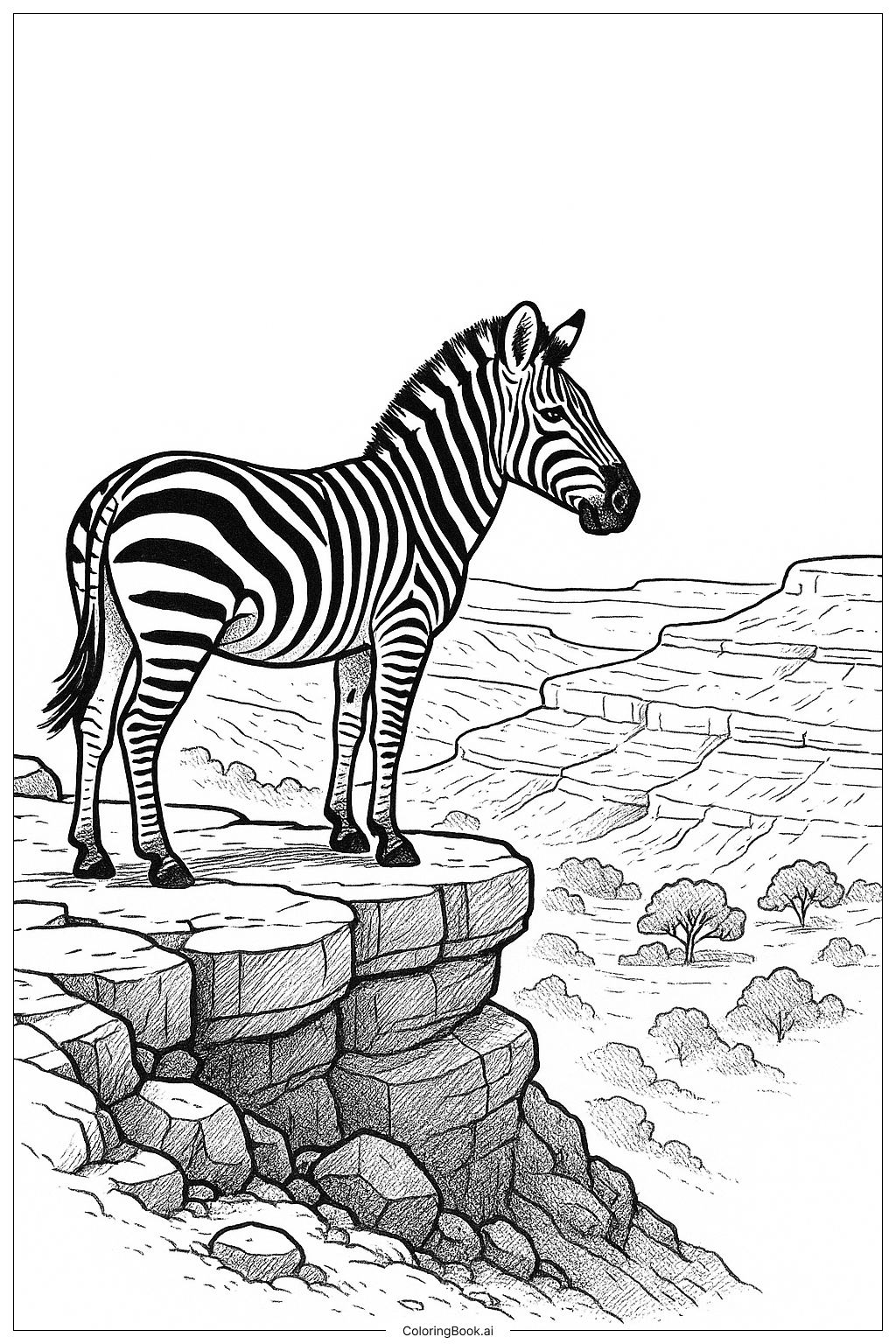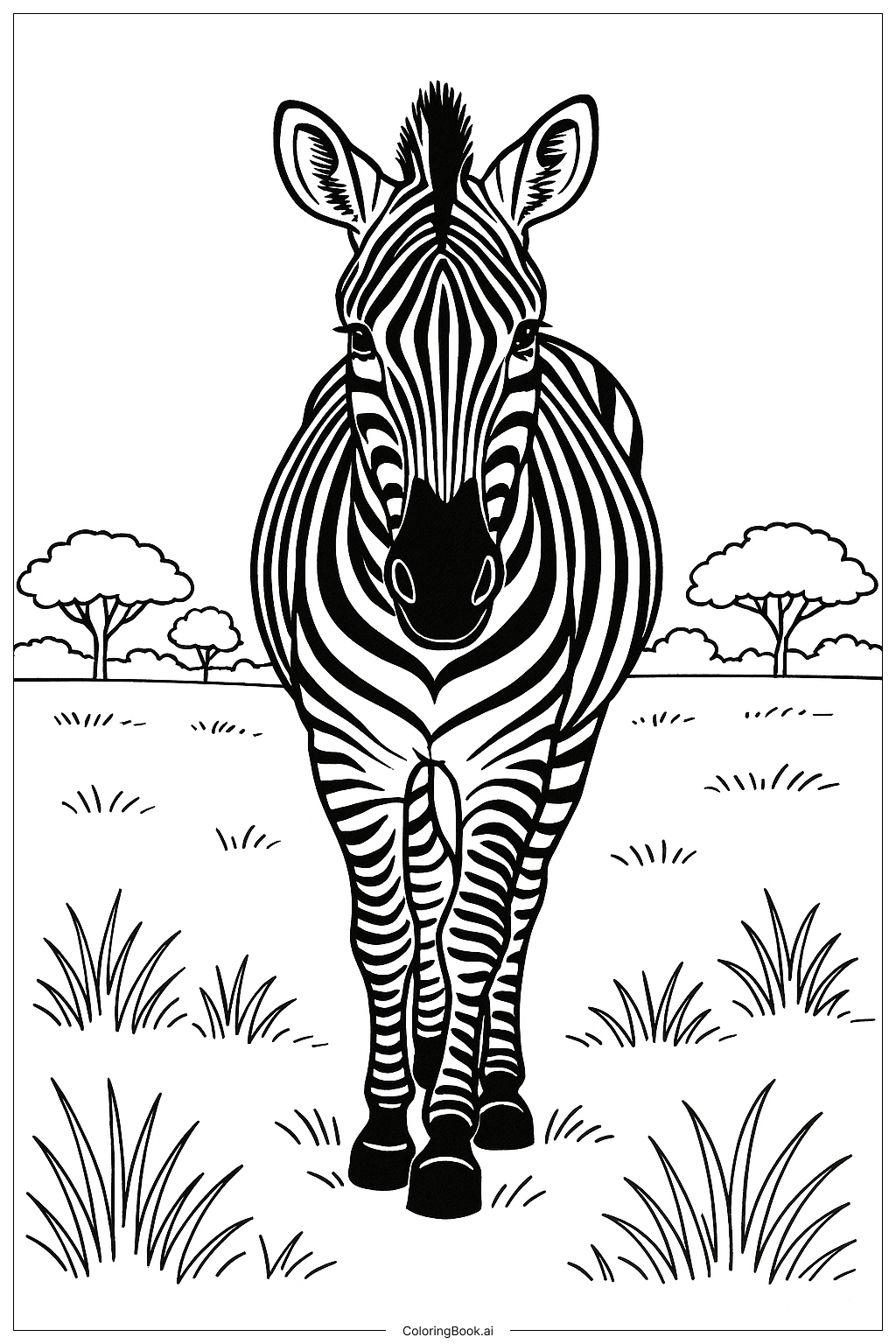
Coloring tips: How to color Zebra Walking Towards Camera coloring page well?
Start with the lightest areas first. Leave the white sections of the stripes uncolored, using the paper's natural white. Fill the dark stripes with black or very dark gray. You can add a soft warm tan or cream to the muzzle and inner ears to give the face life. Try a light blue or pale lavender in the background to make the zebra pop. For the eyes, use a deep brown with a small white highlight dot to add a sense of depth and life. Kids can keep the stripes simple and bold, while older colorists can try shading along the edges of each stripe to show the roundness of the body. A light gray shadow under the belly and legs helps the zebra look three-dimensional. Have fun making each stripe slightly uneven, just like a real zebra.
Coloring challenges: Which parts are difficult to color and need attention for Zebra Walking Towards Camera coloring page?
• Stripe Accuracy: The zebra's stripes are the central challenge of this image. They curve and taper as they wrap around the animal's body, which means coloring them neatly requires a steady hand and careful attention. If the black areas bleed into the white sections, the pattern can quickly look muddy. Using a fine-tipped marker or a sharpened colored pencil helps keep the edges clean and precise.
• Body Proportions and Shading: Because the zebra is walking directly toward the viewer, the body appears foreshortened. Shading needs to reflect this perspective. The front-facing chest is the broadest area, while the flanks recede. Adding subtle darker tones along the sides and lighter tones at the center of the chest helps suggest volume and depth without overcomplicating the stripes.
• Facial Detail: The face holds several small but important details — the large dark eyes, the wide nostrils, the firm lips, and the textured muzzle. Each of these requires controlled coloring in a relatively small space. Rushing this area can flatten the expression and reduce the emotional impact of the image.
• Mane Texture: The short, upright mane running along the top of the neck has its own striped pattern that transitions from the neck stripes. Keeping this area consistent with the rest of the body while still suggesting the bristly texture of real zebra mane fur is a delicate task.
• Background Balance: The open background is simple by design, but choosing the wrong color or value can either make the zebra disappear or create an unpleasant contrast. The background tone must complement the strong black-and-white pattern of the zebra without competing with it.
Benefits of coloring books: Advantages of drawing Zebra Walking Towards Camera coloring page
Coloring this zebra image offers a wonderful mix of fun and learning for kids and older colorists alike. Working through the stripe pattern builds focus and patience, as each stripe demands careful, deliberate movement of the pencil or marker. This kind of concentrated activity helps strengthen fine motor skills and hand-eye coordination in younger children.
The image also sparks curiosity about the natural world. As kids color, they naturally start wondering why zebras have stripes, where they live, and how they behave — making this a gentle gateway into learning about African wildlife and ecosystems.
For older children and teens, the challenge of shading a three-dimensional animal approaching head-on introduces basic concepts of light, shadow, and perspective. These are foundational art skills that carry over into drawing and design.
The repetitive, rhythmic motion of filling in stripe after stripe also has a calming, meditative quality. It helps reduce stress and anxiety, and encourages kids to slow down and stay present. Completing the image gives a real sense of accomplishment, which builds confidence and pride in creative work. Overall, this is a rewarding page for any age.