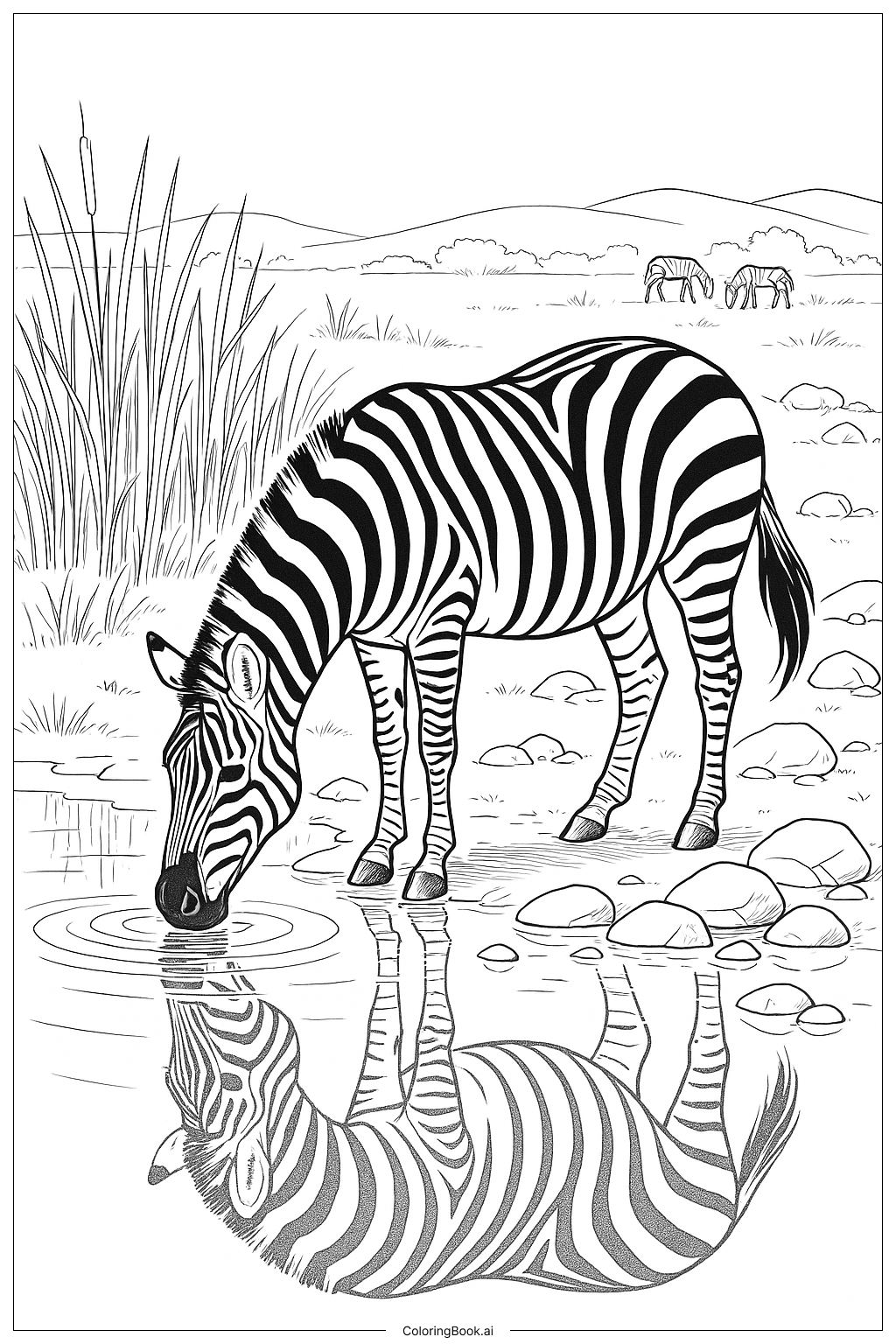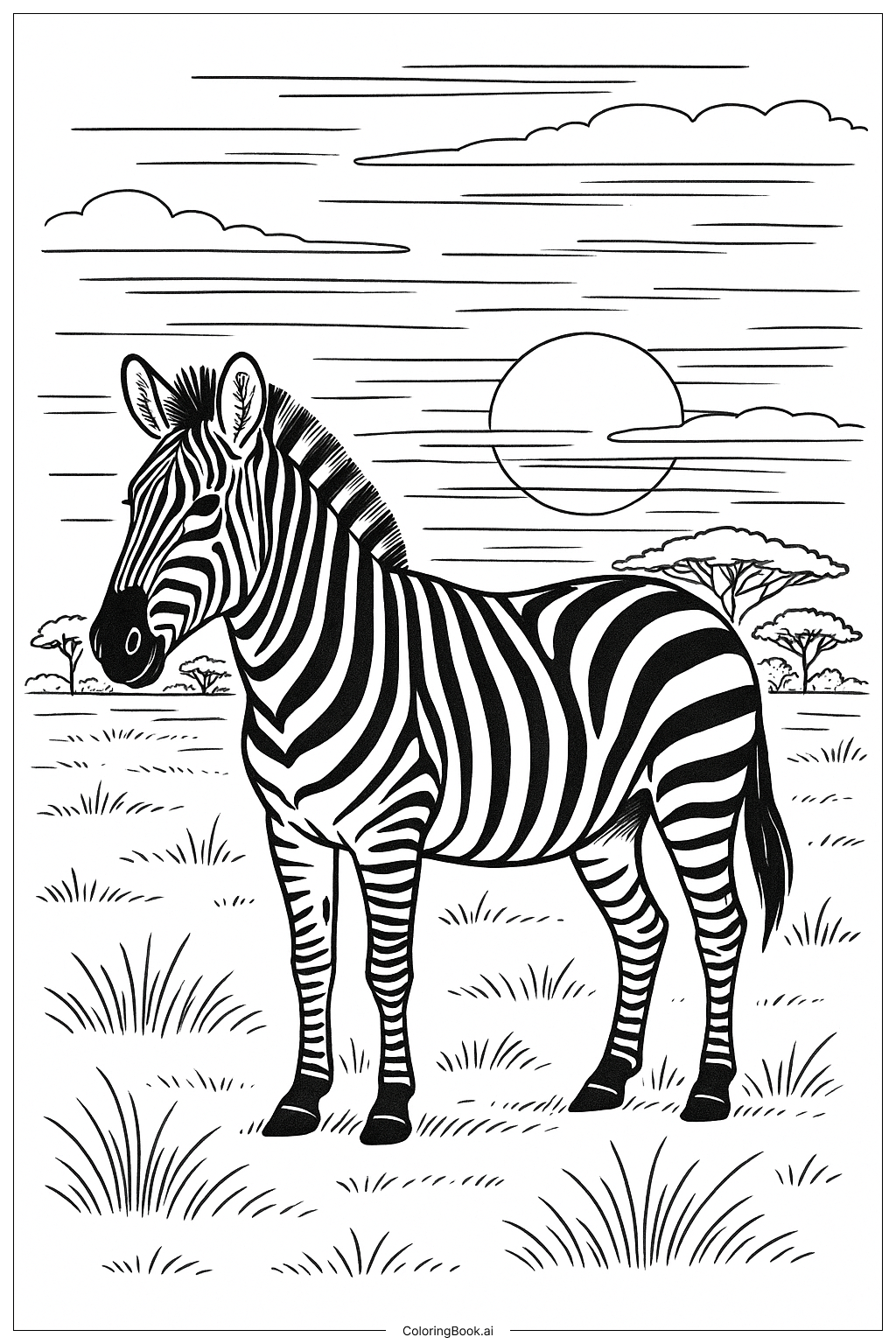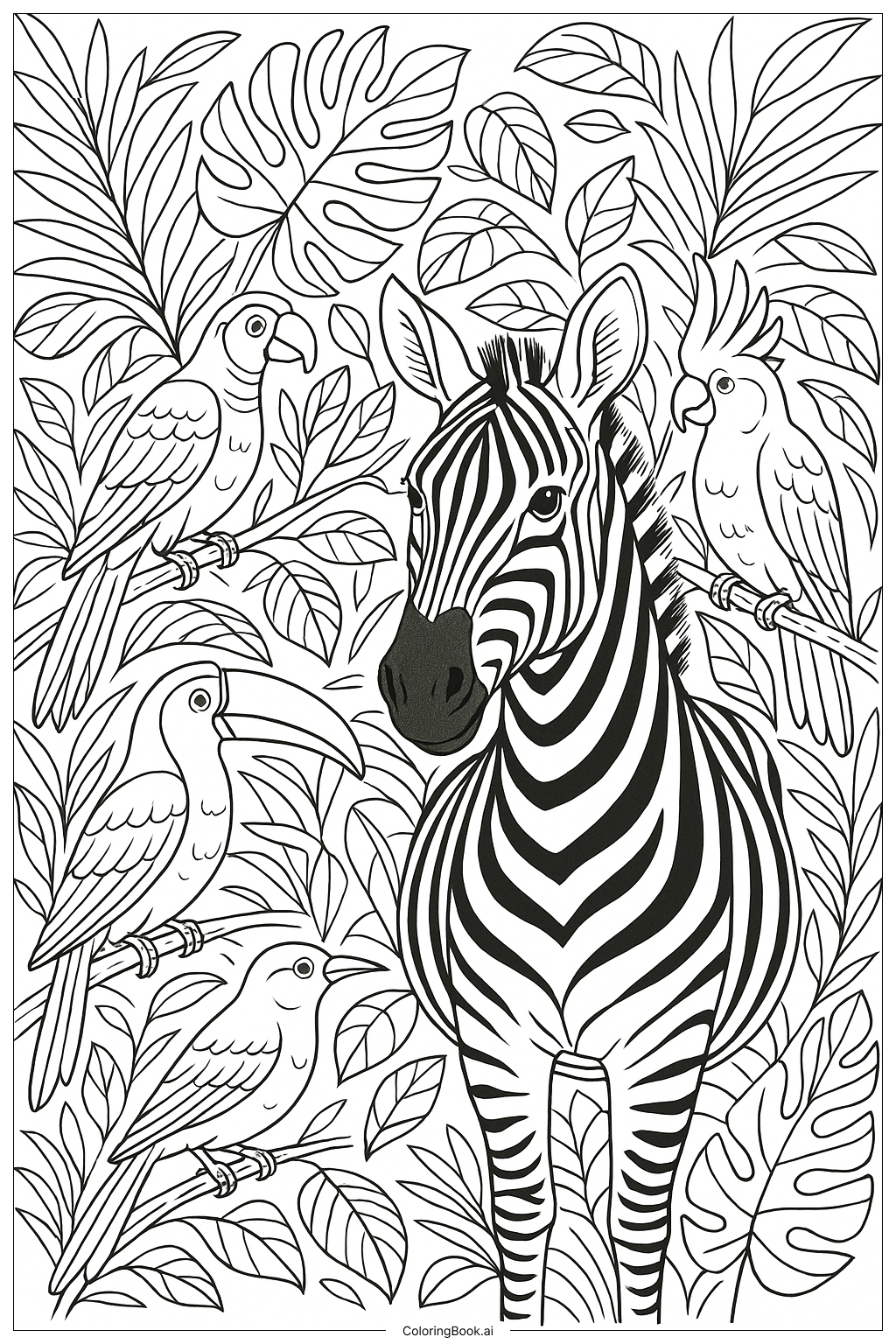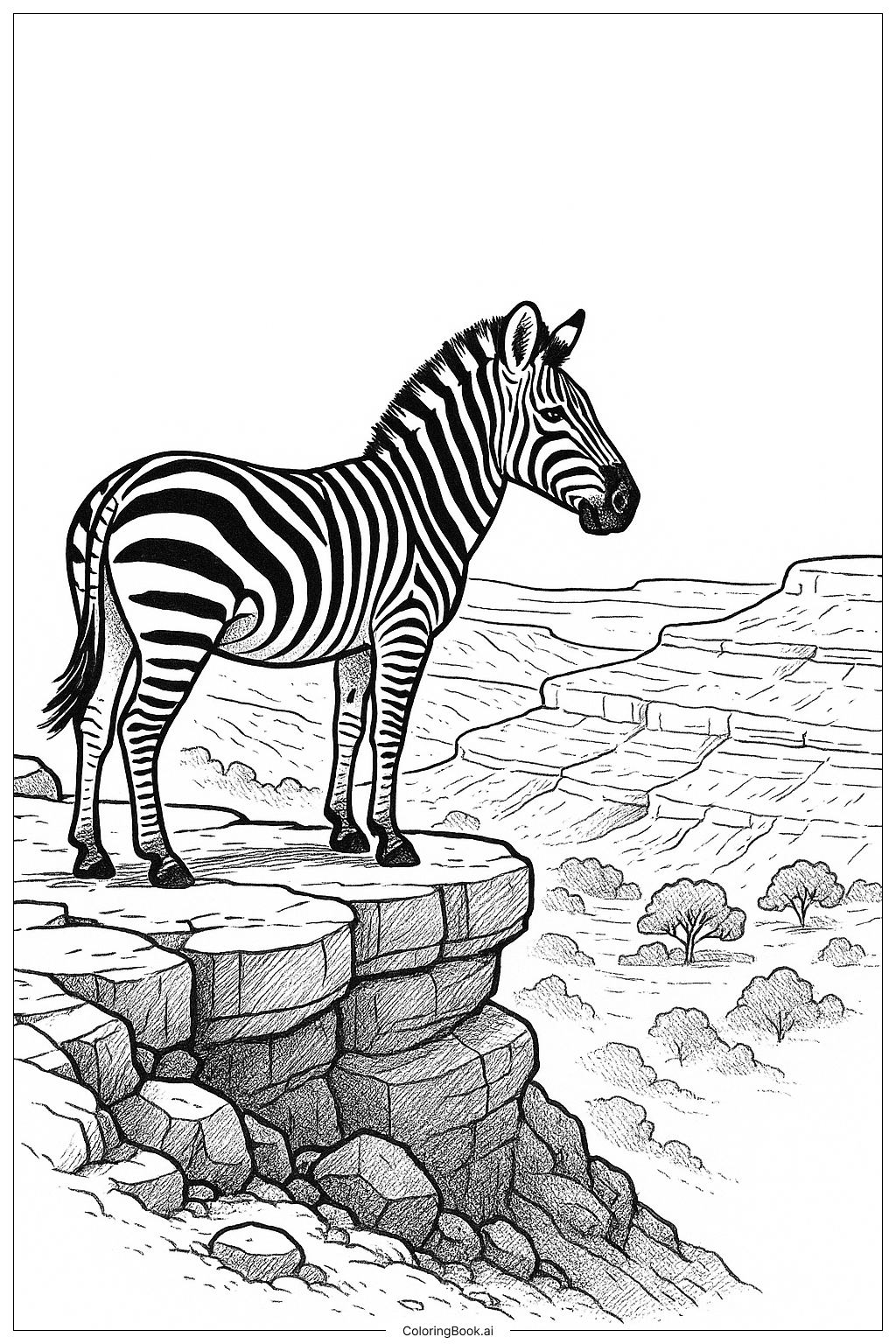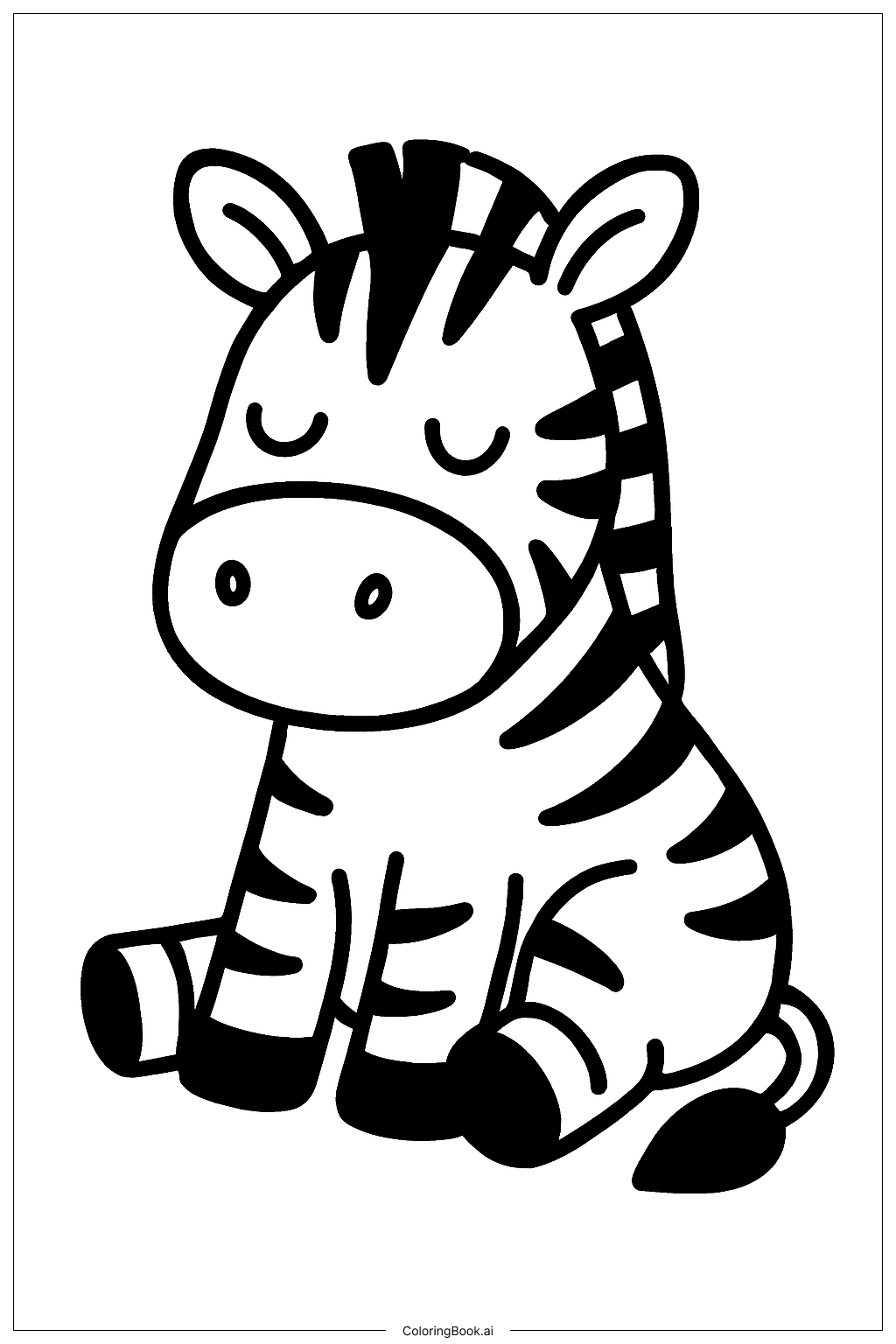
Coloring tips: How to color Sleepy Zebra coloring page well?
Use traditional zebra colors: black for the stripes, and a light grey or white for the rest of the body. You can use soft shades of blue or purple for the background to give a sleepy and calm feeling. The hooves and tail tip should be colored black. Try using shading on the mane and muzzle for depth. Feel free to add subtle blush colors on the cheeks to make the zebra look even cuter.
Coloring challenges: Which parts are difficult to color and need attention for Sleepy Zebra coloring page?
1. Coloring the zebra's stripes evenly can be tricky because they are different shapes and sizes. It needs patience to color inside the lines carefully.
2. The closed eyes and small facial features require focus to not color over the thin lines.
3. The legs are close together and overlap in places, which might be confusing when deciding which area to color first.
4. Because of the mix of curves and straight lines in the zebra's body, it might be tough for younger kids to follow the contours exactly.
5. Adding shading to create a three-dimensional look may be challenging for beginners.
Benefits of coloring books: Advantages of drawing Sleepy Zebra coloring page
Coloring this sleepy zebra helps children develop fine motor skills and hand-eye coordination. It also encourages creativity by allowing them to choose colors for the background and extra details. The simple shapes and big sections make it easier for younger kids to color without frustration. This activity can also teach children about animals and the concept of patterns seen in nature. Focusing on the zebra’s calm, sleeping pose can promote relaxation and mindfulness during coloring.