Coloring tips: How to color Yeti Inside A Detailed Ice Cave coloring page well?
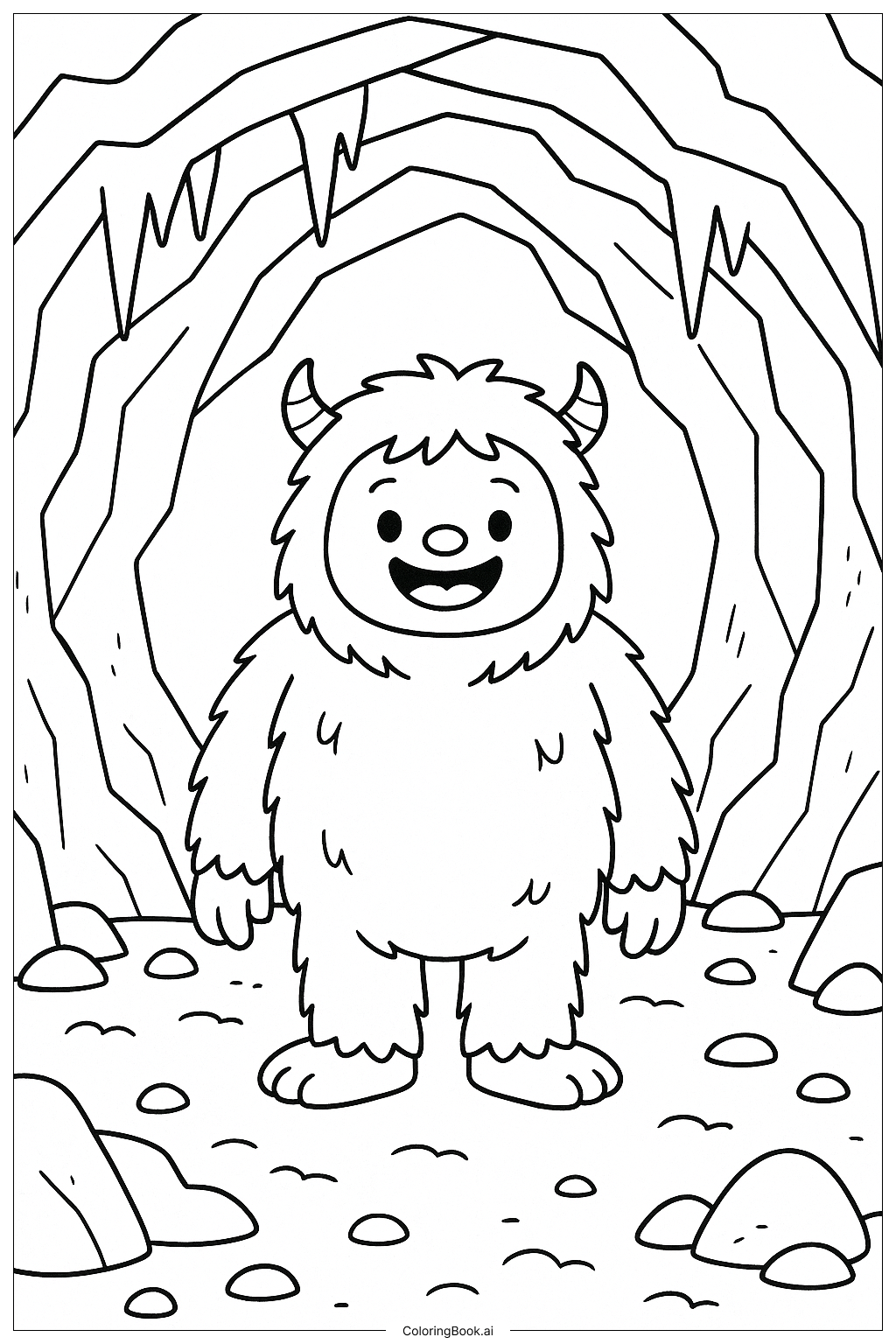
Start with the Yeti's fur. Use light blue, pale gray, or soft white. Add darker shades of the same color in the deeper folds to show depth. For the cave walls, use cool colors like icy blue, aqua, and pale purple. These colors make the ice look cold and glowing. Use light silver or white highlights on the icicles to give them a shiny look. The stalactites and stalagmites can be different shades of blue and teal. The cave floor can be a mix of gray and soft blue. For the Yeti's eyes, try warm amber or golden yellow to create a friendly contrast against the cool background. If you want to make the scene feel magical, add streaks of light lavender or soft pink to the cave walls. Take your time with the icicles — layering two or three shades will make them look realistic and beautiful.
Coloring challenges: Which parts are difficult to color and need attention for Yeti Inside A Detailed Ice Cave coloring page?
• Yeti Fur Texture: The Yeti's fur is made up of many small, overlapping lines and tufts. Coloring each strand individually takes patience. To make the fur look realistic and fluffy, you need to use short, directional strokes that follow the natural flow of the fur. Layering light and dark shades in the same area helps create a three-dimensional, soft appearance rather than a flat look.
• Ice Cave Wall Patterns: The cave walls are covered in complex crystalline and fracture patterns. These tiny, angular shapes are closely packed together, making it hard to color each section neatly. Staying inside the small lines requires a sharp pencil or a fine-tipped marker. Choosing the right combination of cool blue tones while keeping each facet slightly different adds to the challenge.
• Icicles and Stalactites: There are many icicles and stalactites of different lengths and widths hanging from the cave ceiling. Each one needs to be shaded gradually from a darker base to a lighter, almost white tip to look transparent and glassy. Blending colors smoothly across such narrow shapes without smudging is tricky and requires careful, controlled strokes.
• Depth and Lighting Effects: Creating a sense of depth inside the cave means making the background darker and the foreground lighter. Deciding where the light source is and consistently applying highlights and shadows across the entire scene takes planning. This is one of the hardest parts of the image for younger colorists.
• Small Background Details: The cave floor cracks, scattered boulders, and frost details in the background are small and closely spaced. Coloring these tiny areas without accidentally going over the lines demands a steady hand and focused attention.
Benefits of coloring books: Advantages of drawing Yeti Inside A Detailed Ice Cave coloring page
Coloring this Yeti inside a detailed ice cave is a wonderful activity for kids and adults alike. The image is full of interesting shapes and textures that help build creativity and imagination. As you choose colors for the icy walls and the Yeti's fur, you practice color mixing and learn how cool tones like blue, teal, and purple can work together beautifully.
The many fine details in the cave — like the icicles, stalactites, and crystal patterns — help improve hand-eye coordination and fine motor skills. Staying inside small, complex lines trains your hands to make precise, controlled movements, which is a skill that supports writing and drawing.
Working on a big, detailed scene also teaches patience and focus. Finishing the image piece by piece gives a strong sense of achievement. This feeling of completing something is great for building confidence and self-esteem in children.
The calm, cool theme of an ice cave has a naturally soothing effect. Coloring scenes like this can reduce stress and help you feel relaxed and peaceful. For adults, it works as a mindful activity that quiets a busy mind.
Overall, this coloring page combines fun, learning, and relaxation in one magical arctic adventure.