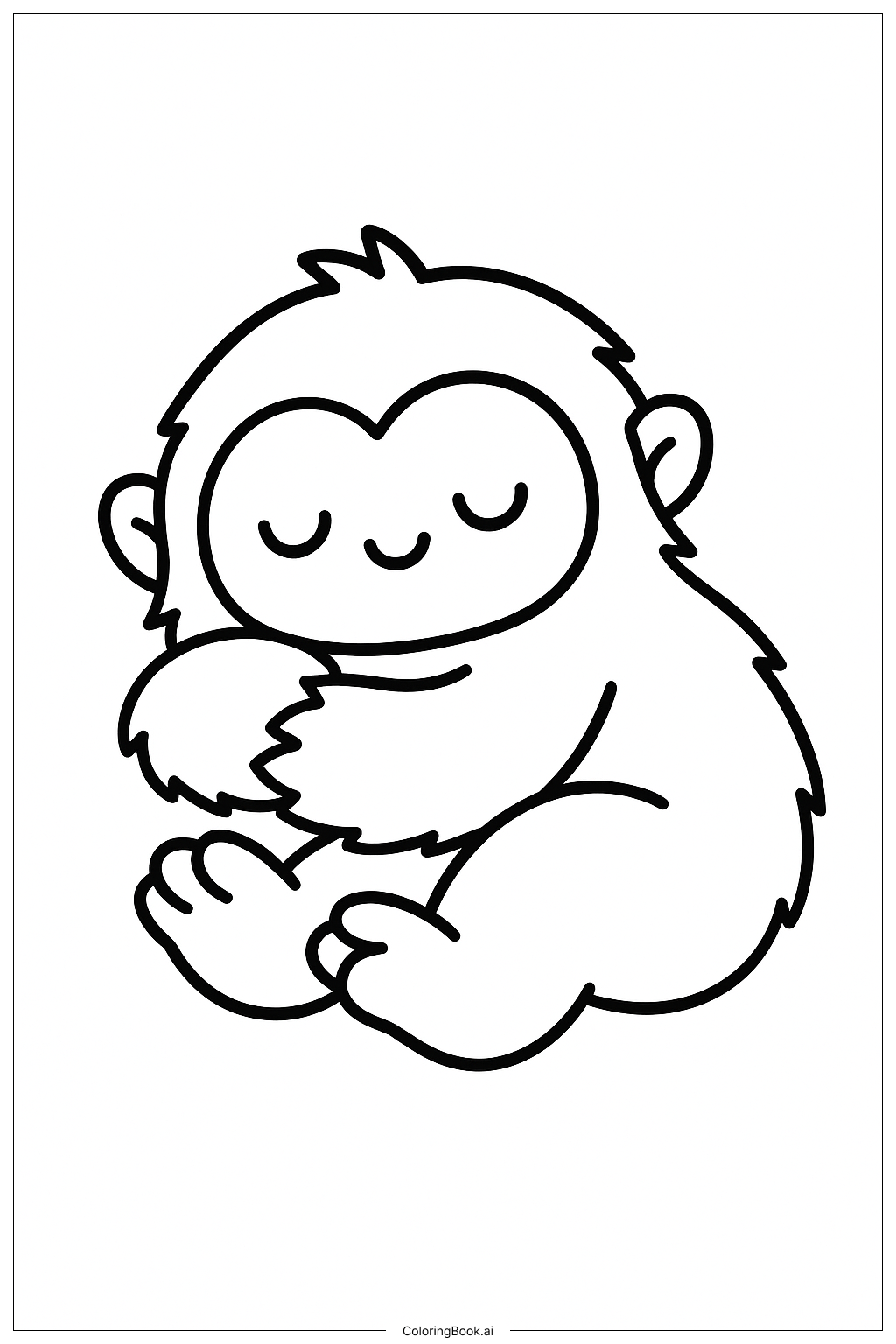
Coloring tips: How to color Sleeping Baby Yeti coloring page well?
Start with the baby Yeti's fur. Use light shades like white, cream, or pale blue to keep it soft and fluffy. Add gentle gray shading along the edges to give the fur depth and texture. For the face, use a warm peachy tone or a light pink blush on the cheeks to make it look cozy and rosy from the cold. Color the tiny nose a soft pink. Use cool blues and purples for the snowflakes and background sky to create a calm night or winter morning feel. The pine trees can be deep green with small white tips to show snow. Keep the clouds light gray or pale lavender. If there are stars, try pale yellow or silver. The goal is a dreamy, gentle color palette that feels soothing and magical, perfect for showing how peaceful and adorable this little Yeti looks while sleeping in the snow.
Coloring challenges: Which parts are difficult to color and need attention for Sleeping Baby Yeti coloring page?
• Fur Texture Shading: The baby Yeti's thick, fluffy fur is one of the trickiest parts to color. To make it look realistic and soft, you need to layer multiple shades — starting with a light base and gradually adding darker tones along the folds and edges. Blending these transitions smoothly takes patience and a careful hand, especially for younger colorists.
• Tiny Facial Details: The baby Yeti's face has very small features — closed eyes with lashes, a little nose, and soft cheeks. Working in such a small area requires precision. Using the wrong color or pressing too hard can easily smudge or overwhelm these delicate details, making the face look messy instead of sweet.
• Snowflake Patterns: The snowflakes scattered around the scene often have fine, intricate lines and symmetrical patterns. Staying inside these narrow lines without accidentally filling in the wrong section is a real challenge, especially for kids with smaller hands or less coloring experience.
• Background Depth: Creating a sense of distance in the background — with mountains, clouds, pine trees, and sky — requires using different shades of the same color family. Lighter tones go further back, darker ones come forward. Getting this visual depth right is a more advanced technique that can be difficult for beginners.
• Consistent Winter Palette: Keeping all the colors working together in a unified, cool winter theme takes planning. It is easy to accidentally use colors that clash or look too bright, breaking the calm and magical mood of the sleeping Yeti scene.
Benefits of coloring books: Advantages of drawing Sleeping Baby Yeti coloring page
Coloring this Sleeping Baby Yeti page brings many wonderful benefits for kids and beginners alike. First, it helps build fine motor skills. Carefully filling in the fur, tiny face, and snowflake details trains the hands and fingers to move with control and precision.
Second, it encourages creativity. Choosing colors for a fantasy creature like a baby Yeti means there are no strict rules. Kids can experiment freely, picking soft pastels, bold contrasts, or even rainbow fur if they want.
Third, the peaceful and cozy theme of the image has a calming effect. Focusing on a quiet, sleeping character naturally slows the mind and eases stress. It is a great activity before bedtime or after a busy school day.
Fourth, it builds color awareness. Deciding how to shade fur, create a snowy background, and balance warm and cool tones teaches kids basic color theory in a fun and hands-on way.
Finally, completing this coloring page gives a real sense of achievement. Finishing a detailed image builds confidence and pride, reminding young colorists that patient effort always leads to something beautiful. This page is a perfect mix of fun, learning, and relaxation.