Coloring tips: How to color World Map with Simple Border coloring page well?
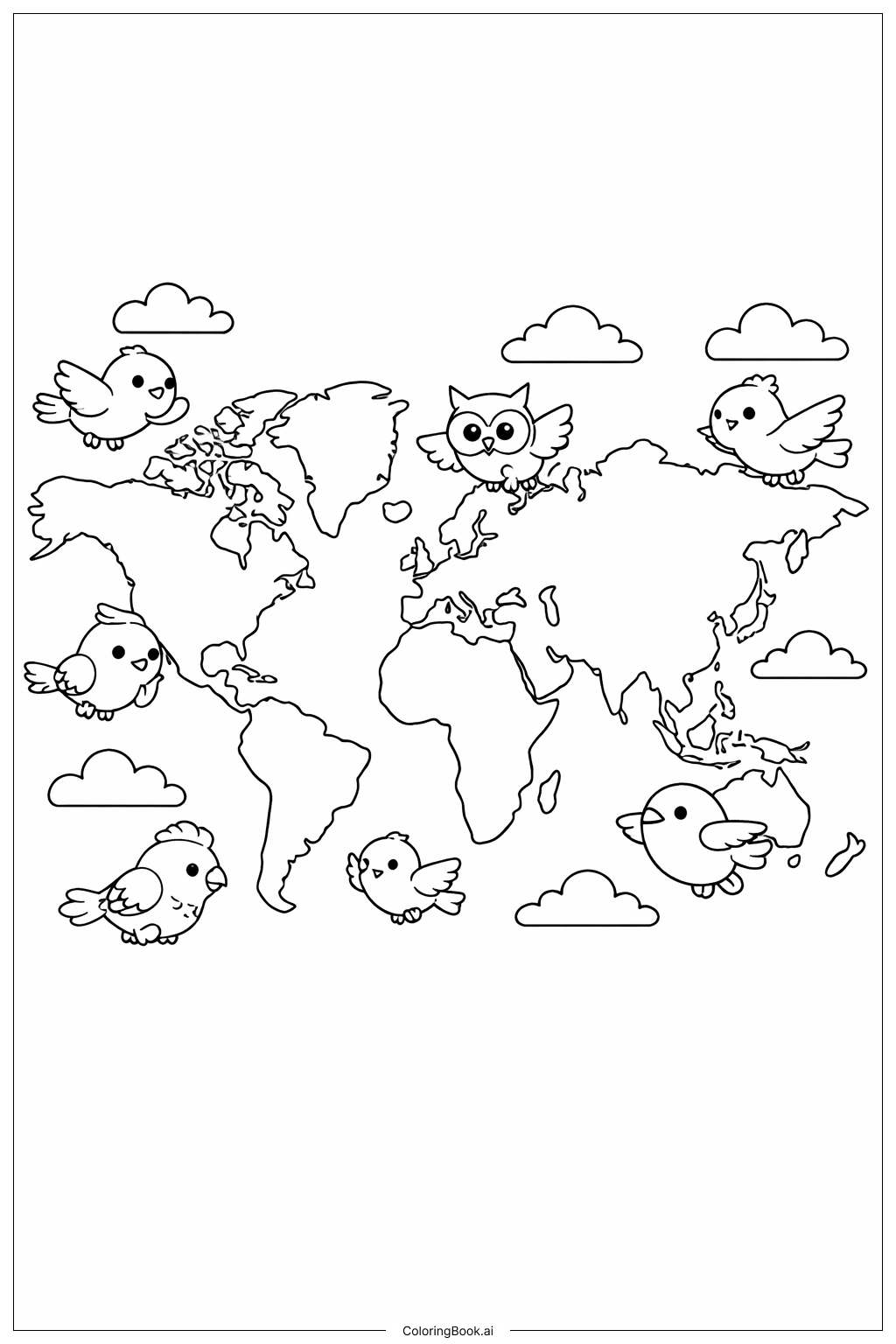
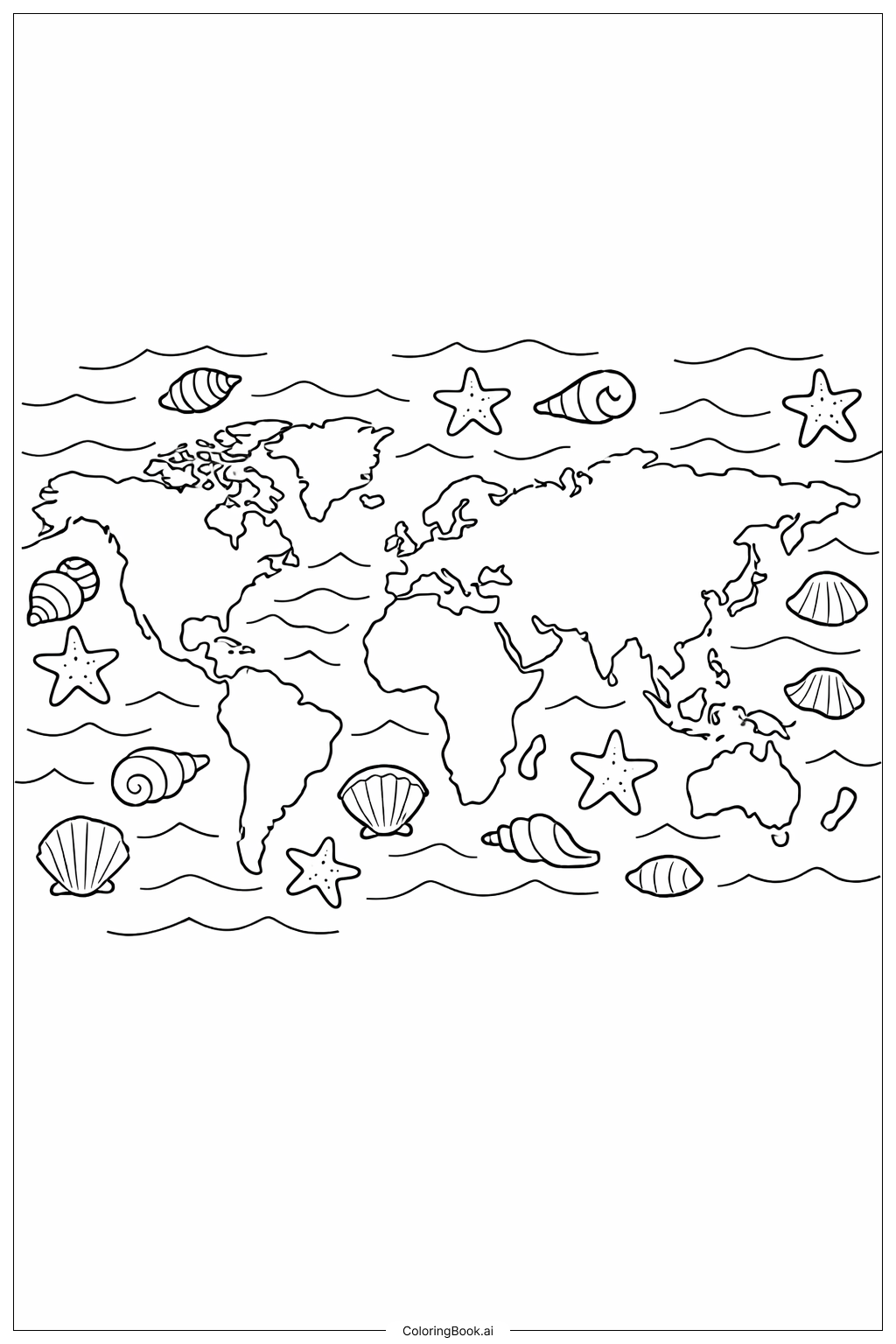
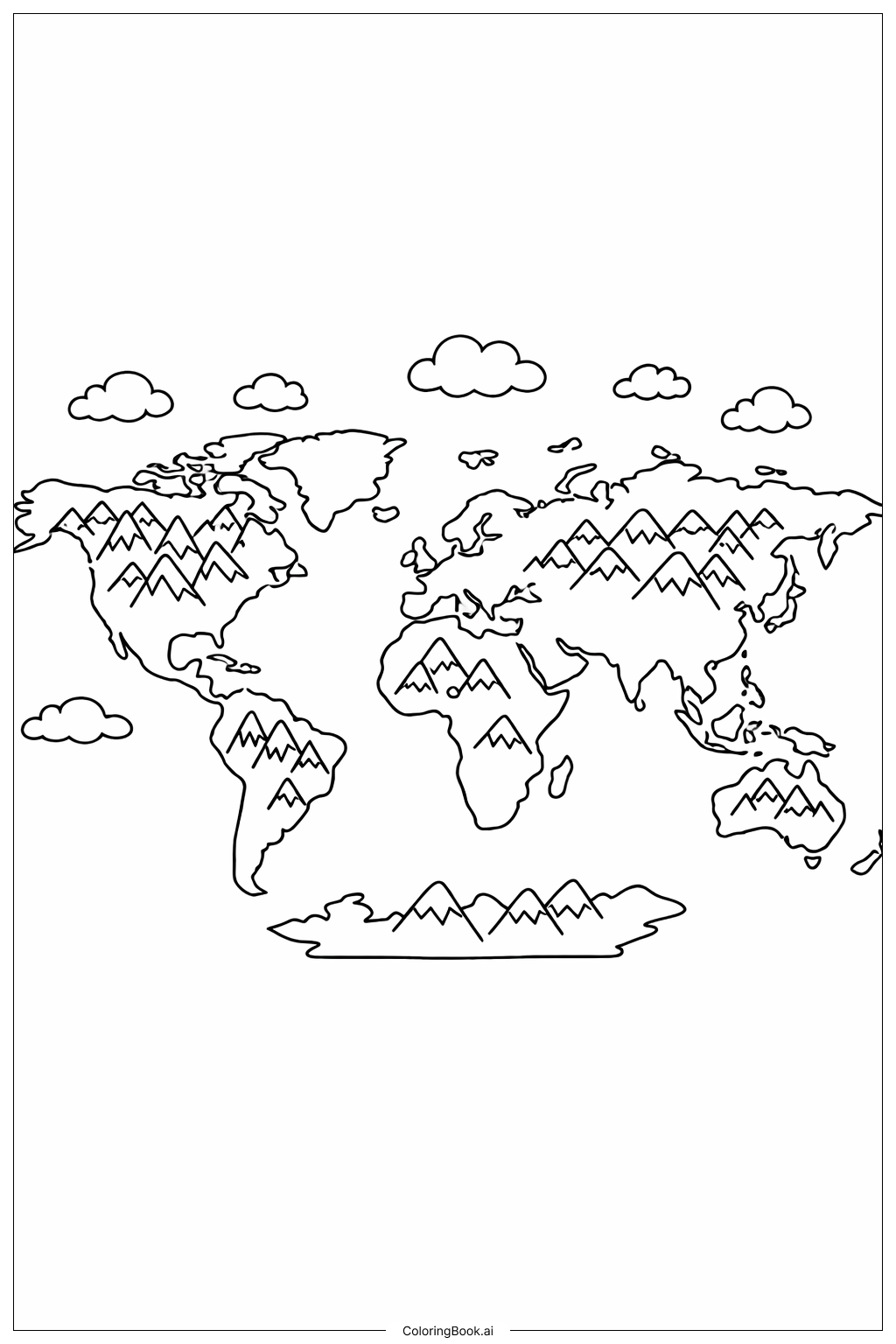
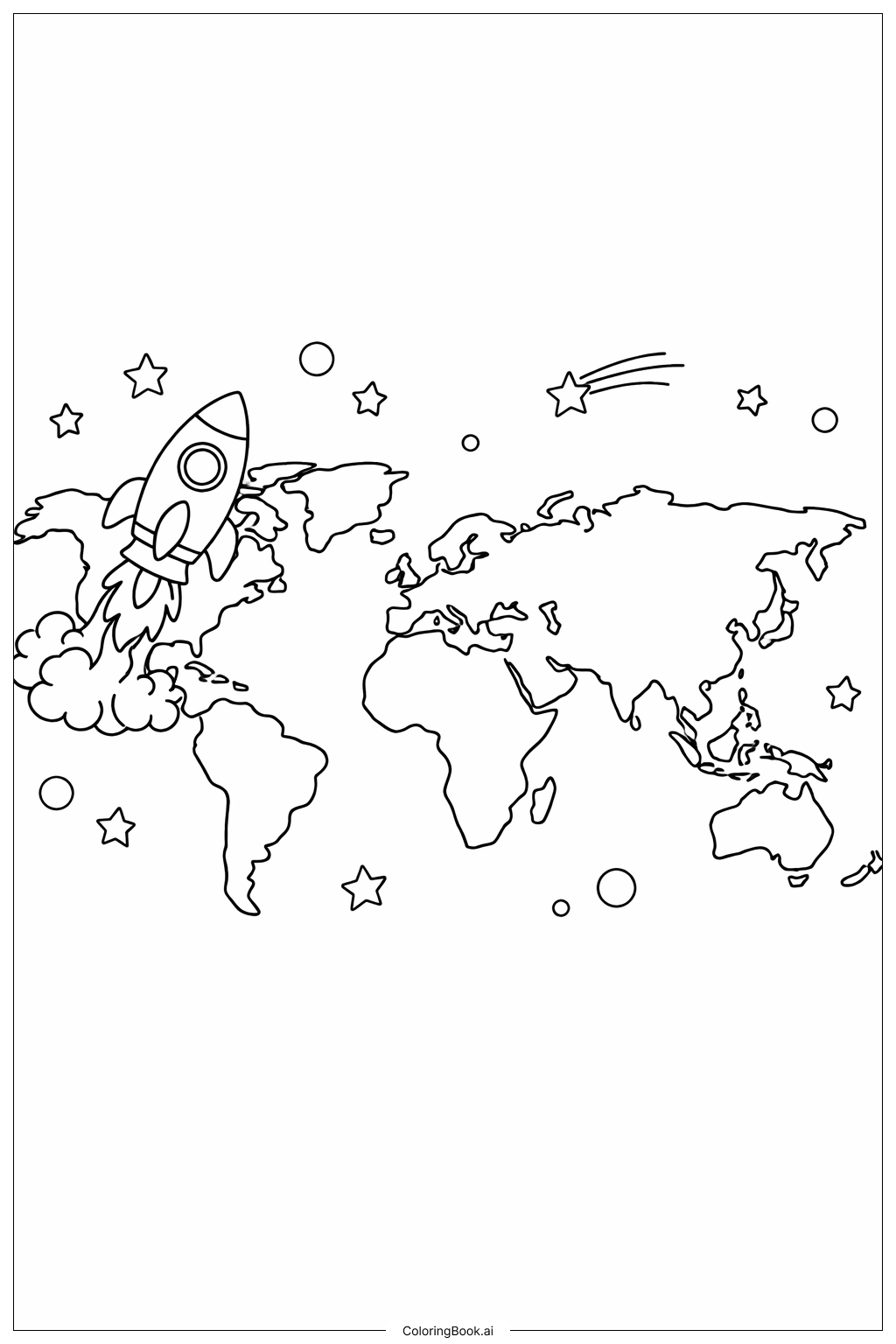
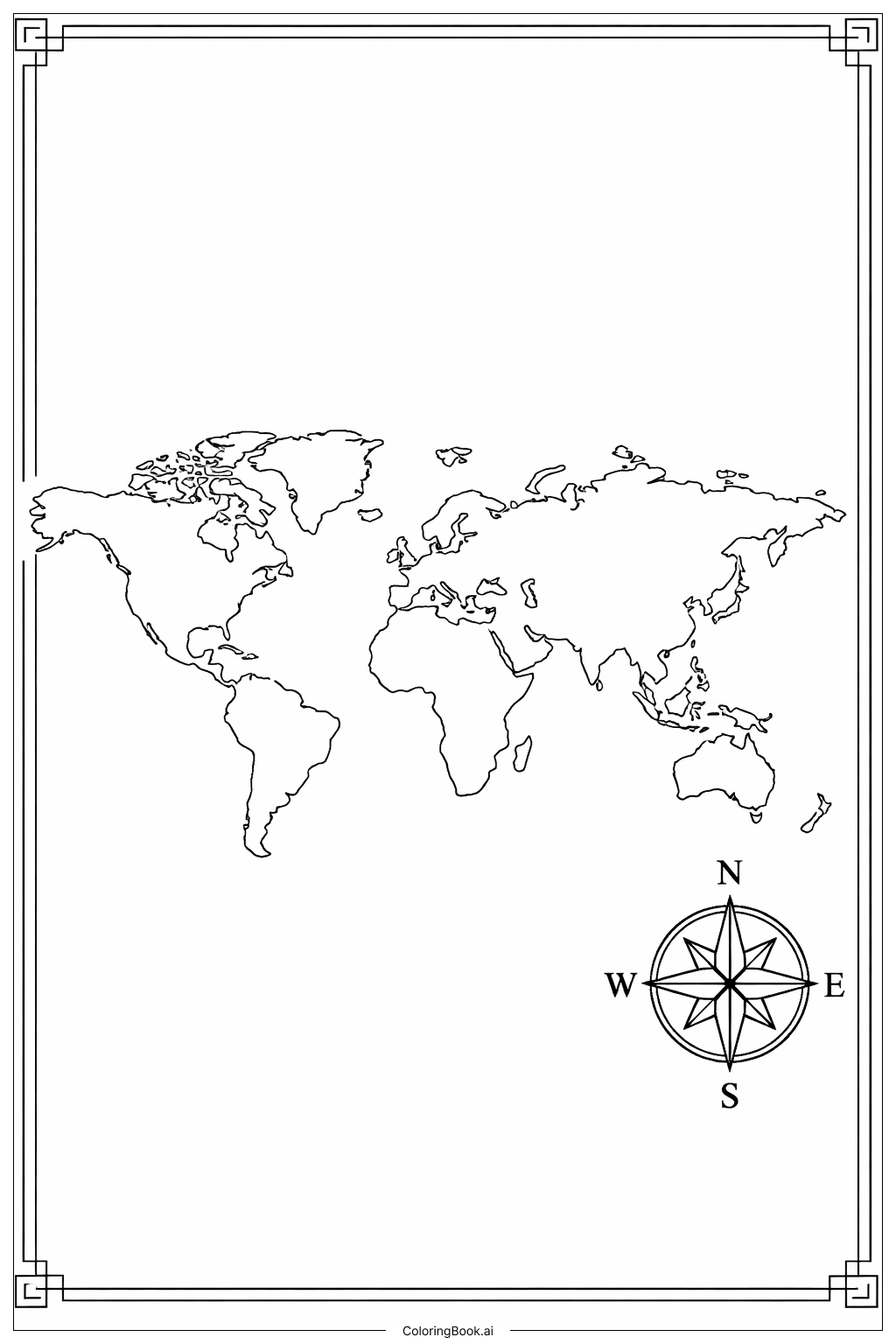
Use different colors for each continent to make the map colorful and easier to understand. For example, use green for Africa, blue for North America, yellow for Asia, and brown for South America. You can use light blue or turquoise for the oceans around the land. Try to color inside the lines carefully and use a fine-tip coloring tool for small islands and details. Feel free to add patterns or symbols like animals or plants that represent each continent for extra creativity.
Coloring challenges: Which parts are difficult to color and need attention for World Map with Simple Border coloring page?
1. Small Islands: Some tiny islands are hard to color because they require careful attention and a steady hand.
2. Detailed Coastlines: The irregular edges of the continents can be tricky to color neatly.
3. Compass Rose: The small sections in the compass may be challenging to fill without going outside the lines.
4. Uniform Border: The thin, simple border needs precision to color without smudging beyond the lines.
5. Large Empty Spaces: The ocean areas are wide and may tempt you to use a single color, but mixing shades can add depth and interest, which can be a bit challenging.
Benefits of coloring books: Advantages of drawing World Map with Simple Border coloring page
Coloring this world map helps improve your knowledge of geography by making you observe different continents and islands closely. It also enhances your fine motor skills as you carefully color small and detailed areas. Using different colors for each continent can boost your creativity and help you learn about color organization. Finally, coloring can be fun and relaxing, letting you enjoy art while learning about the world.