Coloring tips: How to color World Cup Soccer Ball coloring page well?
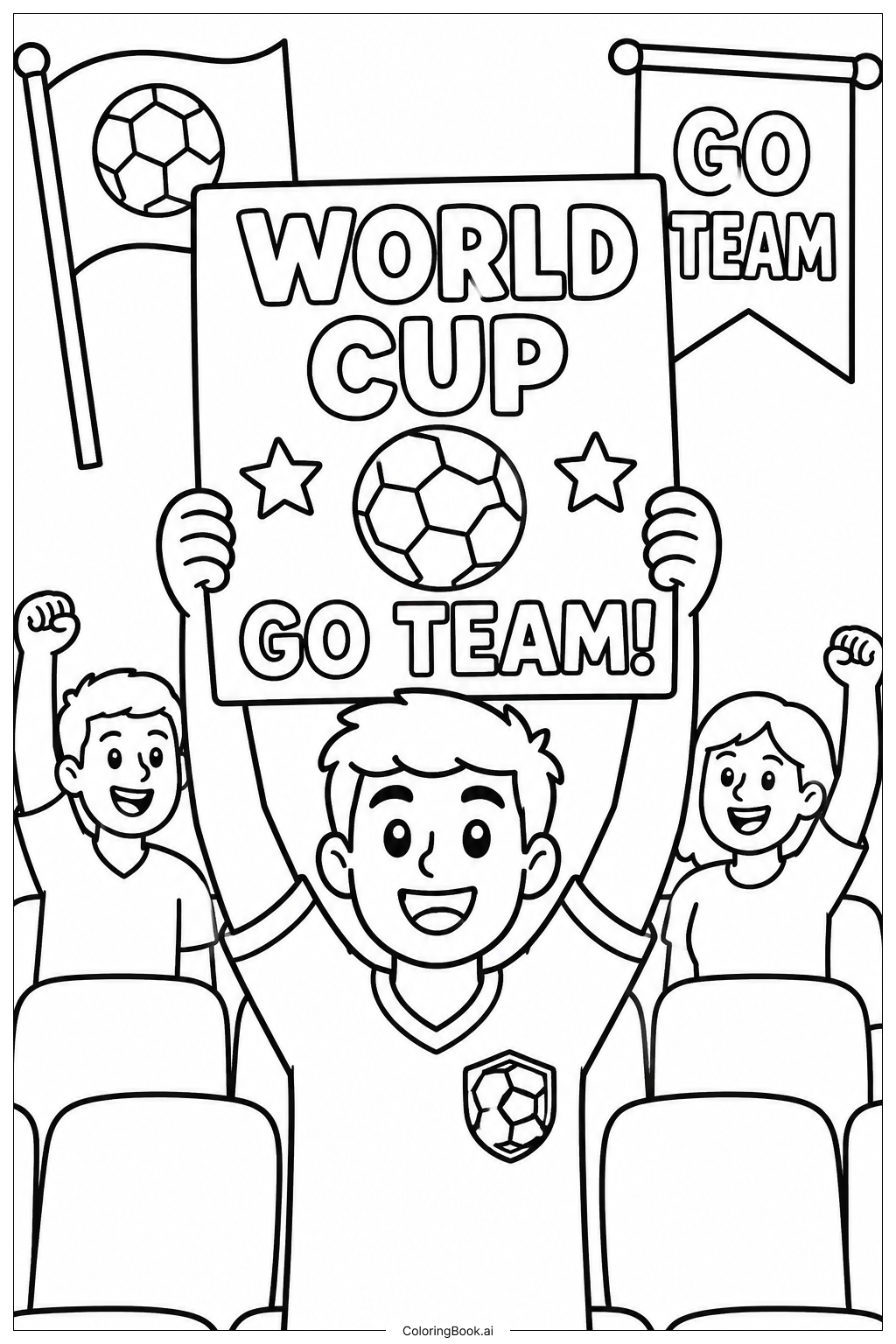
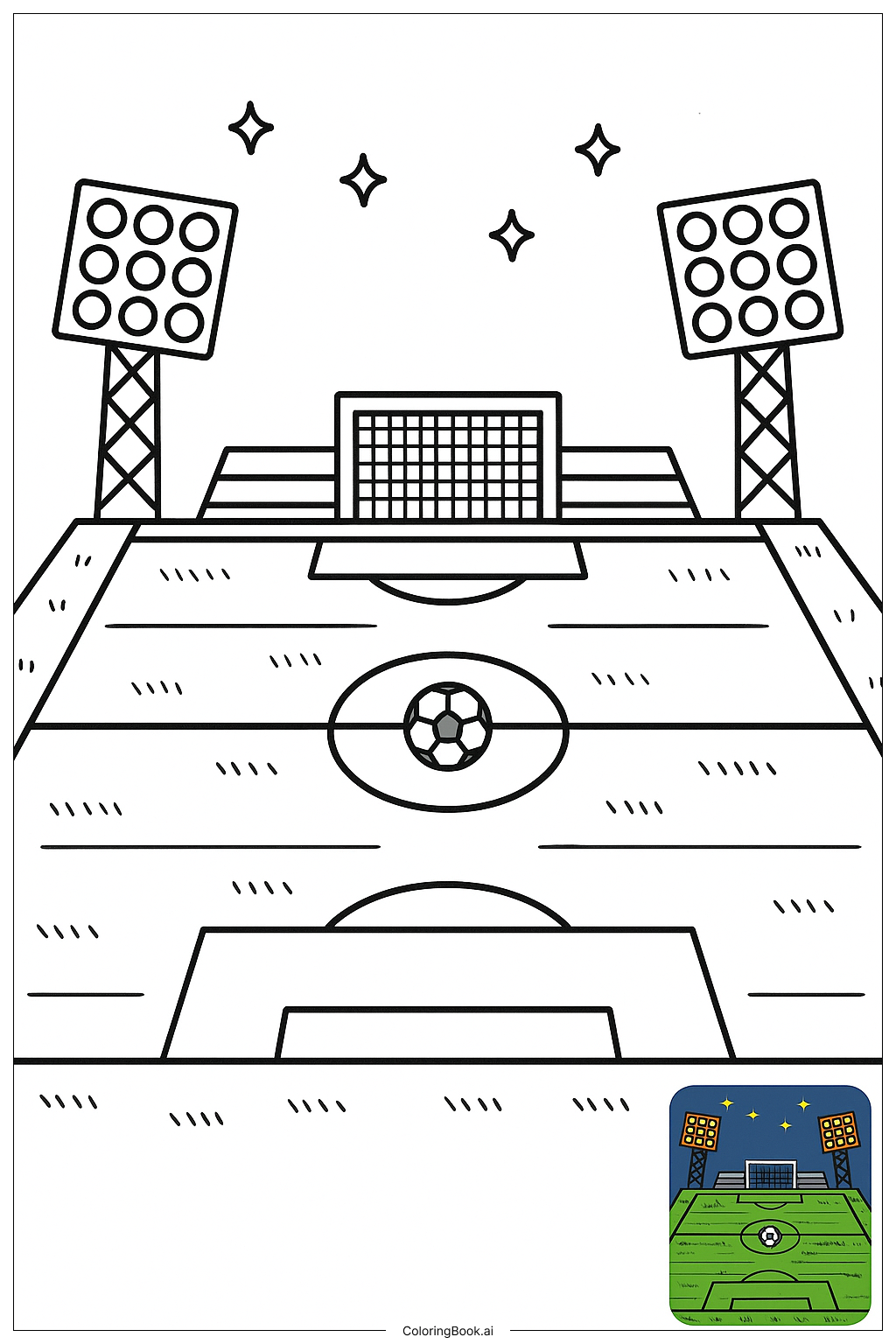
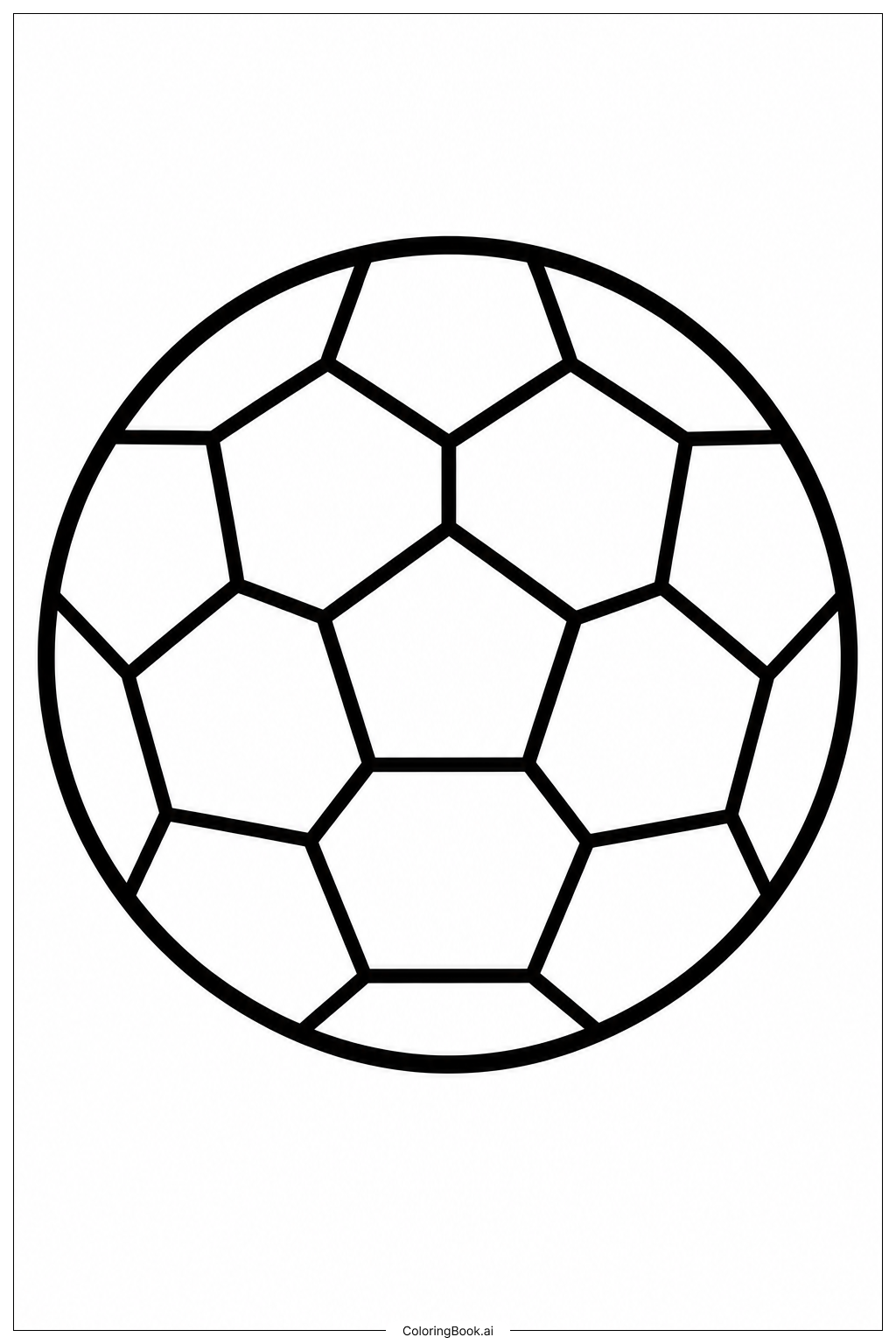
Start with the ball's panels. The classic World Cup soccer ball uses black pentagons and white hexagons, but feel free to use your favorite team's colors instead — try red, blue, gold, or green to make it your own. Use a darker shade on the edges of each panel and a lighter shade in the center to create a rounded, three-dimensional look. For the stars and decorative accents around the ball, bright yellow or gold works beautifully. You can also add a light blue or sky background to make the ball pop. Try colored pencils for fine panel lines and markers for bold, solid areas. Take your time on each section — neat, careful coloring inside the lines will make the final result look really impressive. Most importantly, have fun and make it feel like a celebration!
Coloring challenges: Which parts are difficult to color and need attention for World Cup Soccer Ball coloring page?
• Panel Boundary Precision: The soccer ball is made up of many small hexagonal and pentagonal panels, each separated by thin lines. Staying neatly within each boundary is tricky, especially where multiple panels meet at a single point. Young colorists or beginners may find it hard to switch colors accurately at these tight junctions without the colors bleeding into neighboring sections.
• Creating a 3D Round Effect: A soccer ball is a sphere, not a flat circle. To make it look realistically round, you need to apply shading — lighter tones in the center of each panel and darker tones near the edges. This gradient technique requires patience and a good understanding of how light falls on curved surfaces, which can be challenging for beginners.
• Consistent Color Across Panels: If you choose to color all the hexagons one color and all the pentagons another, keeping each color consistent and uniform across the entire ball takes focus. It is easy to accidentally use slightly different shades or apply uneven pressure, which can make the finished ball look patchy.
• Decorative Accent Details: The stars and small celebratory elements surrounding the ball have their own fine details. Coloring these without going outside their outlines while also making them look distinct from the ball itself requires careful tool selection and a steady hand.
• Color Coordination: Choosing colors that work well together — for the ball, the accents, and any background — is a creative challenge in itself. Without a plan, colors can clash or the ball may not stand out clearly from its surroundings.
Benefits of coloring books: Advantages of drawing World Cup Soccer Ball coloring page
Coloring this World Cup Soccer Ball page offers a wonderful mix of fun and learning for kids and teens. Working carefully within the ball's many panels helps build fine motor skills and improves hand-eye coordination. Each time a child stays inside the lines, they are strengthening the muscle control needed for writing and other precise tasks.
The structured panel layout of the soccer ball encourages focus and patience. Completing a detailed image section by section teaches children how to break a big task into smaller steps — a valuable life skill.
Choosing colors for the ball, stars, and background sparks creativity. Kids learn about color combinations, contrast, and how shading can make a flat shape look three-dimensional. This builds early foundations in visual art and design thinking.
The World Cup theme also connects coloring to a broader world of sport and culture. It can open conversations about countries, teamwork, and global events, making the activity educational as well as creative.
Finally, finishing a coloring page brings a real sense of accomplishment. Displaying the completed artwork gives children pride in their work and boosts self-confidence. Whether coloring solo or with friends and family, this page is a joyful way to celebrate the spirit of the World Cup.