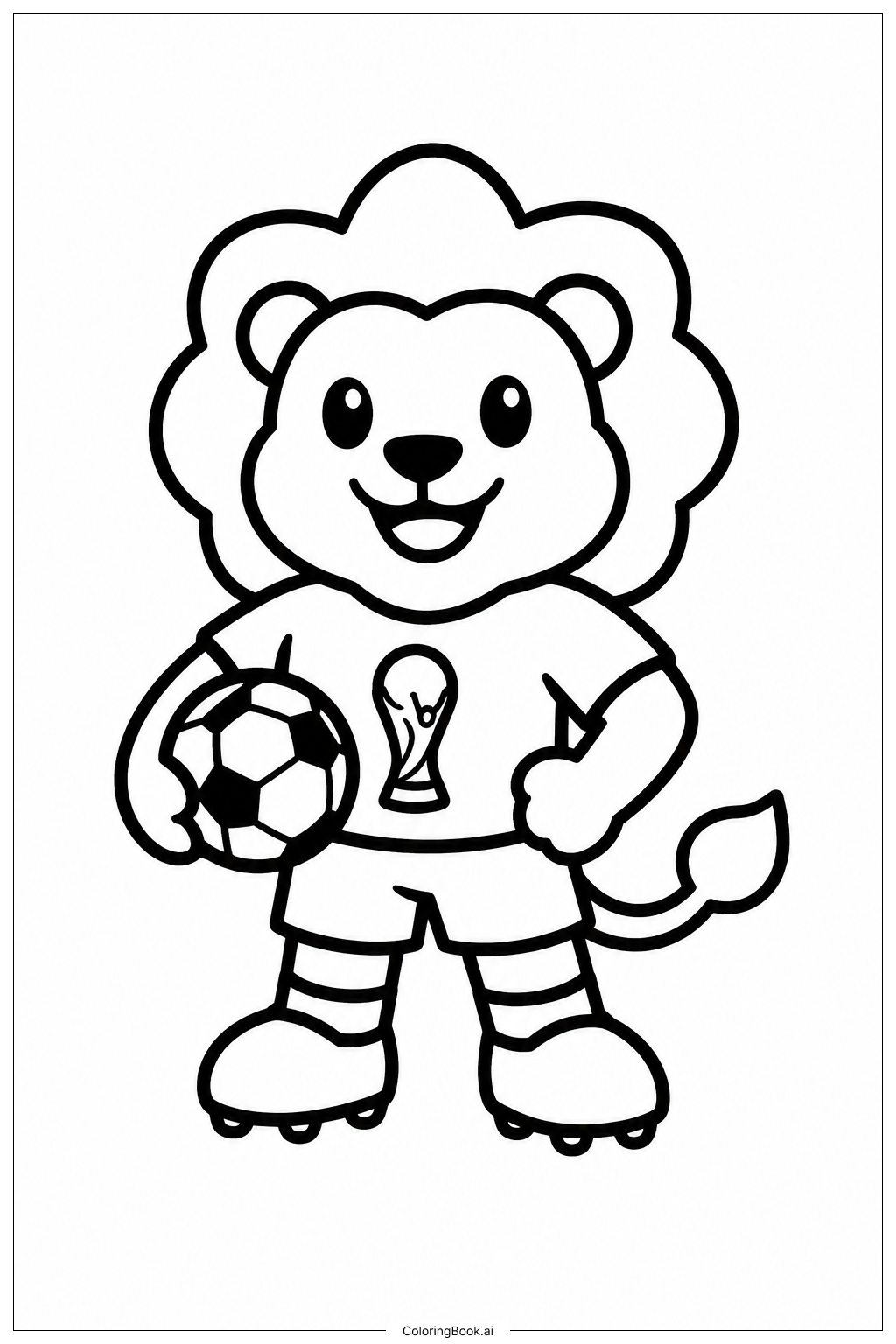
Coloring tips: How to color World Cup Mascot coloring page well?
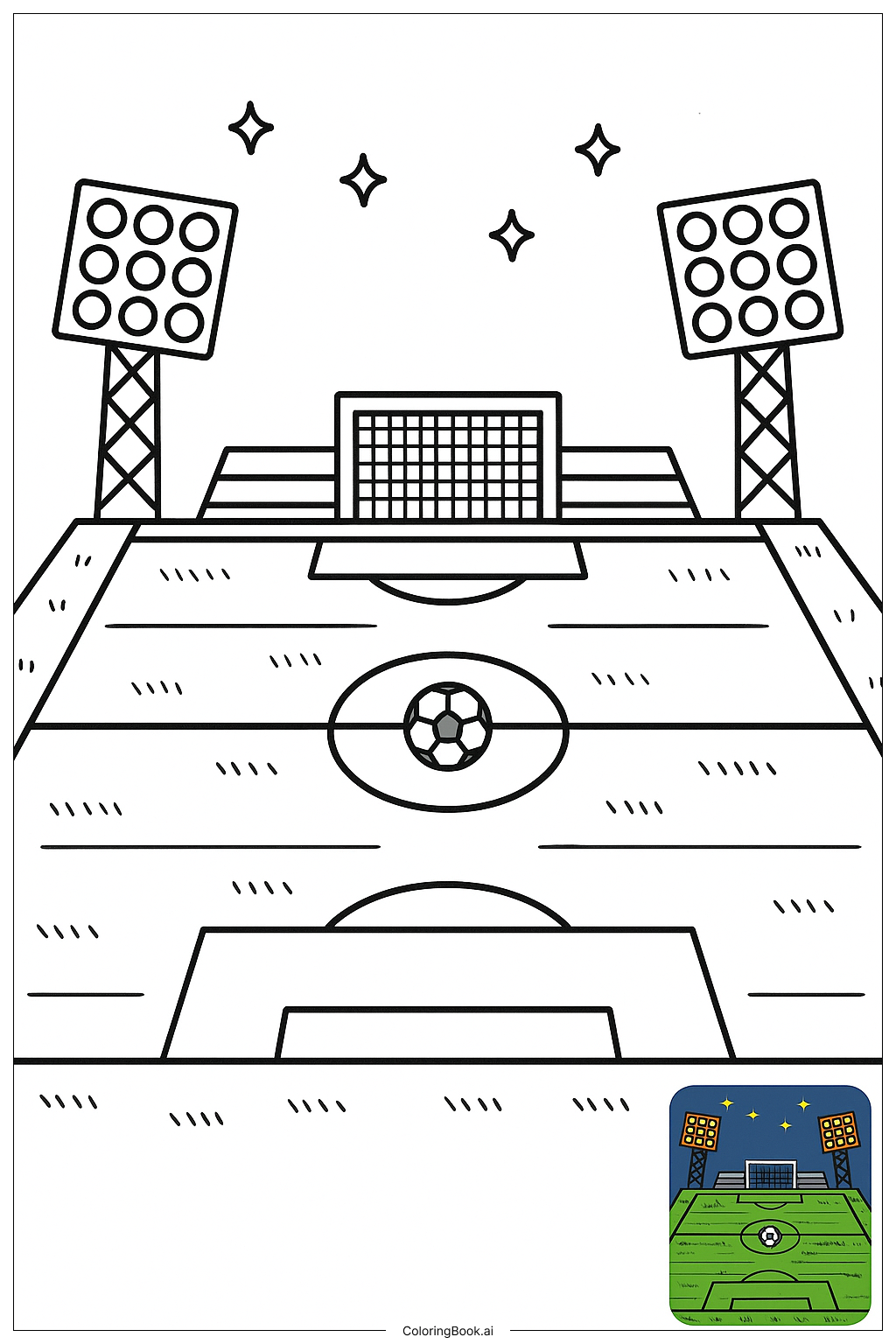
Start with the mascot's skin tone using a warm peach or brown shade. Then move to the soccer uniform — use your favorite team's colors or go bold with bright reds, blues, or yellows to make it pop. Color the soccer ball in its classic black and white pattern, or try a fun custom design with your own colors. Use bright gold or yellow for any star shapes to give them a shiny trophy feel. Add orange or red to the mascot's hair or fur details if present. Use contrasting colors for the cleats to make them stand out. Don't forget the background — a light green for a grass field or a stadium blue sky works great. Use colored pencils for fine details and markers for larger flat areas. Let kids experiment freely and encourage them to personalize the mascot with their own team colors. There are no rules — just have fun and bring this World Cup character to life!
Coloring challenges: Which parts are difficult to color and need attention for World Cup Mascot coloring page?
• Uniform Details: The mascot's soccer jersey and shorts feature small lines, numbers, and patterns that can be tricky to color neatly. Using a fine-tip colored pencil or a thin marker will help you stay within the lines and add clean, crisp detail to these areas without smudging nearby sections.
• Facial Expressions: The mascot has an expressive face with eyes, eyebrows, a wide smile, and other small features. These areas are very small and close together, making it easy to accidentally color over the wrong part. Take your time and use a sharp pencil to carefully fill in each feature separately.
• Soccer Ball Pattern: The classic soccer ball design uses a mix of pentagon and hexagon shapes. Keeping the alternating black and white pattern consistent takes patience and careful planning. It helps to lightly sketch the pattern first before adding color to avoid confusion.
• Layered Clothing and Body Overlap: Parts of the mascot's body overlap with the uniform, accessories, and other elements. Where different colors meet, it can be hard to keep clean edges. Using light pencil outlines as guides before applying color can help prevent colors from bleeding into each other.
• Background and Foreground Separation: If you choose to color the background — such as a stadium, crowd, or grass field — it can be challenging to keep it visually separate from the mascot itself. Using lighter, softer colors for the background and brighter, bolder colors for the mascot will help the character stand out clearly.
Benefits of coloring books: Advantages of drawing World Cup Mascot coloring page
Coloring the World Cup Mascot is a wonderful activity for kids and soccer fans of all ages. It builds fine motor skills as children carefully color within the lines of the mascot's uniform, face, and accessories. Choosing colors encourages creative thinking and self-expression — kids can design their own dream team jersey or invent a brand-new color scheme for the soccer ball. This kind of focused, hands-on activity also improves concentration and patience, especially when working on small details like the mascot's facial features or the soccer ball pattern. For younger children, it introduces basic color concepts and hand-eye coordination in a fun, engaging way. For older kids and teens, it offers a relaxing creative outlet that reduces stress and promotes mindfulness. The World Cup theme also sparks curiosity about different countries, cultures, and the sport of soccer itself, making it both educational and entertaining. Sharing and comparing finished pages with friends or family creates a sense of community and friendly fun — much like the spirit of the World Cup itself.