Coloring tips: How to color World Cup Trophy With Simple Stars coloring page well?
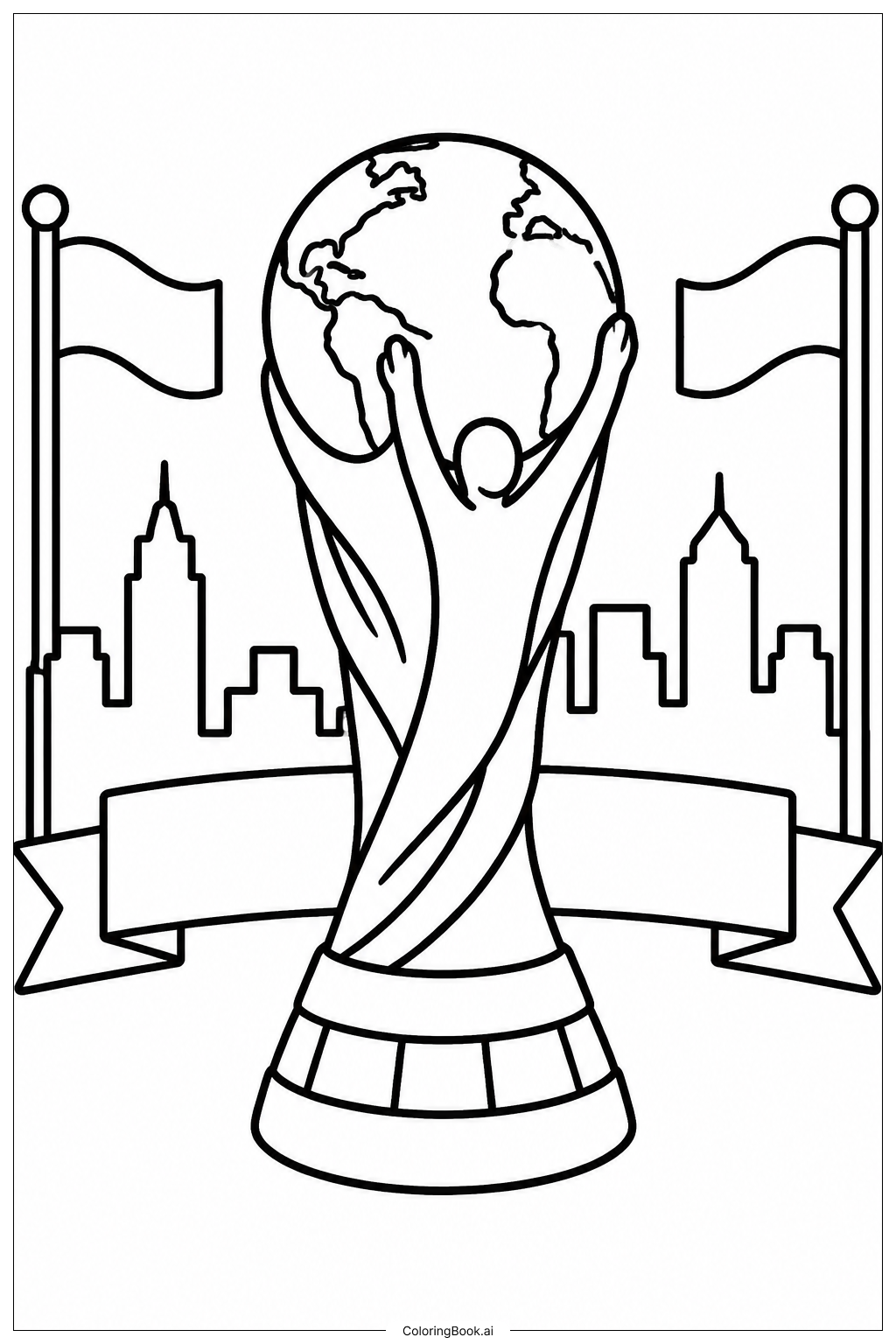
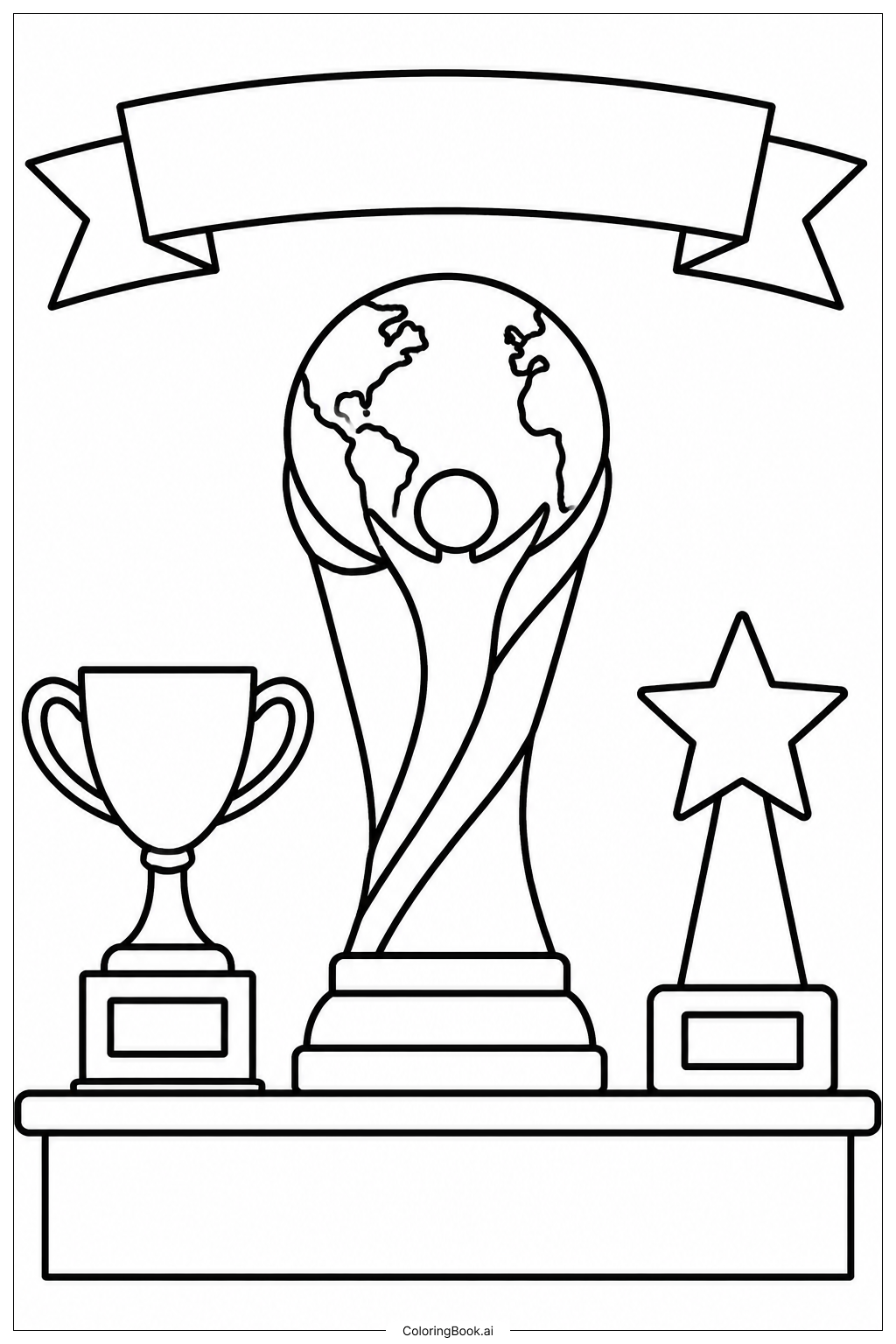
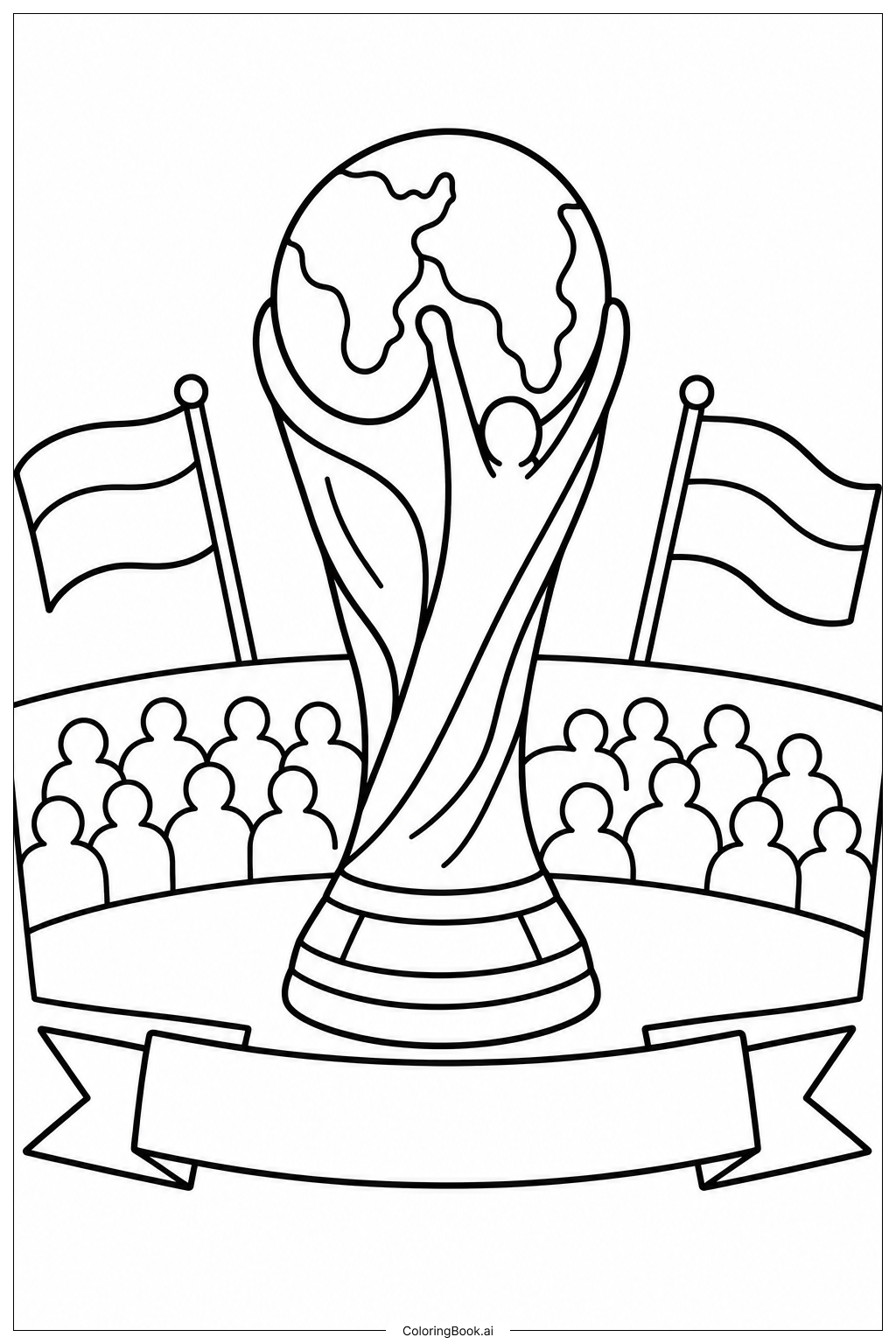
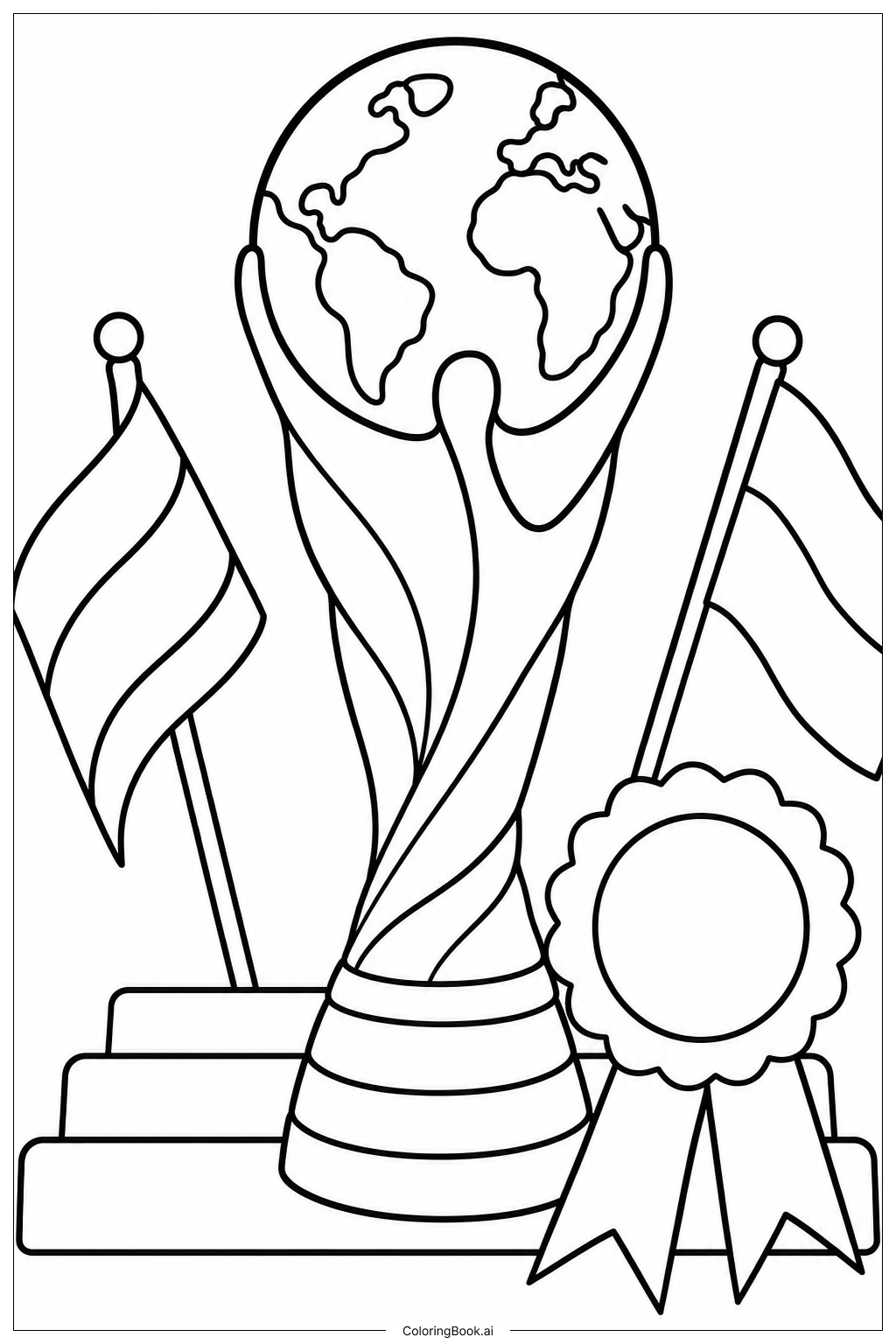
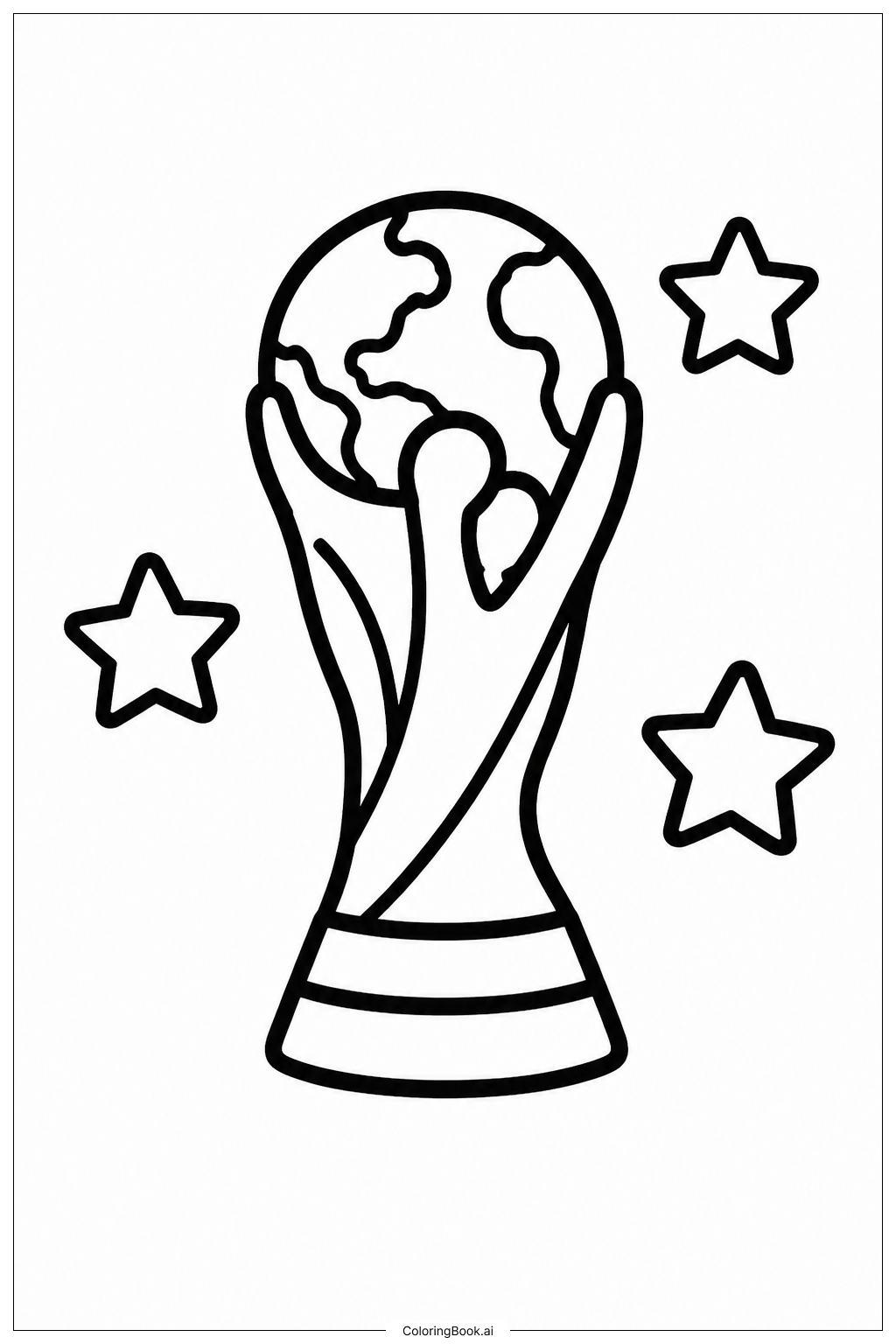
Start by coloring the trophy in gold or yellow tones to give it that classic champion look. Use a slightly darker shade of gold or orange on the edges and lower sections to create a sense of depth and shine. For the base, try deep brown or dark gray to contrast nicely with the golden cup above. The two human figures at the top can be colored in a warm bronze or copper tone. For the stars in the background, have fun with bright colors like yellow, orange, red, and blue. You can make some stars solid and others outlined for variety. Kids can also try mixing light and dark shades of the same color to practice simple shading. There are no wrong color choices here, so feel free to get creative and make this trophy your own winning design.
Coloring challenges: Which parts are difficult to color and need attention for World Cup Trophy With Simple Stars coloring page?
• Trophy Gold Gradients: The trophy's curved surface is meant to look shiny and three-dimensional. Achieving that metallic gold effect can be tricky for younger colorists. You need to use at least two shades of yellow or gold and leave small bright spots uncolored or lightly shaded to suggest where light hits the surface. Without this contrast, the trophy can look flat instead of gleaming.
• Figure Details at the Top: The two small human figures holding up the globe are the most detailed part of the trophy. Their small size means the lines are close together, making it easy to color outside them or accidentally blend two separate areas. Using a thin-tipped marker or colored pencil works best here to stay precise.
• Base Layering: The trophy base has multiple horizontal bands and sections. Each band should be a slightly different shade to show the layers clearly. Deciding how to differentiate each section without making the base look too busy or cluttered takes some planning before you start.
• Star Placement and Variety: The stars come in different sizes and are spread across the background. Coloring many stars consistently while keeping them visually interesting requires patience. If you color all the stars the same color, the image can look monotonous. Choosing a balanced mix of colors without making the background too chaotic is a real creative challenge.
• Background Balance: The open space between the stars and the trophy needs careful attention. Leaving it white keeps the focus on the trophy, but adding a light background color can make the whole image pop more. Finding that balance without overwhelming the main subject is something even experienced colorists think carefully about.
Benefits of coloring books: Advantages of drawing World Cup Trophy With Simple Stars coloring page
Coloring the World Cup Trophy With Simple Stars is a wonderful activity for kids and soccer fans of all ages. It helps children develop fine motor skills as they carefully fill in the detailed sections of the trophy and the small stars around it. Staying within the lines builds hand control and pencil grip strength, which supports writing skills too. Choosing colors for the trophy and stars encourages creative thinking and helps children learn about color relationships, like which shades look good together and how light and dark tones create contrast. The trophy theme also sparks curiosity about soccer, world cultures, and teamwork, making it a great conversation starter between kids and parents. For older kids, trying to recreate the metallic gold look of the trophy is a fun challenge that introduces basic shading techniques. The process of coloring from start to finish also teaches patience, focus, and the satisfaction of completing a project. Whether you color for five minutes or an hour, it is a calm and rewarding activity that lets your imagination take the lead.