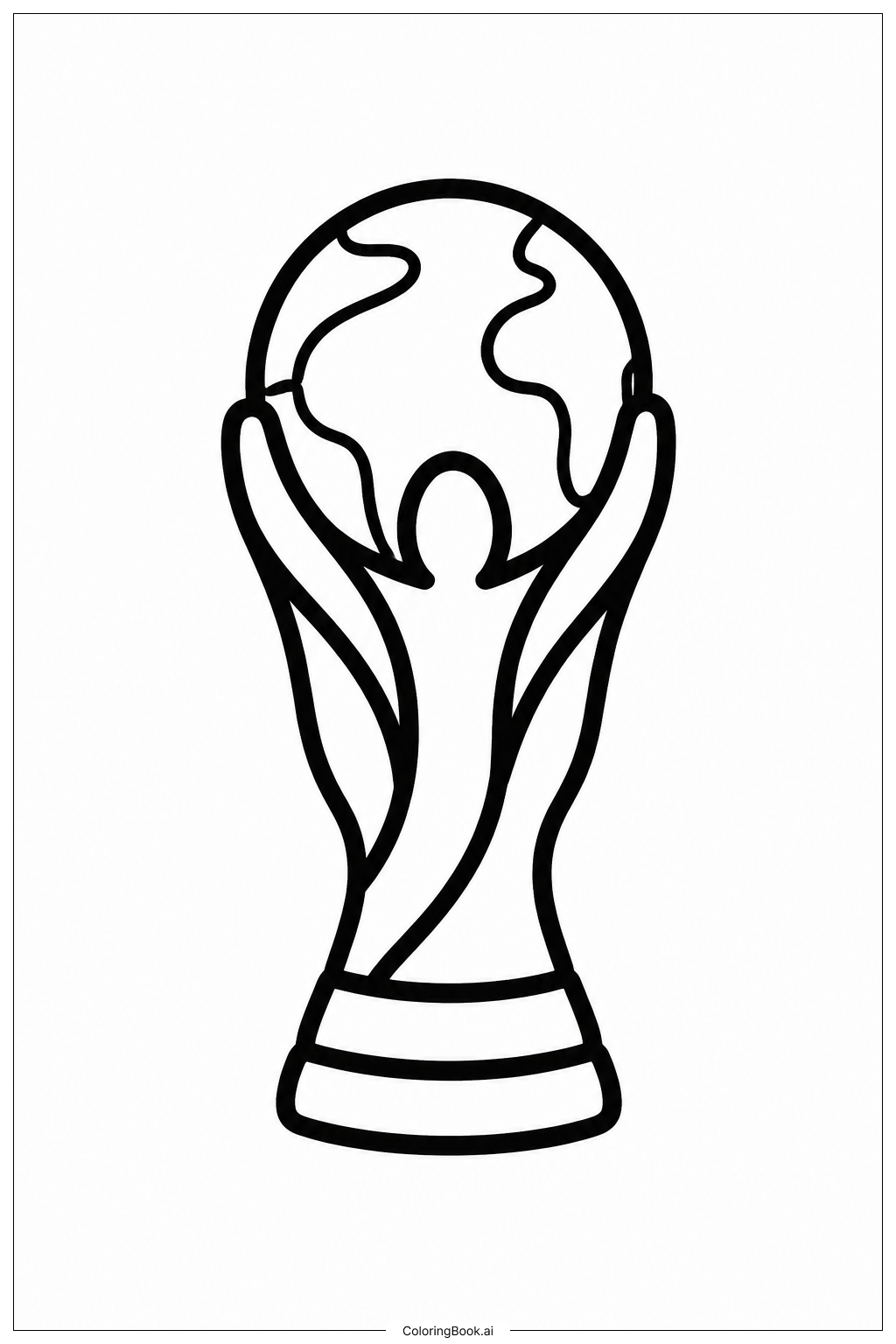
Coloring tips: How to color World Cup Trophy With Raised Arms coloring page well?
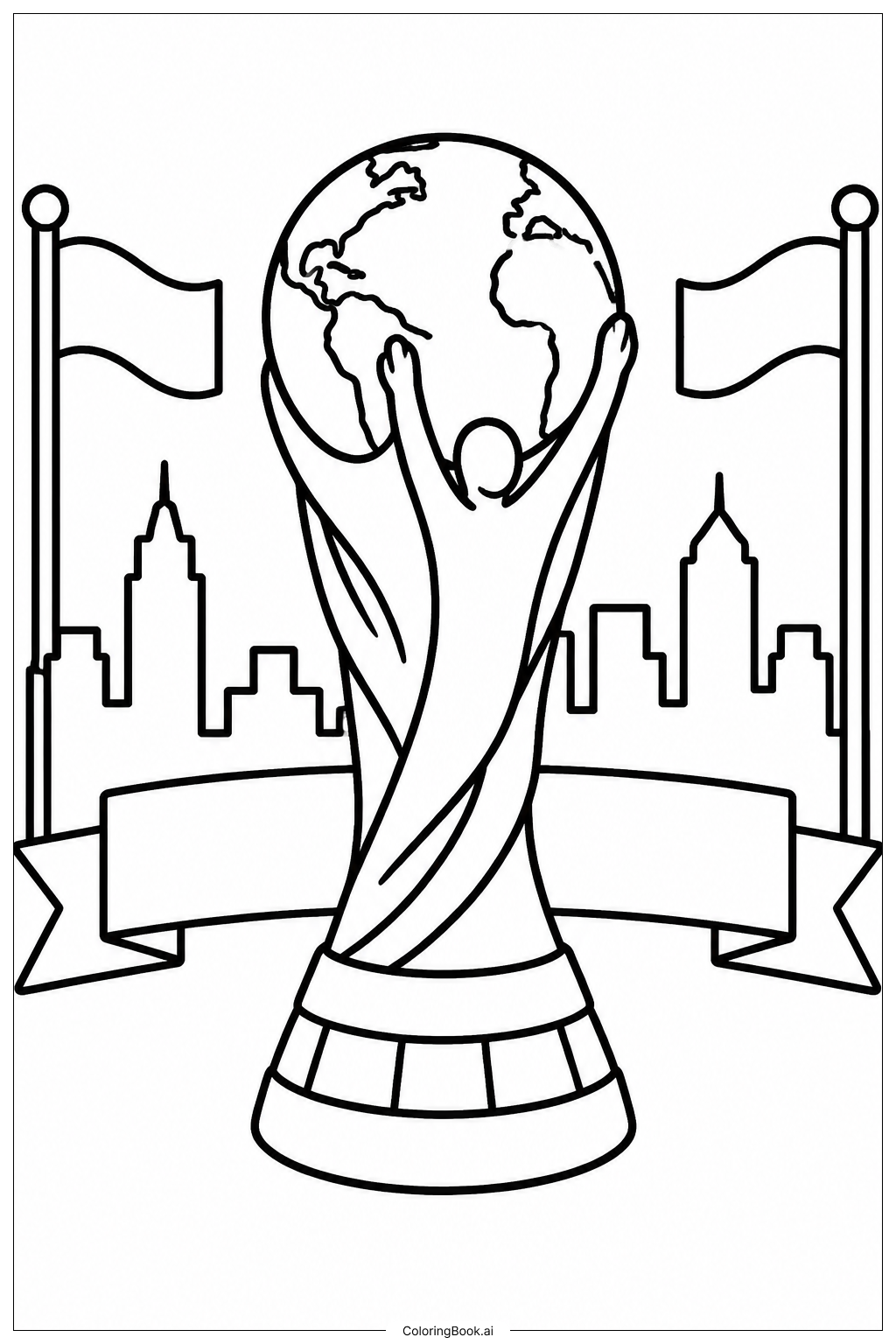
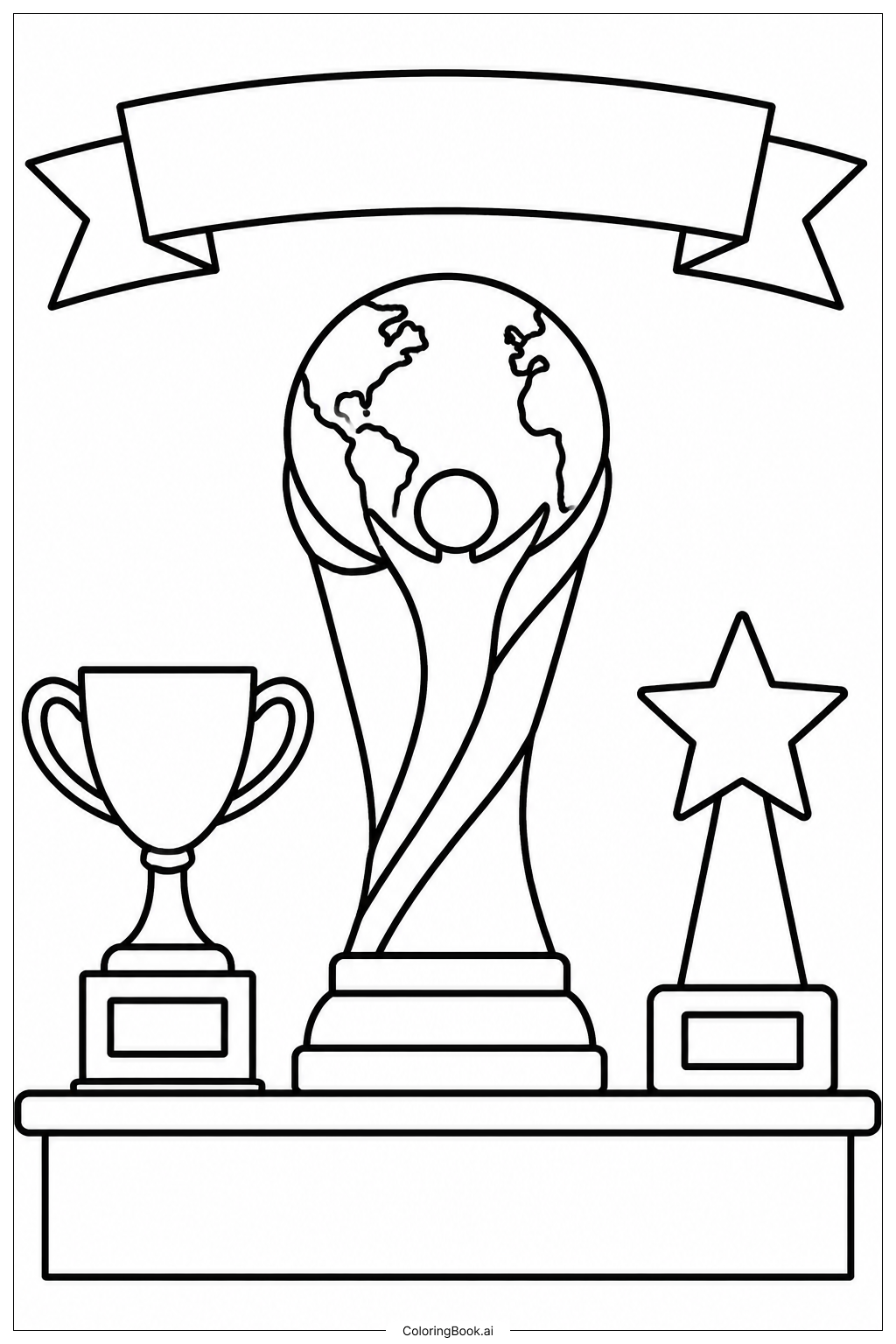
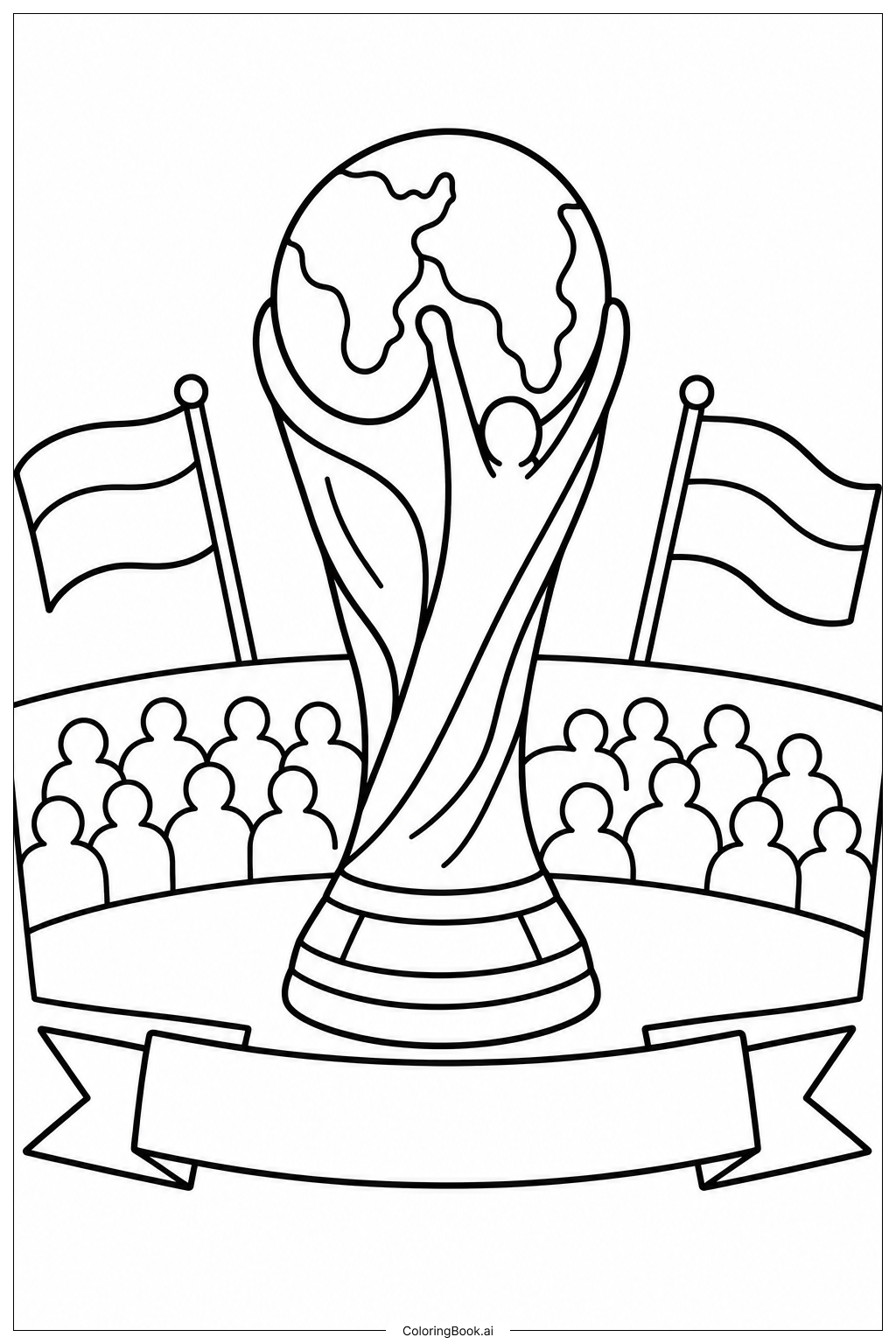
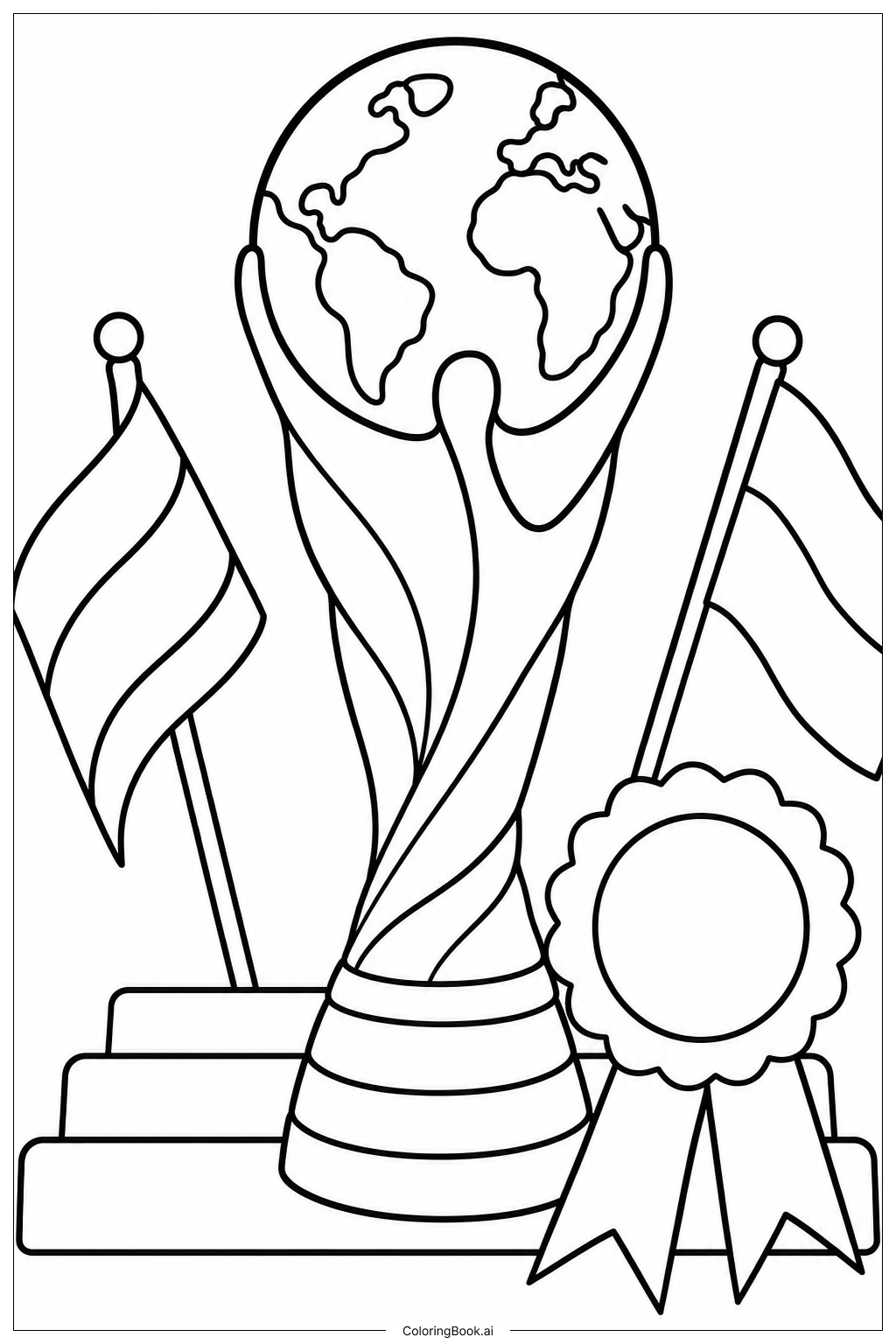
Start with the trophy itself using rich golden yellows and bright golds to capture its prestigious metallic shine. You can layer different shades of yellow and orange to create depth and highlight the trophy's curves. The globe section can be colored in blues and greens to represent Earth, or kept in gold tones to match the real trophy. For the raised arms, use realistic skin tones - peach, tan, or brown shades work beautifully. Consider adding light and shadow by using darker tones on one side of the arms and lighter tones on the other. The base of the trophy offers a great opportunity to use deep greens or malachite shades, as the real trophy features a malachite base. Add white or light yellow highlights on the trophy's highest points to make it gleam. The background can remain white for a clean look, or you could add celebratory colors like red, blue, or your favorite team's colors.
Coloring challenges: Which parts are difficult to color and need attention for World Cup Trophy With Raised Arms coloring page?
• Metallic Effect on Trophy: Creating a realistic golden metallic appearance is challenging because it requires blending multiple shades of yellow, gold, and orange. Children need to understand how light reflects on curved metal surfaces, using lighter yellows on raised areas and deeper golds in recessed sections. The trophy's smooth curves mean colors must transition gradually without harsh lines, which requires patience and careful color layering.
• Intricate Trophy Details: The World Cup Trophy has complex sculptural elements including the two human figures supporting the globe and the detailed base patterns. These small areas require precision coloring to avoid going outside the lines. The figures within the trophy design are particularly tricky because they're small yet important to the overall appearance. Young colorists may find it difficult to color these tiny sections neatly while maintaining distinct separation between different parts.
• Arm Positioning and Shading: The raised arms require understanding of three-dimensional form and proper shading to look realistic. Children must decide where light hits the arms and where shadows fall, typically darker on the underside of arms and lighter on top. Creating smooth skin tones that look natural rather than flat is an advanced skill. The hands and fingers, if detailed, add extra complexity requiring steady control.
• Color Consistency Across Large Areas: The trophy body is a large area that needs consistent color coverage. Maintaining even pressure and the same shade of gold throughout prevents a patchy, uneven appearance. This tests endurance and technique, especially for younger children who may press too hard in some spots and too lightly in others, creating unwanted variations in color intensity.
Benefits of coloring books: Advantages of drawing World Cup Trophy With Raised Arms coloring page
Coloring this World Cup Trophy page teaches children about one of sports' most recognizable symbols while developing important skills. It encourages understanding of three-dimensional shapes and how light creates highlights and shadows on curved surfaces. The trophy's complex form helps children practice color blending and shading techniques, especially when creating metallic effects. This page also promotes fine motor control through the detailed areas requiring careful, precise coloring. Children learn about international sports culture and the values of achievement, perseverance, and teamwork that the trophy represents. The celebratory nature of the image with raised arms expresses positive emotions like joy and success, making it an uplifting coloring experience. For football fans, this page connects their love of the sport with creative expression. The challenge of making the trophy look golden and shiny encourages experimentation with different color combinations and techniques, building artistic confidence and problem-solving skills.