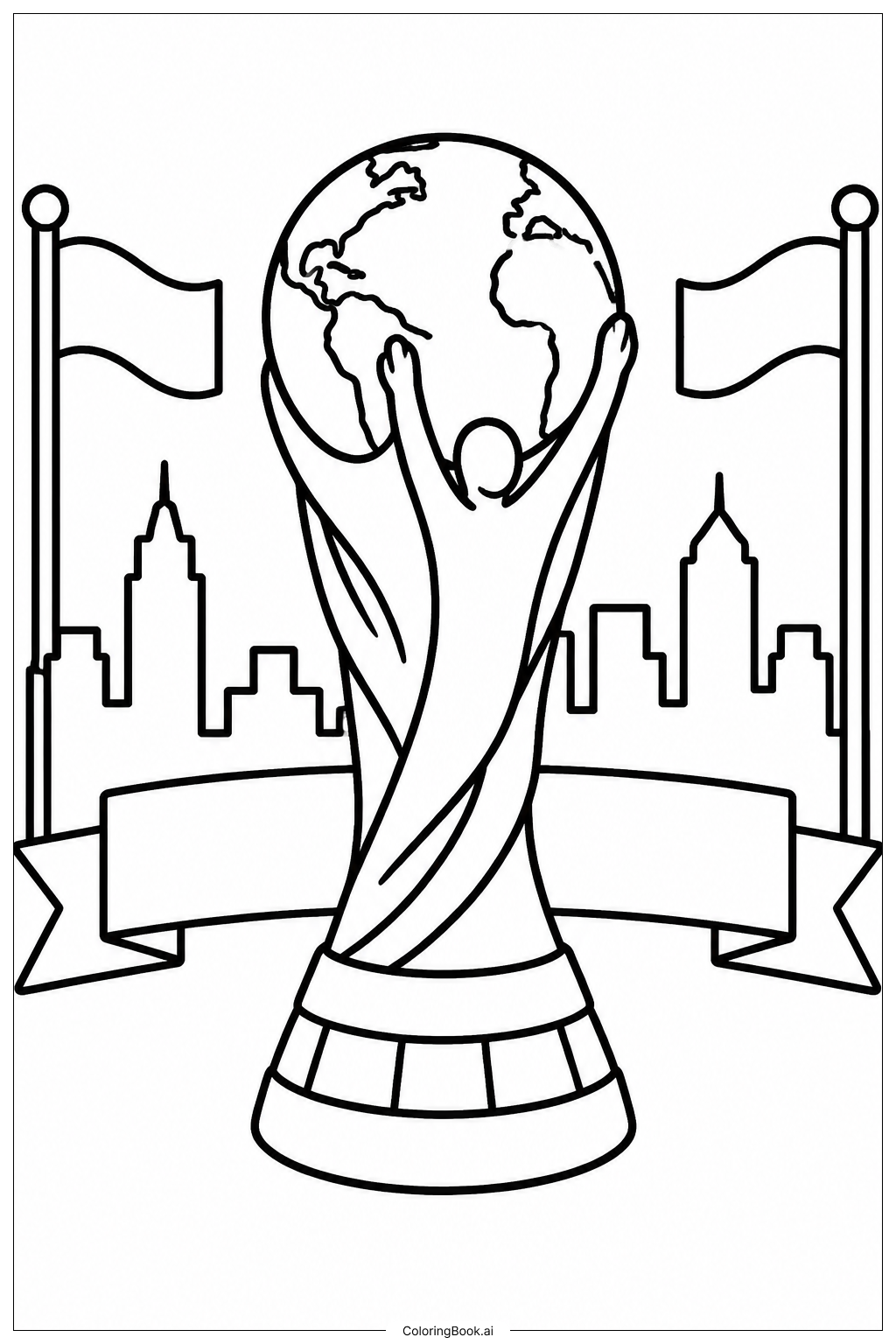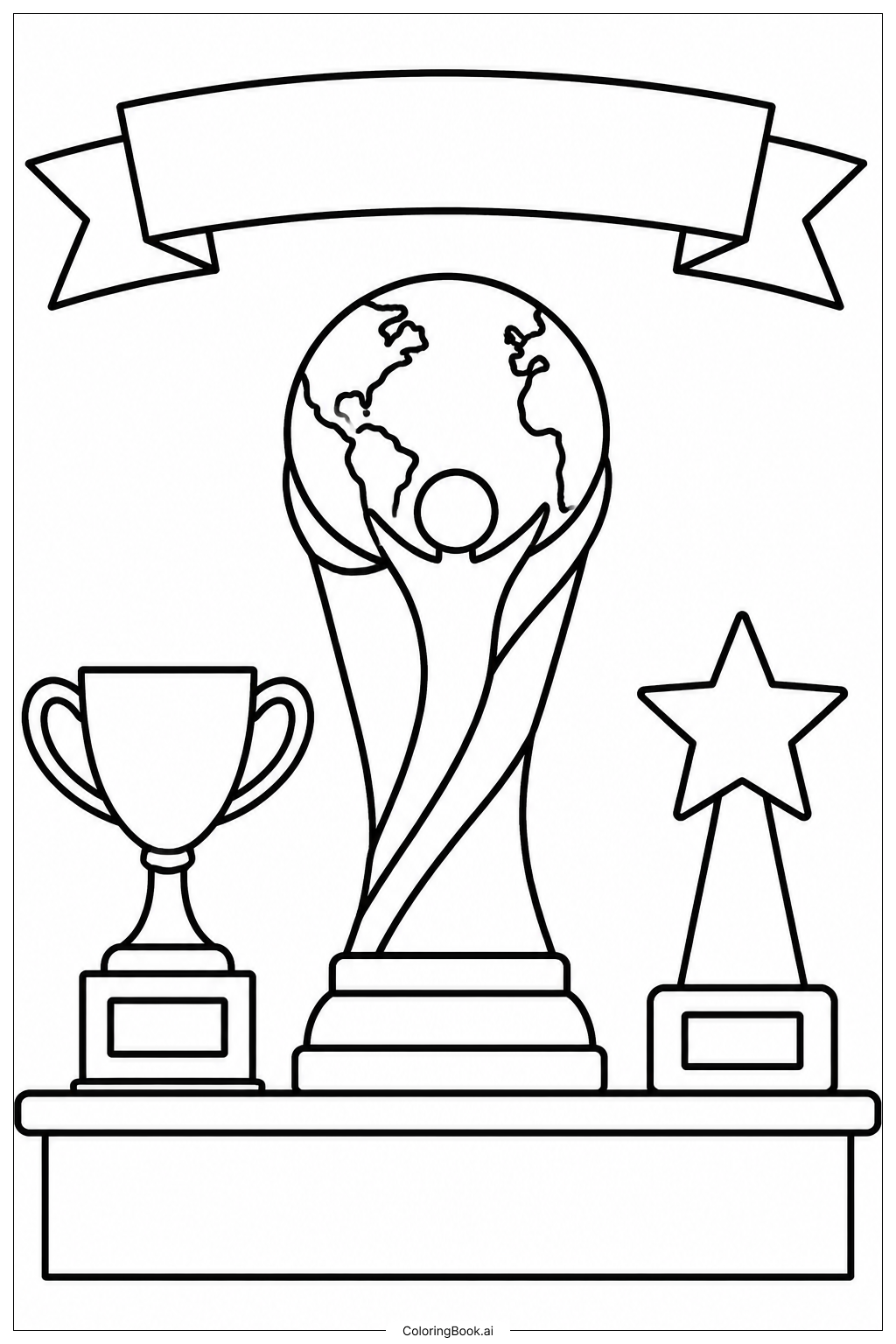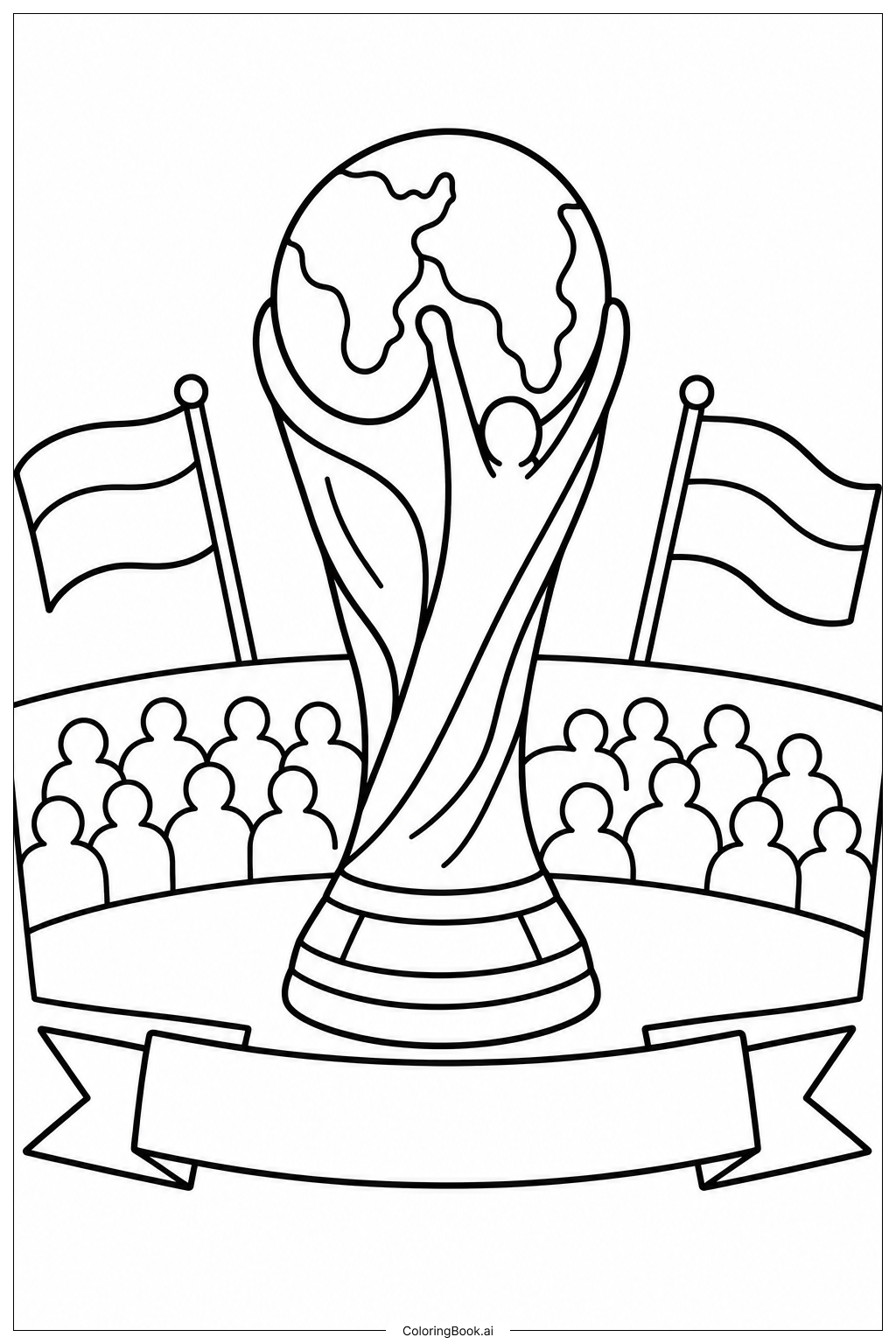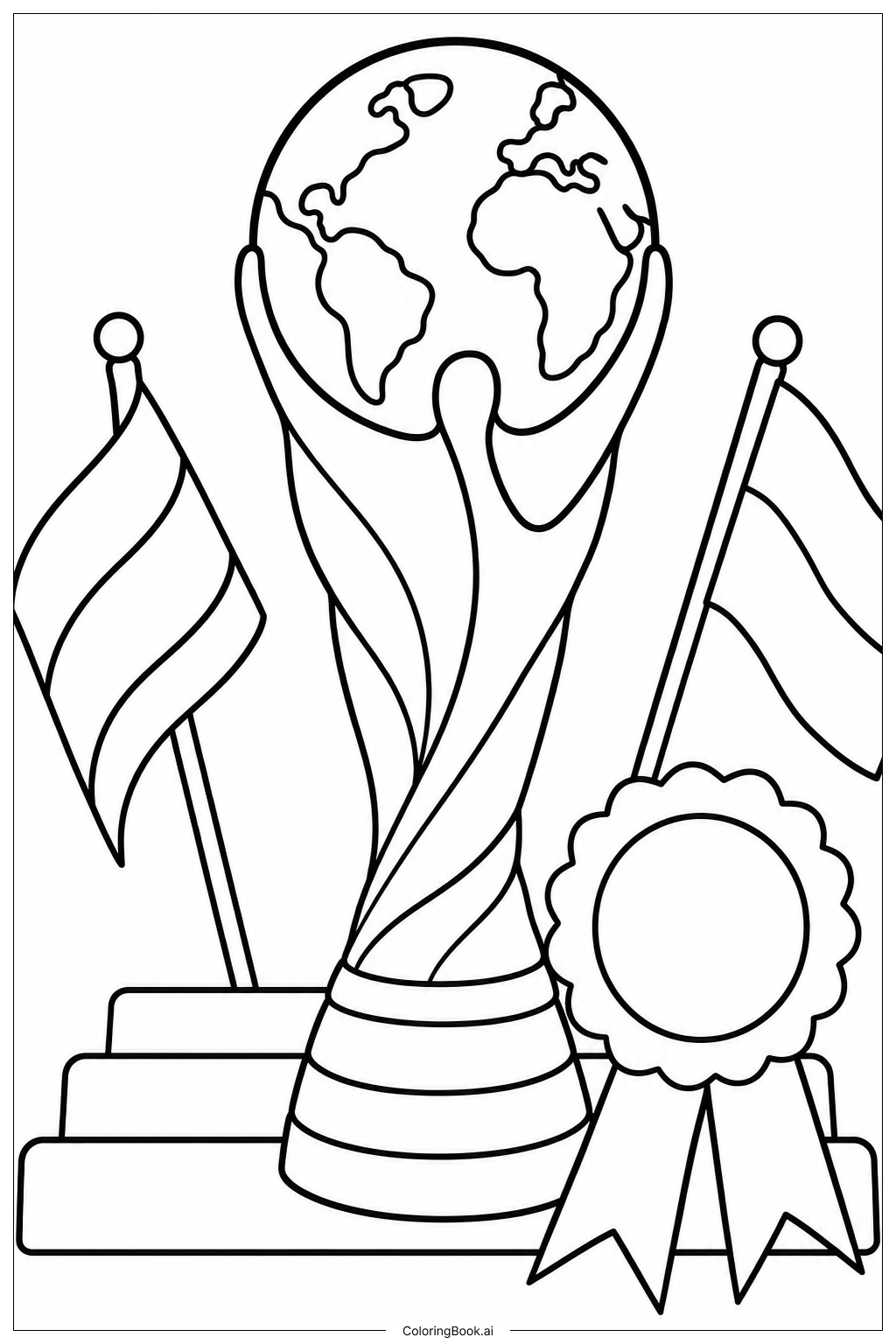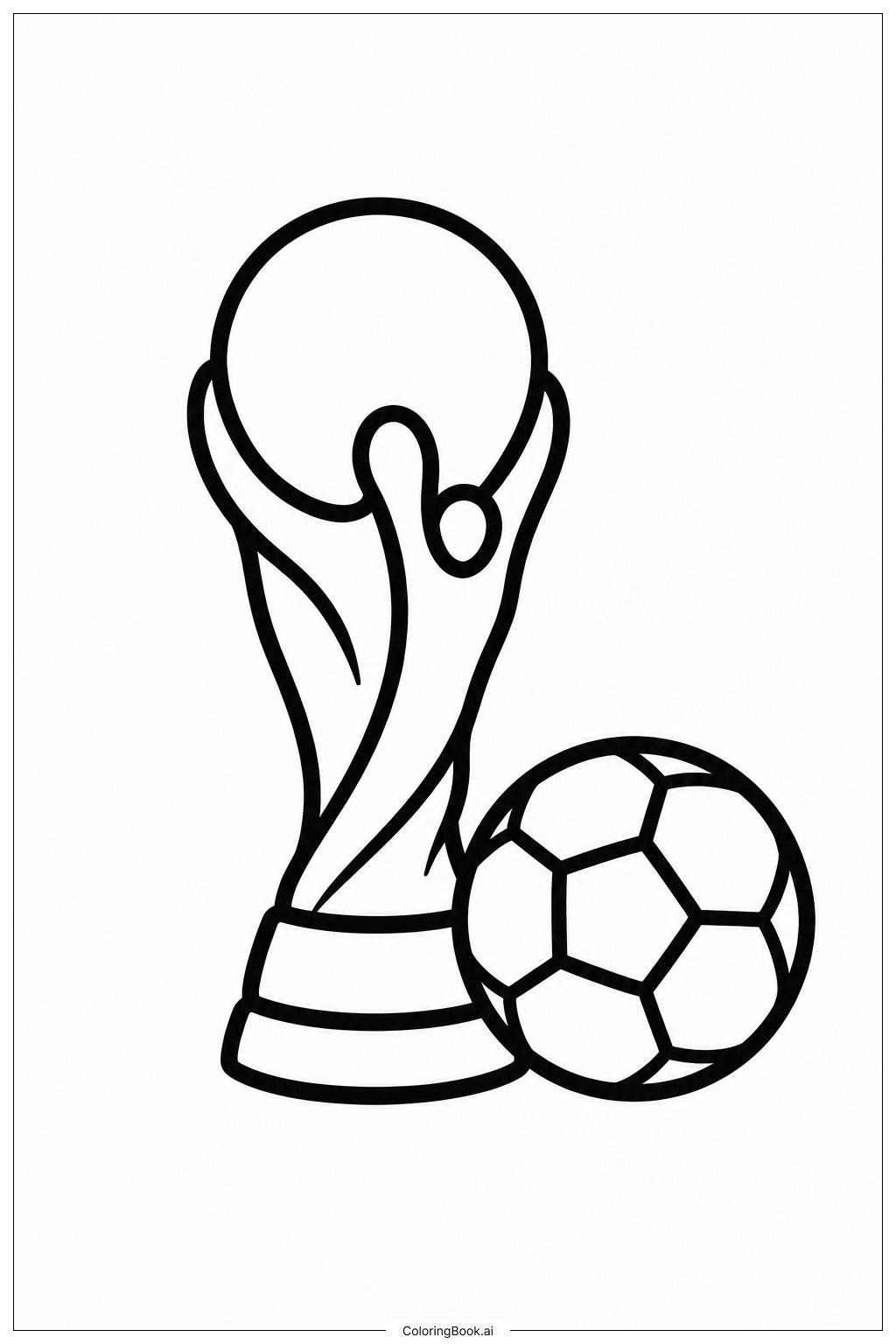
Coloring tips: How to color World Cup Trophy And Soccer Ball coloring page well?
Start with the trophy. Use a bright golden yellow for the main body to capture its shiny, metallic look. Add a darker gold or light brown along the edges and curves to show shadows and give it a 3D effect. The base of the trophy can be colored in deep green malachite, which matches the real trophy's design. For the soccer ball, use classic black and white, or get creative with your favorite team's colors. Color the pentagons black and leave the hexagons white for a realistic look. You can also add a light gray shading around the panels to make the ball look round and full. Use a light blue or sky background to make the whole image pop. Take your time with small details like the lines on the trophy base and the stitching on the ball.
Coloring challenges: Which parts are difficult to color and need attention for World Cup Trophy And Soccer Ball coloring page?
• Trophy Surface Shading: The World Cup Trophy has a smooth, curved, metallic surface. Recreating that shiny gold look with colored pencils or markers is tricky. You need to layer light yellow, bright gold, and dark amber carefully to show where the light hits and where the shadows fall. Rushing this step can make the trophy look flat instead of three-dimensional.
• Malachite Base Details: The real trophy features a deep green malachite stone base with natural swirling patterns. Coloring this section requires blending multiple shades of green and adding irregular, flowing lines to mimic the stone texture. This level of detail can be challenging, especially for younger colorists.
• Human Figure Outlines: The two small human figures at the top of the trophy hold up the Earth. These figures are tiny and have limited space around them, making it hard to color neatly without going outside the lines. A fine-tipped marker or a sharp colored pencil works best here.
• Soccer Ball Panel Pattern: The classic black-and-white ball pattern is made of pentagons and hexagons that must be colored consistently. It is easy to lose track of which panels are which, leading to an uneven or incorrect pattern. Counting the panels first and planning your colors before starting can help.
• Balancing Both Objects: The trophy and soccer ball are two very different objects with different textures, colors, and levels of detail. Making them look balanced and visually connected on the same page takes planning. Choosing a cohesive color palette and consistent shading style for both elements will bring the whole image together.
Benefits of coloring books: Advantages of drawing World Cup Trophy And Soccer Ball coloring page
Coloring this World Cup Trophy And Soccer Ball page offers a fun mix of creativity and learning. For kids and teens who love soccer, it is a great way to connect with the sport they enjoy. Filling in the details of the famous trophy helps children learn about its real design, including its gold surface and green base, which builds general knowledge in a playful way. The activity also strengthens fine motor skills, as carefully coloring the small figures on the trophy and the stitched panels on the soccer ball requires steady hands and good pencil control. Choosing color combinations for the trophy and ball encourages creative decision-making and color theory thinking. For older colorists, shading the metallic trophy surface is a satisfying artistic challenge that builds patience and attention to detail. The image is also a great conversation starter about world sports, teamwork, and global culture, making it educational beyond just the coloring itself. Whether done alone or with friends, this page delivers a rewarding and joyful experience for soccer fans of all ages.