Coloring tips: How to color Wolves Cub Exploring coloring page well?
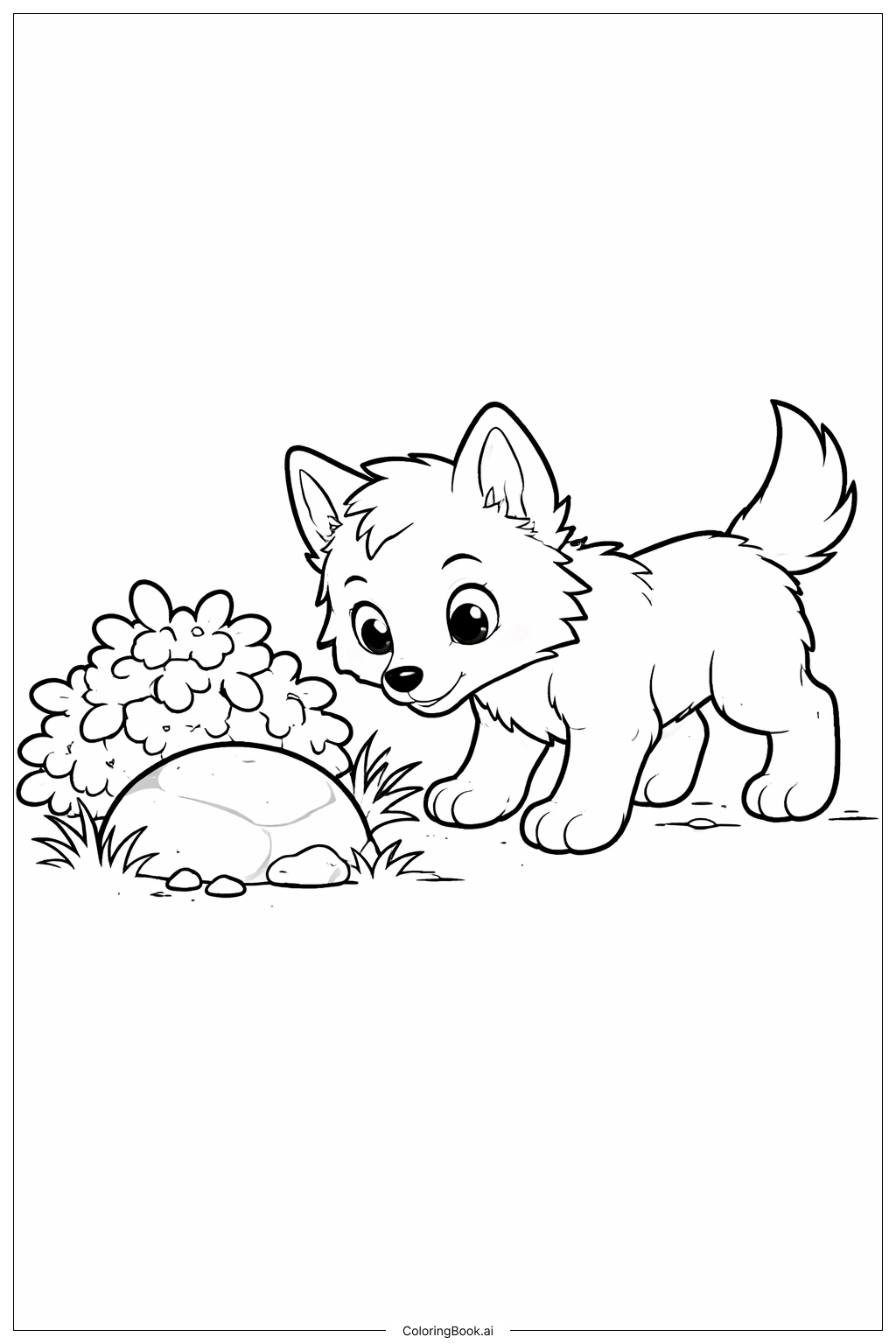
Start with the wolf cub's fur. Use soft gray tones for the main body, with lighter cream or white on the chest and muzzle. Add hints of warm tan or brown for depth and texture along the back and ears. Use dark gray or black to accent the nose, eyes, and paw pads. For the forest floor, choose earthy browns and muted greens for the leaves, roots, and soil. Color the mushrooms in warm reds, oranges, or soft browns with white spots for a fairy-tale feel. Use bright greens for the wildflowers and moss, and mix yellows and golds into the leaves to suggest dappled sunlight filtering through the trees. Keep the background trees in medium to dark greens and deep browns to give a sense of depth. Feel free to add your own colors to make the forest feel magical and full of life.
Coloring challenges: Which parts are difficult to color and need attention for Wolves Cub Exploring coloring page?
• Wolf Cub Fur Texture: The cub's fluffy fur is made up of many short, overlapping lines that suggest thickness and softness. Coloring each layer with slight variations in gray, cream, and tan requires patience. Blending these tones smoothly without making the fur look flat or muddy is one of the trickiest parts of this page.
• Small Facial Details: The cub's face has tiny features packed closely together, including the eyes, nose, and mouth. These areas demand careful, precise coloring with a fine-tipped tool. Staying inside the lines while keeping the expression lively and natural can be challenging, especially for younger colorists.
• Forest Floor Complexity: The ground is covered with fallen leaves, twisted roots, small rocks, and patches of moss. Each element overlaps the others, making it hard to tell where one section ends and another begins. Taking time to separate each shape with a slightly different shade of brown or green helps bring order and clarity to this busy area.
• Mushrooms and Wildflowers: These small, decorative details add charm to the scene but require careful attention. Mushroom caps, stems, and spots are very close together. Using contrasting colors for each part helps them stand out without blending into the background.
• Background Depth: The trees and foliage behind the cub need to feel distant and layered. Keeping background elements lighter and less detailed than the foreground cub helps create a convincing sense of space and depth, but finding the right balance of light and dark tones takes some planning.
Benefits of coloring books: Advantages of drawing Wolves Cub Exploring coloring page
Coloring this wolf cub scene offers many wonderful benefits for kids and adults alike. For children, it builds fine motor skills as they carefully color small details like the cub's fur and tiny forest flowers. Choosing colors for the trees, mushrooms, and soil encourages creative thinking and helps develop a natural sense of color harmony. Focusing on the intricate forest floor teaches patience and attention to detail, which are skills that carry over into school and everyday life. The theme of a young animal exploring its world sparks curiosity about nature and wildlife, making this page a gentle way to introduce kids to the beauty of forests and wild animals. For older colorists, the layered textures and complex background offer a satisfying challenge that helps reduce stress and promote mindfulness. Spending quiet time with this page allows the mind to slow down and focus on something calm and creative. Whether you use crayons, colored pencils, or markers, this image gives everyone the chance to express themselves and create something they can be proud of.