Coloring tips: How to color Whale Spouting Water coloring page well?
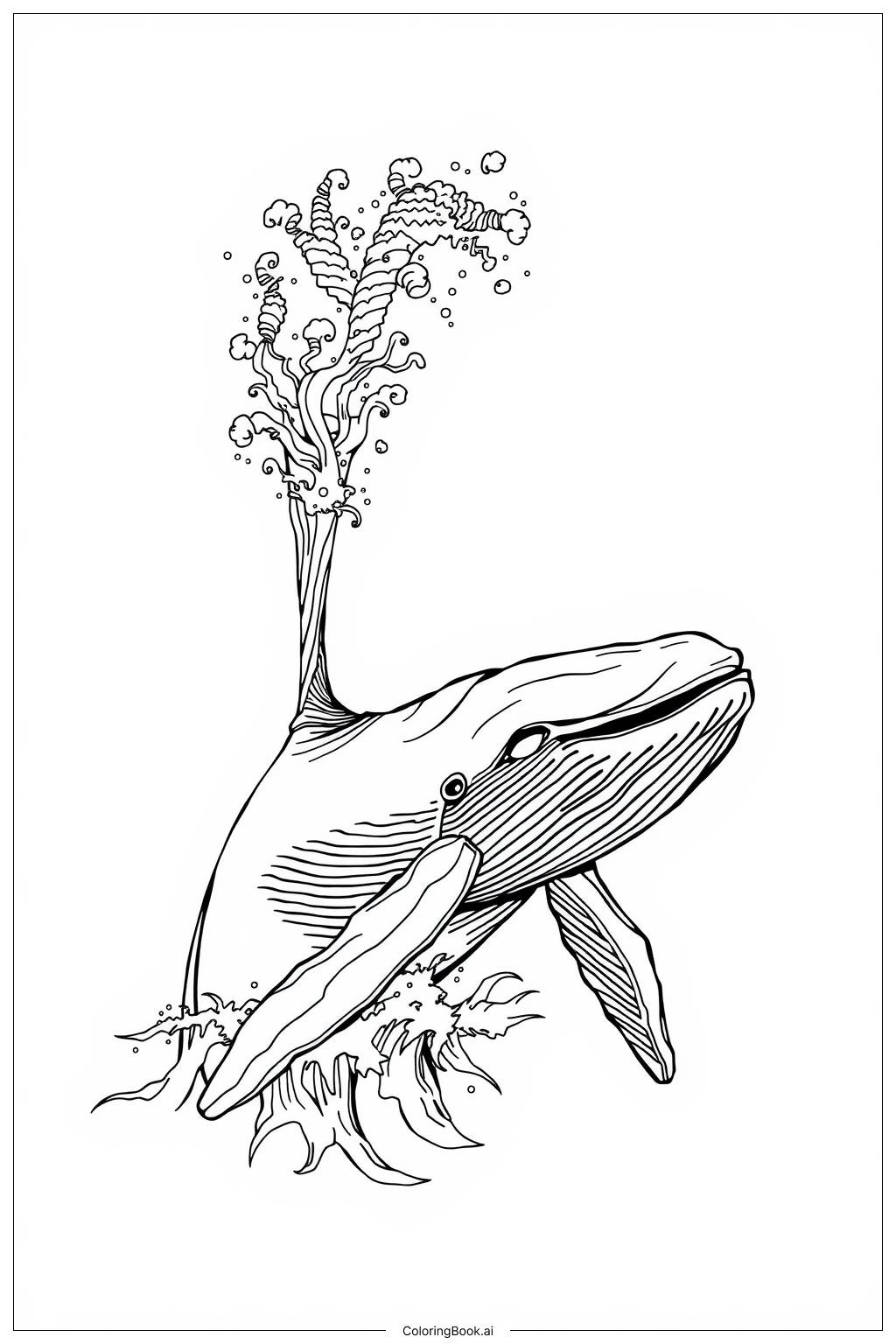
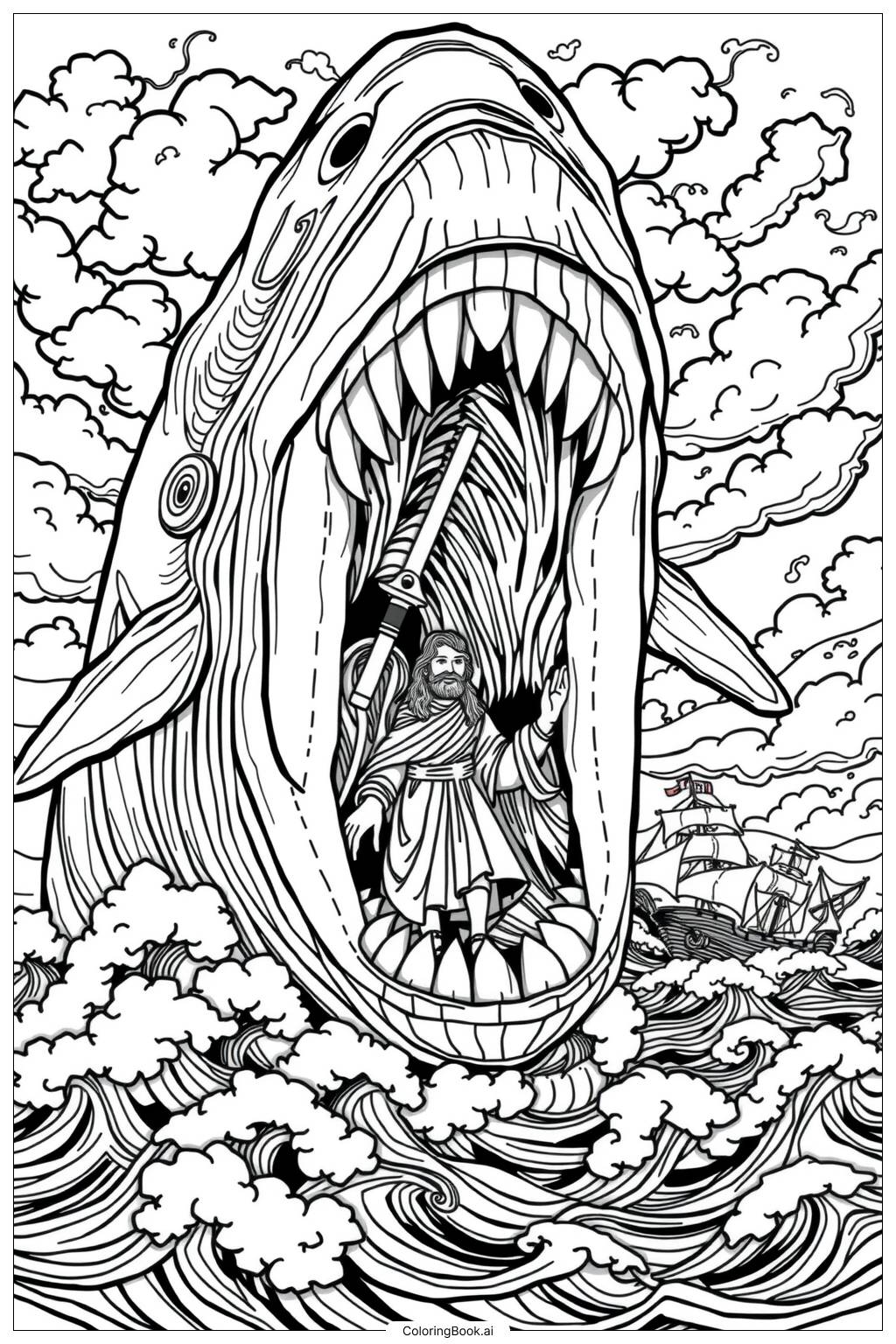
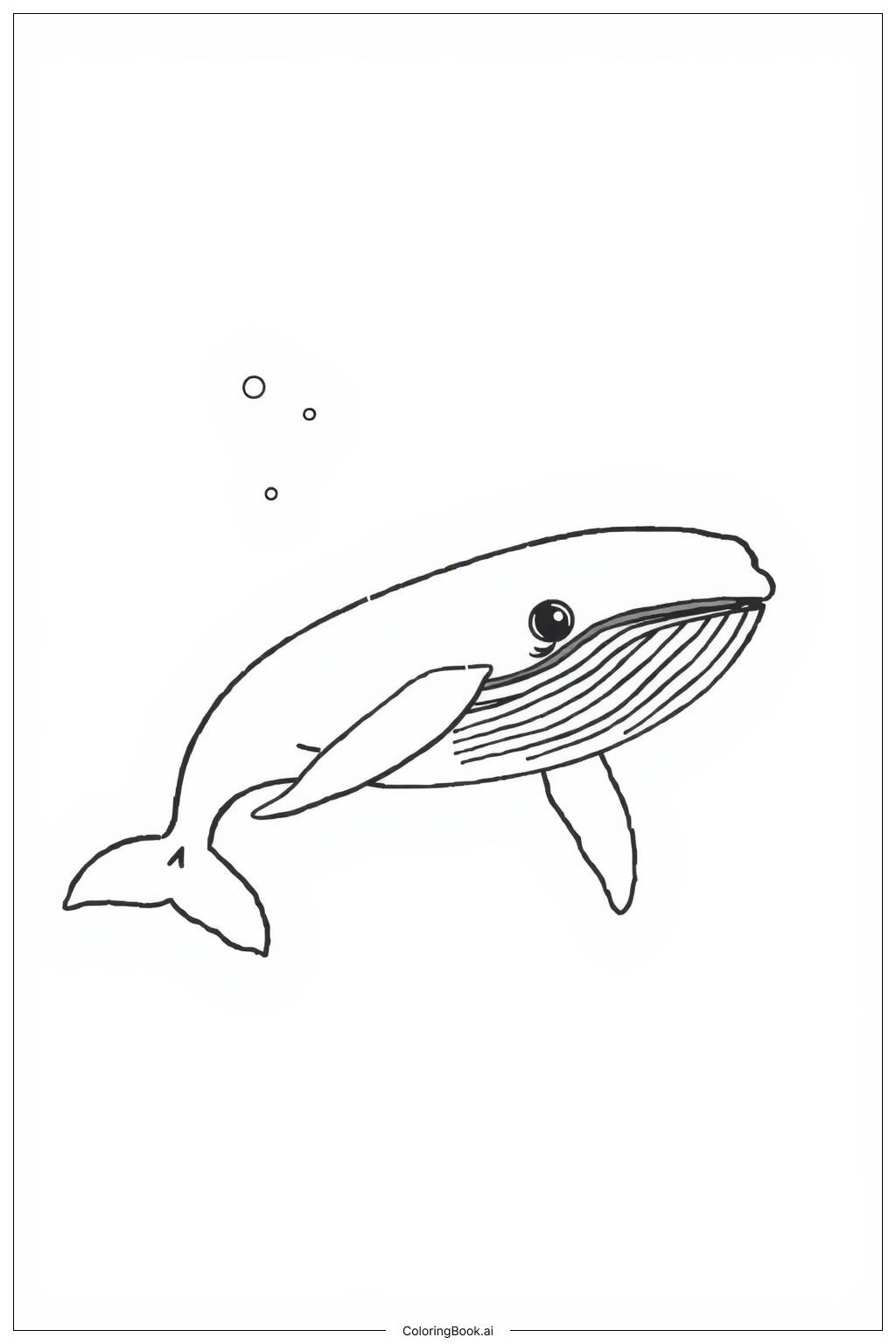
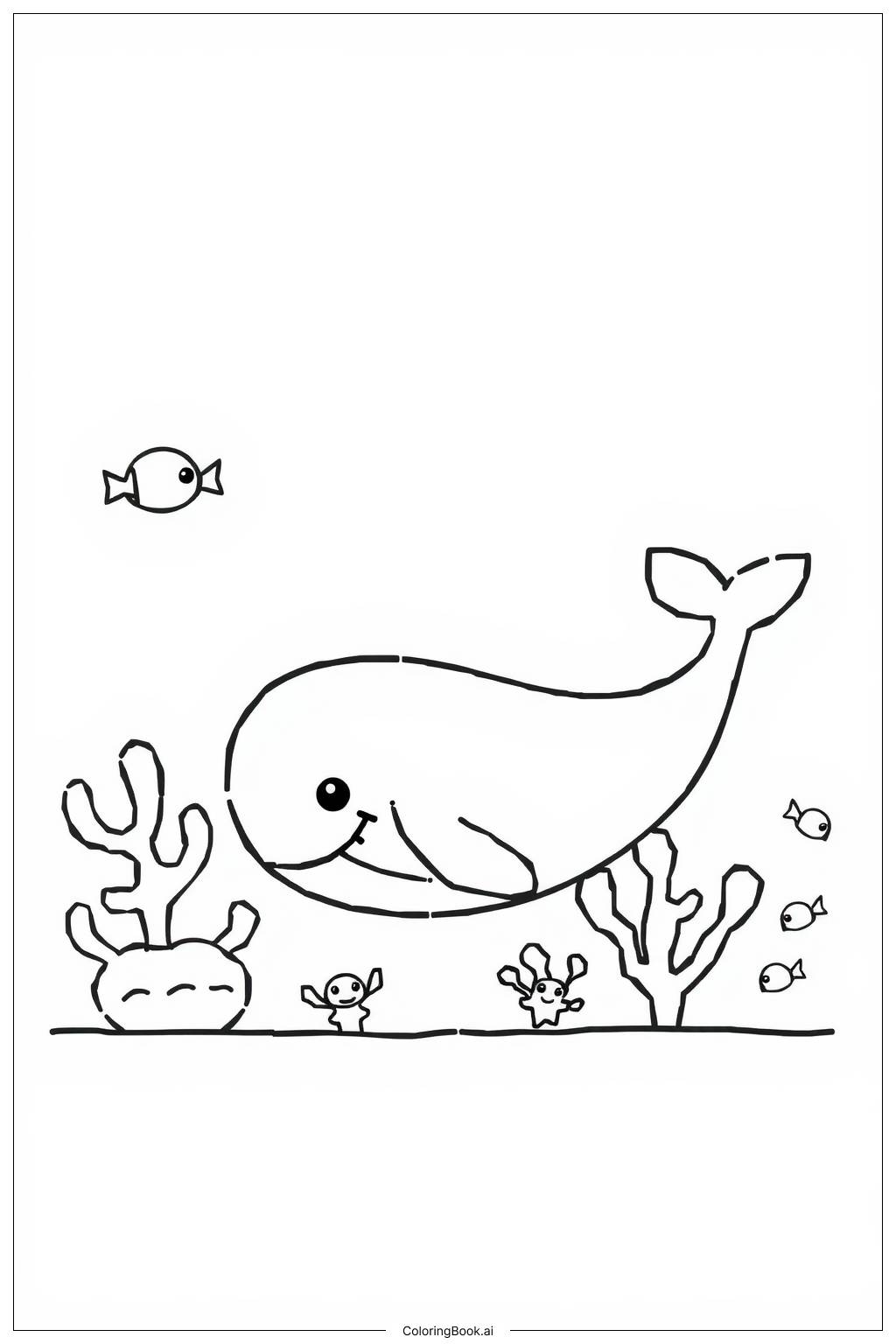
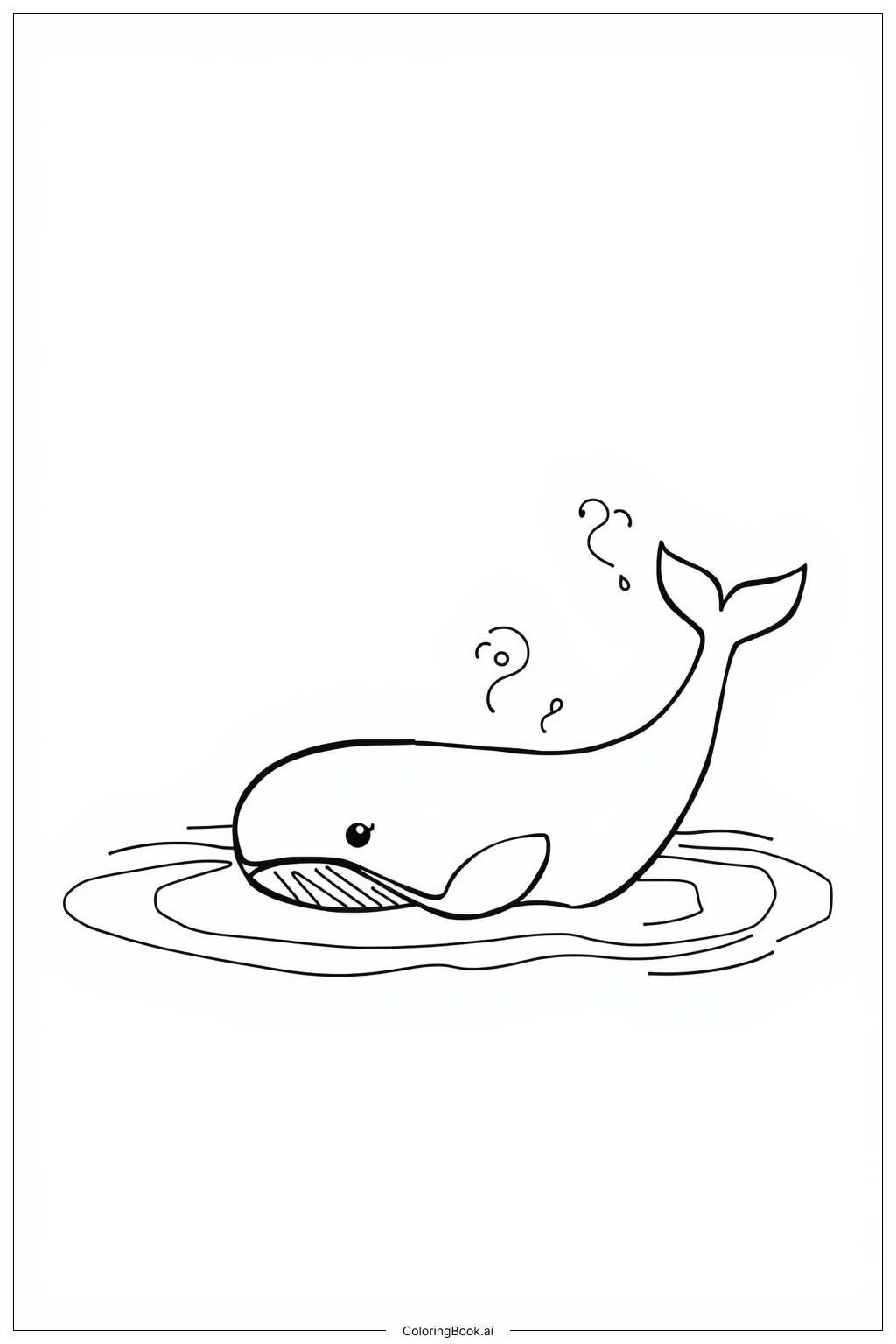
For this Whale Spouting Water image, consider using shades of blue and gray for the whale’s body to reflect its natural colors. You can blend light and dark blues on the whale’s back and fins to show highlights and shadows. The water spray is best colored with soft blues and white to capture its misty, flowing look. Use lighter blues and maybe a little sparkle effect to make the water feel airy and fresh. The ocean waves can be various bright blues and greens. For the sky, gentle blues or even pastel tones work well, with white or light grays for the clouds. Feel free to add some fun colors nearby like a yellow sun or small fish to make your coloring page lively!
Coloring challenges: Which parts are difficult to color and need attention for Whale Spouting Water coloring page?
• Fine water spray details: The water spouting from the whale’s blowhole has many thin, curved lines and droplets. Coloring these carefully to keep their shape and avoid overcoloring can be tricky, especially for younger children. • Smooth whale body shading: The whale’s large body needs gentle color blending to look smooth and realistic. It takes patience to layer the colors softly without harsh lines. • Ocean wave texture: The waves below the whale include many curved lines and overlapping shapes. Coloring each part evenly while following the wave pattern can be challenging. • Keeping clean edges: Because many parts like the whale’s fins, water spray, and waves have delicate outlines, coloring within the lines requires focus and control. This is an important skill to practice, but not always easy. • Balancing contrast: Choosing colors for the whale, water, and sky that stand out but also look good together involves planning. Too much similarity can make parts look flat, while too strong contrast might distract from the peaceful feeling.
Benefits of coloring books: Advantages of drawing Whale Spouting Water coloring page
Coloring this Whale Spouting Water page helps develop fine motor skills by encouraging careful control of crayons or colored pencils, especially when shading the whale and delicate water spray. It also builds attention to detail and patience while working on small droplet shapes and smooth transitions of color. The image inspires creativity through color choices for the ocean and sky, allowing children to experiment with blending and layering. Additionally, coloring an animal and nature scene nurtures curiosity and appreciation for marine life and the ocean environment. This activity enhances concentration, hand-eye coordination, and provides a relaxing, enjoyable way to learn about whales.