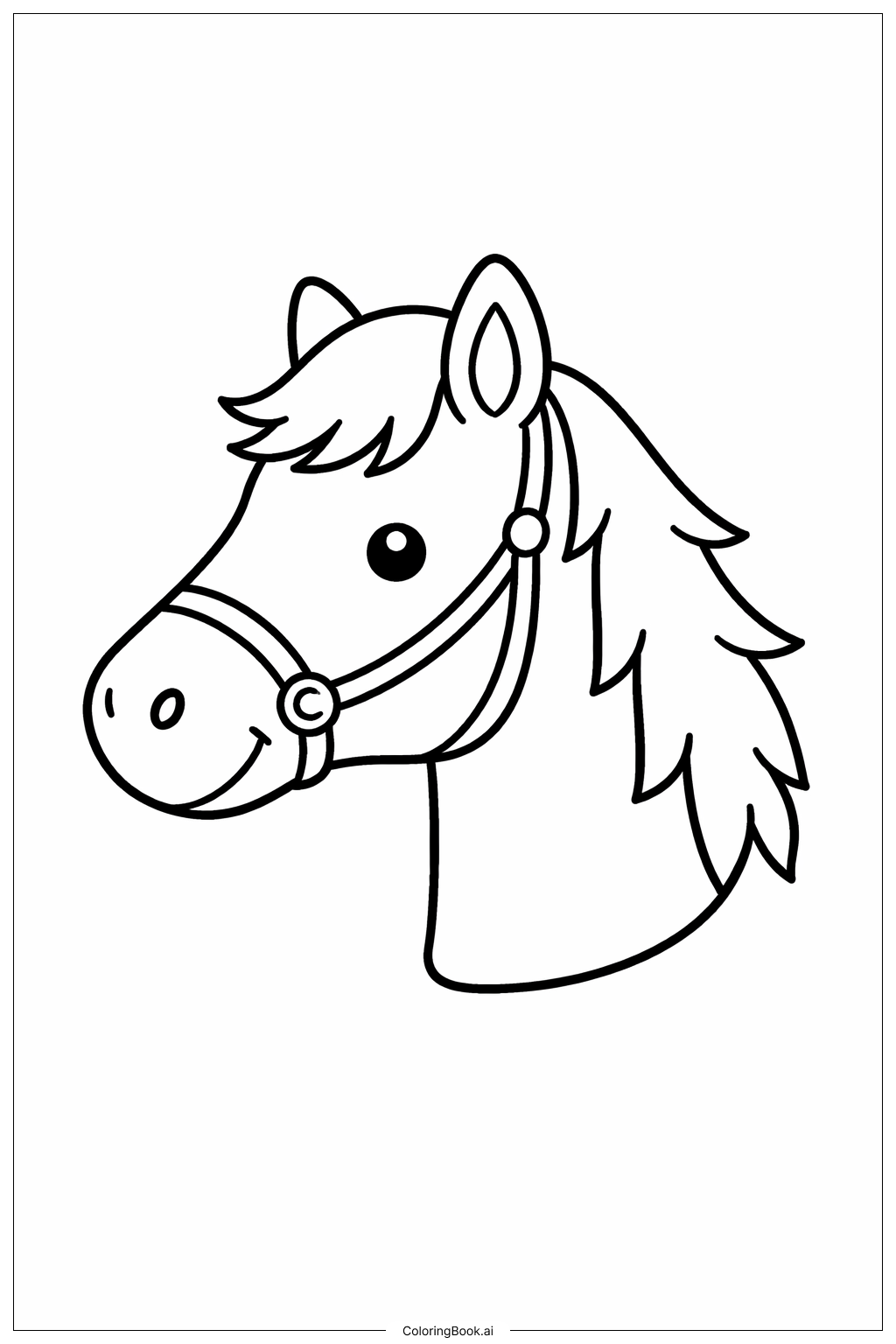
Coloring tips: How to color Western Horse Head coloring page well?
Use natural horse colors like brown, black, white, or chestnut for the face and mane. Try lighter shades for the mane to show softness and darker tones for the nose and around the eyes to add depth. The bridle can be colored in brown, black or even a bright color like red or blue for a fun twist. For the eyes, use black or dark brown with a small white spot to make them look shiny. You can also add highlights or shadows with gentle strokes to give the horse a more realistic look. Try blending colors gently to show texture in the mane and face.
Coloring challenges: Which parts are difficult to color and need attention for Western Horse Head coloring page?
1. Coloring the mane evenly can be tricky because of its flowing, wavy shape that needs smooth strokes. 2. Staying inside the thin lines of the bridle straps might be hard for younger kids. 3. Adding depth to the horse’s face with shading requires some practice to avoid making the colors look flat. 4. Making the eyes look shiny and expressive needs careful coloring to keep the small white highlight clear. 5. Choosing colors that look natural and blend well may be challenging, especially when combining different shades for a realistic look.
Benefits of coloring books: Advantages of drawing Western Horse Head coloring page
Coloring this western horse helps kids develop fine motor skills by staying within small lines and coloring details like the bridle and mane. It encourages creativity as they choose different colors and imagine their own horse. This activity also teaches kids about animals, especially horses, and introduces them to western themes. Focusing on the horse’s face can improve attention to detail and patience. Overall, coloring this picture is fun and relaxing, giving children a chance to express themselves while learning.