Coloring tips: How to color Volcano and Forest Edge coloring page well?
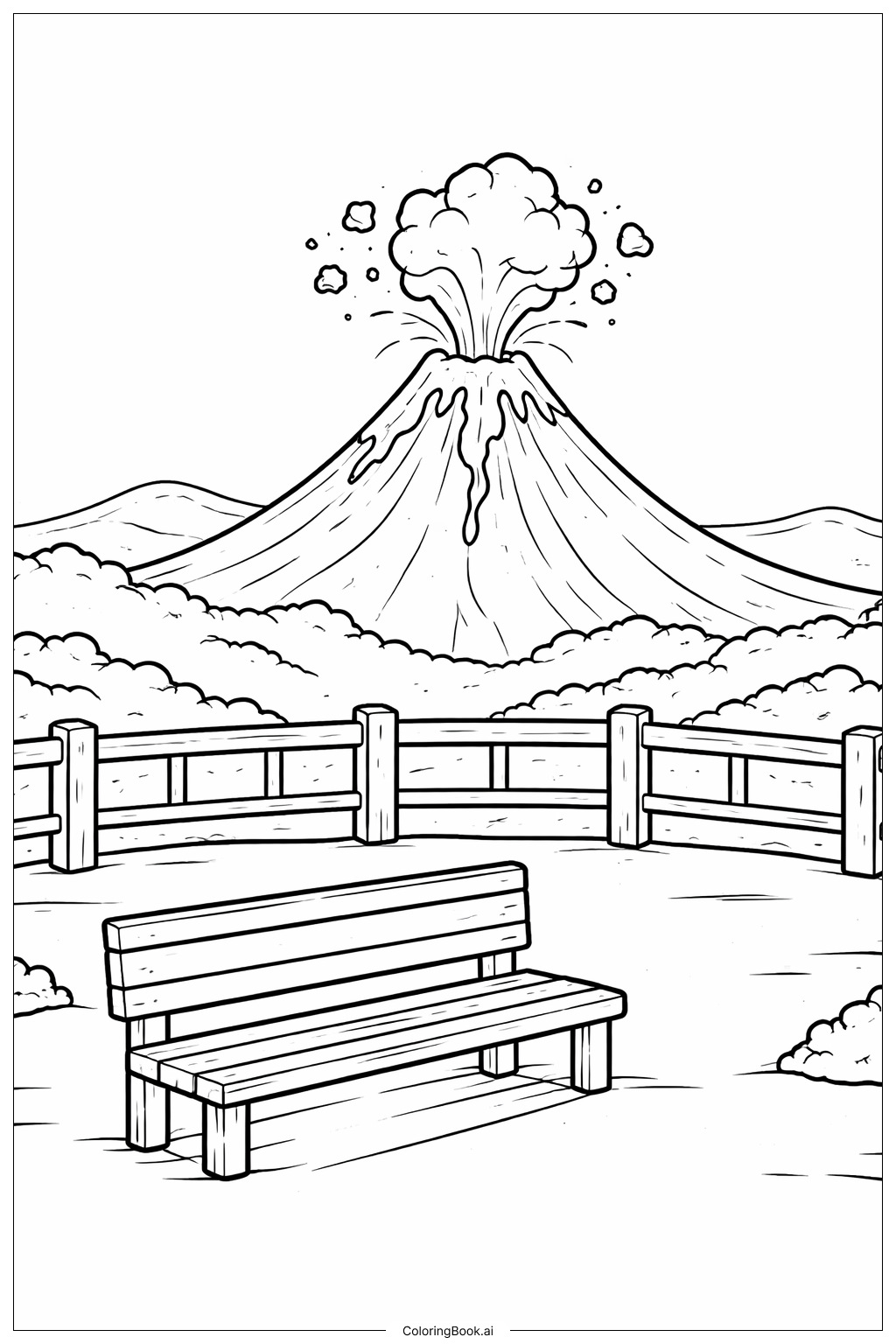
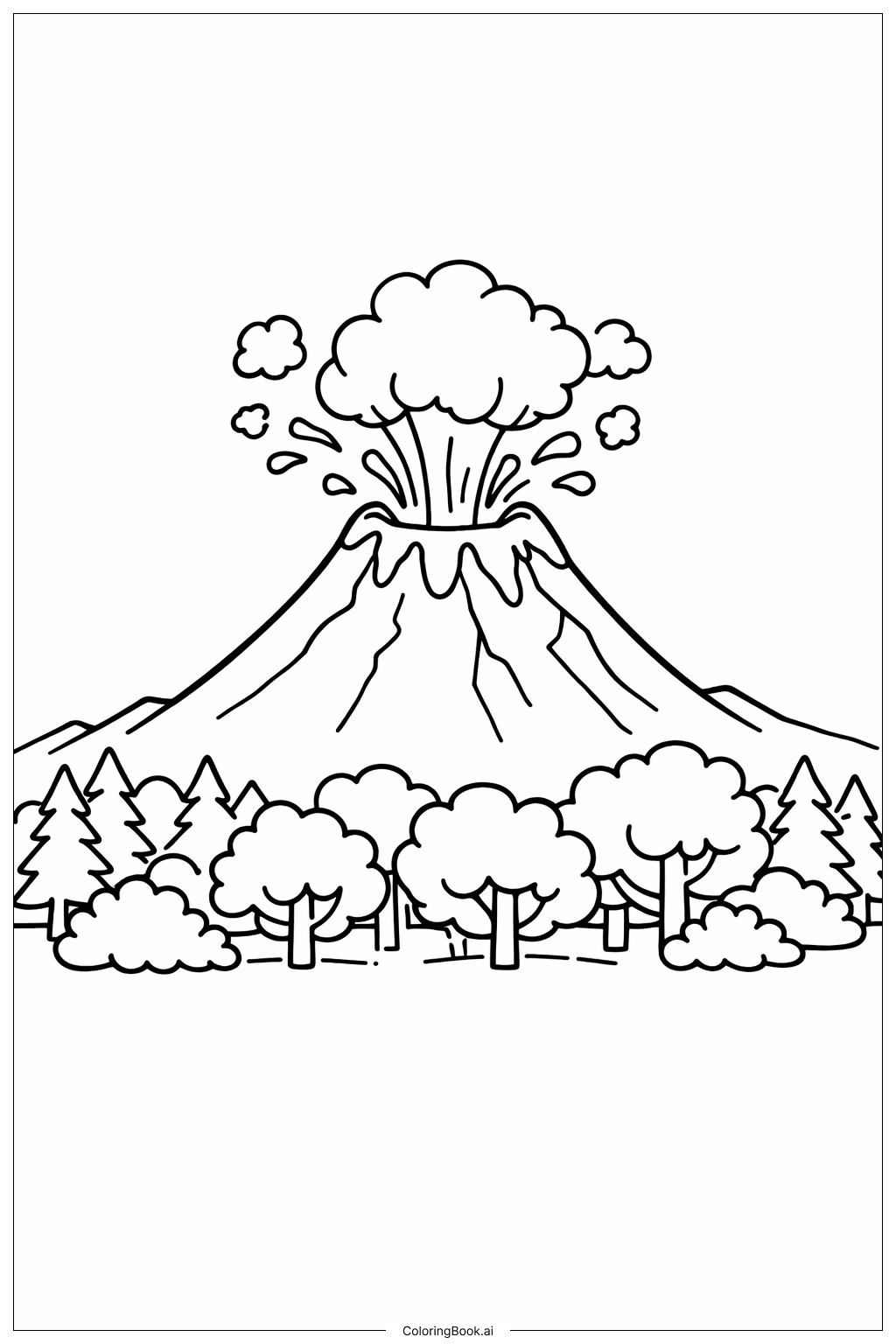
Use bright and warm colors like red, orange, and yellow for the lava and smoke from the volcano to show heat and action. For the trees in the forest, use different shades of green to show variety and life. The volcanic mountain can be colored in shades of brown and gray to represent rocks and earth. Adding blue or light colors to the sky will make the scene more lively, and don’t forget some ground colors like dark green or brown to complete the nature view.
Coloring challenges: Which parts are difficult to color and need attention for Volcano and Forest Edge coloring page?
1. Coloring the smoke and lava needs attention to show how they move and mix, using blending colors like red, orange, and yellow. 2. The forest has many trees with similar shapes, making it hard to color each tree differently to show variety. 3. The volcano surface has many cracks and lines that require careful coloring to keep the natural look. 4. The space between trees can be tricky to color without going outside the lines. 5. Balancing colors between the bright volcano and the calm forest for a harmonious look can be challenging.
Benefits of coloring books: Advantages of drawing Volcano and Forest Edge coloring page
Coloring this picture helps children learn about nature events like volcanoes and forests. It improves their focus as they color small and different shapes like trees and smoke. Using warm and cool colors encourages creativity and understanding of color contrast. This activity also develops fine motor skills by coloring detailed lines on the volcano and the forest. Lastly, it can teach children about the power of nature and why forests are important.